

Could that single episode of vomiting be nothing, or the start of an emergency?
You might be surprised how fast things can go wrong.
The difference between a dog with an upset stomach and one moving toward shock can show up in minutes to hours.
This post cuts through the worry and gives a calm checklist.
You’ll learn the red flags that need immediate vet attention, simple safe steps to try at home, what to watch for over the next 24 hours, and exactly when to call for help.
Read on so you know what to do fast.
Key Warning Signs That Make Dog Vomiting Worth Worrying About

Not every vomit episode is an emergency. But certain patterns mean you need to act fast. The difference between a dog who ate something questionable and one heading toward shock can show up in minutes to hours, especially in puppies, small breeds, or dogs with underlying health problems.
Your first job is to scan for red flags. If you see any of the signs below, contact your veterinarian or an emergency clinic right away. Don’t wait to see if things improve on their own. Timely action can prevent life threatening dehydration, toxicity, or organ failure.
Here’s what should send you straight to the phone:
Bloody vomit or vomit that looks like coffee grounds. This suggests bleeding in the stomach or upper digestive tract and requires urgent evaluation.
Repeated vomiting. More than 2–3 vomiting episodes within a few hours, or continuous vomiting for over 24 hours in an adult dog.
Distended or painful abdomen, unproductive retching, sudden collapse. These are classic signs of bloat or gastric dilatation volvulus (GDV), common in large, deep chested breeds. This is a life threatening emergency.
Severe lethargy, weakness, or pale gums. Pale or tacky gums and a capillary refill time longer than 2 seconds signal shock or severe dehydration.
Signs of shock, seizures, or difficulty breathing. Any of these symptoms alongside vomiting means critical illness.
High fever. A rectal temperature of 103.5–104°F or higher is a red flag.
Vomiting after ingesting a toxin. Chocolate, xylitol (sugar free gum), grapes, raisins, rodenticide, or certain human medications like ibuprofen.
Vomiting with profuse bloody diarrhea. This combination can lead to rapid, dangerous dehydration.
Inability to keep any water down. If your dog vomits every time they drink, they can’t rehydrate on their own.
Dehydration at 8% or higher. Dry mucous membranes, delayed skin tenting, sunken eyes, and weak pulse. If you estimate dehydration is this severe, it’s an emergency.
Puppies under six months can dehydrate within 2–4 hours of repeated vomiting. Seniors and dogs with kidney disease, diabetes, or other chronic conditions also decline faster. When in doubt, call your vet. It’s always safer to check in early than to wait too long.
Understanding Dog Vomiting Patterns and What They Mean
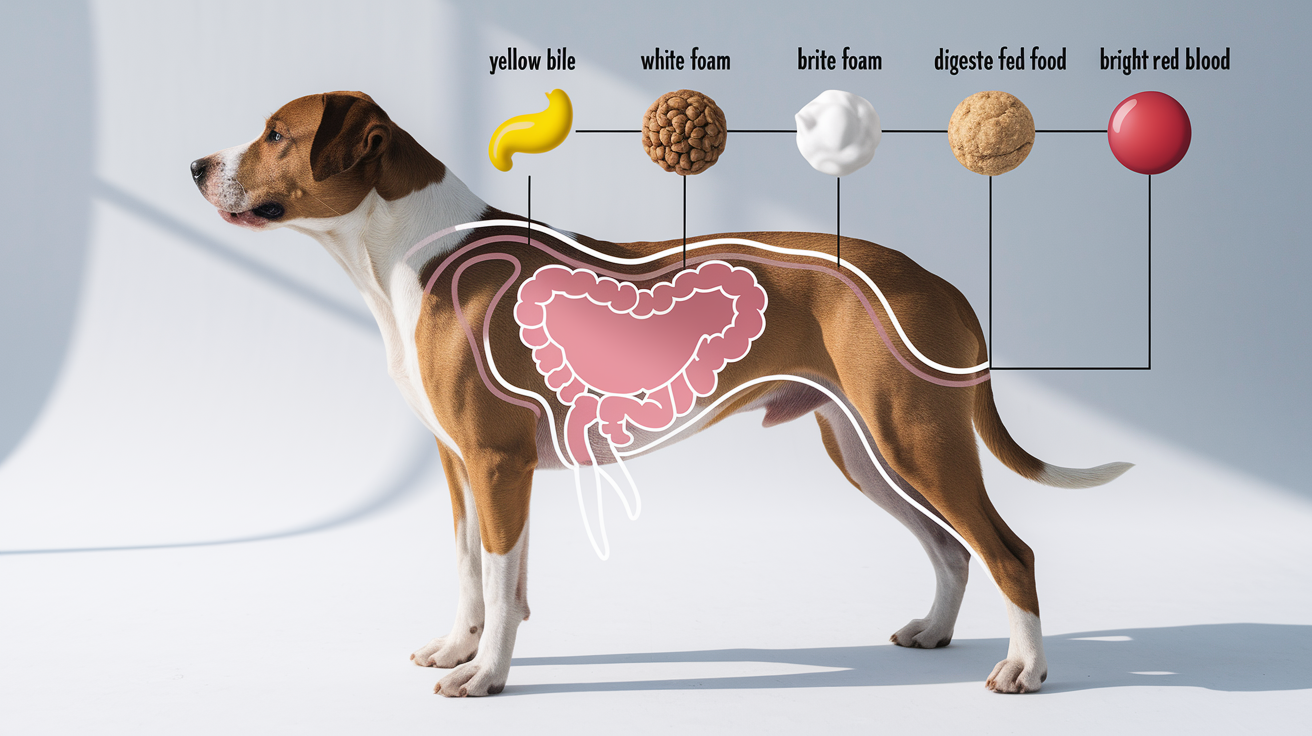
The appearance, timing, and frequency of vomit give you important clues. A single isolated vomit in an otherwise happy, active dog is usually not an emergency. If your dog ate grass, threw up once, and then went back to playing, you can often monitor at home for 24 hours.
Repeated vomiting in a short window is different. More than two or three episodes in a few hours, or vomiting that continues beyond 24 hours, signals something more serious. Vomiting immediately after eating can point to an obstruction, a swallowed foreign object, or severe irritation in the digestive tract.
The color and content of the vomit also matter. Here’s a quick guide to what you might see:
Yellow or green bile. Often means the stomach is empty or your dog has reflux. Common in the morning before breakfast, but repeated bile vomiting needs veterinary attention.
White foam. Usually indicates stomach irritation or excess gastric acid. A single episode is often mild, but repeated foam vomiting suggests a problem.
Brown vomit. Can be digested food. But if it looks like coffee grounds, it’s likely digested blood, an urgent sign.
Bloody vomit (bright red). Active bleeding in the stomach or esophagus. Call your vet immediately.
Chunks of food. May be simple regurgitation or dietary indiscretion, especially if it happens once. Watch for repetition.
Foreign material. Plastic, fabric, or plant matter in vomit means your dog swallowed something dangerous. Contact your vet to assess obstruction risk.
Chronic vomiting, more than once per week over several weeks or months, usually points to underlying disease like kidney or liver problems, pancreatitis, or even cancer. If vomiting is a recurring pattern, schedule a veterinary workup.
Health Conditions and Triggers That Commonly Lead to Vomiting in Dogs
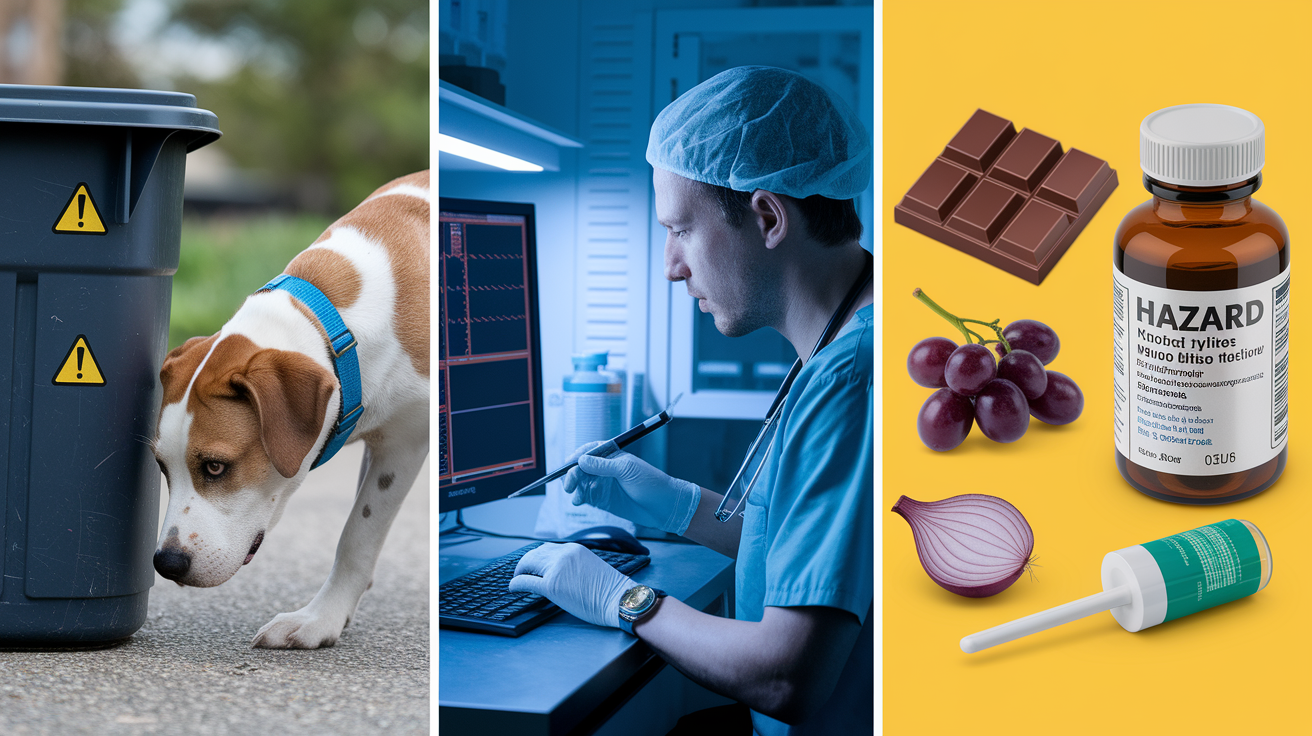
Dogs vomit for dozens of reasons. Everything from mild dietary mistakes to serious internal disease. Understanding the most common triggers helps you assess urgency and answer your vet’s questions clearly.
Dietary indiscretion is the top cause. “My dog got into the trash” is a sentence veterinarians hear every day. Spoiled food, table scraps, grease, and sudden diet changes can all irritate the stomach and cause vomiting. Most of these cases are mild and self limiting. But if your dog swallowed something sharp, toxic, or large, the stakes are much higher.
Infections and parasites are another major category. Bacterial infections, viral illnesses like parvovirus in puppies, and intestinal parasites such as roundworms or giardia can all trigger vomiting. Parvovirus is especially dangerous. It causes severe, bloody vomiting and diarrhea and can be fatal without aggressive treatment. If your dog isn’t fully vaccinated and starts vomiting, contact your vet right away.
Toxins and foreign objects are urgent scenarios. Common household toxins that cause vomiting include chocolate, xylitol, grapes, raisins, onions, garlic, rodenticide, certain plants, and human medications like ibuprofen or acetaminophen. Swallowed toys, socks, bones, or sticks can block the intestines and cause repeated vomiting, often right after eating. Chronic diseases like pancreatitis, kidney disease, liver disease, and cancer also present with vomiting as a key symptom. These conditions need diagnostic testing to identify and manage.
When Puppies, Seniors, and High Risk Breeds Vomit: Why You Must Worry Sooner
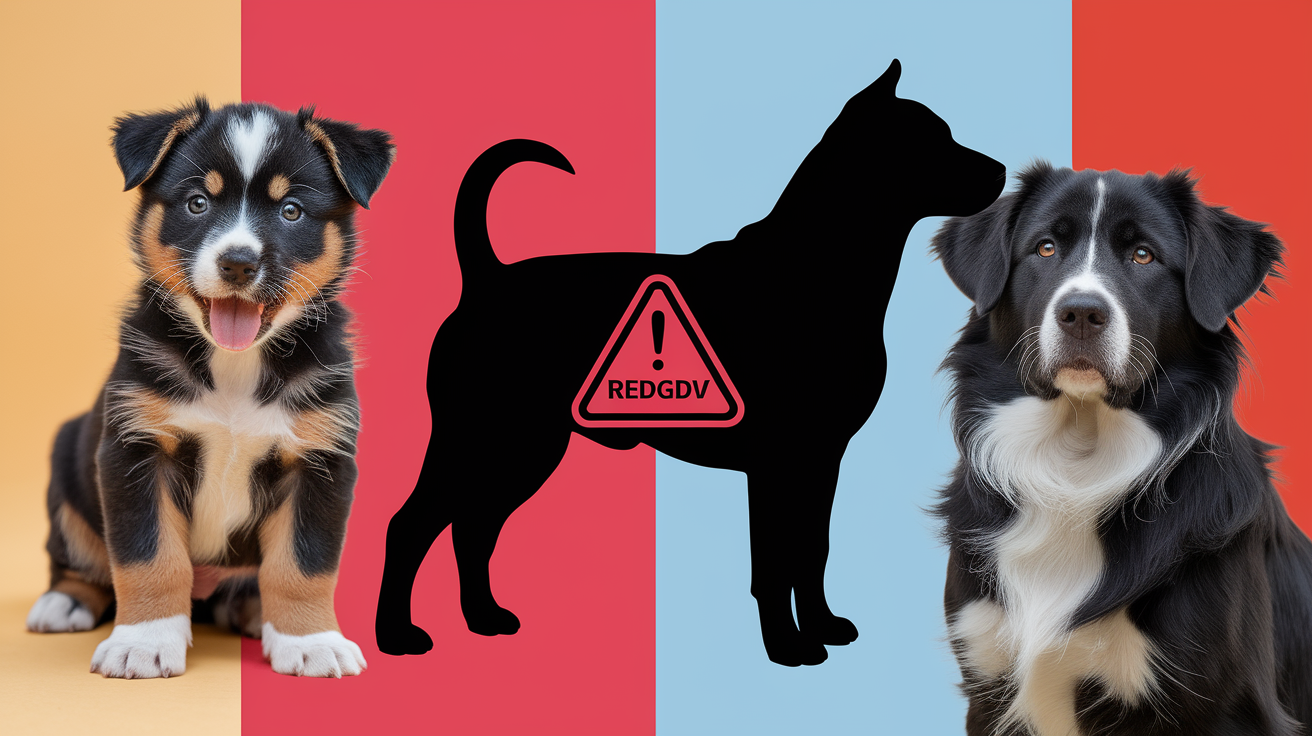
Age, size, and breed all influence how quickly vomiting becomes dangerous. Puppies, seniors, small breeds, and certain large breeds can’t afford the same “wait and see” window that a healthy adult dog might tolerate.
Puppies dehydrate fast. Their small body size and higher metabolic rate mean that even one or two vomiting episodes can lead to dehydration within 2–4 hours. Puppies are also more vulnerable to infectious diseases like parvovirus. If your puppy vomits more than once, contact your veterinarian the same day. Don’t attempt home fasting or bland diets without guidance.
Seniors and dogs with preexisting conditions (kidney disease, liver disease, diabetes, or heart problems) decline more quickly when vomiting starts. Their organs are already working harder, and dehydration or electrolyte imbalances can tip them into crisis within hours. Call your vet promptly if a senior or chronically ill dog vomits, even once.
Deep chested breeds like Great Danes, Weimaraners, German Shepherds, and Standard Poodles are at high risk for gastric dilatation volvulus (GDV), also called bloat. GDV is a life threatening emergency where the stomach fills with gas and twists on itself. Early signs include unproductive retching, a tight or distended abdomen, restlessness, pacing, drooling, and rapid breathing. Time from first sign to shock can be just a few hours. If you see these symptoms, treat it as an immediate emergency. Small breeds are also vulnerable to faster dehydration and hypoglycemia (low blood sugar) when vomiting prevents them from eating or drinking.
| Group | Why They’re High Risk | Action Timeline |
|---|---|---|
| Puppies under 6 months | Rapid dehydration, infectious disease risk, low reserves | Contact vet after 1–2 episodes, same day |
| Senior dogs (>7–10 years) | Organ disease, slower recovery, medication interactions | Contact vet within hours of vomiting |
| Deep chested large breeds | High GDV/bloat risk, rapid progression to shock | Immediate emergency care if abdomen distends or retching occurs |
| Small breeds | Fast dehydration, hypoglycemia risk | Contact vet after repeated vomiting, within 12–24 hours |
| Dogs with chronic disease | Reduced organ reserve, medication complications | Contact vet same day or within hours |
What to Do at Home for Mild Vomiting While Monitoring Carefully

If your dog has vomited once or twice, is otherwise bright and alert, and shows no red flags, you can try careful at home monitoring for up to 24 hours in healthy adult dogs. This protocol is for mild cases only. It doesn’t apply to puppies, small breeds, seniors, diabetic dogs, or any dog with underlying disease.
Here’s a step by step home care plan for mild vomiting in adult dogs:
Withhold food for 12 hours. This gives the stomach time to settle. Don’t fast puppies, small breeds, or diabetic dogs without veterinary guidance. They can develop dangerously low blood sugar.
Offer water in small amounts. Give 5–10 mL of water every 5–10 minutes at first. Watch closely. If your dog vomits the water back up, stop offering fluids and call your vet immediately.
Monitor hydration. A healthy adult dog needs about 50–60 mL of water per kilogram of body weight per day. If your dog can’t keep that amount down, seek veterinary care.
Wait for vomiting to stop for at least 12 hours before reintroducing food. Once vomiting has stopped, offer a small portion of bland food, about 1–2 tablespoons per 10 pounds of body weight.
Feed small, frequent meals. Continue offering bland food every 2–3 hours for the first 24 hours, then gradually increase portion size over 24–48 hours.
Transition back to regular food slowly. Mix increasing amounts of regular food into the bland diet over 2–3 days to avoid re triggering vomiting.
Avoid human medications. Don’t give over the counter antiemetics, antacids, or any human medication unless your veterinarian specifically instructs you to do so. Some can be toxic or mask serious symptoms.
If vomiting continues, worsens, or you see any red flag symptoms (lethargy, blood, repeated episodes, or inability to hold water), stop the home care protocol and contact your vet right away. Mild vomiting can turn serious quickly, and timely professional care is the safest path.
How Veterinarians Diagnose the Cause of Vomiting
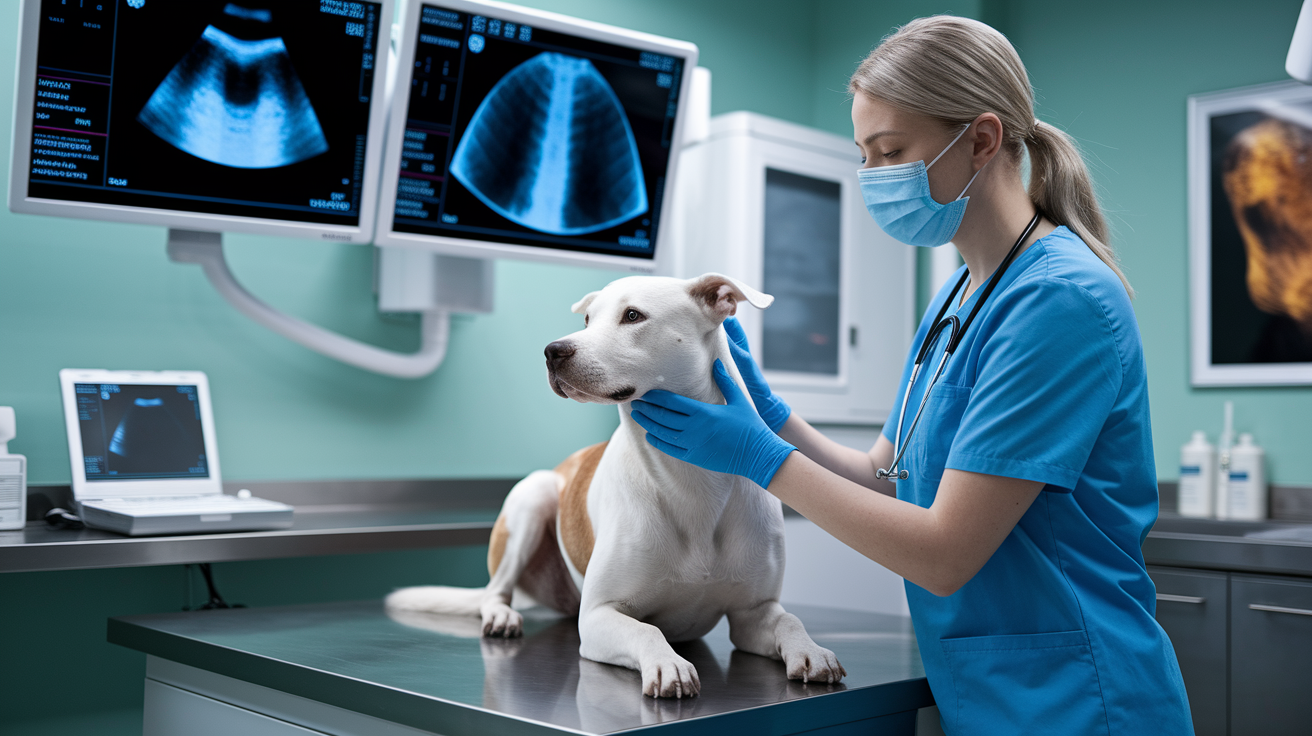
When you bring your dog to the vet for vomiting, expect a thorough evaluation. Your veterinarian will start with a detailed history. Be ready to describe when the vomiting started, how many episodes you’ve seen, what the vomit looked like, and whether your dog has had access to trash, toxins, new foods, or medications. Mention any changes in behavior, appetite, water intake, urination, or stool. This background helps narrow the list of possible causes.
The physical exam focuses on hydration status, abdominal pain, and overall condition. Your vet will check gum color and moisture, skin elasticity, heart rate, and temperature. They’ll palpate the abdomen to feel for pain, distension, masses, or foreign objects. If dehydration is present, the vet will estimate severity based on clinical signs like tacky gums, delayed skin tenting, sunken eyes, and weak pulse.
Diagnostic tests depend on the severity and pattern of vomiting. Blood work and urinalysis help assess organ function, electrolyte balance, hydration, and infection. Abdominal X rays can reveal foreign objects, obstructions, or organ abnormalities. Ultrasound gives a closer look at the stomach, intestines, liver, kidneys, and pancreas. A fecal exam checks for parasites or bacterial infections. In chronic or complex cases, your vet may recommend additional imaging or endoscopy to look directly inside the digestive tract. If you can safely collect a small sample of vomit in a sealed container or plastic bag, bring it along. It can help your vet assess content and color.
Treatment Options for Dog Vomiting and What Recovery Looks Like
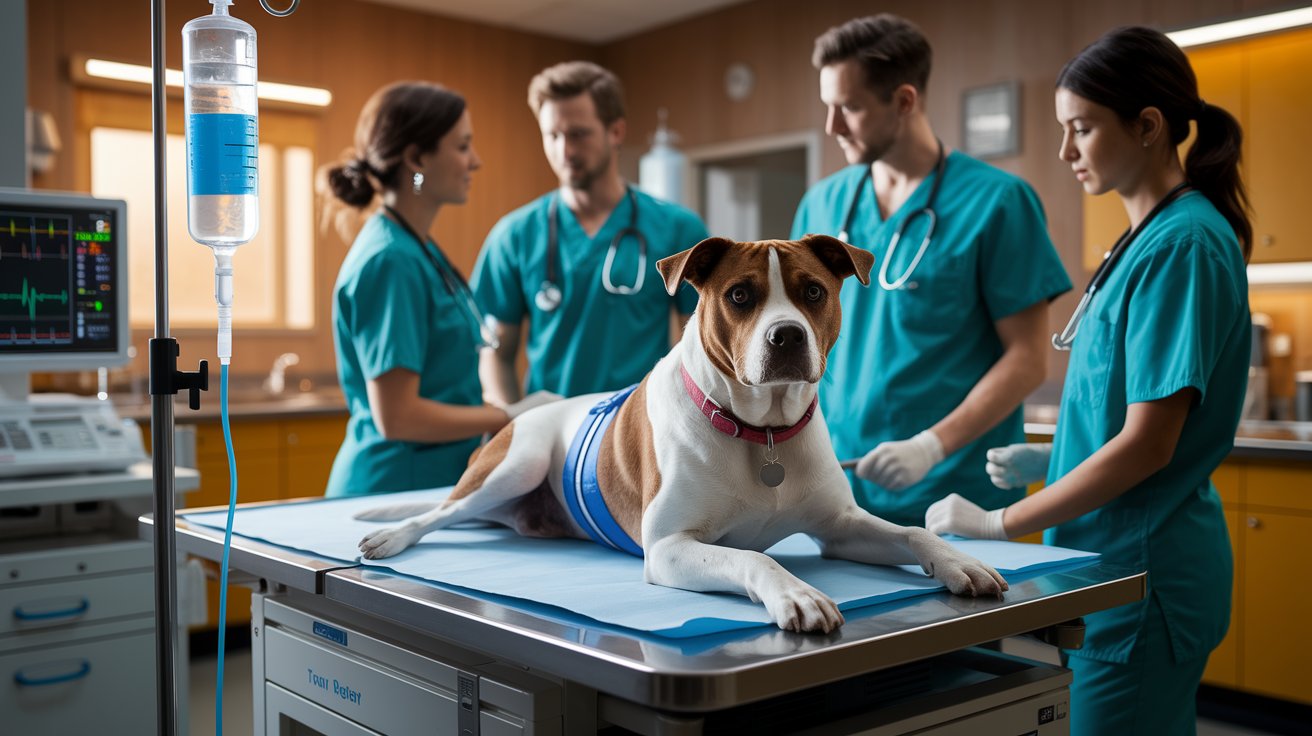
Treatment depends entirely on the underlying cause and severity. Mild cases may only need anti nausea medication and a few days of bland diet at home. More serious cases require hospitalization, intravenous fluids, or even surgery.
For straightforward dietary indiscretion or mild stomach upset, your vet may prescribe an antiemetic medication to stop vomiting and recommend withholding food briefly, then reintroducing a bland diet as described earlier. Probiotics are sometimes added to support gut health during recovery.
When dehydration is moderate to severe, intravenous (IV) fluids are necessary to restore hydration and correct electrolyte imbalances. Hospitalization allows continuous monitoring and medication delivery. If a bacterial infection is identified, antibiotics will be part of the treatment plan. Viral infections like parvovirus require aggressive supportive care, IV fluids, anti nausea drugs, and sometimes plasma transfusions or immune support.
If your dog has swallowed a foreign object that’s causing an obstruction, surgery may be the only option. The vet will remove the object and repair any damage to the intestines. Post surgical recovery includes pain management, restricted activity, and careful feeding as the digestive system heals.
Recovery timelines vary. Here’s what to expect in typical scenarios:
Mild dietary upset: 24–48 hours with home care or simple medication. Vomiting should stop within the first day.
Moderate dehydration or infection: 2–5 days of treatment, possibly including hospitalization. Improvement usually starts within 24 hours of starting fluids and medication.
Severe infection or toxin ingestion: 5–10 days or longer. Close monitoring for complications is essential.
Foreign object removal (surgery): 7–14 days for initial healing, with restricted activity for 2–4 weeks. Full recovery depends on the extent of intestinal damage.
Chronic disease management: Ongoing, with periodic adjustments to diet, medication, and monitoring. Vomiting may recur if the underlying condition flares.
Watch for persistent vomiting, refusal to eat, lethargy, or dehydration even after starting treatment. If symptoms don’t improve or worsen, contact your vet immediately. Recovery isn’t linear. Some dogs bounce back quickly, while others need extended support.
Preventing Future Vomiting Episodes and Keeping Your Dog Safe
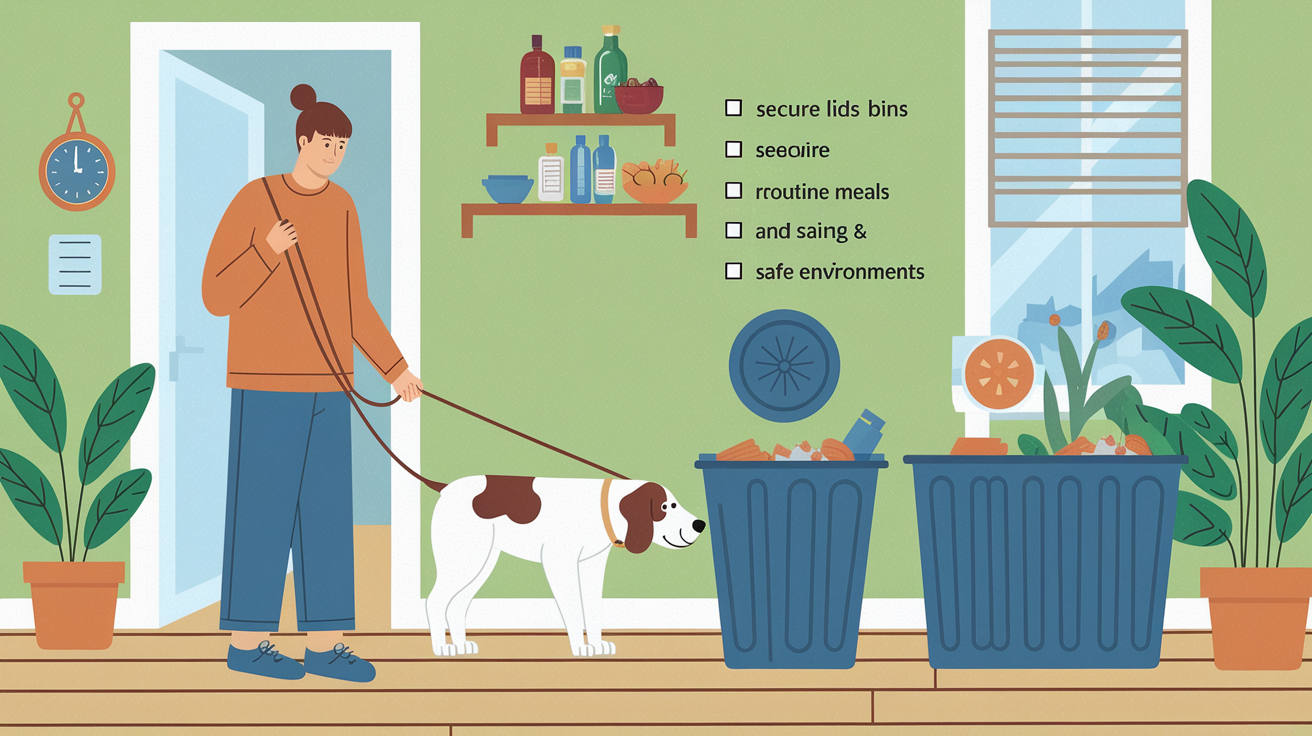
Prevention starts with controlling what goes into your dog’s mouth and managing the environment to reduce risk. Many vomiting episodes are avoidable with a few consistent habits.
Keep your dog on a stable, high quality diet and avoid sudden changes. If you need to switch foods, do it gradually over 7–10 days by mixing increasing amounts of the new food with the old. This gives the digestive system time to adjust. Avoid feeding table scraps, especially fatty, spicy, or seasoned foods. What’s safe for humans can trigger vomiting (or worse, pancreatitis) in dogs.
Secure your home and yard to prevent access to garbage, compost, toxic plants, medications, and household chemicals. Common indoor hazards include chocolate, xylitol containing products, grapes, raisins, onions, garlic, and over the counter medications. Outdoor risks include certain plants, mulch, pesticides, and rodenticides. If your dog is a scavenger on walks, consider a basket muzzle or close leash supervision to prevent eating unknown items.
Here are six practical steps to reduce vomiting risk:
Feed consistent, age appropriate meals at regular times. Avoid free feeding or erratic schedules that can upset digestion.
Prevent garbage and compost access. Use secure lids and keep bins out of reach.
Supervise chewing and play. Remove or replace toys that are breaking apart or small enough to swallow.
Manage stress and anxiety. Some dogs vomit from motion sickness, separation anxiety, or excitement. Work with your vet or a trainer on behavior management.
Schedule routine veterinary checkups. Early detection of kidney, liver, or pancreatic disease can prevent chronic vomiting.
Never give human medications without veterinary approval. Even common pain relievers can cause severe stomach irritation and vomiting.
If your dog eats grass occasionally and vomits once, it’s usually not a problem. But if grass eating becomes frequent or obsessive, it can signal nausea or digestive discomfort. Mention the pattern to your vet. Prevention is about reducing risk, not eliminating every possibility. Stay observant, keep your home safe, and act quickly when something seems off.
Final Words
If your dog is vomiting now, first check for red flags: bloody or coffee‑ground vomit, more than two or three episodes in a few hours, a hard or painful belly, unproductive retching, severe weakness, or signs of dehydration. If you see those, get veterinary care right away.
This post showed how to read vomiting patterns and colors, common causes and high‑risk pets, safe short‑term home steps, what vets may do, and basic treatment and prevention.
Keep a short log of episodes and behavior. Keep “dog vomiting when to worry” as your checklist when deciding to call. Most dogs do well with prompt care and simple prevention.
FAQ
Q: How many times should a dog throw up before going to vet?
A: A dog should see a vet if it vomits more than 2–3 times in a few hours, keeps vomiting past 24 hours, or shows bloody vomit, unproductive retching, swollen painful belly, severe lethargy, dehydration, collapse, fever, or toxin exposure.
Q: How do I know if my dog throwing up is serious?
A: Vomiting is serious when there’s blood or coffee‑ground material, multiple episodes, unproductive retching, a painful or bloated belly, pale or sticky gums, high fever, collapse, or recent toxin ingestion.
Q: What is the best thing to do when your dog is vomiting?
A: The best immediate step is to withhold food for 12 hours (adults only), offer small water sips often, keep them calm, note changes, and call your vet if red flags appear, and don’t fast puppies, diabetics, or tiny dogs.
Q: How do I know if my dog is ok after throwing up?
A: Your dog is likely okay after vomiting if they act normal, drink and urinate regularly, keep food down, and don’t vomit again for 24 hours; call your vet sooner if energy or appetite drops or symptoms worsen.