

Bad breath in dogs is rarely just “dog breath,” it often hides a treatable problem you don’t want to miss.
Called halitosis (bad mouth odor), persistent foul breath may come from dental disease, a stuck object, or less obvious issues like diabetes, kidney, or liver trouble.
This post walks you through the most common causes, the simple clues to look for, and clear next steps, what to try at home and when to call the vet, so you can act fast and keep your dog comfortable.
Understanding the Most Common Dog Bad Breath Causes
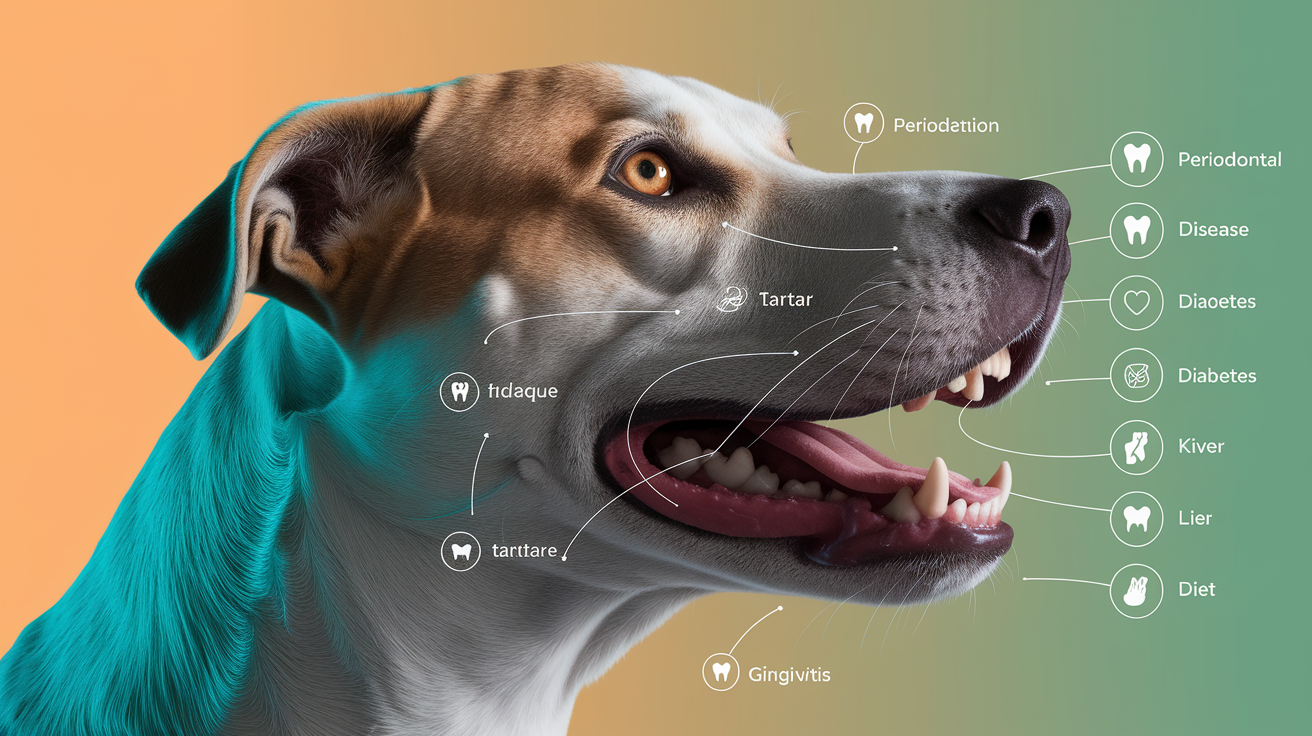
Bad breath in dogs, called halitosis, is a symptom rather than a diagnosis. It usually points to bacterial buildup in the mouth or an underlying health issue that needs attention. While it’s normal for a dog’s breath to smell a bit different after eating, persistent foul odor isn’t typical and signals something worth investigating.
Oral causes are by far the most frequent culprits. Plaque forms on teeth within hours of eating, and if it’s not removed through brushing or chewing, it hardens into tartar. That’s a rough, cement-like coating that traps bacteria along the gumline. Over time, that bacterial load causes gingivitis. Inflamed gums that bleed easily and give off a strong smell. You might also notice brown or yellow buildup on the back molars, or swollen pink tissue where the gums meet the teeth.
The main dog bad breath causes include:
- Periodontal disease from plaque and tartar accumulation
- Foreign objects lodged in the mouth, such as sticks, bones, cloth, or string
- Diabetes producing a sweet or acetone-like odor from ketones
- Kidney disease creating an ammonia or urine-like smell
- Liver disease often accompanied by jaundice, vomiting, and appetite loss
- Dietary-related bacterial imbalance from raw or improperly balanced home-cooked diets
Each cause leaves different clues. A dog with dental disease may drool more or chew only on one side, while a dog with kidney trouble often drinks and urinates more than usual. Diagnosis and treatment depend on identifying which system is involved, so recognizing the pattern of symptoms helps you know when to call the vet and what information to share.
Dental Disease as a Leading Cause of Bad Dog Breath
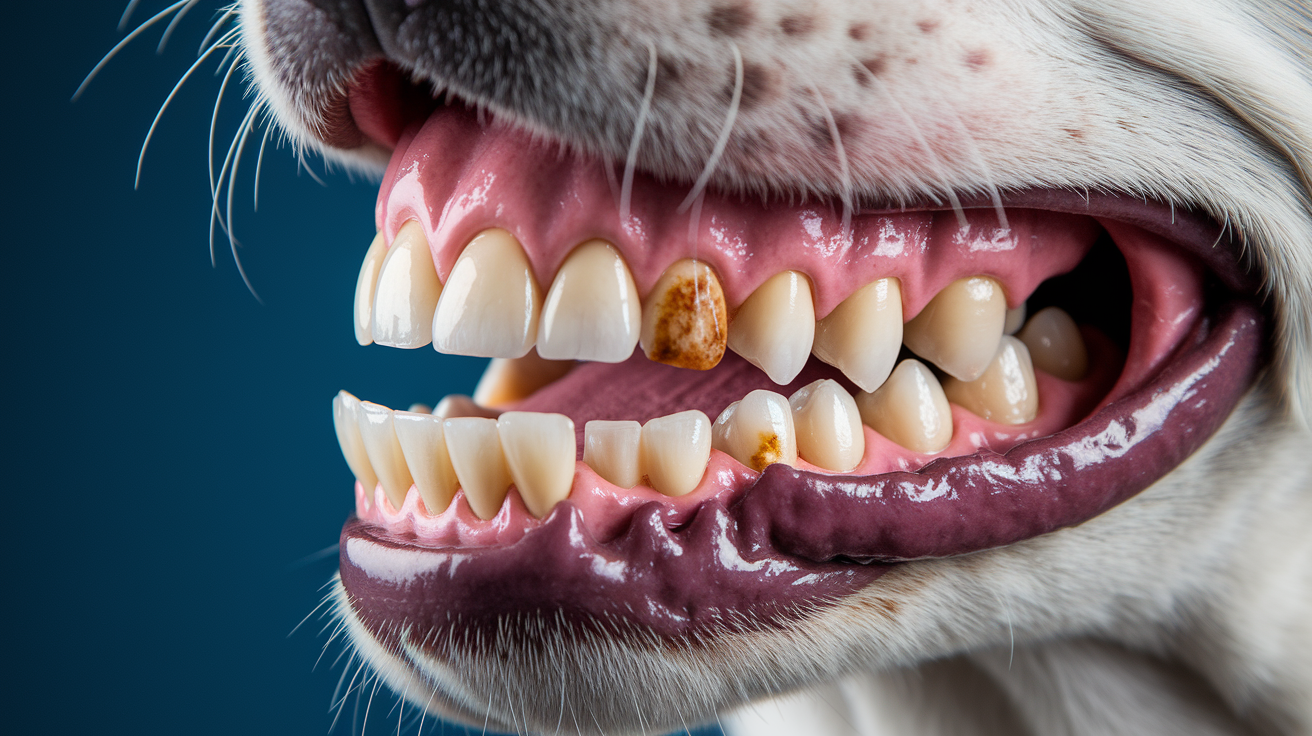
Plaque starts forming as soon as your dog finishes a meal. Within 24 to 48 hours, minerals in saliva harden that soft film into tartar, also called calculus. Tartar creates a rough surface that holds even more bacteria, and those bacteria release waste products that irritate the gums. The gums swell, turn red, and begin to pull away from the tooth. Forming small pockets.
Once pockets form, debris and bacteria collect below the gumline where a toothbrush can’t reach, and the infection deepens into periodontal disease. Up to 80 percent of dogs show some form of periodontal disease by age two.
As the disease progresses, the supporting structures around the tooth, bone and ligament, start to break down. Teeth may fracture under normal chewing pressure because the roots are weakened or exposed. You might see a crack in a large molar, or notice that a canine tooth looks darker than it used to. Root exposure is painful. Some dogs will stop eating dry kibble or drop toys mid-play because biting hurts. Deep infections can form abscesses at the root tip, which swell the face and release pus into the mouth.
Visible signs you can check for at home:
- Brown, yellow, or gray buildup along the gumline or covering tooth surfaces
- Red, puffy gums that bleed when touched or after chewing
- Blood spots on chew toys, rope toys, or in the water bowl
- Chewing food on only one side of the mouth or turning the head while eating
- Loose teeth that wobble when you gently touch them, or teeth that have already fallen out
Systemic Medical Dog Bad Breath Causes
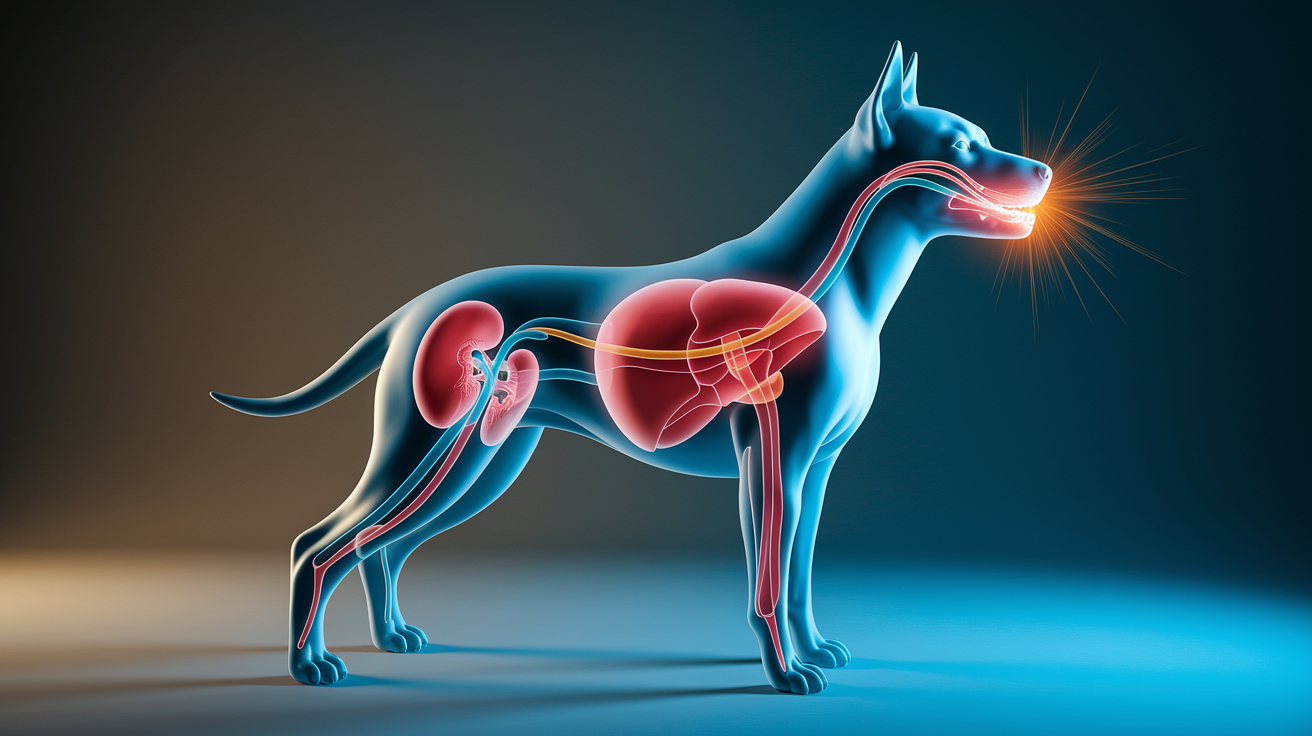
Kidney disease changes the way waste products are filtered from the blood. When the kidneys can’t clear urea efficiently, it builds up and is released through the breath, creating a sharp ammonia or urine-like smell. Dogs with kidney trouble also drink much more water than usual, urinate more frequently, and may develop ulcers inside the mouth that add to the odor. Weight loss, low energy, and vomiting are common as the disease advances.
Diabetes occurs when the pancreas doesn’t produce enough insulin or the body’s cells resist insulin’s effects. Without insulin, cells can’t use glucose for energy, so the body burns fat instead and produces ketones as a byproduct. Ketones give the breath a sweet, fruity, or acetone smell. Similar to nail polish remover. Not everyone can detect this odor. Genetics determine whether you have the receptors to smell ketones. Other diabetes signs include increased thirst and urination, weight loss despite a normal or increased appetite, and lethargy.
Liver disease affects how toxins are processed and cleared. When the liver isn’t working well, waste products circulate longer and can produce foul breath. Jaundice, a yellowing of the skin, gums, and whites of the eyes, is a hallmark sign. You’ll also see vomiting, diarrhea, poor appetite, and sometimes fluid buildup in the abdomen. Gastrointestinal issues, including bacterial overgrowth in the gut or chronic inflammation, can alter the balance of bacteria in the mouth and digestive tract. Leading to persistent bad breath even when the teeth look clean.
Foreign Objects, Injuries, and Infections That Cause Bad Breath in Dogs
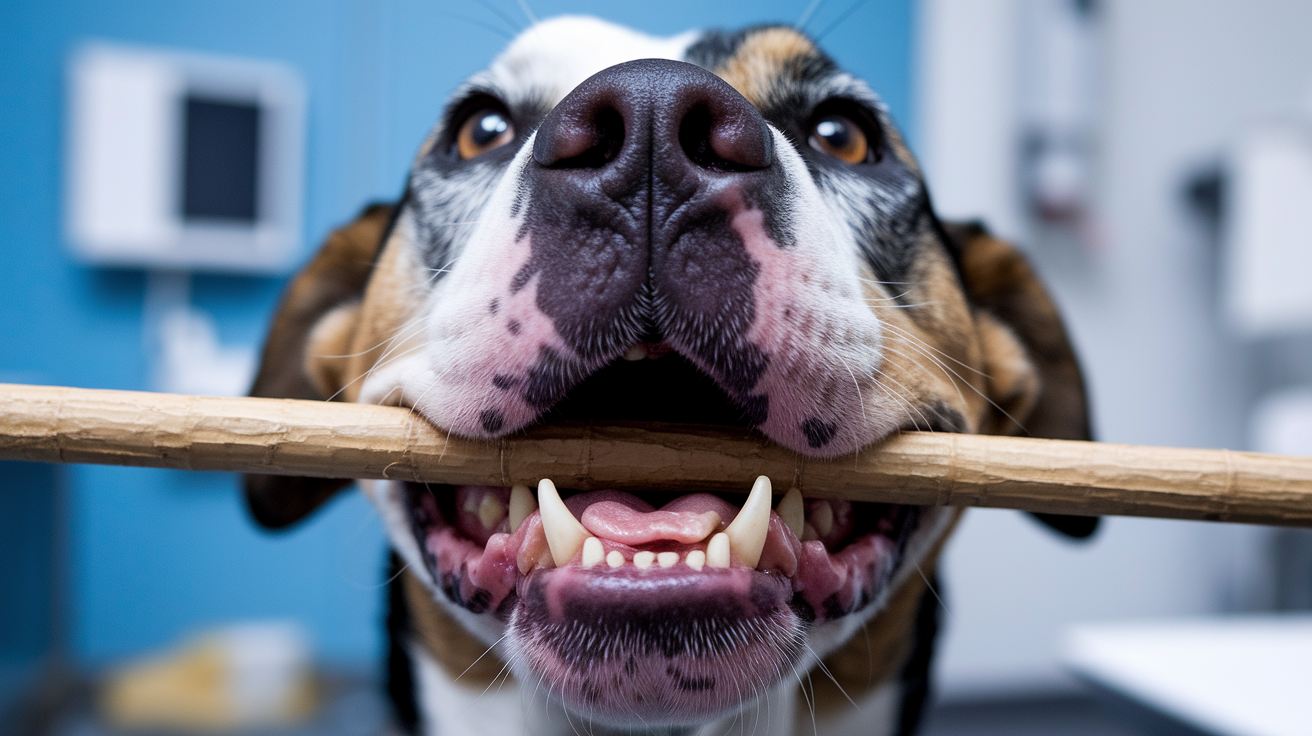
A piece of stick, fabric, or bone can wedge between the back molars, get stuck under the tongue, or lodge in the cheek pouch. It might sit there for days before you notice. The trapped object irritates the tissue, bacteria multiply around it, and the area begins to rot or bleed. Your dog might drool heavily on one side, paw at their mouth, refuse food, or suddenly develop a strong, rotting smell.
Tooth root abscesses form when bacteria travel down into the root canal or when a fractured tooth exposes the pulp. The infection spreads into the bone, and pus collects in a pocket beneath the gum. The side of the face may swell just below the eye, especially with upper fourth premolars, and you might see a small draining tract on the skin. Oral ulcers from injury, chemical burns, or autoimmune disease create open sores that become infected. Fungal or yeast infections, though less common, cause white or grayish patches on the tongue and gums, along with a sour, musty odor.
| Issue | Typical Signs | Odor Type |
|---|---|---|
| Foreign object (stick, string, cloth) | Sudden drooling, pawing at mouth, refusal to eat | Rotting, foul |
| Tooth root abscess | Facial swelling, pain when chewing, drainage tract | Necrotic, strong infection smell |
| Oral ulcer or injury | Bleeding, visible sores, reluctance to let you touch mouth | Metallic, infected tissue |
| Fungal or yeast infection | White/gray patches, excessive licking, sore gums | Sour, musty, yeasty |
When Dog Bad Breath Requires a Veterinary Visit
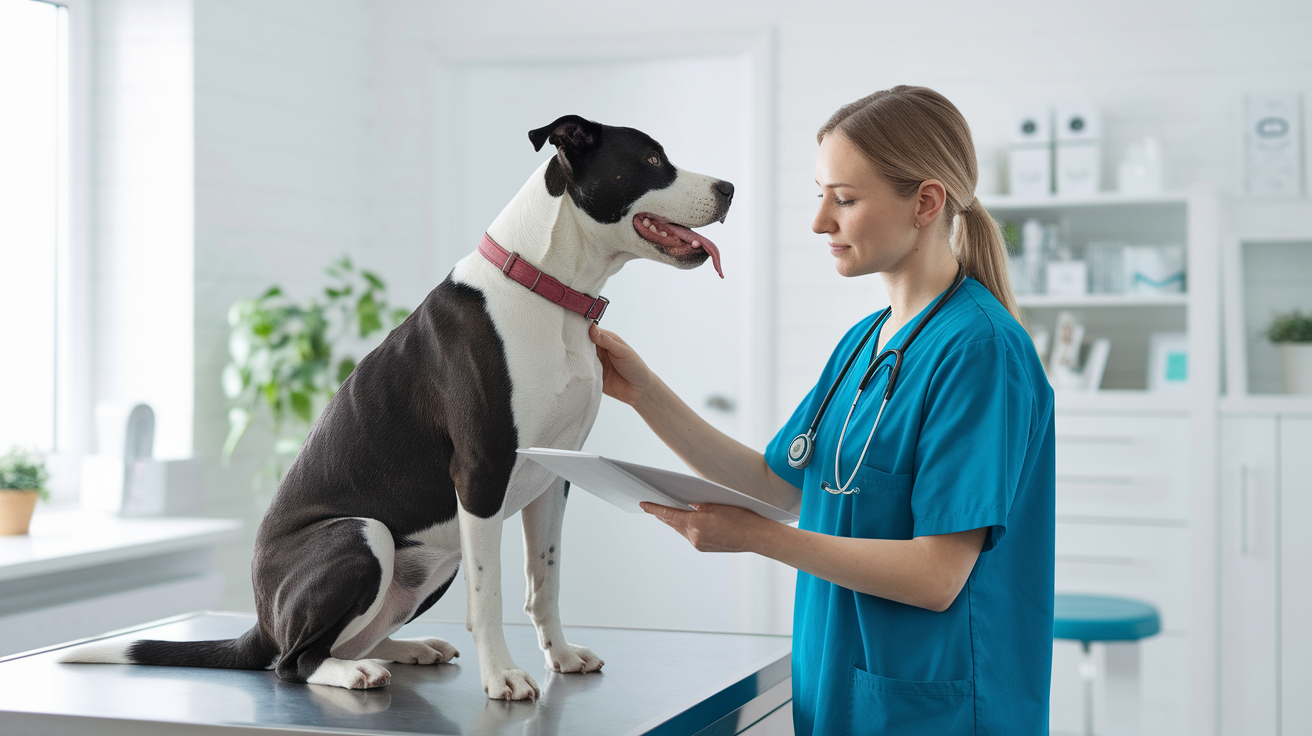
If your dog’s breath has been bad for more than two weeks, or if it suddenly becomes much worse, schedule an exam. Waiting too long allows dental disease to advance into the bone, turns a small infection into a large abscess, or lets systemic disease progress to a stage that’s harder to treat.
Call your veterinarian right away if you notice:
- Persistent halitosis lasting more than 14 days, even with brushing
- Bleeding from the gums or blood visible on toys, bowls, or bedding
- Loose, broken, or missing teeth
- A visible foreign object in the mouth or suspected ingestion of a stick, bone fragment, or string
- Systemic symptoms such as jaundice, vomiting, diarrhea, increased thirst, increased urination, or sudden weight loss
- Sudden onset of extremely foul or unusual breath odor, especially sweet, fruity, or ammonia-like smells
- Suspected ingestion of a toxic substance, including certain plants, cigarettes, or household chemicals
Diagnostic Tests Used to Identify Dog Bad Breath Causes
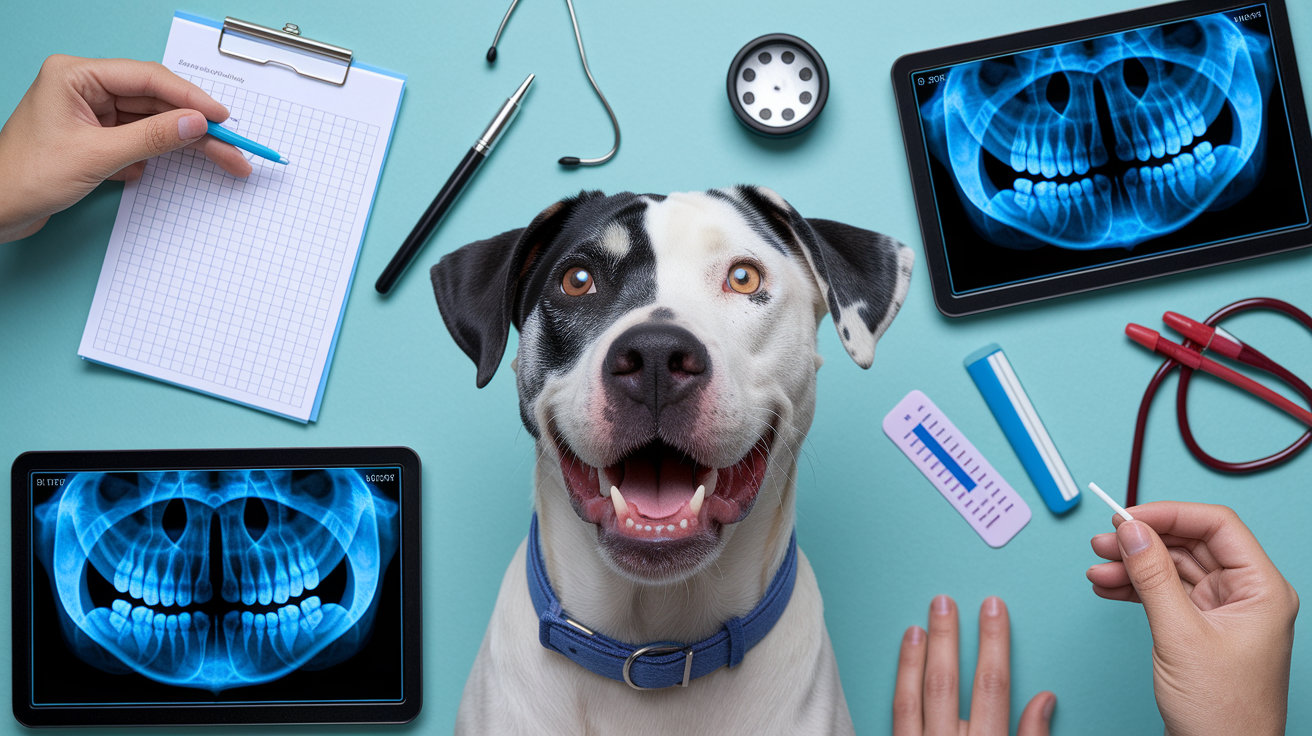
Your veterinarian will start with a thorough physical exam and an oral inspection. They’ll look at tooth surfaces, gum color, tartar buildup, and any visible masses or foreign material. Lymph nodes under the jaw are palpated to check for swelling that suggests infection or cancer. If your dog won’t hold still or the back of the mouth needs a closer look, sedation or light anesthesia is used so every tooth and the soft tissues can be examined safely.
Diagnostic steps that help pinpoint the cause:
- Dental charting to record which teeth have tartar, pockets, fractures, or mobility
- Dental radiographs (X-rays) to see bone loss, root abscesses, or hidden fractures below the gumline
- Blood tests, including a chemistry panel to evaluate kidney function (BUN, creatinine), liver enzymes (ALT, ALP), and blood glucose for diabetes screening
- Urinalysis if kidney disease is suspected, to check concentration and protein levels
- Oral biopsy if a mass or unusual growth is found, to determine whether it’s benign or malignant
- Culture and sensitivity testing if a deep infection or antibiotic-resistant bacteria is suspected
Treatment Options for Dog Bad Breath Causes
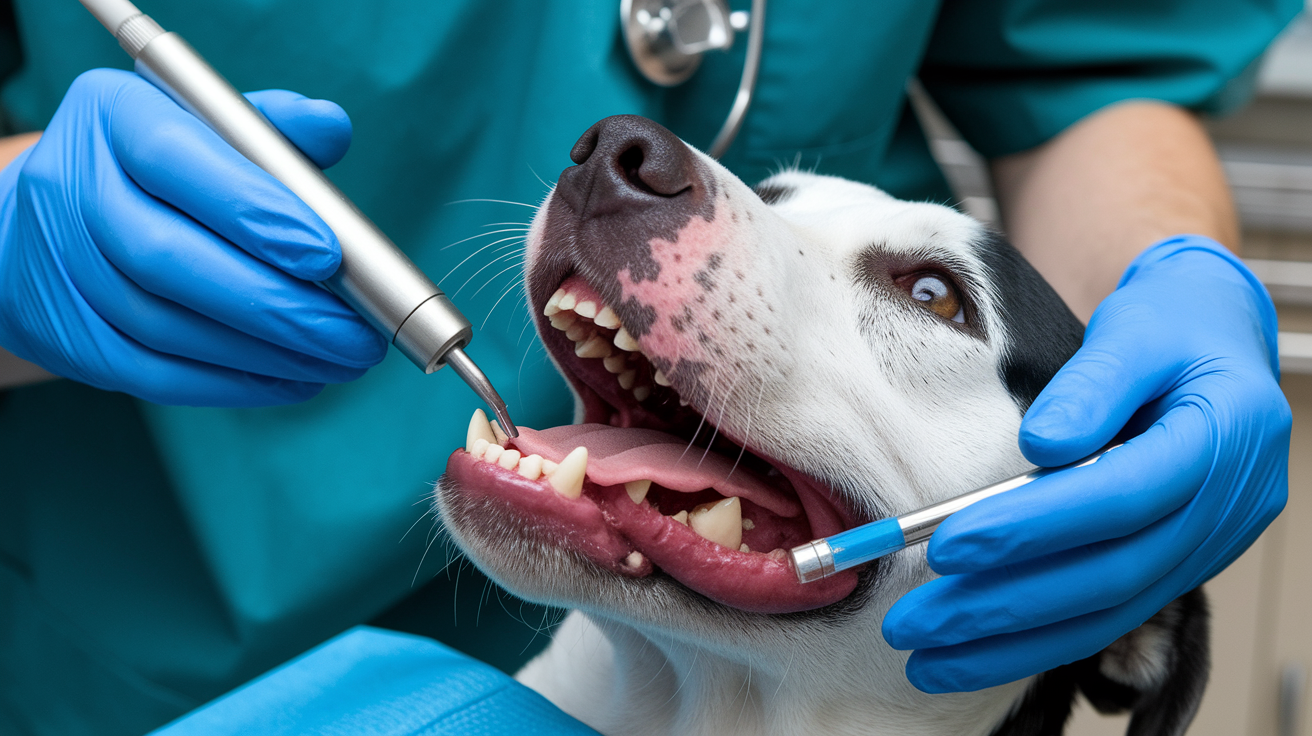
Professional dental cleaning under anesthesia is the cornerstone of treatment for periodontal disease. The veterinarian or veterinary technician uses an ultrasonic scaler to remove tartar above the gumline and hand instruments to clean the subgingival pockets below it. The teeth are then polished to smooth the surface and slow future plaque buildup. This procedure typically happens at least once a year for most adult dogs, and more often if disease is already present.
Tooth extraction is necessary when a tooth is too damaged to save, when the root is abscessed, or when bone loss is severe. Removing the source of infection stops the pain and odor immediately. For strategic teeth, such as the large canines, root canal therapy may be an option if a veterinary dentist is available. The infected pulp is removed, the canal is cleaned and sealed, and the tooth structure is preserved. Antibiotics are prescribed when there’s active infection, and anti-inflammatory pain medication is given after surgery to keep your dog comfortable during healing.
Common treatment approaches include:
- Scaling and polishing to remove plaque and tartar
- Extractions for non-salvageable or severely infected teeth
- Antibiotics for bacterial infections in the mouth or systemically
- Advanced dental procedures such as root canals or periodontal surgery, performed by a specialist
Home Care That Helps Prevent Dog Bad Breath
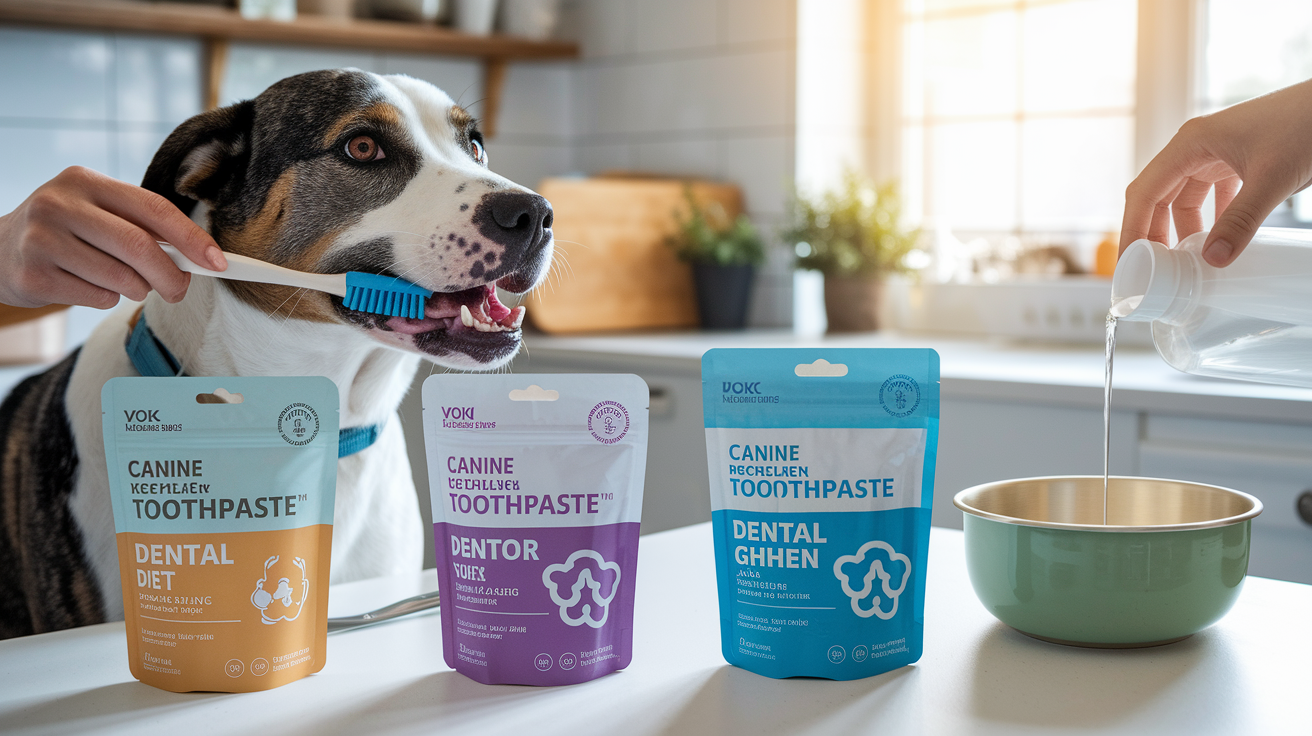
Brushing your dog’s teeth is the single most effective thing you can do at home. Aim for daily brushing when possible. At minimum, brush two to three times a week using a soft toothbrush or finger brush and canine toothpaste. Brushing disrupts plaque before it hardens into tartar. Spend about two to three minutes per session, focusing on the outside surfaces where buildup collects fastest. Start slowly if your dog isn’t used to it. Let them taste the toothpaste, touch the brush to their lips, then gradually work up to full brushing.
Dental chews and treats can reduce plaque when used daily, but they don’t replace brushing. Look for products that carry the Veterinary Oral Health Council (VOHC) seal, which means they’ve been tested and shown to reduce plaque or tartar. Dental diets are formulated with larger, coarser kibble that creates a gentle scrubbing action as your dog chews. Some include enzymes or coatings that help break down plaque. Water additives are added to your dog’s bowl daily in a measured dose. They work by altering the bacterial environment in the mouth, making it harder for plaque to stick.
Practical daily steps to add to your routine:
- Brush teeth with dog-safe toothpaste and a soft brush, ideally every day or at least three times per week
- Offer one VOHC-approved dental chew or treat per day as directed on the package
- Use a dental diet as your primary food, or mix it with your current kibble if your vet recommends it
- Add the correct dose of dental water additive to fresh water each morning
- Schedule annual or twice-yearly professional dental cleanings, depending on your dog’s age and oral health
Even with daily brushing, you can’t reach the subgingival areas where tartar and bacteria hide below the gumline. Regular professional exams and cleanings catch problems early, before extractions or advanced disease become necessary.
Safe vs Unsafe Remedies for Dog Bad Breath
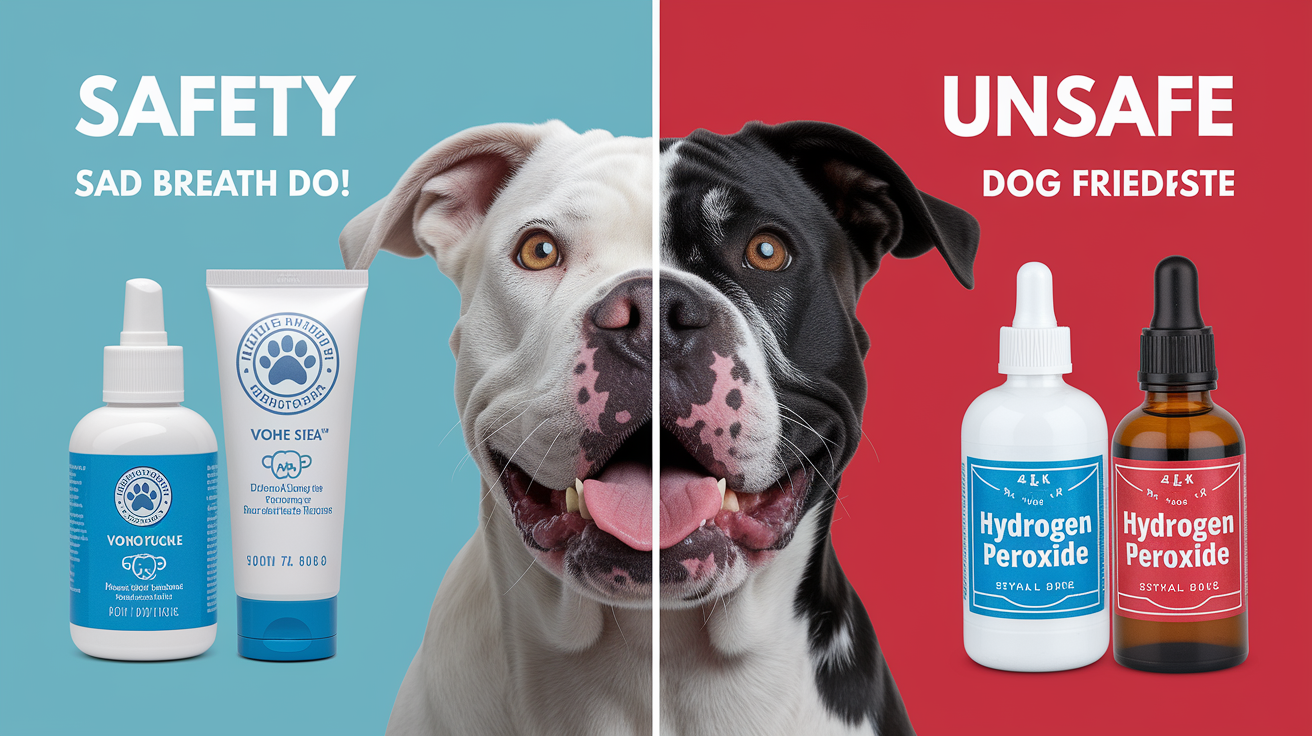
Canine toothpaste is formulated to be safe if swallowed and often contains enzymes that help break down plaque. Flavors like poultry or peanut butter make brushing more appealing. Human toothpaste is dangerous for dogs because it often contains xylitol, a sweetener that’s toxic and can cause liver failure and life-threatening drops in blood sugar. Even non-xylitol human pastes can contain fluoride or foaming agents that upset your dog’s stomach.
Hydrogen peroxide and alcohol-based mouthwashes burn oral tissues and cause vomiting if swallowed. Baking soda, though sometimes suggested, is very high in sodium and can be harmful in dogs with heart or kidney issues. Essential oils marketed for pets are risky unless veterinary-formulated. Many are irritating or toxic at the wrong concentration. Stick to products made specifically for dogs, with clear ingredient lists and dosing instructions.
Never use these products in or around your dog’s mouth:
- Human toothpaste, especially any variety containing xylitol
- Hydrogen peroxide rinses or gels, which damage tissue and cause nausea
- Alcohol-based mouthwashes or breath sprays intended for people
- Undiluted essential oils or home-mixed remedies without veterinary guidance
Final Words
in the action we covered why dogs get bad breath, mostly dental disease from plaque to tartar to gum disease, plus foreign objects and a few organ-related illnesses.
We ran through the common signs, when to see the vet, tests and treatments, and safe home care along with remedies to avoid.
Watch for changes over 48 hours like worsening odor, drooling, or appetite loss and get veterinary help if it’s steady or severe. Understanding dog bad breath causes helps you act with confidence and keep your dog’s mouth healthier.
FAQ
Q: How do you get rid of bad breath in dogs?
A: Getting rid of bad breath in dogs usually starts with daily brushing, VOHC-approved chews, and a professional dental cleaning if tartar or gum disease is present. Try home care 7-14 days and see a vet sooner for severe signs.
Q: Should I be worried if my dog has bad breath?
A: You should be worried if your dog’s bad breath is sudden, very strong, or lasts more than two weeks, or comes with poor appetite, vomiting, drooling, bleeding gums, or changes in drinking — call your vet promptly.
Q: What does dog kidney breath smell like?
A: Dog kidney breath smells like ammonia or stale urine, often sharp or metallic. If you see that with increased drinking, less peeing, lethargy, or vomiting, contact your vet right away.