

Think seasonal allergies are just a human problem? Not for dogs.
When your dog scratches, licks paws, or has red, watery eyes, you want fixes that work fast and last.
This post shows practical, vet-backed steps you can start today, like quick relief tips, home cleaning and air changes, supplements, and treatment options your vet may recommend.
Follow the simple plan to cut itching and help your dog feel like themselves again.
If your dog has severe pain, open sores, trouble breathing, or gets worse quickly, call your vet right away.
Immediate Relief Strategies for Seasonal Allergies in Dogs
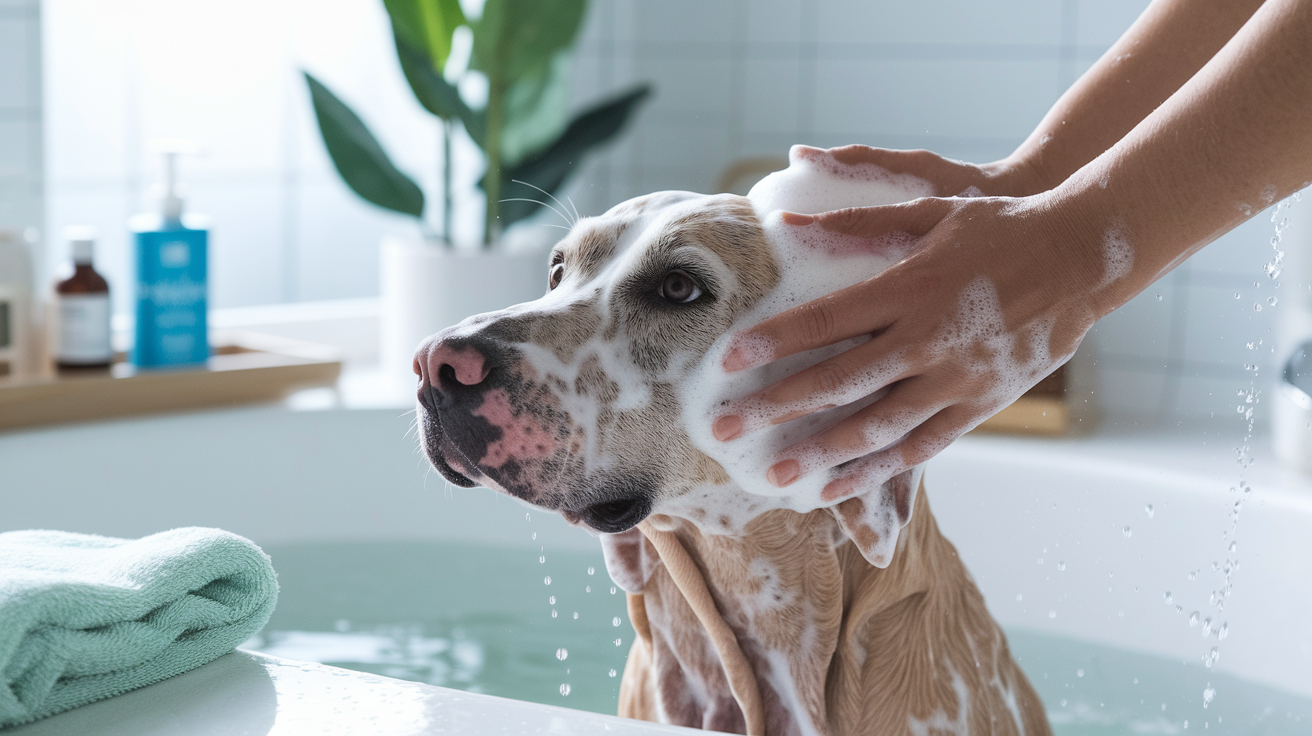
When your dog starts scratching relentlessly at two in the afternoon, you need something that works now. Seasonal allergies often hit fast, bringing itching, redness, watery eyes, and nonstop paw licking. The good news? You can start reducing discomfort today with a few simple steps that lower allergen exposure and calm irritated skin.
Most relief strategies focus on removing allergens from your dog’s coat and creating a cleaner indoor space. A lukewarm bath with a hypoallergenic or oatmeal based shampoo can wash away pollen that’s clinging to fur and skin. If your dog hates baths, a damp towel wipe down after outdoor time works surprisingly well, especially on the paws, belly, and face where pollen collects.
Indoor air quality matters more than most people realize. Running a HEPA air purifier in the room where your dog spends the most time helps trap airborne pollen and mold spores. Closing windows during high pollen hours, typically early morning and late afternoon, also keeps the indoor allergen load lower.
Here are five immediate actions you can take right now:
Wipe your dog’s paws, underbelly, and face with a damp cloth or pet safe wipe after every walk or outdoor play session. Give a lukewarm bath once or twice a week using a gentle, hypoallergenic shampoo to rinse away trapped pollen and soothe inflamed skin. Keep windows closed during peak pollen times and run a HEPA air purifier in your dog’s main living area. Wash your dog’s bedding weekly in hot water (at least 140°F if fabric allows) to remove accumulated allergens and dust mites. Limit outdoor time during high pollen days. Check local pollen forecasts and plan shorter walks when counts are lower.
Fast relief helps in the moment, but it won’t solve chronic or severe allergies. If your dog is still miserable after a few days of home care, or if you see open sores, frequent head shaking, or foul smelling ears, it’s time to call your veterinarian. Home strategies work best for mild flare ups and as part of a bigger plan that includes medical support when needed.
Recognizing Seasonal Allergy Symptoms
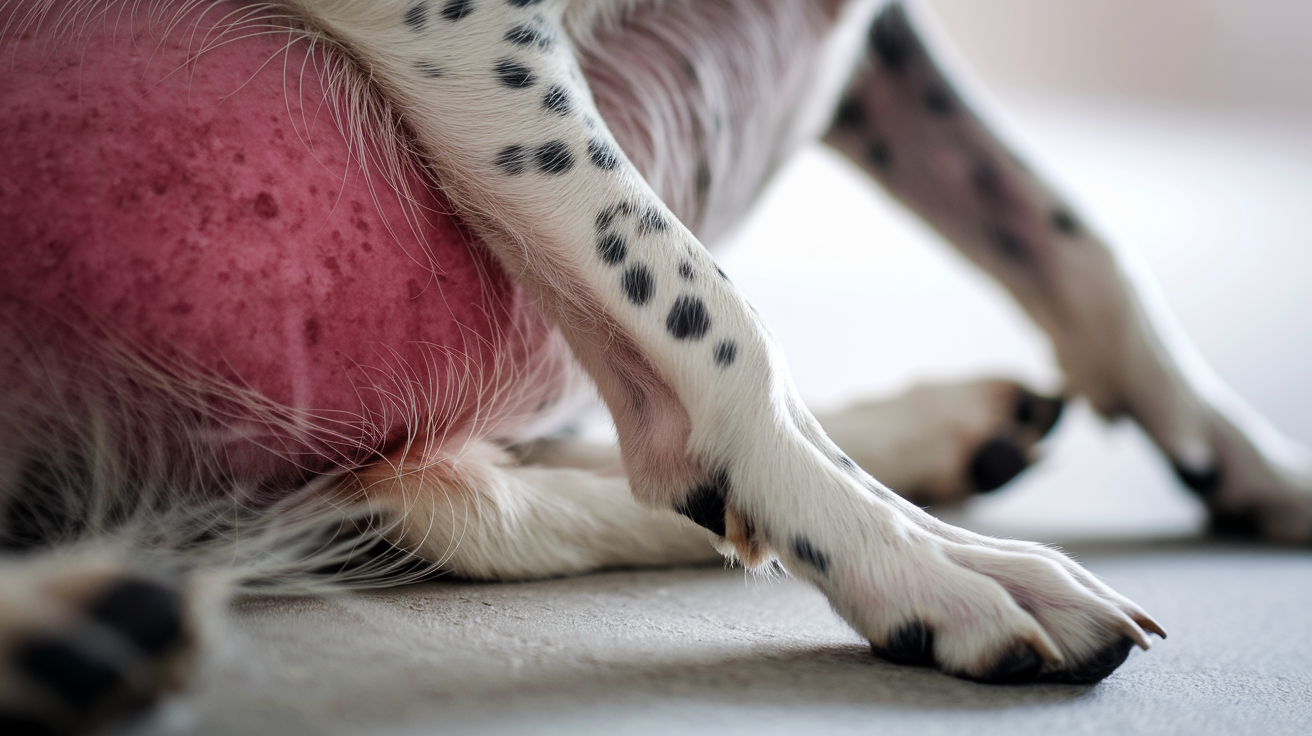
Catching allergy symptoms early gives you a head start on relief. Dogs don’t sneeze and sniffle the way people do. Most of their allergic reactions show up on the skin. You might notice your dog licking their paws constantly, scratching at their ears, or rubbing their face along the carpet. Red, inflamed skin often appears on the belly, armpits, between the toes, and around the eyes. Hair loss, dark saliva staining on the fur, and a yeasty or musty odor are all common signs that allergies have triggered a secondary skin or ear infection.
Seasonal patterns help you tell the difference between environmental allergies and other problems like food sensitivities or flea reactions. If symptoms flare up every spring or fall and ease off during winter or mid summer, you’re likely dealing with pollen or mold. Year round itching points more toward food allergies, dust mites, or flea allergy dermatitis. Watery eyes, reverse sneezing (a honking, gasping sound), and frequent paw chewing are telltale signs of inhaled allergens rather than contact irritants.
The most common symptom clusters include persistent scratching, licking, chewing, red or darkened patches, hair loss, thickened skin, hot spots, and moist or oozing lesions. Ear related signs show up as head shaking, ear scratching, foul odor, visible discharge, redness inside the ear flap. Facial and eye signs include watery or sticky eye discharge, pawing at the face, swollen or puffy eyelids. Respiratory signs like sneezing, reverse sneezing, occasional coughing are less common than skin symptoms but present in some dogs.
Common Environmental Triggers

Pollen is the biggest seasonal offender. Trees release pollen in early spring, grasses dominate late spring through mid summer, and weeds like ragweed take over in late summer and fall. Each plant type has its own timeline, which is why some dogs itch in March while others start scratching in September. Mold spores spike during damp, humid weather and after heavy rains, often overlapping with weed season in the fall.
Dogs pick up allergens outdoors and carry them inside on their coat, paws, and belly. A ten minute walk through a grassy park can load your dog’s fur with enough pollen to trigger hours of itching. Ocean breezes in coastal areas can carry pollen farther than you’d expect, and high humidity encourages mold growth both outdoors and inside homes. Dust mites and storage mites thrive year round in bedding, carpets, and upholstery, but they worsen allergy symptoms when combined with seasonal pollen exposure.
Regional differences matter. If you live in a warm climate, your dog may experience two or even three allergy seasons as different plants bloom throughout the year. In cooler regions, symptoms often disappear completely during winter when pollen counts drop to near zero. Tracking your dog’s symptoms alongside local pollen forecasts can help you identify which specific allergens are causing the most trouble.
Veterinary Treatment Options
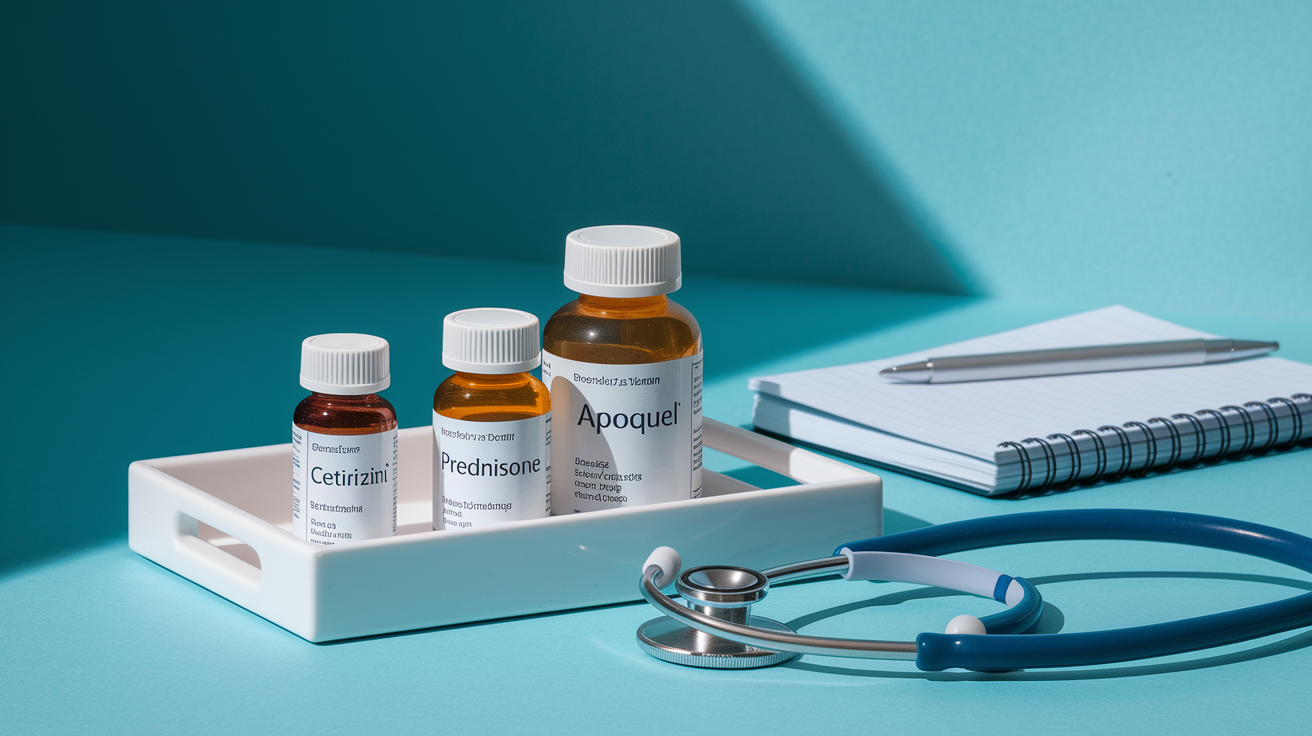
When home care isn’t enough, veterinarians have several prescription options that target itch and inflammation more effectively. Antihistamines like cetirizine or chlorpheniramine work for some dogs, but they only help about 20 to 30 percent of allergy cases. They’re worth trying because they’re low risk and inexpensive, but don’t expect them to solve moderate or severe itching on their own.
Corticosteroids like prednisone provide fast relief, often within hours, by suppressing the immune system and reducing inflammation. Vets use them for short term flare ups because long term steroid use carries risks, including increased thirst, weight gain, and potential immune suppression. Apoquel (oclacitinib) is a newer oral medication that blocks itch signals at the cellular level. It starts working within four hours and is typically dosed twice daily for the first two weeks, then once daily for maintenance. Cytopoint (lokivetmab) is an injectable biologic that targets a specific itch causing protein. One injection can provide relief for four to eight weeks, and it’s given at your vet’s office.
Cost and convenience vary. Apoquel requires daily pills and regular refills, while Cytopoint means a clinic visit every month or two. Both are generally safe for long term use, though your vet may recommend periodic bloodwork to monitor liver and kidney function, especially with Apoquel.
| Treatment Type | Typical Onset Time | Duration of Relief |
|---|---|---|
| Antihistamines | Days to weeks (variable response) | 4 to 12 hours per dose |
| Corticosteroids (prednisone) | Hours | Days (short courses only) |
| Apoquel (oclacitinib) | 4 hours | 24 hours per dose |
| Cytopoint (lokivetmab injection) | 24 to 48 hours | 4 to 8 weeks |
Environmental Management to Reduce Allergen Exposure
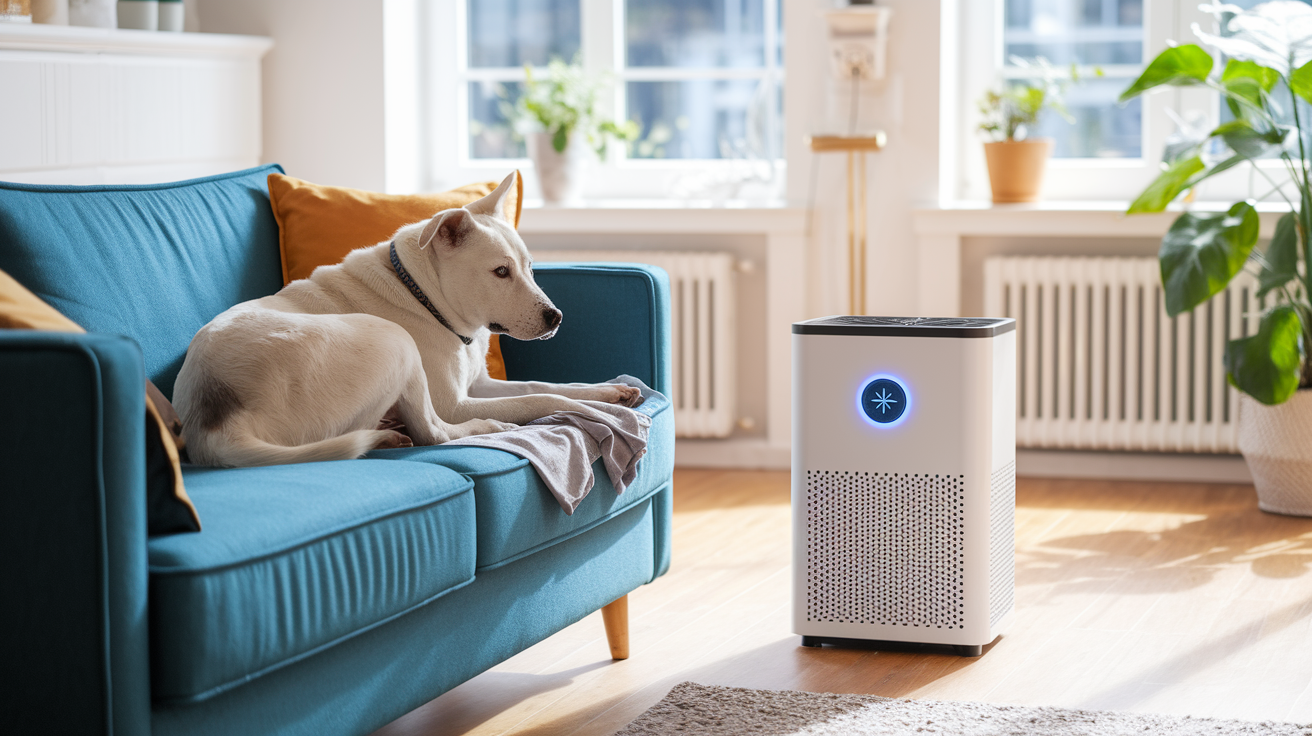
Cleaning routines make a bigger difference than most owners expect. Vacuuming two to three times a week with a HEPA filter vacuum pulls pollen, dust, and dander out of carpets and upholstery before your dog can roll in it. Wash your dog’s bedding weekly in hot water, at least 140°F if the fabric allows, or tumble dry on high for 30 to 60 minutes to kill dust mites. If your dog sleeps on your bed, wash those sheets weekly too.
Air quality control helps around the clock. A HEPA air purifier sized for the room traps airborne pollen and mold spores. Run it continuously during peak allergy season and keep windows closed, especially in the early morning and late afternoon when pollen counts are highest. If your home has forced air heating or cooling, replace filters regularly and consider upgrading to high efficiency filters that capture smaller particles.
Outdoor exposure management is simple but effective. Wipe your dog’s paws, belly, and face with a damp cloth or hypoallergenic pet wipe after every trip outside. This removes pollen before it spreads through your home. If possible, avoid walks during peak pollen times and choose paved paths over grassy fields during high count days.
Key home adjustments include running a HEPA air purifier in your dog’s main living area and keeping windows closed during high pollen periods. Vacuum carpets and furniture two to three times per week using a vacuum with a HEPA filter. Wash all pet bedding weekly in hot water or tumble dry on high heat for at least 30 minutes. Rinse or wipe your dog’s coat, paws, and underbelly after outdoor activity to remove clinging pollen and reduce indoor allergen load.
Dietary Support and Supplements
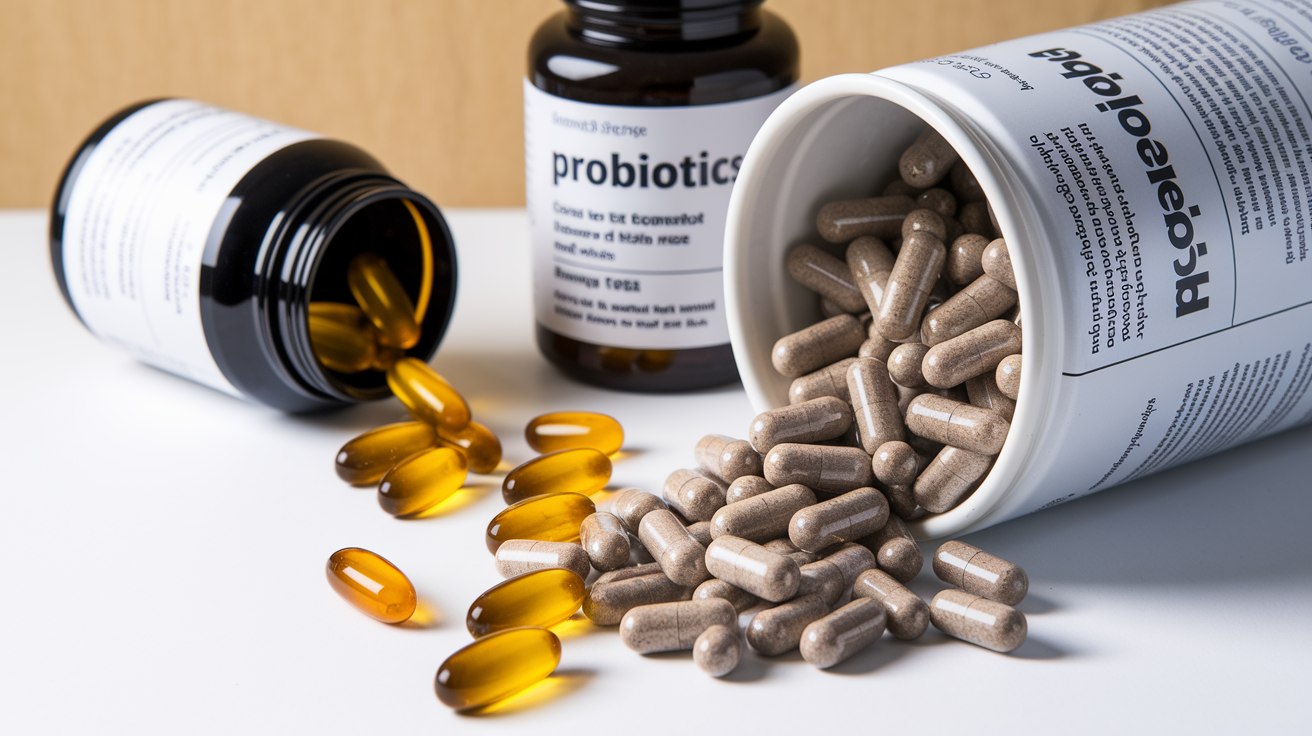
What your dog eats won’t cure seasonal allergies, but nutrition can reduce inflammation and support healthier skin. Omega 3 fatty acids, especially EPA and DHA from fish oil, have been shown to strengthen the skin barrier and calm allergic inflammation over time. Benefits usually appear after six to twelve weeks of consistent supplementation, so start early in the season or use them year round for dogs with recurring allergies. Follow your veterinarian’s dosing guidance, as amounts vary widely based on your dog’s weight and the product’s concentration.
Probiotics and limited ingredient diets may help if your dog has overlapping food sensitivities. Food allergies and environmental allergies often occur together, and an inflamed gut can worsen skin symptoms. An eight to twelve week elimination diet trial using a hypoallergenic or novel protein formula can help rule out dietary triggers. If symptoms improve during the trial and return when you reintroduce the old diet, food is playing a role.
Supplements and diet changes work slowly. They’re most effective as part of a multimodal approach that includes environmental control and, when needed, veterinary medications. Don’t expect fish oil alone to stop severe itching, but do expect it to reduce the overall inflammatory load and possibly allow you to use lower doses of medication over time.
Preventive Strategies for Future Allergy Seasons
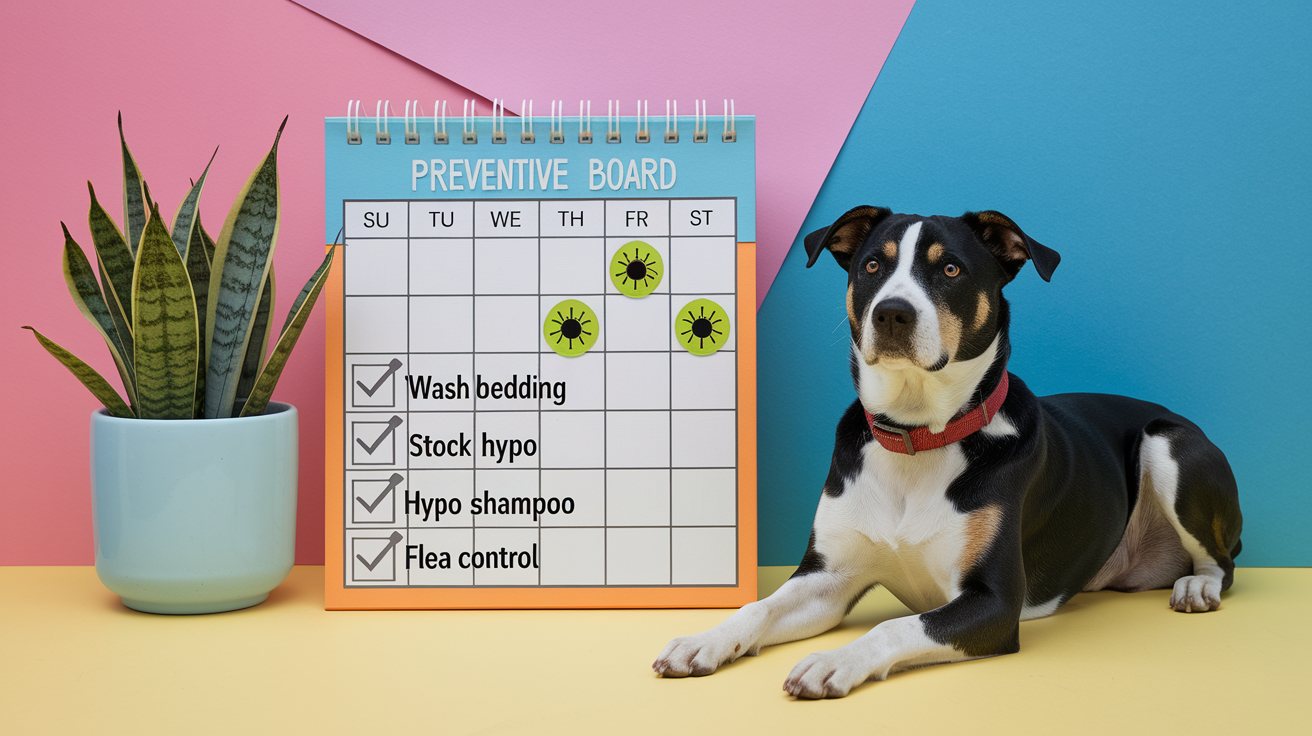
The best way to manage seasonal allergies is to start before symptoms appear. If your dog itches every spring, begin anti itch medication or allergy shots two to four weeks before the usual start date. This preemptive approach keeps inflammation from building up and often results in a milder, shorter allergy season. Continue treatment for at least one month after pollen counts drop to prevent rebound flare ups.
Environmental preparation matters just as much as medication. Deep clean your home before allergy season starts, wash all bedding, vacuum thoroughly, and check that your air purifier filters are fresh. Stock up on hypoallergenic shampoo and paw wipes so you’re ready to act the moment symptoms begin. Monitoring local pollen forecasts lets you plan outdoor activities on lower count days and increase cleaning routines on high count days.
Long term strategies include year round flea control, because flea allergy dermatitis can overlap with and worsen seasonal symptoms. Consistent grooming and regular bathing during peak months keep allergen levels low. If your dog has severe or prolonged allergy seasons, ask your vet about allergen specific immunotherapy, which can reduce sensitivity over one to three years and may lower your reliance on symptomatic medications.
Allergy Timelines: When to Expect Symptoms and Relief
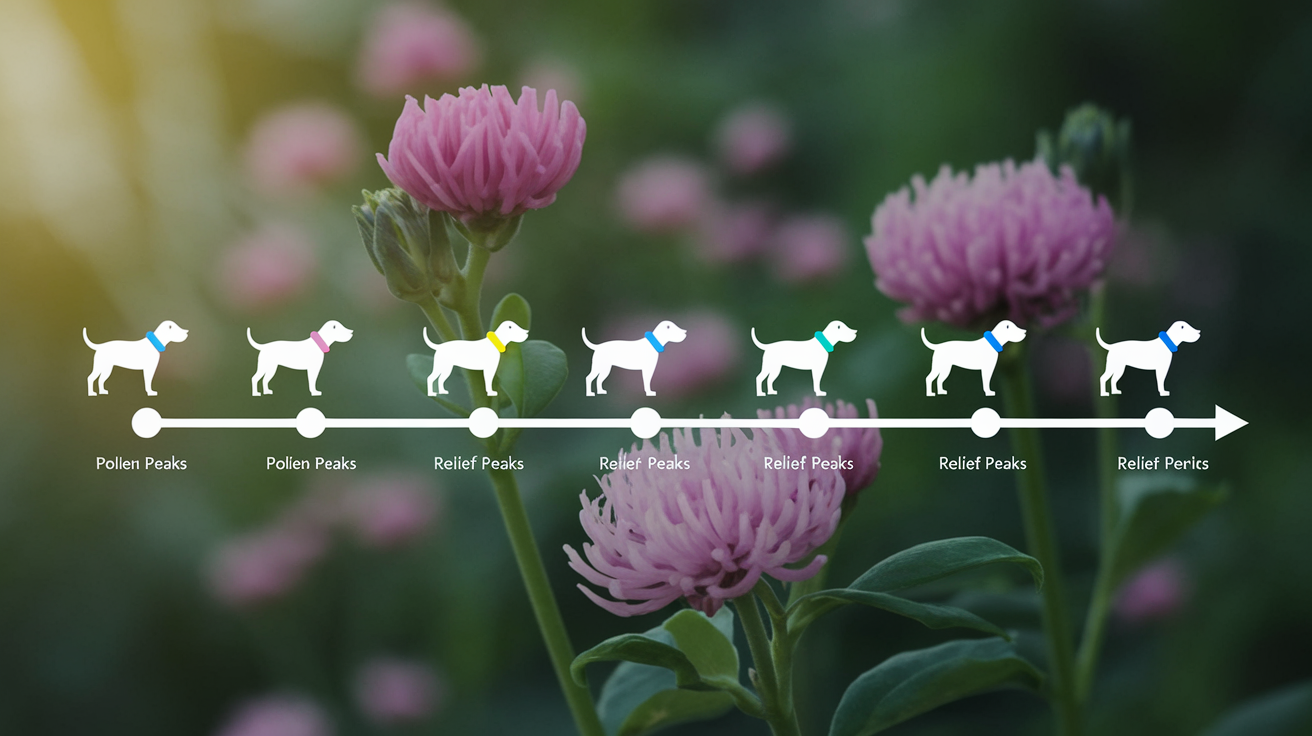
Allergy seasons vary by region and allergen type, but most dogs experience flare ups lasting several weeks to several months. Tree pollen dominates March through May, grass pollen peaks from May through August, and weed pollen spikes in late summer and fall, roughly August through October. Mold spores rise after rain and in damp conditions, often overlapping with late summer and fall weed seasons. If you live in a warm climate, your dog may face nearly year round exposure as different plants bloom in succession.
Treatment timelines depend on what you use. Corticosteroids and Apoquel can start working within hours, while Cytopoint injections typically provide noticeable relief within 24 to 48 hours. Antihistamines may take several days to show benefit, and omega 3 supplements require six to twelve weeks of daily use before you see improvement. Allergen specific immunotherapy is the slowest option. It often takes three to twelve months to notice a difference and one to three years to reach maximum effectiveness.
Symptoms usually begin within days to weeks of increased pollen exposure. Earliest signs include paw licking, ear scratching, and mild skin redness. Itching and secondary infections worsen if untreated. Peak discomfort often occurs two to four weeks into the season when allergen exposure is continuous. Fast acting medications provide comfort within hours to days. Environmental controls and supplements reduce symptoms over weeks to months. Immunotherapy offers long term disease modification after several months to years of treatment.
When to See a Veterinarian
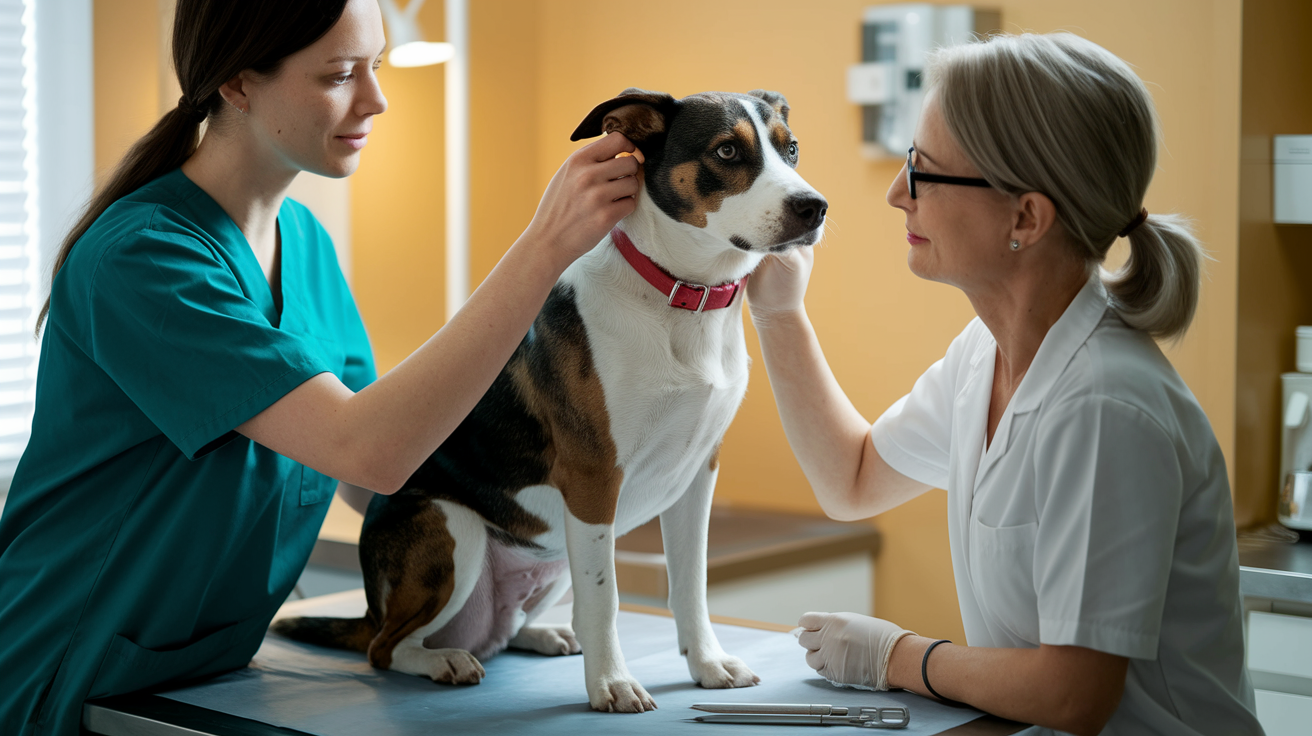
Home care works well for mild, occasional itching, but persistent or worsening symptoms need professional attention. If your dog has been scratching nonstop for more than 48 to 72 hours despite baths, paw wipes, and a clean environment, it’s time to call your vet. Open sores, bleeding skin, widespread hair loss, or a foul odor signal secondary bacterial or yeast infections that require prescription medications like antibiotics or antifungals.
Ear infections are another red flag. Frequent head shaking, constant ear scratching, visible discharge, or a strong yeasty smell mean the ear canal is inflamed or infected. Untreated ear infections can become chronic and painful, so schedule a vet visit as soon as you notice these signs. Respiratory symptoms like persistent coughing, labored breathing, or severe reverse sneezing also warrant immediate evaluation, as they can indicate airway inflammation or other underlying problems.
Emergency indicators that require urgent veterinary care include severe, relentless itching that doesn’t improve with any home measures, especially if your dog is losing sleep or injuring their skin from constant scratching. Open, oozing sores, hot spots, or rapidly spreading skin lesions suggest infection or severe inflammation. Signs of systemic illness such as fever, vomiting, lethargy, loss of appetite, or difficulty breathing may indicate a more serious condition beyond simple seasonal allergies.
Final Words
You have fast relief steps, clear signs to watch for, common triggers, vet treatment options, home fixes, diet ideas, and prevention tips.
Start with simple actions today: wipe paws, give a quick bath, run a HEPA filter, and note any changes for 48 hours. Call a vet if scratching keeps going, skin is broken, or breathing worsens.
These tools can make seasonal allergy control in dogs easier and more manageable. Small steps add up, and you can help your dog feel better.
FAQ
Q: What is the best remedy for seasonal allergies in dogs?
A: The best remedy for seasonal allergies in dogs often combines short-term relief like bathing, paw wipes, and vet-approved antihistamines with environmental steps; consult your vet to choose the safest, effective option for your dog.
Q: What are the worst months for dogs with allergies?
A: The worst months for dogs with allergies are usually spring and fall when tree, grass, and weed pollen peak, though timing varies by region; check local pollen forecasts and note your dog’s symptom patterns.
Q: Should I take my dog to the vet for seasonal allergies?
A: You should take your dog to the vet for seasonal allergies if symptoms persist, worsen, cause open sores, chronic ear infections, breathing trouble, or don’t improve after about 48 hours of reasonable home care.
Q: Does Zyrtec help dogs with seasonal allergies?
A: Zyrtec can help some dogs with seasonal allergies because cetirizine reduces histamine; always confirm the correct dose and safety with your vet before giving any human medication.