

Is that tiny scrape or the nightly paw licking something to worry about—or a trip to the vet?
Pet allergies can look like sneezes, red skin, nonstop scratching, or tummy upset; some you can watch for 24 to 72 hours, others need care now.
I’ll show the warning signs that mean call your vet now, the things safe to monitor, and short timeframes to guide you.
Plus simple checks to do today and the urgent red flags, like swelling or trouble breathing, that need immediate veterinary care.
Key Warning Signs That Signal It’s Time to See a Vet for Pet Allergies

Allergies in pets show up in all kinds of ways. Mild sneezing, raw bleeding skin, constant scratching. Some reactions you can watch at home for a day or two. Others need professional care now. Knowing the difference helps you decide whether to monitor, book an appointment, or drive straight to an emergency clinic.
The most common early signs include nonstop scratching, licking the same spot over and over, red patches on skin, thinning hair, scabs around the neck or tail, head shaking, ears that smell off, watery eyes, runny nose, and stomach issues. Any of these might mean allergies. But they can also point to infections, parasites, or autoimmune problems. The longer they stick around, the bigger the risk of complications.
Signs that need veterinary evaluation:
- Scratching or chewing that’s constant, focused on one area, or intense enough to break skin or rip out fur.
- Paw licking or chewing multiple times a day, especially at night, leaving pads red, swollen, or stained.
- Red, inflamed, or crusty skin, especially on the belly, groin, armpits, ears, or face.
- Hair loss, bald spots, or thinning fur that isn’t normal shedding.
- Head shaking, ear scratching, foul ear smell, dark waxy buildup, or swelling inside the ear flap.
- Vomiting or diarrhea that keeps coming back, especially after eating the same food for weeks.
- Watery or sticky eye discharge, squinting, redness around the eyes, or rubbing the face on furniture.
- Small raised bumps, hives, or sudden swelling anywhere on the body, particularly the face, muzzle, ears, or eyelids.
- Open sores, hot spots, oozing wounds, pus, scabs that won’t heal, or skin that smells yeasty or infected.
- Breathing changes like wheezing, coughing, fast or shallow breaths, open mouth breathing in cats, or blue tinged gums or tongue.
Determining Severity: How to Tell Mild Allergy Symptoms From Serious Ones
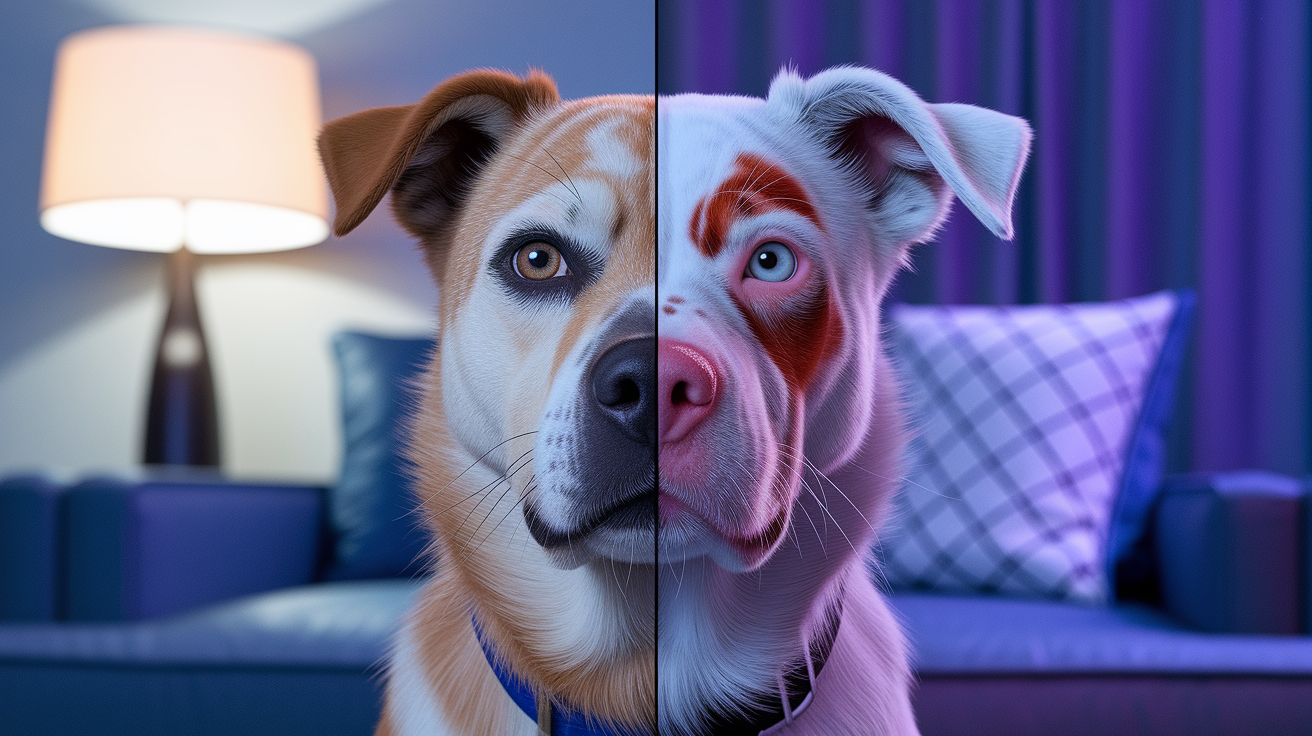
A few scratches after walking through tall grass isn’t the same as waking up every hour to chew paws. The difference isn’t always what you see. It’s how long it lasts, how often it happens, and whether it’s getting worse.
Mild reactions are short and don’t mess with normal life. Your pet eats, plays, sleeps, acts like themselves. The itching or sneezing might flare for a few hours, then settle down. Serious reactions last longer than two or three days, keep coming back, or spread to new spots. When scratching turns into raw skin, or the occasional head shake turns into constant ear digging with a smell, the allergy’s crossed into territory that needs attention.
Watch behavior changes too. A dog who used to sleep through the night but now paces and licks until dawn is telling you something hurts or itches badly. Cats who hide more, stop grooming, or turn away from favorite foods may be dealing with pain or nausea tied to allergies. Weight loss, poor appetite, lethargy, or sudden aggression when you touch certain areas are all signs the problem’s moved past mild.
Monitoring Timeframes: How Long to Observe Allergy Symptoms Before Contacting a Vet

If symptoms are mild, brief, and your pet’s otherwise bright and healthy, you can monitor at home for 24 to 72 hours. Keep an eye on how often it happens, how intense it gets, and whether things are staying the same or escalating. If they fade on their own, great. If they stick around or get worse, time to call.
Persistent issues deserve a vet visit once they pass the three day mark, even if they seem minor. The longer inflammation and itching go on, the higher the chance of secondary infection, skin damage, or chronic discomfort.
Timeframes for veterinary care:
- Immediate or same day emergency care: facial swelling, tongue swelling, difficulty breathing, collapse, seizures, uncontrolled vomiting or diarrhea with signs of dehydration like dry gums, sunken eyes, weakness.
- Same day or next day vet visit: constant ear scratching with head shaking, yellow or green eye discharge, vomiting or diarrhea lasting more than 24 hours, large spreading bald patches, open bleeding sores, or refusal to eat for more than a day.
- Scheduled appointment within a few days: scratching or licking that goes beyond 72 hours, recurring ear infections, skin redness that isn’t improving, mild eye or nose discharge that won’t clear up, or any symptom that’s messing with sleep, play, or normal routine.
- Monitor at home for 24 to 72 hours: occasional mild itching, brief sneezing after being outside, light paw licking after a bath, minor seasonal redness with no open wounds or behavior changes.
- Stop monitoring and see the vet if: symptoms worsen at any point, new signs appear like vomiting, lethargy, loss of appetite, or if you see pus, blood, foul odor, or your pet’s clearly in pain.
Emergency Allergy Situations in Pets That Require Immediate Veterinary Care
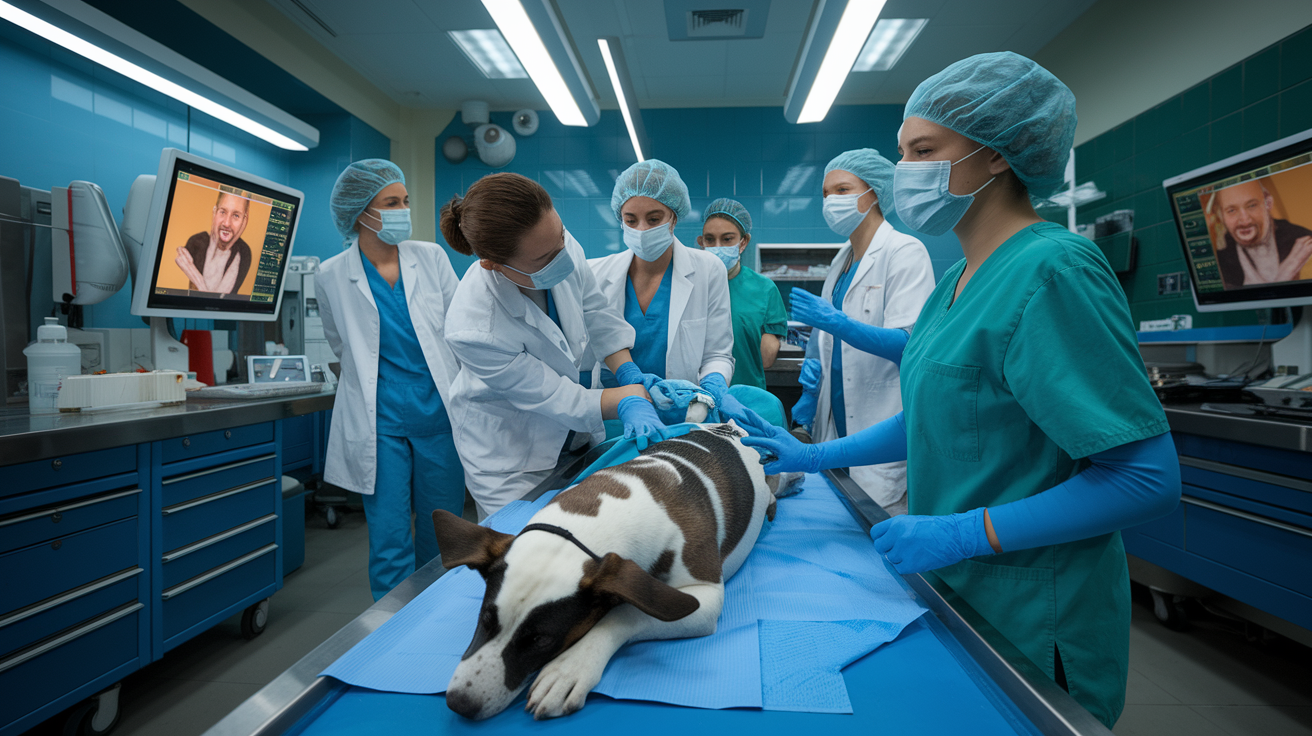
True allergic emergencies are rare. But when they happen, they can be life threatening. These reactions involve the whole body and can cause shock, airway blockage, or circulatory collapse. Minutes matter.
Critical emergency signs requiring immediate care:
- Sudden swelling of the face, muzzle, throat, or tongue that appears fast and keeps growing.
- Difficulty breathing, including gasping, choking sounds, blue or pale gums, extended neck, or panicked open mouth breathing.
- Collapse, loss of consciousness, or inability to stand or walk.
- Severe widespread hives that cover large areas of the body and show up within minutes to hours of exposure.
- Repeated vomiting combined with weakness, drooling, or disorientation.
- Diarrhea with blood, extreme lethargy, or signs of shock like cold limbs, rapid weak pulse, pale gums.
- Seizures or tremors that start suddenly after exposure to a new food, medication, or insect sting.
- Sudden extreme agitation, pacing, vocalization, or distress with no clear cause and worsening within minutes.
If you see any of these, don’t wait. Call your vet or an emergency clinic right away and let them know you’re coming. Keep your pet calm, don’t give food, water, or any medication unless they tell you to, and drive safely.
Potential Complications of Untreated Pet Allergies and Why Veterinary Care Matters

When allergies go untreated, the itching and inflammation don’t just stay the same. They get worse and invite new problems. Constant scratching breaks the skin’s protective barrier, letting bacteria and yeast move in. What started as mild redness can turn into hot spots, painful infected sores that spread fast and need antibiotics or medicated baths to heal.
Ear infections are another common complication. Allergic inflammation inside the ear canal creates a warm, moist spot where yeast and bacteria thrive. Untreated ear infections can lead to ruptured eardrums, chronic pain, head tilting, balance issues, and permanent hearing loss. Pets who shake their heads violently can also develop ear hematomas, painful blood filled pockets in the ear flap that often need surgical drainage.
Digestive symptoms from food allergies can cause dehydration, electrolyte imbalances, and weight loss over time. Chronic vomiting and diarrhea stress the digestive system and can lead to malnutrition, even if your pet’s eating. Left unchecked, allergies also take a toll on quality of life. Pets who can’t sleep, play, or relax because of constant itching become anxious, irritable, and withdrawn. Early veterinary care stops the cycle before it becomes chronic.
How Vets Diagnose Allergies: Tests and Procedures You Can Expect

Diagnosing allergies isn’t a one test process. Your vet will start with a full history and physical exam, looking at your pet’s skin, ears, eyes, coat, and overall condition. They’ll ask about diet, environment, seasonality, grooming products, and any recent changes at home.
Physical Exam and History Review
The exam includes checking for parasites, infections, and other causes that mimic allergies. Your vet will look for patterns, like symptoms that flare in spring or after eating certain foods. They may use an otoscope to examine ear canals, check skin texture and moisture, and note any odor, discharge, or wounds.
Skin and Ear Cytology
Cytology involves taking a sample from the skin or ear and looking at it under a microscope. It’s quick, non invasive, and helps identify bacteria, yeast, or inflammatory cells. If infection’s present, cytology guides treatment choices. Skin scrapings may also be done to rule out mites or mange.
Allergy Testing: Blood and Intradermal Methods
If environmental allergies are suspected, your vet may recommend serum IgE testing, a blood test, or intradermal skin testing where small injections of allergens go under the skin to see which cause reactions. Both tests help identify specific triggers like pollen, mold, dust mites, or grasses. Results guide long term management and immunotherapy options.
Food Elimination Trials
Food allergies are diagnosed by feeding a strict elimination diet for 8 to 12 weeks. The diet uses a novel protein, one your pet’s never eaten, or a hydrolyzed protein that’s broken down so the immune system doesn’t recognize it. If symptoms improve, your vet will reintroduce the old diet to confirm the allergy. Food trials require patience and strict compliance. No treats, table scraps, or flavored medications during the trial period.
Medical Treatment Options for Pet Allergies and When Home Remedies Aren’t Enough

Veterinary treatments for allergies range from topical therapies to long term immune management. The right approach depends on the type of allergy, severity, and how your pet responds.
Mild cases may respond to medicated shampoos, ear cleaners, and environmental changes. More serious or chronic allergies often need prescription medications, immunotherapy, or a combination approach.
Common veterinary treatments for pet allergies:
- Medicated shampoos and topical sprays to reduce inflammation, remove allergens from the coat, and treat secondary infections.
- Antihistamines for mild environmental allergies, though they work better in some pets than others.
- Corticosteroids like prednisone or dexamethasone for short term relief of severe itching and inflammation, used cautiously due to side effects with long term use.
- Oclacitinib, known as Apoquel, to block itch signals at the immune level. Effective for many dogs with environmental allergies.
- Cyclosporine, sold as Atopica, to suppress immune overreaction in chronic allergic dermatitis.
- Monoclonal antibody injections like Cytopoint for dogs or Solensia for cats to neutralize itch causing proteins, given every 4 to 8 weeks.
- Allergy immunotherapy, either shots or oral drops, to gradually desensitize the immune system to specific environmental allergens based on test results.
- Antibiotics or antifungals to treat secondary bacterial or yeast infections that develop from prolonged scratching and skin damage.
Home remedies like oatmeal baths, paw wipes, or over the counter creams can help with very mild, short term itching. But if symptoms persist beyond 48 to 72 hours, worsen, or if you see signs of infection, pain, or systemic illness, stop the home treatments and see your vet. Some human medications, including certain antihistamines and topical creams, are toxic to pets. Always confirm safety and dosing with your vet before giving anything.
At Home Allergy Management: Practical Prevention and Daily Support

Even with veterinary treatment, daily habits at home can reduce flare ups and keep allergen exposure low. Small, consistent steps make a big difference over time.
Regular cleaning removes pollen, dust, and mold from your pet’s environment. Wash bedding weekly in hot water, vacuum carpets and furniture with a HEPA filter vacuum, and consider an air purifier in rooms where your pet spends the most time. Wipe paws and coat with a damp cloth or pet safe wipes after outdoor walks to remove pollen and grasses before they spread through the house.
Practical at home allergy support:
Bathe your pet with vet approved hypoallergenic or medicated shampoo once or twice a week during allergy season. Brush regularly to remove loose fur, dander, and trapped allergens. Use dust mite proof covers on pet beds and wash all fabric toys frequently. Keep windows closed during high pollen days and run air conditioning with clean filters. Maintain year round flea prevention, even if you don’t see fleas. Flea allergy dermatitis can flare from a single bite. Track symptoms in a journal or phone app. Note dates, weather, diet changes, and activity to spot patterns. Stick to the same food unless directed to change by your vet. Sudden diet changes can trigger or worsen food sensitivities.
These steps won’t cure allergies, but they reduce the allergen load and can make medical treatments work better. If home measures don’t improve symptoms within a few days, or if your pet’s condition worsens, it’s time to involve your vet.
Preparing for a Veterinary Allergy Appointment and What to Ask

A well prepared appointment saves time and helps your vet pinpoint the cause faster. Bring a written or digital symptom log that includes when signs started, how often they happen, and any patterns you’ve noticed. Note recent diet changes, new treats, grooming products, cleaning supplies, or household changes like new furniture or plants.
Take photos of flare ups, especially if symptoms come and go. Pictures of skin redness, ear discharge, or hairless patches give your vet a clear view of what’s happening between visits. Bring a list of current medications, supplements, and flea preventatives, including brand names and doses.
Questions to ask your vet during an allergy appointment:
- What type of allergy do you suspect, and how can we confirm it?
- What tests do you recommend, and what will each one tell us?
- How long will it take to see results from treatment or diet changes?
- Are there side effects or risks with the medications you’re recommending?
- What should I watch for at home, and when should I call you back?
- Do you recommend allergy testing or immunotherapy for long term management?
Final Words
If your pet shows anything from mild scratching to sudden collapse, use this guide to triage what’s routine, urgent, or an emergency.
We covered warning signs, how to spot worsening patterns, safe monitoring windows, true emergency reactions, tests vets use, treatment options, and simple at‑home steps.
If you’re still unsure, follow the monitoring timeframes and the red‑flag list, and call your clinic. Knowing when to see a vet for pet allergies helps you act quickly and with confidence.
FAQ
Q: When should I take my dog to the vet for allergies?
A: You should take your dog to the vet for allergies when symptoms worsen, affect eating or breathing, cause open sores, or persist beyond 48–72 hours. The 3‑day rule means seek care if no improvement after about 72 hours.
Q: What is the 3 day rule for allergies?
A: The 3‑day rule for allergies means watch mild signs for roughly 48–72 hours; if they don’t improve, get veterinary advice sooner for worsening or any emergency signs like trouble breathing or collapse.
Q: What are the first signs of pet allergies?
A: The first signs of pet allergies are persistent itching, frequent paw licking, red or smelly ears, sneezing or watery eyes, small skin bumps, and occasional vomiting or soft stools.
Q: What is the average cost of a dog allergy test?
A: The average cost of a dog allergy test often ranges from about $100–$500: blood tests usually $100–$300, intradermal skin testing commonly $200–$500, not counting office visits or treatment costs.