

Is your dog licking its paws non-stop and you can’t figure out why?
Maybe it’s pollen, a food reaction, indoor dust, or something it stepped on.
Here’s the short truth: patterns—when it happens, where, and what else you see—usually point to the cause.
This post walks through clear clues that separate seasonal environmental allergies, year-round indoor triggers, food-related problems, and contact irritants.
I’ll give easy checks to try today, what to watch for over the next 48 hours, and the signs that mean call your vet right away.
Quick Patterns to Identify Which Allergy Is Causing Paw Licking
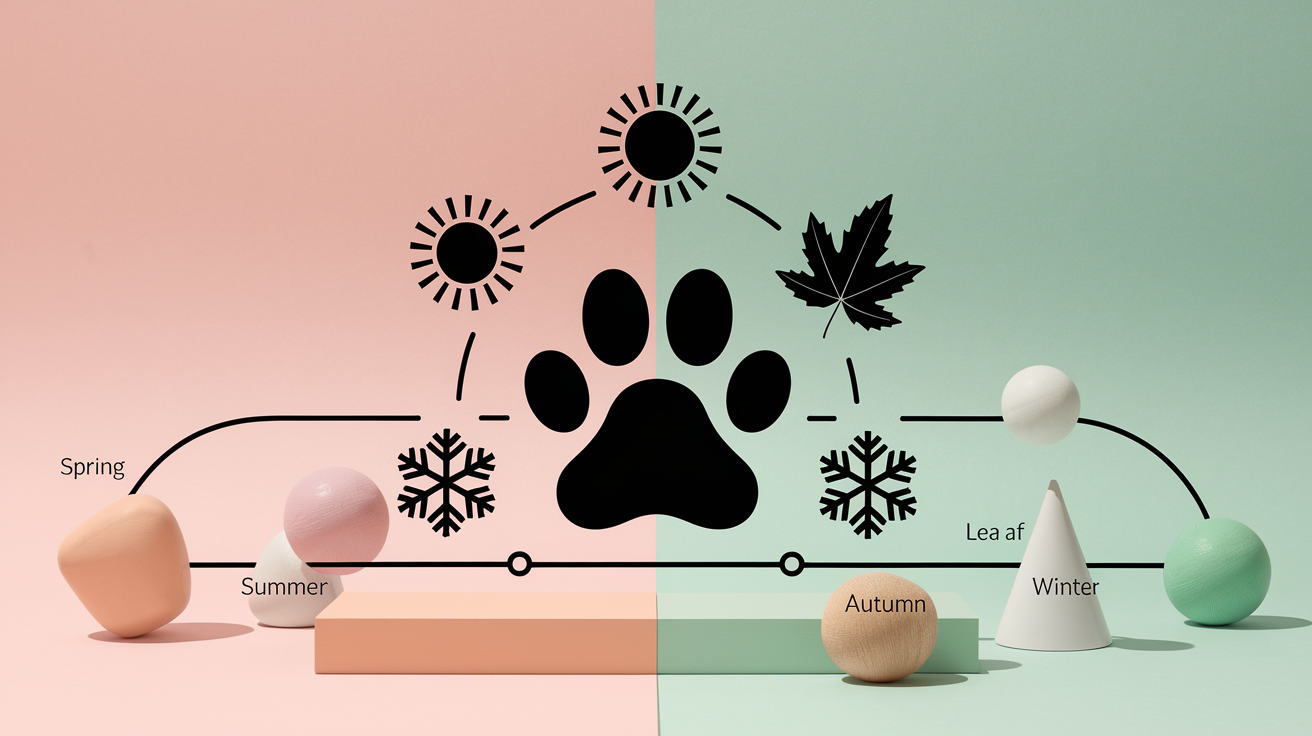
When your dog can’t stop licking its paws, pay attention to when it happens. If the licking gets worse in late spring or summer, especially after you walk through grass or parks, you’re probably dealing with seasonal environmental allergies. Pollen and mold stick to paw pads and fur. Within an hour your dog starts licking. If it’s happening all year with no seasonal pattern, think about indoor stuff like dust, dust mites, or cleaner residue on your floors.
Food allergies don’t usually show up alone. You’ll see paw licking plus stomach trouble like gas, soft stool, or diarrhea that started a few days after switching kibble or treats. Food allergy licking tends to be constant and ongoing, not a sudden overnight thing. If your dog’s skin looked fine yesterday and all four paws are red and licked raw this morning after a walk where lawns got freshly treated, you’re probably looking at contact dermatitis from lawn chemicals or de-icing salt.
Contact allergies hit fast. Your dog steps on something irritating, the paw pads react within minutes to a few hours, and the licking begins. You’ll often see all four paws affected equally. Environmental allergies might show more licking on the front paws, where pollen clings after lying down. One paw being licked nonstop with no matching irritation on the others points more toward a localized injury or sting than allergy.
Key pattern clues:
- Licking peaks in spring/summer and calms in winter: environmental pollen or grass allergy.
- Licking begins within 30 minutes of coming inside from a walk: pollen, mold, or contact irritant.
- Year round licking with no seasonal change: indoor dust, dust mites, or food allergy.
- Stomach trouble (gas, soft stool) plus paw licking: possible food allergy.
- Sudden onset after exposure to fresh lawn treatment, new floor cleaner, or road salt: contact dermatitis.
- All four paws equally red and licked: contact irritant or widespread environmental exposure.
Identifying Paw Licking Symptoms That Suggest Allergies
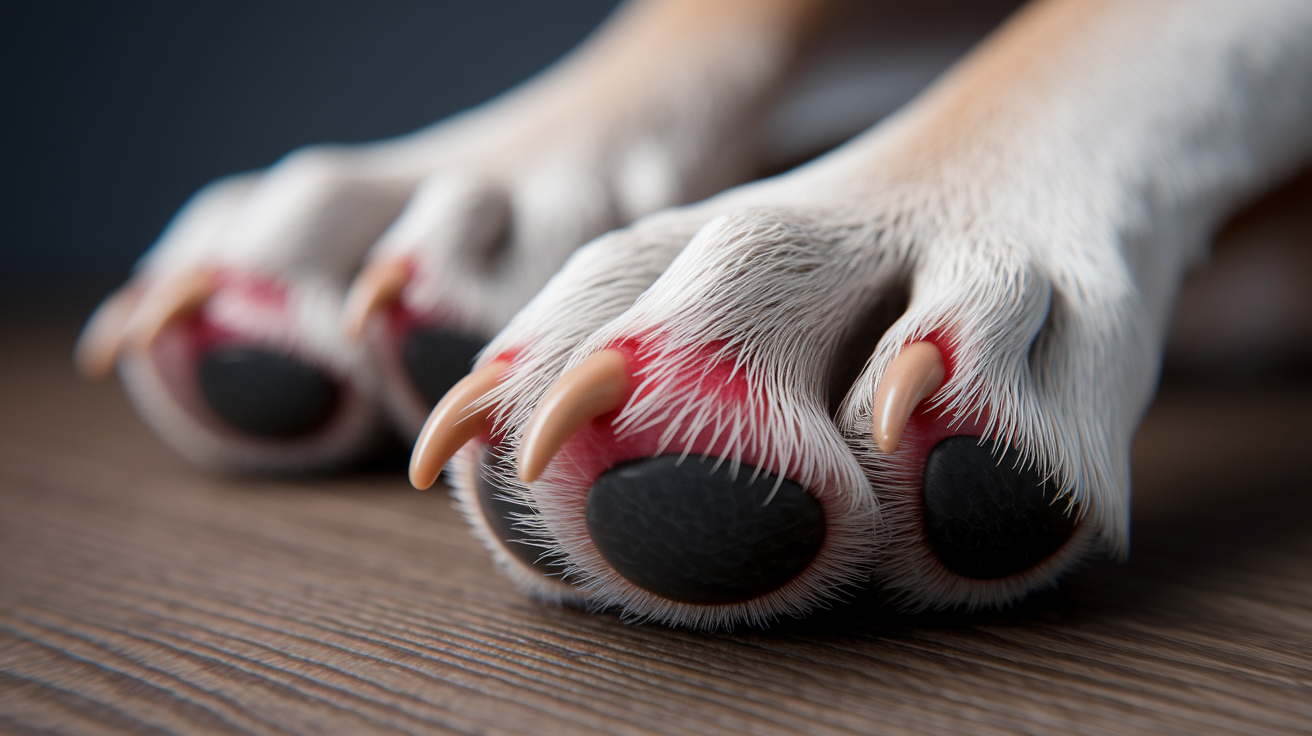
Allergic paw licking leaves visible marks on the skin. Look for reddened, inflamed skin between the toes and around the paw pads. There’s usually a rusty brown stain on light colored fur (saliva deposits iron when it dries), and small crusts or scabs where licking has broken the skin. Allergic skin often thickens over time and can look dark gray or almost leathery. You might also notice a faint yeasty smell, especially between the toes, because chronic moisture from licking invites yeast overgrowth.
Timing matters. Allergic licking often spikes after outdoor time, particularly in spring and summer when tree and grass pollens peak. If your dog comes inside and heads straight for its paws, that’s a strong environmental signal. Allergies typically affect more than one paw, often all four. Pain from an injury or thorn usually causes focused licking on a single paw. Behavioral licking driven by anxiety can look similar to allergies, but it usually starts when the dog is bored or stressed at home and doesn’t line up with outdoor exposure or seasonal changes.
Five symptoms that point to allergies rather than injury or behavior:
- Redness and inflammation visible on multiple paws, not just one spot.
- Brown saliva staining between the toes and on the fur around the paw.
- Crusts, scabs, or raw moist patches from repeated licking.
- Thickened, darkened, or leathery skin in licked areas after weeks of licking.
- Yeasty or musty odor near the paws, a sign of secondary yeast infection from constant moisture.
Environmental Allergy Causes for Dog Paw Licking
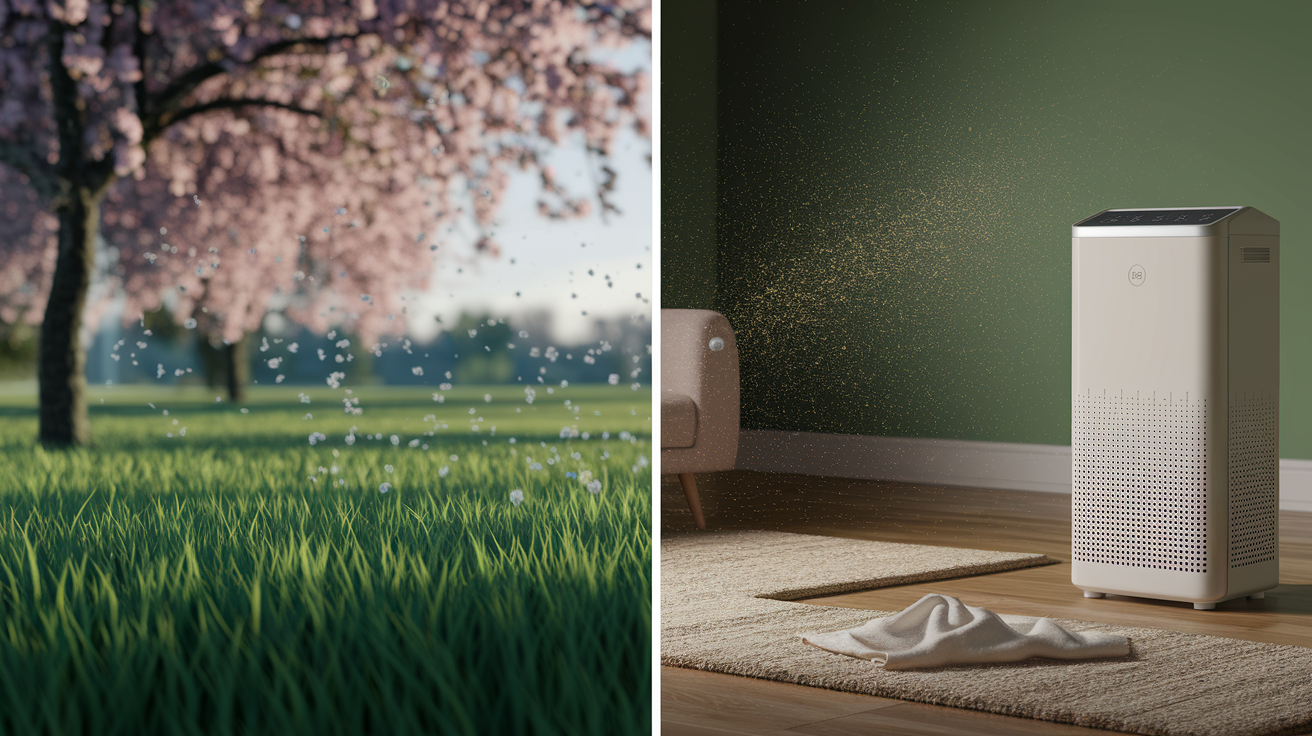
Environmental allergens are airborne or surface particles that stick to your dog’s paws and coat during walks or outdoor play. The most common culprits are tree and grass pollens, outdoor mold spores, household dust, and dust mites. Pollen levels surge in spring and summer, so if licking suddenly worsens in April or May and improves by fall, pollen is the likely trigger. Dogs with environmental allergies inhale some allergens, but a large dose lands directly on paw pads, especially after lying in grass or digging in dirt.
Indoor allergens work year round. Dust mites live in carpets, bedding, and upholstered furniture. Household dust collects pollen tracked indoors, skin flakes, and mold fragments. Dogs that lick paws constantly in winter, when outdoor pollen is low, could be reacting to indoor dust or cleaning products left on floors. Mold grows in damp spaces like basements, bathrooms, and around leaky windows. If your home has high humidity or visible mold, airborne mold spores can settle on your dog’s fur and paws.
Wiping paws right after outdoor time removes a lot of stuck on pollen and mold before your dog starts licking. Use an unscented baby wipe or damp cloth and gently clean between each toe and across the pads. Regular vacuuming with a HEPA filter and washing your dog’s bedding weekly also cut down on indoor allergen buildup.
| Allergen | Source | Common Symptom Pattern |
|---|---|---|
| Tree and grass pollen | Outdoor; peaks spring and summer | Licking spikes after walks; seasonal flare-ups |
| Household dust and dust mites | Indoor; carpets, bedding, furniture | Year-round licking; worse in poorly ventilated rooms |
| Mold spores | Outdoor (damp soil, leaf piles) and indoor (basements, bathrooms) | Licking increases in humid or damp conditions; no strict season |
Food Allergy Triggers That Lead to Paw Licking
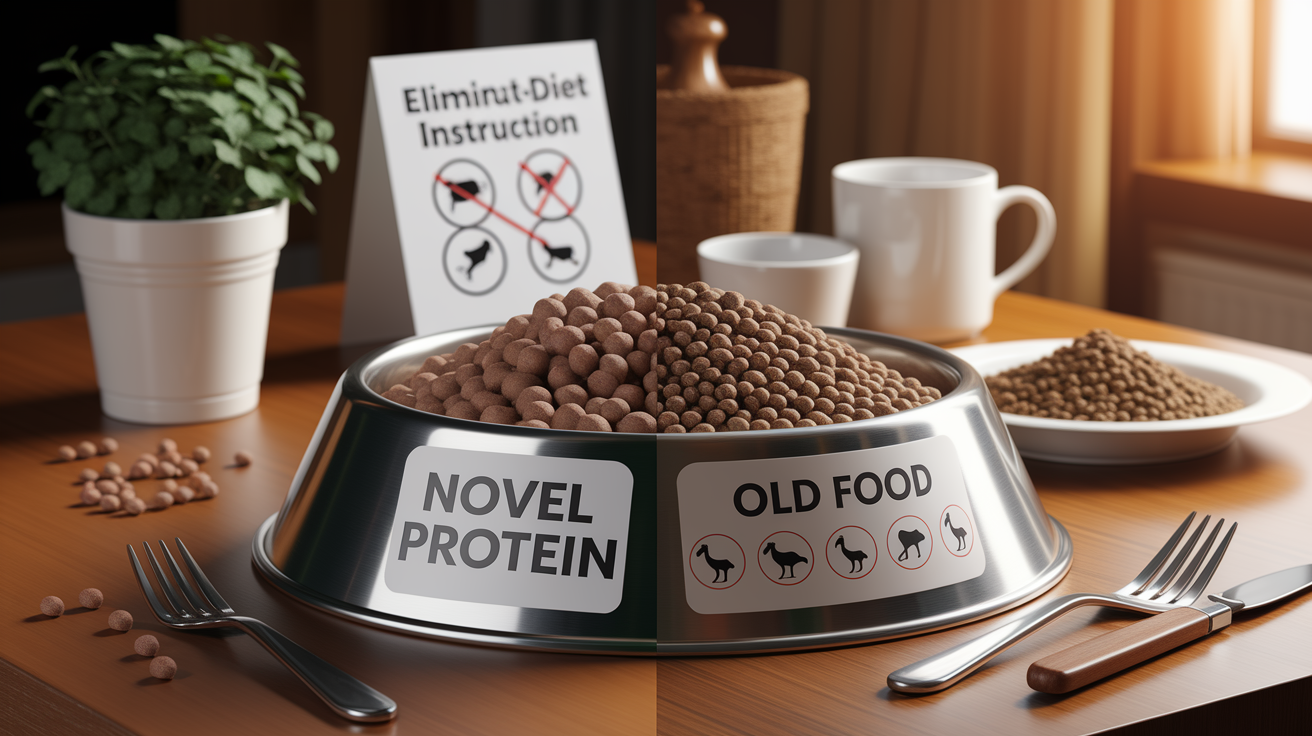
Food allergies develop when your dog’s immune system treats a dietary protein as a threat. The most common food allergens in dogs are beef, dairy, chicken, wheat, and corn. Unlike environmental allergies that flare seasonally, food allergies cause steady, year round symptoms. Paw licking often appears alongside stomach issues like gas, soft stool, diarrhea, or an itchy rear end. If your dog started licking paws within a few days of switching to a new food or treat, food allergy is worth investigating.
Food allergy licking usually affects multiple paws and can also involve the face, ears, belly, and base of the tail. The skin between the toes can become red, moist, and infected from constant licking. Because many dogs eat the same protein for years before developing an allergy, simply feeding “the same food forever” doesn’t rule out food allergy. The only reliable way to confirm or rule out a food trigger is an elimination diet trial.
An elimination diet involves feeding a single novel protein (a meat your dog has never eaten, such as venison, duck, or kangaroo) or a hydrolyzed protein diet (where proteins are broken into pieces too small to trigger immune reactions) for eight to twelve weeks. During the trial, you remove all other foods, treats, flavored medications, and table scraps. If paw licking improves or stops, you slowly reintroduce old foods one at a time to identify the specific trigger. Your vet can recommend appropriate trial diets and guide you through the process.
Five steps for a successful elimination diet trial:
- Choose a novel protein your dog has never eaten, or use a prescription hydrolyzed diet.
- Feed only that diet for eight to twelve weeks with no treats, table food, or flavored supplements.
- Track paw licking frequency and intensity weekly to spot improvement.
- If licking stops or improves significantly, reintroduce old foods one ingredient at a time, waiting two weeks between each addition.
- If licking flares after reintroducing a food, you’ve identified the allergen and can avoid it long term.
Contact Dermatitis and Irritant Causes of Paw Licking
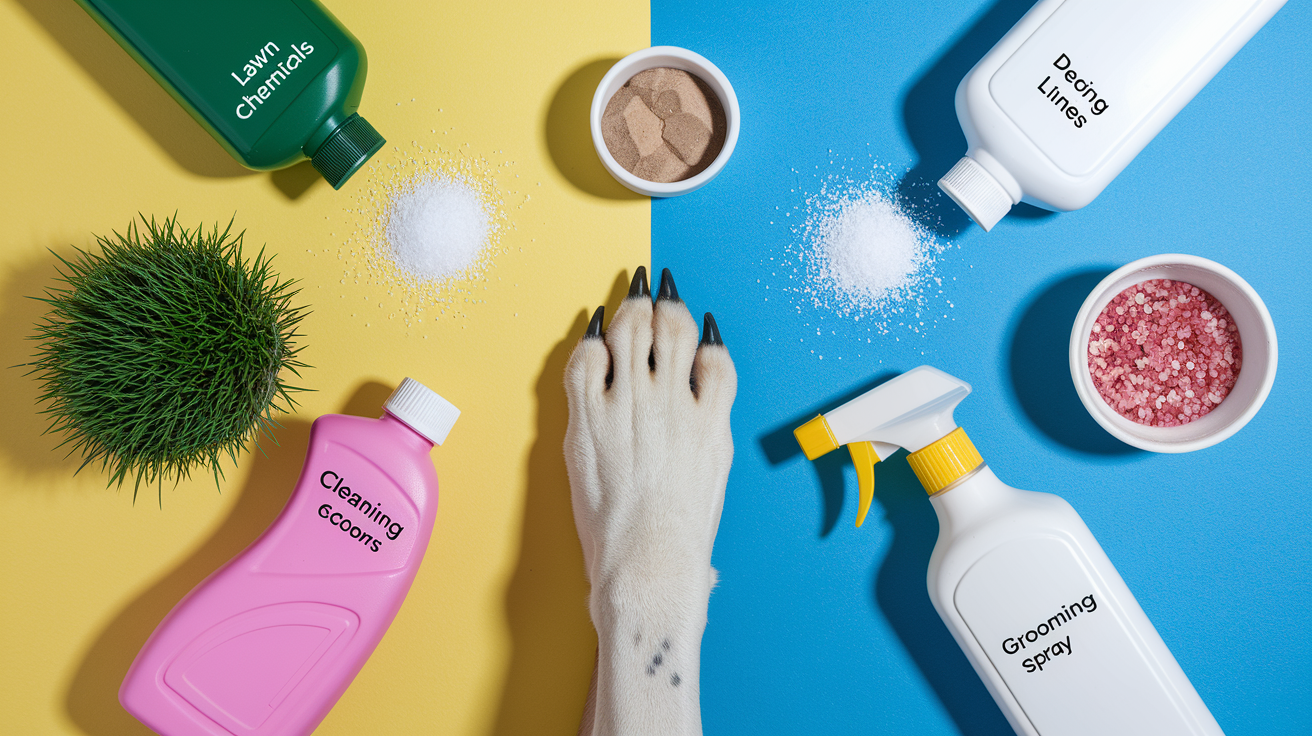
Contact dermatitis happens when your dog’s paws touch something that irritates or inflames the skin. Common irritants include lawn pesticides, fertilizers, weed killers, de-icing salts used on winter sidewalks, cleaning products mopped onto floors, and even certain grooming shampoos or sprays. Unlike allergies that build slowly, contact reactions often appear within minutes to a few hours after exposure. All four paws usually show redness, swelling, or licking at the same time because the irritant touched every paw equally.
If your dog suddenly starts licking paws after a walk through a park that was recently sprayed, or after you mopped the kitchen floor with a new cleaner, contact dermatitis is the likely cause. The reaction can be mild (slight redness and a few licks) or severe (raw, blistered pads and nonstop licking). Washing the paws right away with plain water or a gentle, unscented cleanser can stop the irritation from getting worse.
Four common contact irritants that cause paw licking:
- Lawn chemicals like pesticides, herbicides, and fertilizers applied to grass or gardens.
- De-icing salts and calcium chloride used on winter roads and sidewalks.
- Household cleaning products mopped or sprayed onto floors your dog walks on.
- Grooming products including shampoos, conditioners, or leave-in sprays with strong fragrances or harsh ingredients.
How to Tell Allergic Paw Licking Apart From Pain or Behavior
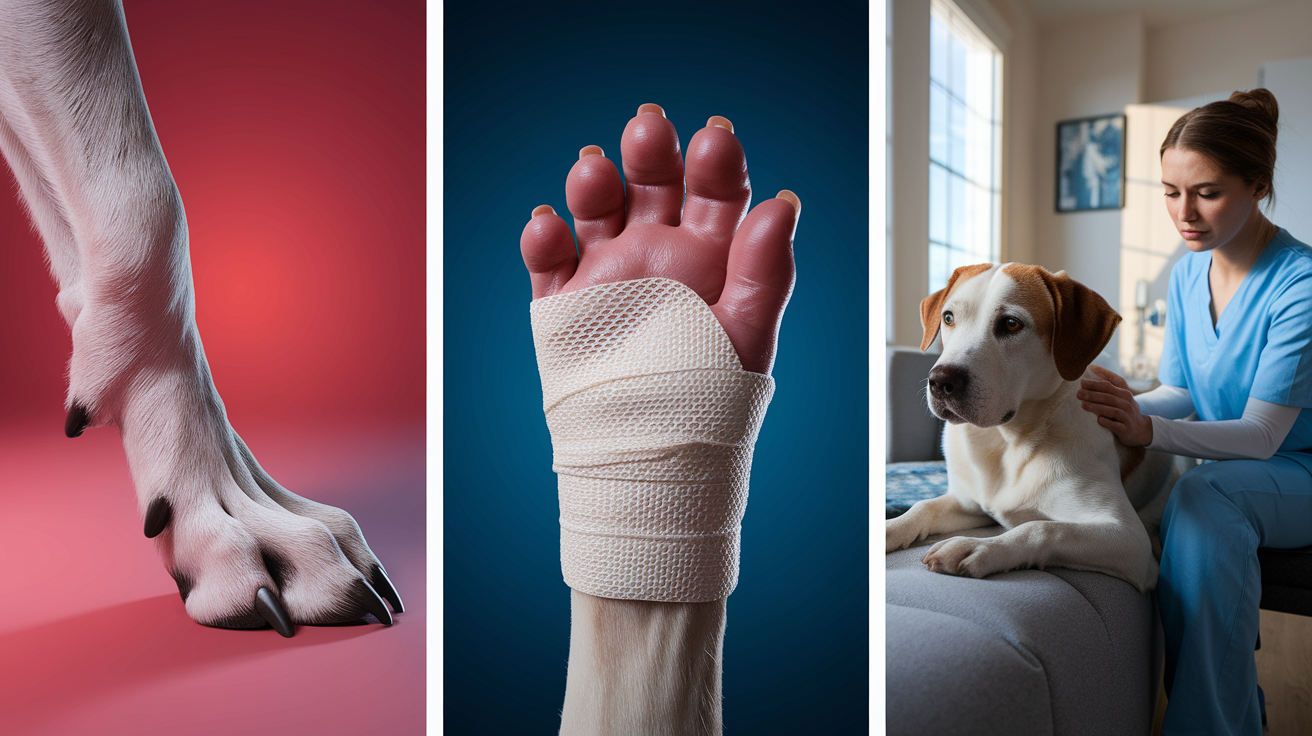
Allergic licking usually affects more than one paw and lines up with outdoor exposure or mealtime. The skin looks inflamed, red, or stained brown, and licking increases after walks or during high pollen seasons. You’ll often see matching symptoms on other itchy areas like the ears, face, or belly. Allergic dogs might pause licking if distracted but return to it throughout the day, especially after being outside.
Pain driven licking focuses on a single spot. Your dog licks one paw pad, one toe, or the area around a specific joint like the wrist (carpal joint) or ankle (hock). The licking is intense and hard to interrupt. You might also notice limping, reluctance to put weight on that paw, swelling, or a visible wound like a torn nail, cut pad, or embedded thorn. Pain licking doesn’t follow a seasonal pattern and often starts suddenly after a walk, jump, or play session.
Behavioral licking from anxiety or boredom usually begins without visible skin damage. The paw looks normal at first, but repeated licking creates redness, moisture, and eventually a thickened, hairless patch called a lick granuloma. Behavioral licking often happens during downtime like evenings when the dog is alone or bored, and it can involve both front paws symmetrically. Dogs with anxiety driven licking also show other stress signs like pacing, whining, hiding, or clinginess. This type of licking is a diagnosis of exclusion, meaning your vet rules out allergies, pain, and parasites first.
Six differences between allergy, pain, and behavioral licking:
- Allergy: multiple paws, seasonal or post walk timing, visible redness and staining, often paired with ear or belly itching.
- Pain: single paw or joint, sudden onset, limping or reluctance to bear weight, visible injury or swelling.
- Behavior: symmetrical front paw licking, happens during stress or boredom, skin looks normal early on, other anxiety signs present.
- Allergy: licking improves indoors or after paw cleaning; worsens with outdoor exposure.
- Pain: licking persists regardless of environment; focused and intense on one area.
- Behavior: licking stops during engaging activities but resumes during quiet or stressful times.
Veterinary Diagnostics for Allergy-Related Paw Licking
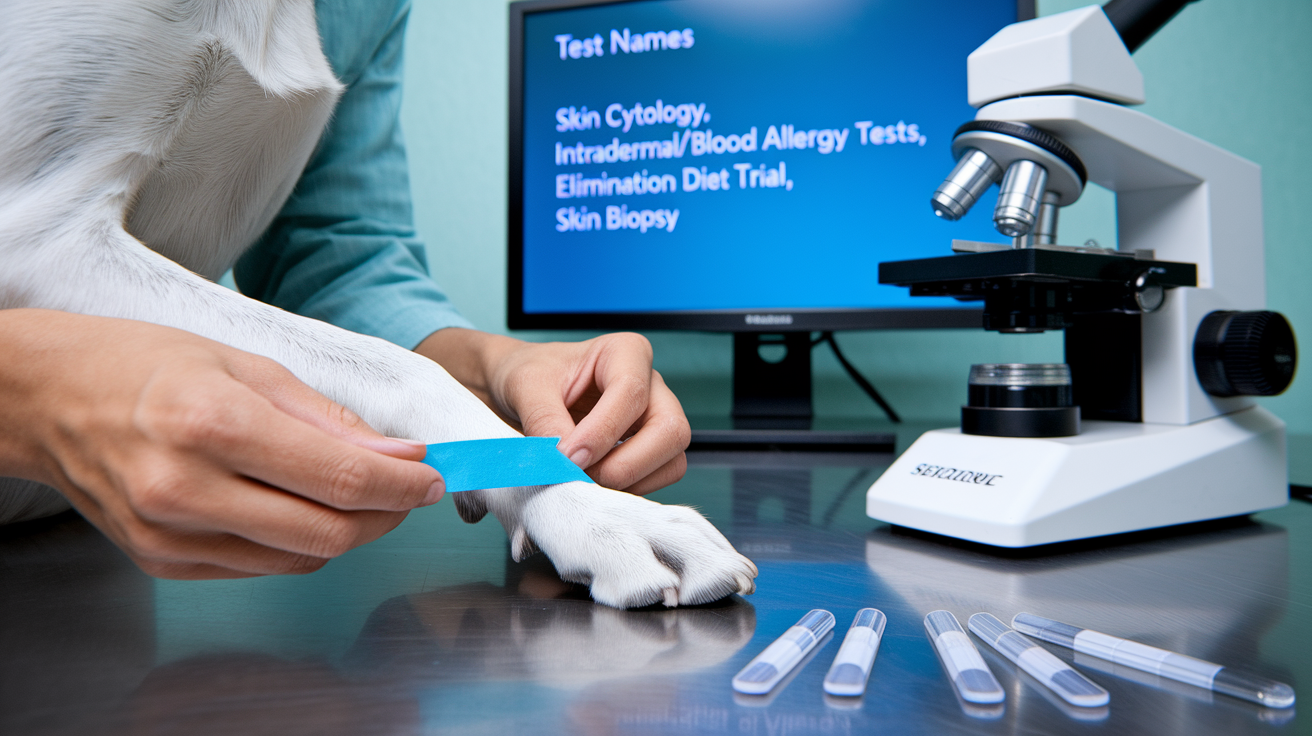
Your vet will start with a thorough physical exam, checking the paws for redness, crusting, odor, swelling, and signs of infection. They’ll ask about timing (when licking started, whether it’s seasonal, if it follows outdoor time), diet history, flea prevention, and recent changes at home. A skin cytology test, where your vet presses clear tape against the skin or takes a sample with a cotton swab, can reveal bacteria or yeast overgrowth that often accompany allergic inflammation.
If environmental allergies are suspected, intradermal allergy testing (small amounts of allergens injected under the skin to see which cause a reaction) or blood allergy testing (measuring immune response to specific allergens) can identify triggers like specific pollens, molds, or dust mites. These tests help design a custom immunotherapy plan, also called allergy shots or sublingual drops, that gradually desensitizes your dog to those allergens. Food allergies can’t be diagnosed with blood tests. The gold standard is still an elimination diet trial, where you feed a strict novel protein or hydrolyzed diet for eight to twelve weeks and track symptom changes.
Some clinics offer advanced diagnostics like skin biopsies (a small sample of skin examined under a microscope) to rule out autoimmune diseases or unusual infections, and video otoscopy to check ear canals for hidden yeast or bacterial infections that often pair with paw allergies. If pain is suspected, your vet might take X-rays to check for fractures, arthritis, or foreign objects lodged in the paw.
| Test Type | What It Detects | When It’s Used |
|---|---|---|
| Skin cytology | Bacteria, yeast, inflammatory cells | First-line test for any licked, inflamed paw to check for infection |
| Intradermal or blood allergy testing | Specific environmental allergens (pollens, molds, dust mites) | After ruling out food and parasites; used to design immunotherapy |
| Elimination diet trial | Food allergen triggers | When licking is year-round, paired with GI signs, or doesn’t fit seasonal pattern |
| Skin biopsy | Autoimmune diseases, deep infections, cancer | When skin doesn’t respond to standard treatments or looks unusual |
Treatments for Dog Paw Licking Caused by Allergies
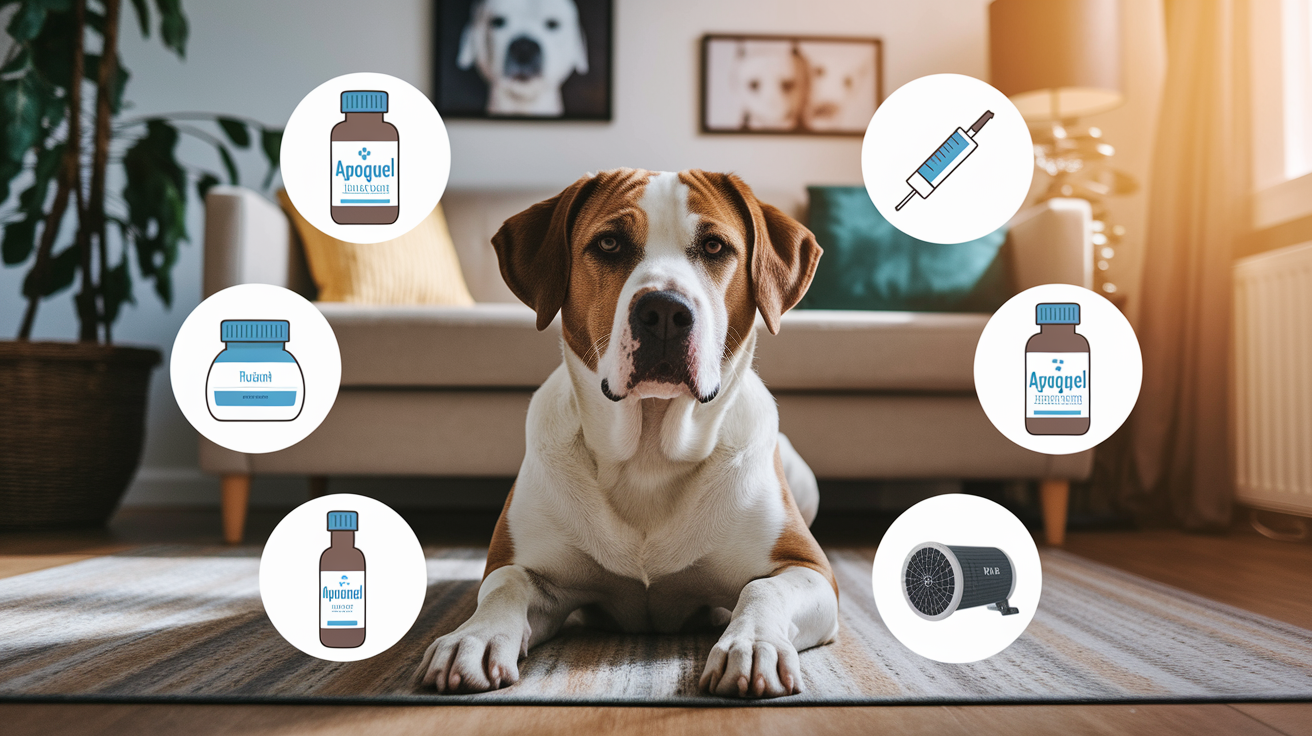
Anti itch medications can bring fast relief. Oclacitinib, sold as Apoquel, is an oral tablet given once or twice daily that blocks itch signals in the immune system. Lokivetmab, sold as Cytopoint, is an injection given every four to eight weeks that neutralizes a protein responsible for itching. Both are effective for environmental allergies and work within hours to days. Your vet will choose based on your dog’s age, other health conditions, and how long relief is needed.
Medicated shampoos and topical treatments help manage secondary infections. Shampoos containing chlorhexidine or ketoconazole kill bacteria and yeast that thrive in moist, licked skin. Soaking paws in medicated solutions a few times a week reduces microbial load and soothes inflammation. If infection is severe, your vet might prescribe oral antibiotics or antifungal medication. Corticosteroids like prednisone are sometimes used short term for intense flare-ups, but long term use carries side effects, so vets reserve them for cases that don’t respond to other treatments.
Immunotherapy is a long term solution for environmental allergies. After allergy testing identifies specific triggers, a custom serum is formulated containing tiny amounts of those allergens. You give the serum as injections under the skin or drops under the tongue, gradually training your dog’s immune system to tolerate the allergens instead of overreacting. Immunotherapy takes three to twelve months to show full benefit, but many dogs experience significant reduction in symptoms and need fewer medications over time.
Environmental control strategies support medical treatment. Wipe paws and belly fur after outdoor walks to remove pollen and mold. Use air purifiers with HEPA filters indoors, wash bedding weekly in hot water, vacuum carpets and furniture frequently, and avoid walking during peak pollen hours (early morning and late afternoon). Limiting exposure reduces the allergic load and can make medications work better.
Five common treatment categories for allergy driven paw licking:
- Anti itch medications like Apoquel or Cytopoint to stop the itch cycle quickly.
- Medicated shampoos and topical antifungals/antibiotics to treat secondary skin infections.
- Dietary management with limited ingredient or hydrolyzed diets for suspected food allergies.
- Immunotherapy (allergy shots or sublingual drops) to desensitize your dog to environmental allergens over time.
- Environmental controls including paw wiping, air filtration, and reducing outdoor exposure during high pollen periods.
Safe Home Remedies That May Reduce Allergy Driven Paw Licking
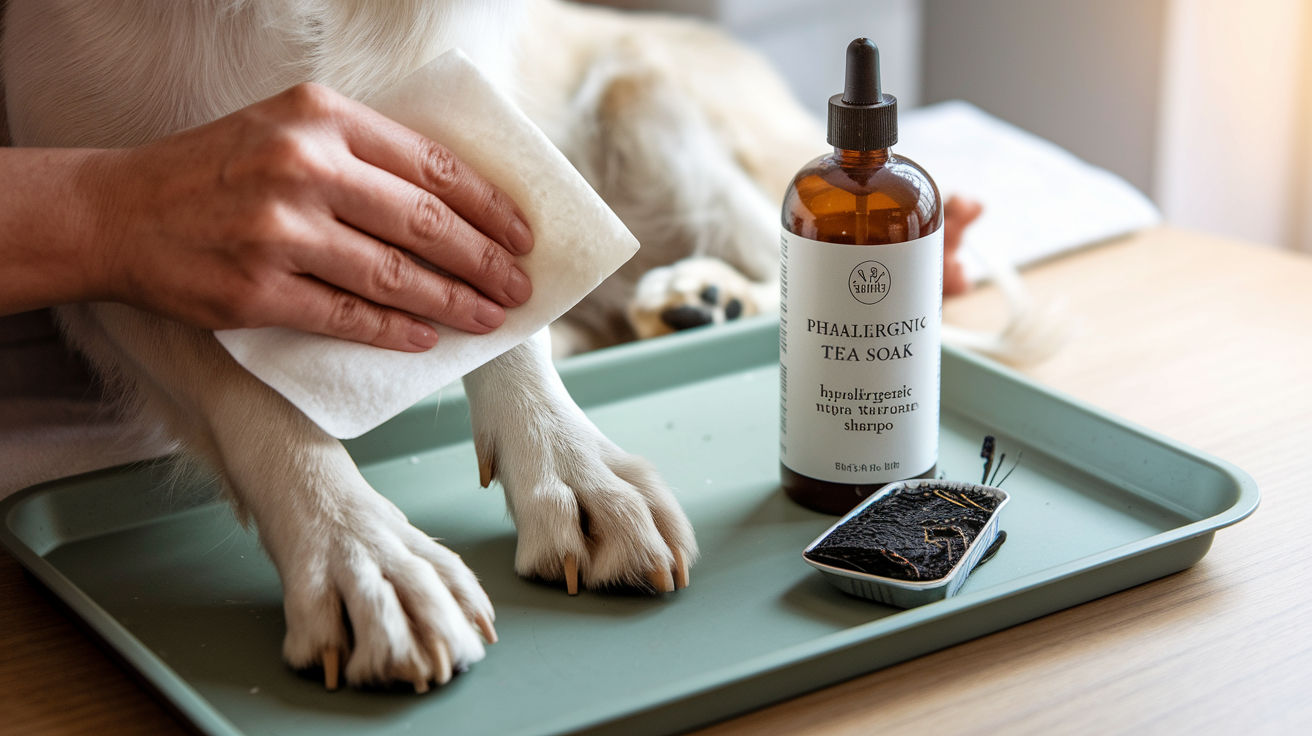
Wiping paws right after walks is one of the simplest and most effective home steps. Use an unscented baby wipe or a soft cloth dampened with plain water. Gently clean between each toe, across the pads, and up around the dewclaws. This removes pollen, mold spores, and contact irritants before your dog starts licking them off.
A dilute tea bag foot bath can soothe inflamed paws. Steep a plain black tea bag (Lipton or similar, no flavors or additives) in warm water, let it cool to room temperature, and soak each paw for a few minutes or pour the tea over the paws. The tannins in black tea have mild anti inflammatory properties and can help draw out allergens and calm redness. Waterless shampoos designed for dogs are also handy for quick paw cleaning when a full bath isn’t practical.
Apple cider vinegar diluted 50/50 with water is sometimes suggested as a rinse, but use it with caution. Never apply vinegar to broken, raw, or bleeding skin because it stings and can worsen irritation. If the skin looks intact and you want to try it, test a small area first and watch for increased licking or redness.
Four safe at home strategies to reduce allergy driven licking:
- Wipe paws with unscented baby wipes or a damp cloth after every outdoor outing.
- Use a plain black tea bag soak (room temperature) to calm inflamed paws and draw out allergens.
- Apply waterless dog shampoo to paws and wipe clean when a full bath isn’t possible.
- Keep nails trimmed short so licking doesn’t cause additional skin trauma from scratching.
Preventing Allergy Driven Paw Licking Long Term
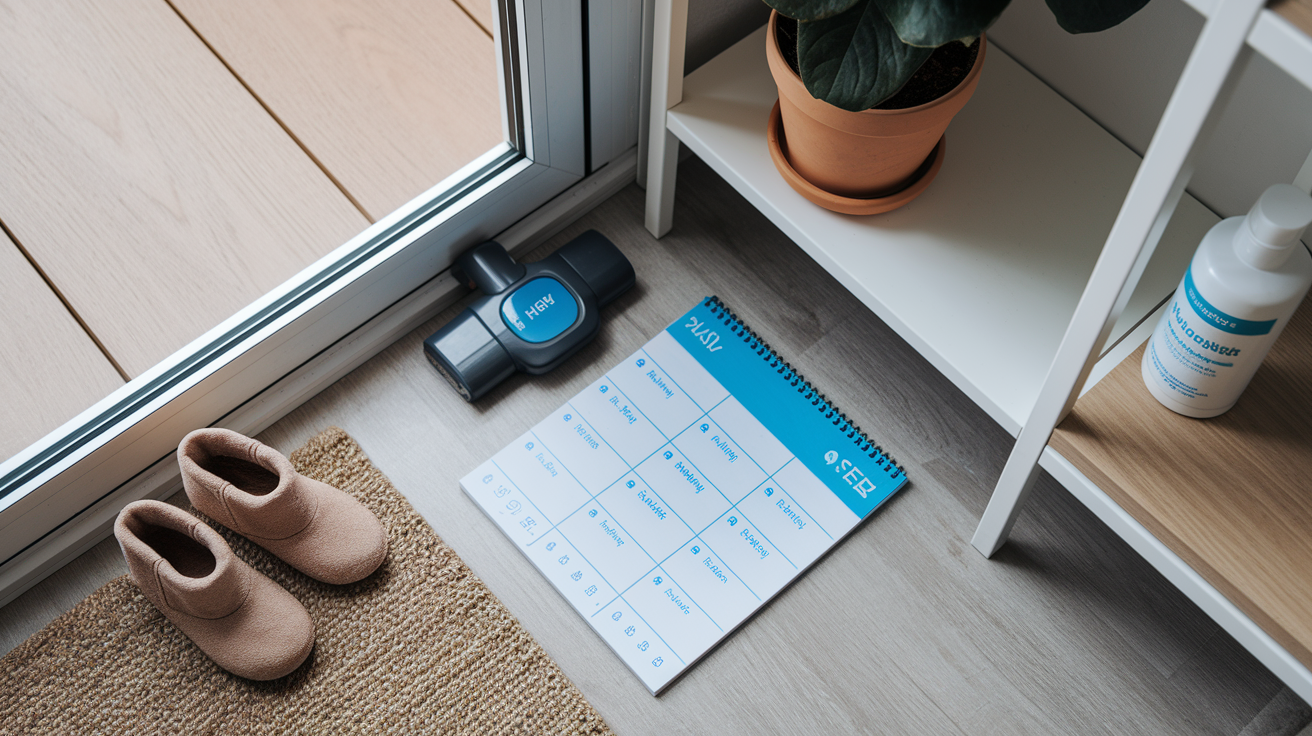
A consistent paw cleaning routine is your best long term defense. Wipe or rinse paws every time your dog comes inside, especially during high pollen seasons. Keep a basket of unscented wipes or a shallow tub of water and a towel near the door so it becomes a quick habit. Over weeks and months, this simple step can dramatically reduce allergen exposure and cut down on licking episodes.
Paw booties protect against contact irritants and allergens. Use them during walks through treated lawns, on salted winter sidewalks, or in areas with heavy pollen. Boots take some training for most dogs to accept, but once they’re comfortable, booties keep paws clean and reduce post walk licking. Indoors, vacuum frequently with a HEPA filter vacuum to capture dust, pollen, and mold. Wash your dog’s bedding in hot water weekly, and consider using allergen barrier covers on any furniture your dog sleeps on.
If allergy testing has identified specific environmental triggers, plan around them. Walk early in the morning or late in the evening when pollen counts are lower, avoid grassy fields during peak bloom times, and use air conditioning with clean filters instead of opening windows on high pollen days. Regular bathing with a gentle, hypoallergenic shampoo (once every one to two weeks) removes allergens from the entire coat and can reduce overall itchiness.
Five long term habits to prevent allergy driven paw licking:
- Wipe or rinse paws after every outdoor outing to remove pollen, mold, and contact irritants.
- Use paw booties during walks in high allergen areas or on treated lawns and salted surfaces.
- Vacuum carpets and furniture frequently with a HEPA filter and wash bedding weekly in hot water.
- Bathe your dog every one to two weeks with a hypoallergenic or medicated shampoo to remove allergens from the coat.
- Adjust outdoor schedules to avoid peak pollen times and keep windows closed during high pollen days.
When Your Dog’s Paw Licking Requires a Vet Visit
Seek veterinary care if you see raw, bleeding, or swollen paws. Open wounds invite infection, and infection can spread quickly in moist, licked skin. A foul smell coming from the paws signals bacterial or yeast overgrowth that needs prescription treatment. If your dog is limping, holding a paw up, or refuses to walk, pain or injury is likely and requires examination.
Nonstop licking that interrupts sleep, play, or meals is a red flag. Chronic licking can lead to lick granulomas (thick, raised, hairless patches that are hard to heal) and deep skin infections. If home care like paw wiping and limited environmental exposure hasn’t reduced licking within a few days, or if licking episodes keep recurring, your vet can run diagnostics to identify the root cause and start targeted treatment.
Four red flag symptoms that need veterinary attention:
- Paws that are raw, bleeding, or have open sores from excessive licking.
- A strong, foul odor coming from the paws, indicating bacterial or yeast infection.
- Limping, reluctance to walk, or visible swelling around a paw or joint.
- Licking that continues nonstop for more than 48 hours despite basic home care and paw cleaning.
Final Words
Match the timing and pattern you see — seasonal flares after outdoor time, constant licking with possible food signs, or sudden irritation after contact with chemicals. Notice redness, brown staining, odor, or GI clues.
Use the checks in this post: symptom clues, likely environmental or food triggers, when to try safe home steps, and when to pursue vet testing or treatments.
If you’re tracking dog licking paws allergy causes, keep a short diary and photos, try gentle measures for 48 to 72 hours, and bring your notes to the vet if things don’t improve. You’re doing the right thing.
FAQ
Q: How to treat dog allergies causing paw licking and what helps dogs with allergies on their paws?
A: Treating a dog’s paw allergies involves gentle paw cleaning, short cool soaks, unscented wipes, controlling triggers, and vet care for infections or prescription meds; see your vet if not better in 48 hours or if bleeding.
Q: Why is my dog all of a sudden licking his paws a lot?
A: Sudden heavy paw licking often means new environmental exposure, contact irritant, injury, infection, or stress; check paws for cuts, rinse and dry, remove recent exposures, and call a vet if limping, worsening, or not improved within 48 hours.
Q: How to cure yeasty paws in dogs?
A: Curing yeasty paws in dogs involves vet-confirmed topical antifungals or medicated shampoos, thorough cleaning and drying, and treating secondary infection; avoid acidic home remedies on broken skin and see your vet if no improvement in 7 days.