

Daily pill or once-every-month shot — which really wins for your itchy dog?
Both Apoquel and Cytopoint ease itching but work in very different ways.
If you need fast relief during a flare, Apoquel often starts working within hours.
Cytopoint can provide four to eight weeks of relief from a single clinic shot and usually has fewer whole-body effects.
Which is best depends on speed, convenience, side effects, and your dog’s medical history, and this post breaks down the trade-offs so you can decide.
Apoquel vs. Cytopoint: Key Differences at a Glance

Apoquel and Cytopoint both help with itching and inflammation from environmental allergies, but they work in completely different ways. Apoquel is a daily pill that blocks Janus kinase (JAK) enzymes, part of the immune signaling that triggers itching and swelling. Cytopoint is a vet-administered injection that uses a monoclonal antibody to neutralize interleukin-31 (IL-31), a specific protein that sends itch signals from skin to brain. One’s a pill you give at home. The other’s a shot that interrupts the itch message directly at the clinic.
The biggest practical difference? Dosing and how long relief lasts. Apoquel often brings relief within 4 hours and needs to be given every single day to keep symptoms under control. Cytopoint typically starts working within 24 hours and lasts 4 to 8 weeks per injection. Fewer doses, but you’re scheduling vet visits. Side effects differ too. Apoquel may cause digestive upset like vomiting, diarrhea, or decreased appetite, and there’s a small risk of immune suppression with long-term use. Cytopoint has minimal systemic effects and is considered safe for puppies, seniors, and dogs with other health problems.
Cost depends on your dog’s size, where you live, and how often treatment’s needed. Apoquel’s daily tablet adds up over time. Cytopoint’s per-injection fee can be higher upfront but may balance out if your dog responds well and needs fewer trips to the clinic.
- Mechanism: Apoquel blocks JAK enzymes. Cytopoint neutralizes IL-31 itch protein.
- Administration: Apoquel is a daily oral tablet. Cytopoint is a vet-administered injection every 4 to 8 weeks.
- Onset: Apoquel often works within 4 hours. Cytopoint typically within 24 hours.
- Duration: Apoquel requires daily dosing. Cytopoint lasts 4 to 8 weeks per shot.
- Side effects: Apoquel may cause GI upset and immune suppression. Cytopoint has few systemic effects.
- Cost structure: Apoquel accumulates daily. Cytopoint involves periodic vet visits and per-injection fees.
How Apoquel Works

Apoquel targets the JAK1 and JAK3 pathways inside immune cells. Think of these enzymes as switches that turn on inflammation and itch signals when your dog’s skin encounters pollen, dust mites, or mold. By blocking those switches, Apoquel stops the cascade before it reaches the skin, reducing scratching, redness, and hot spots. It’s a whole-body approach, meaning the medication affects the entire immune response, not just one piece.
Because Apoquel interrupts signaling at the cellular level, relief can start fast. Often within 4 to 24 hours. That rapid onset makes it a go-to option for dogs in the middle of a severe flare, when waiting days or weeks isn’t realistic. The catch? The effect only lasts as long as the medication is in your dog’s system. Skip a dose and symptoms usually come back quickly.
- Blocks JAK enzymes that trigger itch and inflammation pathways.
- Works systemically, affecting immune signaling throughout the body.
- Relief typically begins within 4 to 24 hours of the first dose.
- Requires daily dosing to maintain control. Missed doses lead to symptom return.
How Cytopoint Works

Cytopoint is a monoclonal antibody designed to mimic part of your dog’s own immune system. It binds specifically to interleukin-31, a protein that tells the brain “this skin is itchy.” Once IL-31 is locked up by the antibody, the itch signal never reaches the nervous system. Your dog stops feeling the urge to scratch, lick, or chew.
Because Cytopoint is an injection and antibodies circulate in the bloodstream for weeks, one shot provides relief that typically lasts 4 to 8 weeks. The targeted mechanism also means it doesn’t broadly suppress the immune system the way steroids or even Apoquel can. That makes it a safer choice for dogs with other health concerns or those who can’t tolerate daily pills.
- Neutralizes interleukin-31 to block itch signals at the source.
- One injection lasts 4 to 8 weeks on average.
- Minimal impact on immune function beyond IL-31 pathway.
Effectiveness for Different Allergy Types
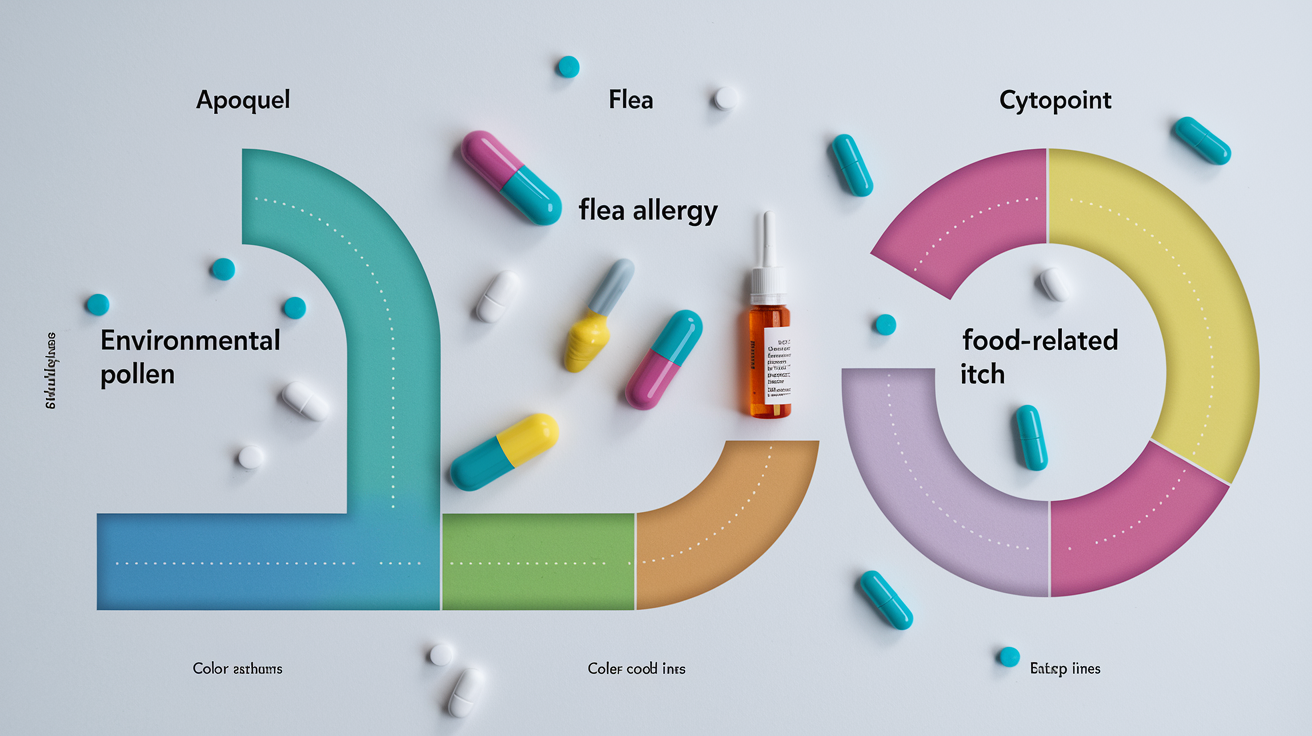
Both Apoquel and Cytopoint are approved and effective for environmental allergies. The kind triggered by pollen, dust, mold, and flea saliva. They reduce scratching, paw licking, ear infections, and hot spots caused by airborne or contact allergens. Neither medication directly treats food allergies, although controlling environmental itch can make it easier to run a proper 8 to 12 week food trial and identify dietary triggers.
For severe, relentless itching, Cytopoint’s targeted IL-31 blockade often delivers more consistent relief without the systemic side effects that come with daily immune modulation. Apoquel shines when you need flexible, adjustable control. Starting with twice-daily dosing during flares and stepping down to once daily for maintenance. Some vets combine both during peak allergy seasons or while waiting for slower treatments like immunotherapy to take effect, but that’s reserved for severe cases and always under close supervision.
| Allergy Type | Apoquel Effectiveness | Cytopoint Effectiveness |
|---|---|---|
| Environmental (pollen, dust, mold) | Effective; fast onset, daily control | Effective; long-lasting relief per injection |
| Flea allergy dermatitis | Helps control itch; pair with parasite prevention | Helps control itch; pair with parasite prevention |
| Food allergies | Does not treat root cause; may reduce secondary itch | Does not treat root cause; may reduce secondary itch |
| Severe, year-round itch | Requires daily compliance; flexible dosing | Often preferred; fewer systemic effects, long duration |
| Seasonal flares | Can start/stop as needed during seasons | Convenient timing with wellness visits |
Onset and Duration of Relief
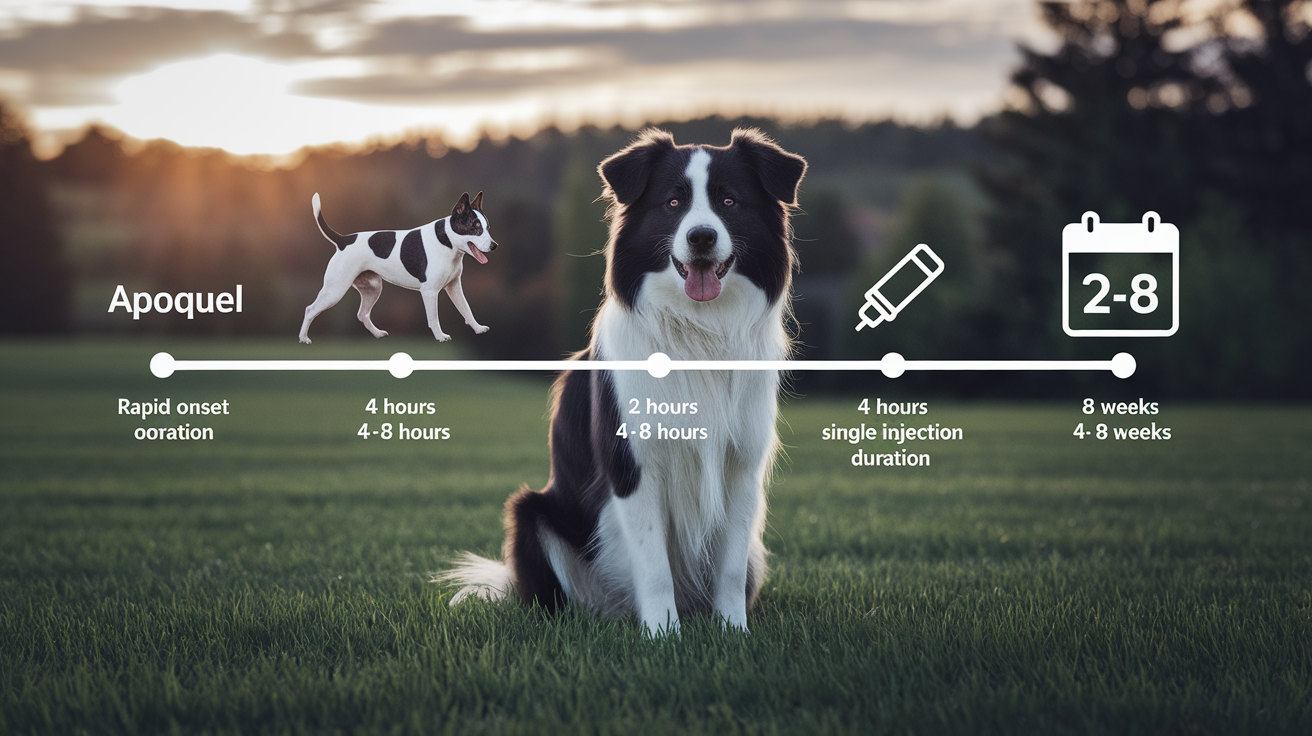
When your dog is miserable, timing matters. Apoquel often brings noticeable relief within 4 hours, making it one of the fastest-acting allergy medications available. That speed is invaluable during acute flares. Hot spots, swollen ears, constant scratching. When you need help today, not next week. The downside is that the effect fades quickly once the medication wears off, so you’re committed to daily dosing for as long as symptoms persist.
Cytopoint takes a bit longer to kick in. Typically within 24 hours. But one injection provides relief that lasts 4 to 8 weeks for most dogs. That longer duration means fewer pills to remember, fewer wrestling matches with a dog who hates tablets, and the ability to time injections around regular wellness visits or grooming appointments. Some dogs respond for the full 8 weeks, others closer to 4, so your vet will adjust the schedule based on how your dog does.
- Apoquel: relief often starts within 4 hours of the first dose.
- Cytopoint: relief typically begins within 24 hours of injection.
- Apoquel: requires daily dosing to maintain effect. Symptoms return if doses are skipped.
- Cytopoint: one injection lasts 4 to 8 weeks, depending on individual response.
Side Effects and Safety Considerations

Apoquel’s whole-body action means it can affect more than just the itch pathway. The most common side effects are digestive. Vomiting, diarrhea, and decreased appetite. Usually mild and temporary. Long-term or high-dose use carries a small risk of immune suppression, which can make infections harder to shake or raise concerns in dogs with cancer or other immune-related conditions. For that reason, Apoquel isn’t recommended for dogs under 12 months old, pregnant or nursing dogs, or those with active severe infections or tumors unless your vet decides the benefit outweighs the risk.
Cytopoint’s targeted mechanism translates to very few systemic side effects. Because it only neutralizes IL-31 and doesn’t broadly dampen the immune system, it’s considered safe for puppies, seniors, and dogs with other health issues. The main concern is injection-site irritation. Temporary swelling or soreness where the shot was given. And, rarely, your dog may develop an immune response to the antibody itself over time, reducing effectiveness.
Both medications are generally well tolerated, but every dog is different. If your dog has a history of digestive sensitivity, immune compromise, or recurring infections, mention that when choosing a treatment. Regular check-ins with your vet help catch any issues early and adjust the plan as needed.
- Apoquel common side effects: vomiting, diarrhea, decreased appetite.
- Apoquel caution: potential immune suppression with prolonged use. Not for dogs under 12 months or pregnant/nursing.
- Apoquel monitoring: closer watch recommended for dogs with infections, cancer, or immune conditions.
- Cytopoint common side effects: occasional injection-site irritation. Minimal systemic effects.
- Cytopoint caution: rare immune response to antibody may reduce long-term effectiveness.
- Cytopoint safety: approved for puppies, seniors, and dogs with other health problems.
Cost Comparison

Cost is one of the most common questions pet parents ask, and the answer isn’t straightforward. Apoquel is priced per tablet, and your dog’s daily dose depends on weight. A small dog on one tablet a day will cost significantly less than a large dog on two or three tablets daily. Over a month, those pills add up, but you control the start and stop, so if symptoms are seasonal, you can pause treatment during off-months.
Cytopoint is billed per injection, and the dose is calculated by your dog’s weight. Larger dogs pay more per visit. One injection typically lasts 4 to 8 weeks, which can make Cytopoint cost-competitive or even cheaper than daily Apoquel over the long term, especially for bigger dogs. The catch is that each dose requires a vet visit, so you’ll also pay an exam or injection fee unless your clinic bundles it with wellness appointments. Pet insurance coverage varies widely. Some plans cover both medications, others only one, and many require pre-authorization or have waiting periods for allergy treatments.
| Treatment | Typical Cost Range | Cost Factors |
|---|---|---|
| Apoquel | Moderate; cumulative daily expense | Tablet strength, dog weight, pharmacy pricing, seasonal vs year-round use |
| Cytopoint | Higher per visit; periodic expense | Dog weight, duration of effect (4–8 weeks), clinic injection fees, exam costs |
| Long-term comparison | Depends on individual response | Frequency of flares, need for daily vs monthly dosing, insurance coverage |
| Insurance | Variable coverage | Policy limits, pre-authorization, waiting periods, provider-specific formularies |
Which Dogs Benefit Most from Each Treatment

Cytopoint is often the first choice for dogs who can’t take daily pills. Puppies, seniors with medication sensitivities, dogs with a history of digestive upset on oral meds, or simply pets whose owners prefer the convenience of an injection every 4 to 8 weeks. It’s also recommended when systemic immune suppression is a concern, such as dogs with concurrent infections, cancer, or other conditions where a broad immune dampening effect could be risky.
Apoquel works well for dogs needing fast, flexible control. If your dog has seasonal allergies and you want to start treatment the moment symptoms appear, Apoquel’s rapid onset and ability to adjust dosing (twice daily during flares, then once daily) gives you immediate relief and adaptability. It’s also easier to combine with topical therapies, medicated baths, or other oral medications when managing complex or multi-trigger allergy cases.
- Cytopoint ideal candidates: dogs who resist pills, puppies and miniature breeds needing precise dosing, owners preferring infrequent clinic visits, dogs with immune or organ health concerns.
- Apoquel ideal candidates: dogs needing immediate itch control, pets with seasonal flares requiring flexible start/stop dosing, multi-medication management plans.
- Cytopoint advantage: minimal systemic side effects, long duration, safe across age ranges and other health problems.
- Apoquel advantage: at-home administration, rapid onset (often 4 hours), adjustable dosing schedule.
- Consider individual response: some dogs respond better to one mechanism than the other. Trial and monitoring guide long-term choice.
Veterinarian Guidelines and Clinical Use

Veterinarians typically reserve Cytopoint for long-term, year-round allergy management, especially in dogs who tolerate injections well and benefit from the 4 to 8 week relief window. It’s also a common choice when starting a new allergy plan, since the minimal side-effect profile and lack of daily compliance requirements make it easier for families to stick with treatment while waiting for slower therapies like immunotherapy or diet trials to show results.
Apoquel is often used for flexibility and combination strategies. Vets may prescribe it during high-pollen seasons, pair it with medicated shampoos or omega-3 supplements, or use it as a bridge therapy while ramping up cyclosporine or starting allergen-specific immunotherapy. Because Apoquel works fast and can be adjusted, it’s a practical tool for dogs with unpredictable flare patterns or those who need quick symptom control during acute episodes.
Both medications require regular veterinary follow-up. For Apoquel, that means baseline bloodwork before starting and periodic check-ins to monitor for side effects or signs of immune suppression. For Cytopoint, vets track response duration and adjust injection intervals if relief starts wearing off earlier than expected or if the dog develops reduced effectiveness over time.
- Cytopoint is commonly used for long-term, year-round management and as a first-line option when systemic side effects are a concern.
- Apoquel provides flexible dosing for seasonal flares, combination therapy plans, and cases needing rapid symptom control.
- Regular monitoring is essential. Baseline and periodic bloodwork for Apoquel. Response tracking and injection-interval adjustments for Cytopoint.
Pros and Cons of Apoquel vs. Cytopoint

Apoquel delivers fast relief, often within hours, and gives you control over dosing at home. A lifesaver during sudden flares. It’s easy to start, stop, or adjust based on symptoms, and it pairs well with topical treatments and other oral medications. The downside is the daily commitment, the potential for digestive upset, and the small but real risk of immune suppression with long-term use, especially in dogs with other health issues.
Cytopoint offers longer-lasting relief with fewer systemic side effects, making it safer for young, old, and medically complex dogs. One injection every 4 to 8 weeks means no daily pills and fewer wrestling matches, which many pet parents appreciate. The trade-off is the need for regular vet visits, the upfront cost per injection, and the possibility that your dog’s response may shorten over time if they develop antibodies against the treatment.
- Apoquel pros: Fast onset (often 4 hours), at-home oral administration, flexible dosing (twice daily then once daily), easy to combine with other therapies.
- Apoquel pros (continued): Useful for seasonal control and rapid flare management.
- Apoquel pros (continued): Can be started and stopped as needed.
- Cytopoint pros: Long duration (4 to 8 weeks per injection), minimal systemic side effects, safe for puppies and dogs with other health problems.
- Cytopoint pros (continued): No daily dosing or pill administration, convenient timing with wellness visits.
- Cytopoint pros (continued): Targeted IL-31 blockade without broad immune suppression.
Final Words
in the action, we compared Apoquel and Cytopoint — how they work, how fast they act, how long they last, safety, and cost.
Which fits your dog depends on need for fast relief, dosing schedule, health risks, and budget.
If you’re weighing apoquel vs cytopoint for dog allergies, check with your vet about age, other conditions, and what to watch at home—itch, appetite, and any new side effects over the next few weeks.
With a plan and vet support, you can help your dog feel better soon.
FAQ
Q: Which is safer, Cytopoint or Apoquel?
A: Cytopoint is generally safer for many dogs because it has fewer systemic effects; Apoquel carries higher immune-related risks. Safety depends on your dog’s health—check with your vet, especially with cancer or infections.
Q: What is the downside of Cytopoint?
A: The downside of Cytopoint is repeat injections every four to eight weeks, possible injection-site irritation, and higher cost for large dogs; some dogs still need additional medications. Call your vet if itching returns or a reaction appears.
Q: How long can a dog stay on Cytopoint?
A: A dog can stay on Cytopoint long-term with vet oversight, typically receiving injections every four to eight weeks; monitor for waning effect, skin infections, or new problems and review treatment with your vet regularly.
Q: What’s cheaper, Apoquel or Cytopoint?
A: Apoquel is usually cheaper for small dogs as a daily pill, while Cytopoint injections often cost more—especially for larger dogs. Prices vary by weight, dose, and clinic, so ask your vet or pharmacy for estimates.