

Think cats don’t get seasonal allergies, think again.
If your cat is scratching nonstop, sneezing, or licking bald spots each spring, seasonal allergies are a common reason.
This guide lays out vet-approved treatments that really work, with safe home steps, proven medications, and longer-term options like immunotherapy, so you can cut the itch and protect skin health.
You’ll get simple things to try today, what to watch for, and clear thresholds for calling your vet.
How to Treat Your Cat’s Seasonal Allergies (Fast Guide)

When your cat starts scratching nonstop or grooming bare patches into their fur, you’ll notice pretty fast. Seasonal allergies can turn spring or fall into a rough stretch for your pet. Good news is most mild cases respond to simple, safe treatments you can start at home while you figure out next steps.
First, know what you’re looking at. Watch for these signs:
- Sneezing fits or a runny nose that wasn’t there last month
- Itchy skin, especially around the face, ears, paws, or belly
- Watery, irritated eyes that look red or swollen
- Over-grooming to the point of bald patches or raw spots
- Ear infections that keep coming back, often with head shaking or scratching
- Scabs, crusts, or small red bumps on the skin
Once you’ve spotted symptoms, here’s where to start:
- Brush or wipe your cat’s coat after outdoor time to remove pollen
- Switch to unscented, dust-free litter to cut down on respiratory triggers
- Use a vet-approved antihistamine like diphenhydramine (plain Benadryl, no added ingredients) only after confirming the dose with your vet
- Start strict flea control year-round, even if you don’t see fleas
- Bathe your cat once or twice a week with a gentle, moisturizing or medicated shampoo
- Keep windows closed during high-pollen days and run a HEPA air filter in the rooms your cat uses most
If your cat’s breathing becomes labored, if they’re wheezing or coughing hard, or if open sores appear on the skin, stop monitoring at home and contact your vet that day. Respiratory symptoms can escalate quickly in cats. Also call if over-the-counter steps don’t help within 48 to 72 hours, if scratching is so intense your cat can’t rest, or if you see signs of infection like pus, a strong odor, or spreading redness. Allergies rarely resolve on their own, and what looks mild today can turn into a bigger problem by next week.
What Causes Seasonal Allergies in Cats
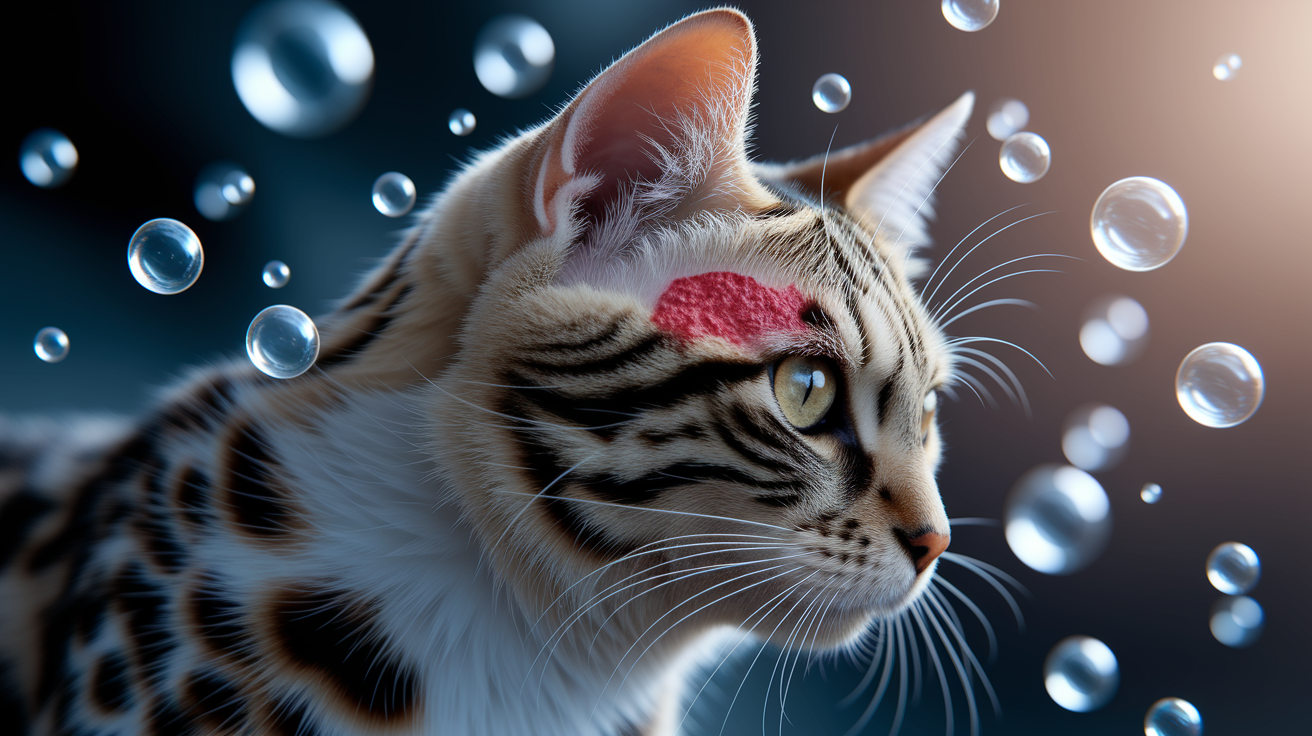
Seasonal allergies happen when your cat’s immune system mistakes harmless particles in the air for dangerous invaders. Those particles, pollen from trees, grasses, and weeds, mold spores, dust, and even tiny insects, drift into your home or stick to your cat’s fur when they’re outside. Once inhaled or absorbed through the skin, the immune system goes into overdrive.
That overreaction releases chemicals like histamine, which trigger inflammation. In cats, inflammation usually shows up on the skin rather than in the nose and eyes the way it does in people. The skin becomes itchy, red, and sometimes crusty. Ears can swell and develop infections. Some cats also sneeze or develop watery eyes, but scratching and licking are almost always the main complaint. The body’s trying to protect itself, but it ends up creating the discomfort instead.
Certain breeds appear more vulnerable. Purebred cats, especially Siamese, Abyssinians, and other Oriental breeds, get diagnosed with allergic dermatitis more often than mixed-breed cats. That suggests a genetic component, a skin-barrier defect passed down through family lines that lets allergens penetrate more easily. If one of your cat’s parents had allergies, there’s a higher chance your cat will develop them too, often starting between one and three years of age and sometimes worsening over time.
How Vets Diagnose Seasonal Allergies
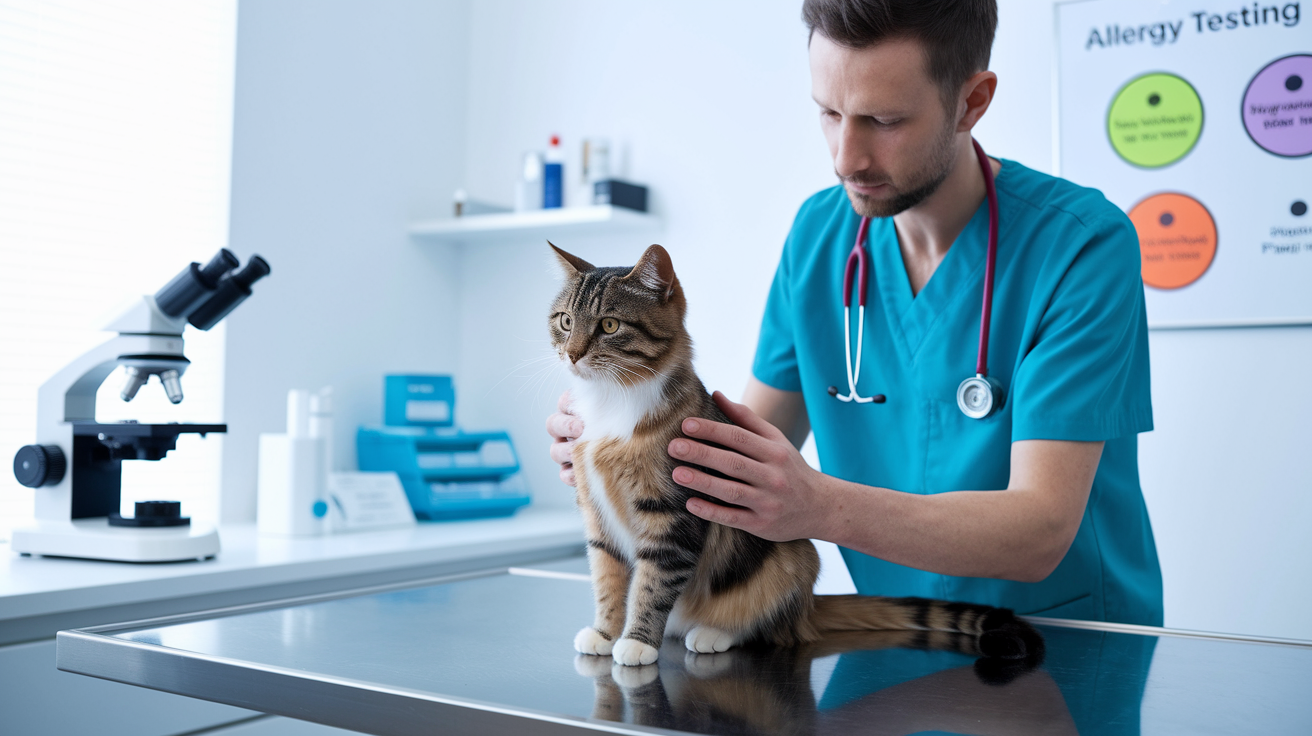
There’s no single test that says “your cat has seasonal allergies.” Instead, your vet builds the diagnosis by ruling out every other possible cause of itching and skin trouble. That process starts with a thorough physical exam and a detailed history. When did the scratching start? Does it get worse at certain times of year? Have you changed food, litter, or flea products recently? Those answers help narrow the list.
Next, your vet will check for parasites. Fleas are the most common trigger of allergic skin disease in cats, so a strict flea-control trial often comes first. Skin scrapings look for mites. Fungal tests check for ringworm. If ear infections are present, the vet may swab the ear canal and examine the sample under a microscope to identify yeast or bacteria. Only after these common culprits are excluded does the vet consider formal allergy testing.
Formal testing comes in two forms. Intradermal skin testing, done by a veterinary dermatologist, involves injecting tiny amounts of allergens under the skin and watching for reactions. Serum testing uses a blood sample to measure antibodies against specific allergens. Both methods cost roughly $200 to $500 and take days to weeks for results. The goal isn’t to confirm that allergies exist, it’s to identify which allergens are causing the problem so a custom immunotherapy plan can be formulated. Testing’s usually reserved for cats with severe, year-round symptoms or those being considered for allergy shots.
Veterinary Treatments for Cat Seasonal Allergies

Once your vet confirms seasonal allergies, a treatment plan usually combines medication, topical care, and sometimes immunotherapy. The goal’s to reduce itching, heal secondary infections, and prevent flare-ups during peak allergy season.
Here are the main treatment categories your vet may recommend:
Antihistamines like diphenhydramine or chlorpheniramine, dosed at 1 to 2 mg per kilogram every 8 to 12 hours. Response varies and some cats see little improvement.
Corticosteroids such as prednisolone, typically started at 0.5 to 2 mg per kilogram daily then tapered to the lowest dose that works. Fast acting for itch but requiring caution for long-term use due to risk of diabetes and immune suppression.
Immunomodulators like cyclosporine (Atopica), dosed around 2 to 7 mg per kilogram once daily. These take several weeks to show effect and cost $50 to $150 or more per month.
Allergen-specific immunotherapy (allergy shots or oral drops), custom formulated from test results. Requires 6 to 12 months to see full benefit and ongoing maintenance, with success rates around 60 to 80 percent.
Antibiotics and antifungals to clear secondary skin or ear infections that develop when scratching breaks the skin barrier.
Long-term management isn’t one-size-fits-all. Some cats do well on a combination of antihistamines and topical baths during spring and fall. Others need year-round cyclosporine or immunotherapy to stay comfortable. Your vet will adjust the plan based on how your cat responds, how severe the symptoms are, and whether side effects appear. Regular follow-up visits and periodic bloodwork help catch problems early, especially if your cat’s on steroids or cyclosporine for more than a few weeks. The goal’s to find the lowest dose of the safest medication that keeps your cat from scratching themselves raw.
Safe Home Remedies and Supportive Care

Not every “natural” remedy you’ll find online is safe for cats. Essential oils, for example, can be toxic. Herbal supplements often haven’t been tested in cats, and dosing can be dangerous. Before you try anything labeled “natural,” check with your vet. That said, there are genuinely helpful, low-risk steps you can take at home.
Omega-3 fatty acid supplements, especially those containing EPA and DHA from fish oil, can support skin-barrier health and reduce inflammation over time. Typical doses range from 100 to 300 milligrams of combined EPA and DHA per day, depending on your cat’s weight and the product formulation. Confirm the dose and brand with your vet to avoid fish-oil products that contain added vitamins A or D, which can be toxic in excess. Hypoallergenic grooming wipes designed for pets can remove pollen and dust from your cat’s coat after outdoor time. A cool-mist humidifier in the room where your cat sleeps may ease respiratory irritation during dry months, though it won’t stop itching.
Here are four supportive practices that fit into any treatment plan:
Brush your cat daily during allergy season to lift pollen and dander off the fur before it gets licked into the digestive tract or ground into the skin.
Bathe once or twice a week with a vet-recommended, moisturizing or medicated shampoo to soothe inflamed skin and wash away allergens.
Keep your cat’s nails trimmed short so scratching does less damage and reduces the chance of infection.
Provide distraction and enrichment, puzzle feeders, window perches, interactive toys, to reduce stress-related grooming and give your cat something to focus on besides the itch.
Environmental Management to Reduce Allergens
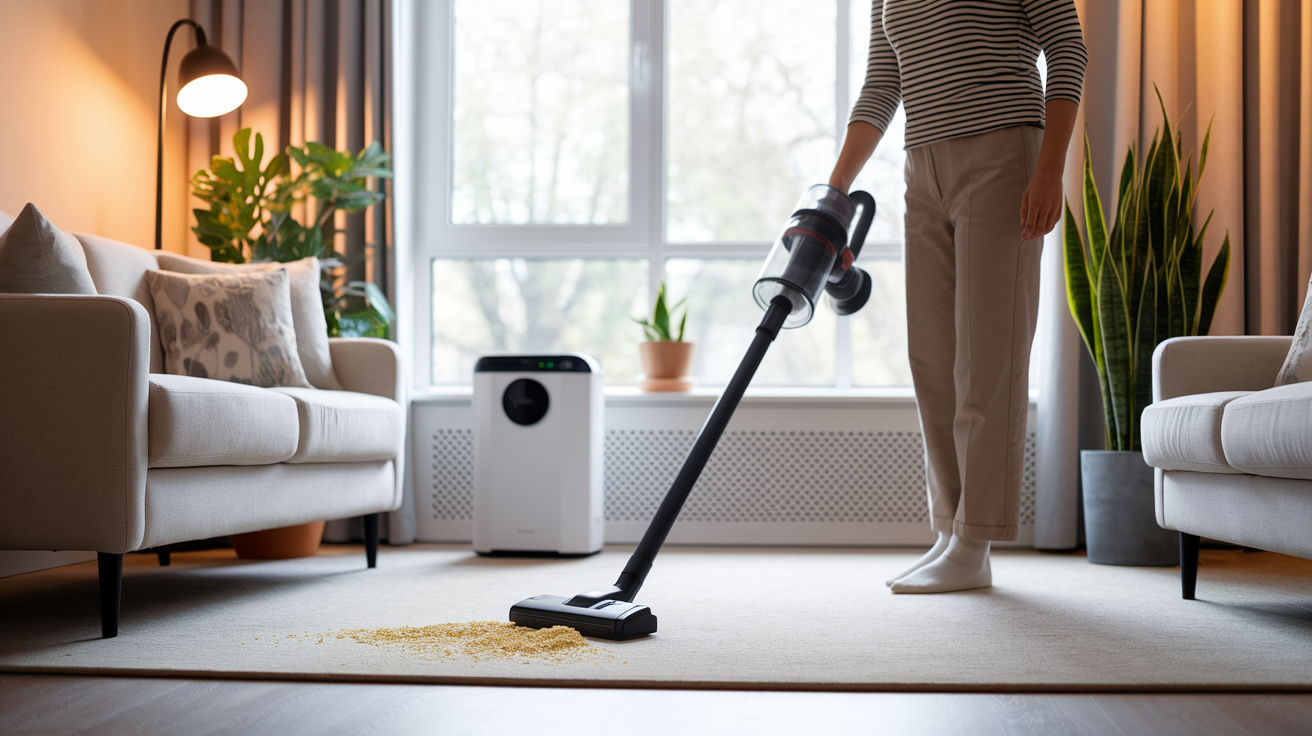
You can’t eliminate pollen entirely, but you can cut down how much of it your cat breathes or rolls in. Small changes to your home routine make a measurable difference.
Start with these strategies:
Vacuum carpets, rugs, and upholstery two to three times per week during peak pollen months, using a vacuum with a HEPA filter to trap fine particles.
Run a HEPA air purifier in the room where your cat spends the most time. Change the filter every 6 to 12 months per the manufacturer’s instructions.
Replace HVAC filters monthly or every three months during spring and fall to keep recirculated air cleaner.
Wash your cat’s bedding, blankets, and any fabric they sleep on in hot water (at least 140°F) once a week to remove pollen and mold spores.
Keep windows and doors closed during early morning hours when pollen counts peak, and limit your cat’s outdoor time on high-pollen days.
Remove shoes at the door and wipe your own feet to avoid tracking pollen through the house.
Reducing your cat’s exposure to allergens won’t cure allergies, but it lowers the total “load” the immune system has to deal with. Think of it like turning down the volume on background noise. If the baseline level of irritation drops, medication and topical care work better, and flare-ups are less severe. Combine environmental control with flea prevention. Strict year-round flea treatment costs about $15 to $25 per month and is one of the most effective steps you can take. You’ll see fewer trips to the vet for skin infections and ear trouble.
Long‑Term Prevention and Monitoring

Seasonal allergies don’t go away. Once your cat develops them, the goal shifts from cure to control. That means building a year-round routine that keeps symptoms manageable and catches flare-ups early.
Prevention starts with consistency. Keep your cat on veterinary-approved flea control every month, even in winter. Schedule a checkup at least once a year, ideally before allergy season kicks in, so your vet can assess skin health, update prescriptions, and adjust the treatment plan if symptoms have changed. If your cat’s on immunotherapy, expect regular follow-up during the first 12 months to fine-tune the dose and monitor progress. Environmental management, vacuuming, air filters, bedding changes, stays in place year-round too. When you let these steps slide, symptoms creep back.
Monitoring means paying attention to patterns. Keep a simple log of when scratching starts, how intense it gets, and what seems to trigger flares. Note whether symptoms improve after a bath, after starting medication, or when pollen counts drop. If you notice your cat’s symptoms are getting worse each year, or if what used to work stops working, bring that information to your vet. Early intervention, adding a new medication, increasing the frequency of baths, or testing for new allergens, can prevent minor irritation from becoming a full-blown infection. Long-term control’s about staying one step ahead, not waiting until your cat’s miserable to act.
Final Words
If your cat is sneezing, scratching, or overgrooming, this guide gave fast, practical steps: spot common signs, try safe home remedies, and cut down on pollen and dust at home.
Watch symptoms for 48 hours, note any new treats or outdoor time, and call your vet right away for breathing trouble, blood, severe sores, or rapid worsening.
Using steady cat seasonal allergies treatment can make a big difference. Simple home care plus a vet plan when needed often leads to a calmer, more comfortable cat.
FAQ
Q: How do I help my cat with seasonal allergies?
A: To help your cat with seasonal allergies, reduce pollen at home, bathe or wipe often, use a humidifier and air filter, try vet‑recommended antihistamines or medicated shampoo, and call your vet if symptoms worsen.
Q: What season are cat allergies worst?
A: Cat allergies are often worst in spring and fall when pollen counts peak, though local plants and mold can make symptoms flare any time, especially during warm, windy, or damp periods.
Q: Does ZYRTEC get rid of cat allergies?
A: ZYRTEC (cetirizine) does not get rid of cat allergies; it may ease sneezing or itching in some cats, but use only under your vet’s guidance and watch for side effects.
Q: What is the best treatment for cat allergies?
A: The best treatment for cat allergies depends on severity; common approaches include reducing allergens at home, vet‑recommended antihistamines or short steroids, medicated shampoos, and immunotherapy for long‑term control.