

Would you know the difference between a tummy ache and a problem that can become life‑threatening in minutes?
This guide cuts through panic and gives clear, practical steps when seconds matter.
You’ll learn the key life‑threatening signs—trouble breathing, collapse, severe bleeding, seizures, suspected poisoning, or sudden bloating—and what to do right now to keep your pet safe.
I’ll also tell you what to watch for over the next hours and the exact red flags that mean call an emergency vet immediately.
Read on so you can act fast and with confidence.
Emergency Symptoms Requiring Immediate Veterinary Care
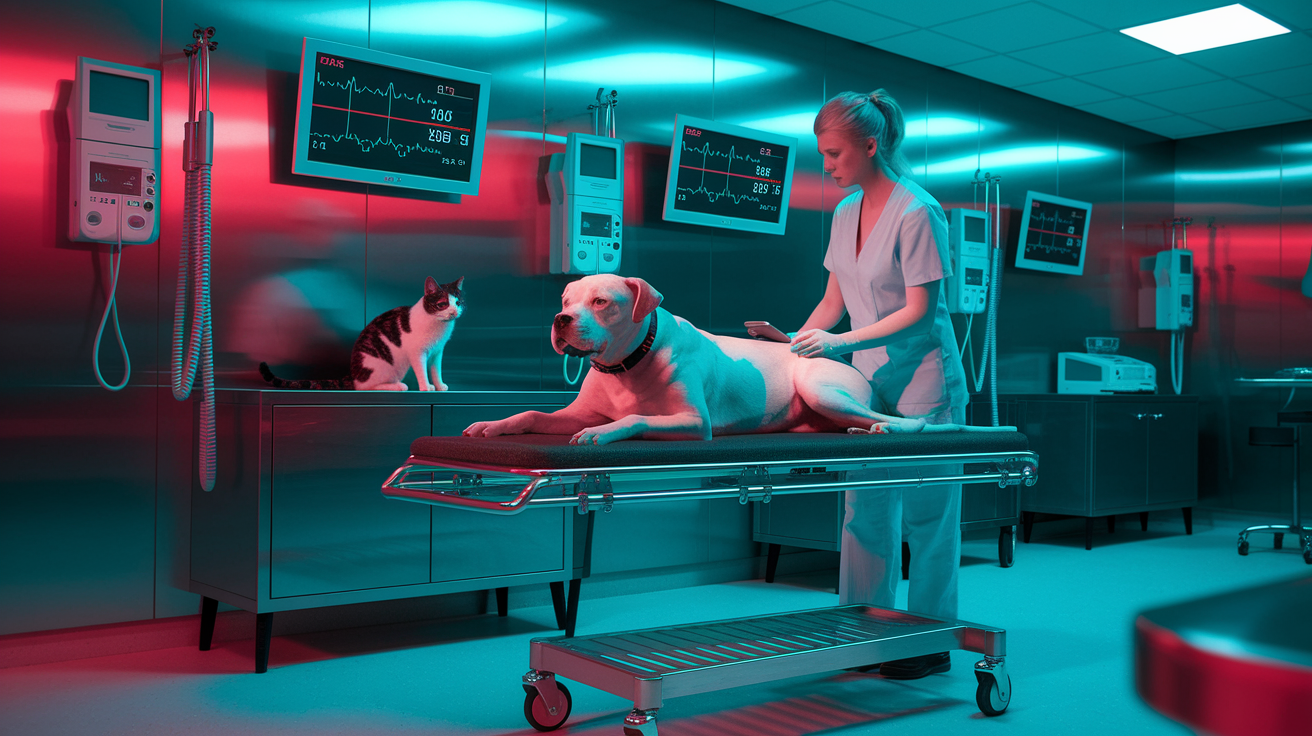
Some pet health changes can wait for a regular clinic appointment. Others can’t. The difference usually comes down to how fast critical systems are failing. When your pet can’t breathe, when circulation shuts down, or when the nervous system goes haywire, minutes matter.
If you’re seeing any of these symptoms, call an emergency vet right now while you get your pet ready to move. A lot of these conditions get worse in minutes, not hours. Early intervention matters.
- Breathing distress: open-mouth breathing (especially cats), gasping, blue or pale gums, rapid shallow breaths, or total inability to pull in air
- Collapse or unresponsiveness: sudden fainting, can’t stand, limp body, unconsciousness, or extreme weakness with no clear reason
- Bleeding or trauma: uncontrolled bleeding anywhere, deep puncture wounds, visible bone, car accidents, falls from height, or bite wounds that go into the chest or abdomen
- Seizure activity: seizures lasting over 5 minutes, multiple seizures within an hour, or any first-time seizure in a pet with no history
- Poisoning exposure: known ingestion of chocolate, xylitol, rodent poison, antifreeze, lilies (cats), grapes (dogs), medications, or household chemicals, even if your pet looks fine right now
- Severe gastrointestinal warning signs: repeated vomiting with blood, sudden abdominal swelling with attempts to vomit that only produce white foam, straining to defecate with visible pain, or inability to urinate (especially male cats)
Understanding Respiratory, Cardiac, and Neurological Emergency Signs
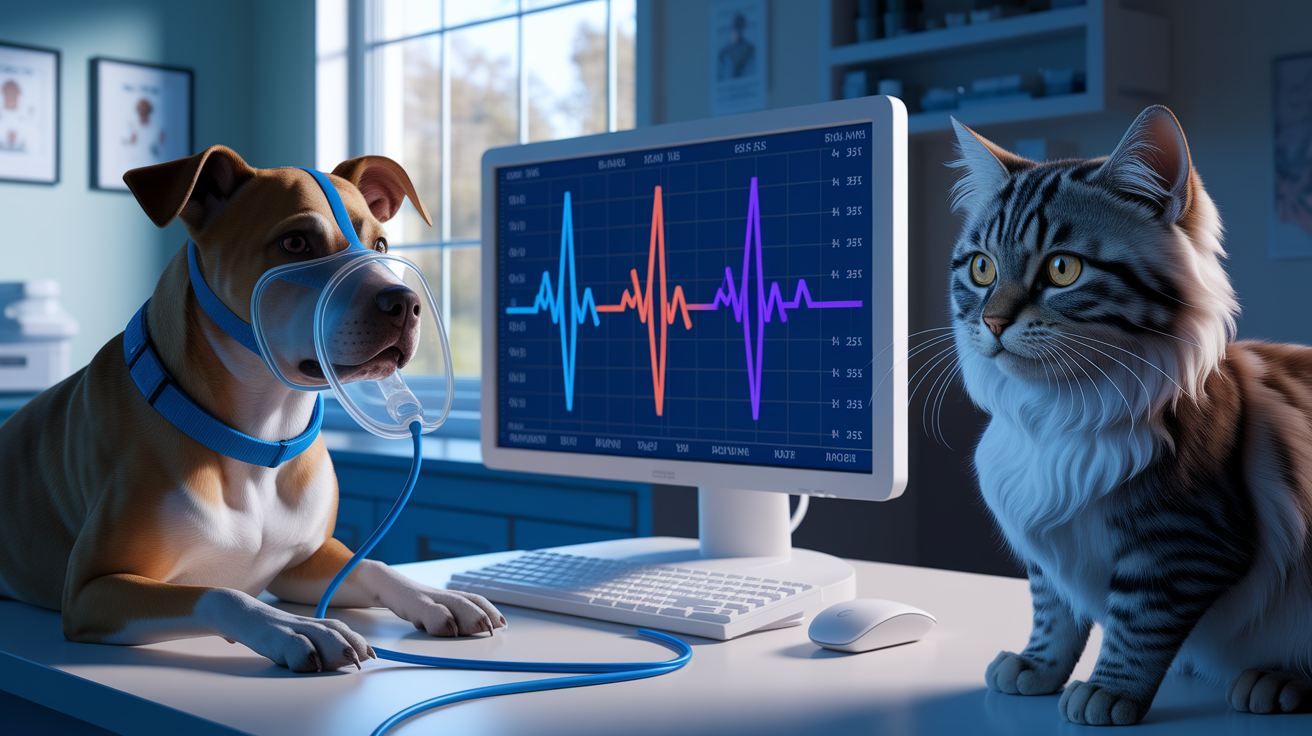
Respiratory emergencies usually show up loud. Panting that won’t stop. Breathing that sounds wet and labored. But cats in respiratory crisis can go quiet. A cat breathing fast with its mouth open is in serious trouble. Dogs gasp, wheeze, or develop a blue tinge to the tongue and gums when oxygen drops. Any pet struggling to move air needs emergency oxygen therapy and diagnostics to figure out if there’s fluid in the chest, airway blockage, or lung disease. Brain damage from oxygen deprivation starts within minutes.
Cardiac emergencies are harder to catch at home because the heart can fail quietly until everything collapses at once. A pet that suddenly faints, staggers and falls to the side, or becomes weak and unresponsive might be having an arrhythmia, severe blood pressure drop, or a clot blocking blood flow. Some pets recover within seconds and act normal afterward. That tempts owners to wait. Don’t. A collapse episode that resolves on its own still needs same-day emergency evaluation. The next episode might not resolve, and underlying heart disease often gets worse fast without treatment.
Neurological crises include seizures, sudden blindness, loss of balance, or an inability to control the limbs. A seizure lasting longer than five minutes, or repeated seizures without full recovery in between, is called status epilepticus. It’s a medical emergency. During a seizure, the brain misfires uncontrollably. Prolonged episodes can cause permanent brain damage or death. After a seizure ends, pets often seem disoriented, exhausted, or temporarily blind. Keep the area calm and quiet, move furniture or objects away to prevent injury, and call the emergency vet. Don’t restrain your pet during the seizure. Don’t put your hands near the mouth.
Species‑Specific Emergency Differences in Dogs vs. Cats

Dogs show emergencies loudly. A dog in severe pain will often vocalize, pant heavily, pace, or refuse to settle. Bloat, where the stomach fills with gas and twists on itself, happens almost exclusively in deep-chested breeds like Great Danes, German Shepherds, and Standard Poodles. The abdomen swells fast. The dog tries to vomit but only brings up white foam. Heart rate spikes. Heatstroke is another dog-heavy emergency, especially in brachycephalic breeds like Bulldogs and Pugs. Dogs also account for most toxic ingestion emergencies because they’re more likely to eat unfamiliar stuff, grab food off counters, or chew through packaging.
Cats hide pain and distress as a survival instinct. A cat in respiratory crisis might just sit very still, breathe faster than normal, and avoid interaction. A cat with a urinary blockage, one of the most common feline emergencies, may make repeated trips to the litter box, strain without producing urine, vocalize softly, or lick the genital area. Male cats are at highest risk. A complete blockage can cause bladder rupture and cardiac arrest within 24 to 48 hours. Cats also get sudden-onset heart disease that may not show any symptoms until a blood clot lodges in the hind legs, causing sudden paralysis and severe pain.
The symptom that’s easiest to miss in cats is lethargy that looks like “just resting.” A lethargic cat who stops eating, hides more than usual, or breathes faster while lying still may be in critical condition. Dogs broadcast distress through behavior changes. Cats withdraw and wait. That means owners often discover feline emergencies hours or even a full day after onset. If your cat’s daily routine suddenly changes, especially around eating, litter box use, or social interaction, treat it as an urgent signal even if the cat isn’t crying or panting.
What to Do When an Emergency Symptom Appears

When you recognize an emergency symptom, your first job is to keep your pet safe and limit additional injury while you arrange transport. For a pet who’s collapsed or can’t walk, slide a large towel, blanket, or flat board underneath the body to use as a stretcher. Don’t twist the spine or pull on limbs. If your pet is conscious and in pain, approach slowly and speak in a calm voice. Injured animals may bite out of fear or discomfort, even if they’ve never shown aggression before. A muzzle can protect you during transport, but skip it if your pet is vomiting, struggling to breathe, or unconscious.
What not to do is often as important as what to do. Don’t give any medications, including over-the-counter pain relievers, unless a veterinarian tells you to. Human medications like ibuprofen and acetaminophen are toxic to pets. Even pet-safe drugs can interfere with emergency diagnostics or treatment. Don’t try to induce vomiting at home after a suspected poisoning without veterinary guidance. Some substances cause more damage coming back up, and vomiting can be dangerous if the pet is already weak or disoriented. Don’t delay transport to search online for home remedies or try to splint a broken bone yourself. Stabilize the pet as gently as possible and go.
Call the emergency clinic before you leave home if you can do so safely. Letting the veterinary team know you’re on the way with a specific emergency, like “suspected bloat” or “seizure lasting 10 minutes,” lets them prepare equipment, pull up records, and triage your pet the moment you arrive. When you call or check in, be ready to describe exactly what you saw: when the symptom started, how many times it happened, whether your pet ate or drank anything unusual, and whether there’s been any recent trauma or exposure to toxins. Bring any packaging, pill bottles, or plant samples if poisoning is suspected. Write down the timeline if your memory feels shaky under stress.
Preventative Awareness and When to Monitor vs. Act

Not every worrying symptom is a drop-everything emergency. A single episode of soft stool after eating something questionable, a slight limp that gets better with rest, or a brief coughing fit that resolves on its own may fall into the monitor-and-call-tomorrow category. The key is recognizing when a mild symptom is staying mild and when it’s the start of something worse.
Set a short monitoring window with clear thresholds. For example, if your dog vomits once and then acts normal, eats a small meal, and keeps water down, you can watch for 12 to 24 hours. But if vomiting happens again, or if lethargy or diarrhea shows up, call the vet same day. If your cat skips one meal but drinks water and uses the litter box normally, monitor appetite at the next feeding. Two skipped meals in a row, especially with hiding or behavior changes, means it’s time to call.
Age, breed, and underlying health conditions compress the timeline. A puppy or kitten who vomits twice in six hours is at higher dehydration risk than an adult dog. A senior pet with diabetes or kidney disease has less reserve to handle even minor symptoms. Brachycephalic breeds overheat faster. Deep-chested large dogs face higher bloat risk. When in doubt, call your regular vet or an emergency clinic and describe what you’re seeing. A quick phone conversation can confirm whether you need to come in now, schedule an appointment for later today, or keep monitoring with specific instructions on what changes should trigger immediate action.
Final Words
Spotting fast-moving signs like trouble breathing, collapse, or seizures is the first step. This post walked you through the most urgent symptoms, how respiratory, cardiac, and neurological crises can look, and the ways dogs and cats may show them differently.
It also covered what to do right away—safe transport, what not to try at home, and how to explain symptoms to a clinic—and how to watch milder signs so they don’t escalate.
Keep this pet emergency symptom guide handy, note what you see, and call your vet if red flags appear. You’ve got this.
FAQ
What symptoms indicate my pet needs emergency veterinary care immediately?
Emergency symptoms requiring immediate veterinary care include respiratory distress (gasping, blue gums, open-mouth breathing in cats), collapse or unresponsiveness, uncontrolled bleeding, seizures lasting over two minutes, suspected poisoning, bloat signs in dogs, urinary blockage signs in cats, sudden paralysis, repeated violent vomiting, or pale gums. Contact an emergency vet right away if you notice any of these signs.
How do breathing emergencies look different in dogs versus cats?
Breathing emergencies look different in dogs versus cats because dogs typically pant heavily, make loud wheezing sounds, or stand with elbows out when struggling to breathe, while cats often breathe silently with mouths open, hide in quiet spots, or show subtle belly movement and extended necks. Cats mask distress longer, so any open-mouth breathing in a cat is a true emergency.
What should I do first when my pet shows emergency symptoms?
When your pet shows emergency symptoms, call an emergency vet immediately to alert them you’re coming, keep your pet calm and still to prevent worsening injury, avoid giving food, water, or medications unless instructed, and transport them carefully in a secure carrier or on a flat surface. Do not attempt home treatments during life-threatening situations.
Can mild symptoms turn into emergencies, and how do I know when to act?
Mild symptoms can turn into emergencies depending on your pet’s age, breed, and overall health, so monitor frequency, intensity, and duration closely. Contact a vet if mild limping suddenly worsens, occasional vomiting becomes repeated or bloody, slight lethargy progresses to unresponsiveness, or any symptom lasts beyond 24 hours without improvement. When in doubt, call.
What are the warning signs of bloat in dogs?
Warning signs of bloat in dogs include a swollen, hard, or tight belly, unproductive retching (trying to vomit with nothing coming up), restlessness, pacing, drooling, rapid shallow breathing, pale gums, and signs of pain when the abdomen is touched. Bloat is life-threatening and progresses within minutes, so immediate emergency care is critical.
How do I recognize a seizure versus other neurological emergencies in pets?
A seizure in pets involves sudden loss of consciousness, rigid or paddling legs, drooling, loss of bladder or bowel control, and typically lasts under two minutes, while other neurological emergencies may show head tilt, circling, sudden blindness, dragging limbs, or prolonged disorientation without convulsions. Any seizure lasting over five minutes or multiple seizures in one day requires emergency care.
What information should I give the emergency vet when I call?
When you call the emergency vet, provide your pet’s species, age, weight, the specific symptom you’re seeing (including when it started and how it’s changed), any known toxin exposure, current medications, and whether your pet is conscious and breathing. Take a quick video if possible, note gum color, and mention any recent changes in behavior or appetite.
Why do cats hide emergency symptoms more than dogs?
Cats hide emergency symptoms more than dogs because of their evolutionary instinct to mask weakness from predators, making them appear normal even when seriously ill. Cats often retreat to quiet hiding spots, stop grooming, or show only subtle changes like reduced appetite or slightly labored breathing, so any behavior shift in a cat warrants closer observation and often faster veterinary contact.
What should I never do during a pet emergency?
During a pet emergency, never give human medications, attempt to induce vomiting without veterinary instruction, restrain a seizing pet’s mouth or limbs, delay calling a vet to try home remedies first, or move a pet with suspected spinal injury without proper support. Avoid feeding or giving water to unconscious or vomiting pets, as this increases aspiration risk.
How can I tell if my pet’s gum color indicates an emergency?
Your pet’s gum color indicates an emergency if gums appear white or very pale (shock or severe blood loss), blue or purple (oxygen deprivation), bright red (heatstroke, poisoning, or severe infection), or yellow (liver issues). Normal gums are pink and moist, refilling with color within two seconds after gentle pressure, so any color change paired with other symptoms requires immediate veterinary evaluation.