

Could a few slow licks at the water bowl be the difference between a quick fix and an emergency?
Dehydration in pets can start subtly, with tacky gums, slow skin return, or sunken eyes, and catching it early helps you decide whether to monitor at home or go to the clinic.
This checklist shows the clear signs to look for, simple home tests you can do in under a minute, and which findings mean you should call your vet right away.
Read on to learn fast, practical steps so you can act calmly and protect your pet.
Immediate Pet Dehydration Checklist for Fast Home Assessment
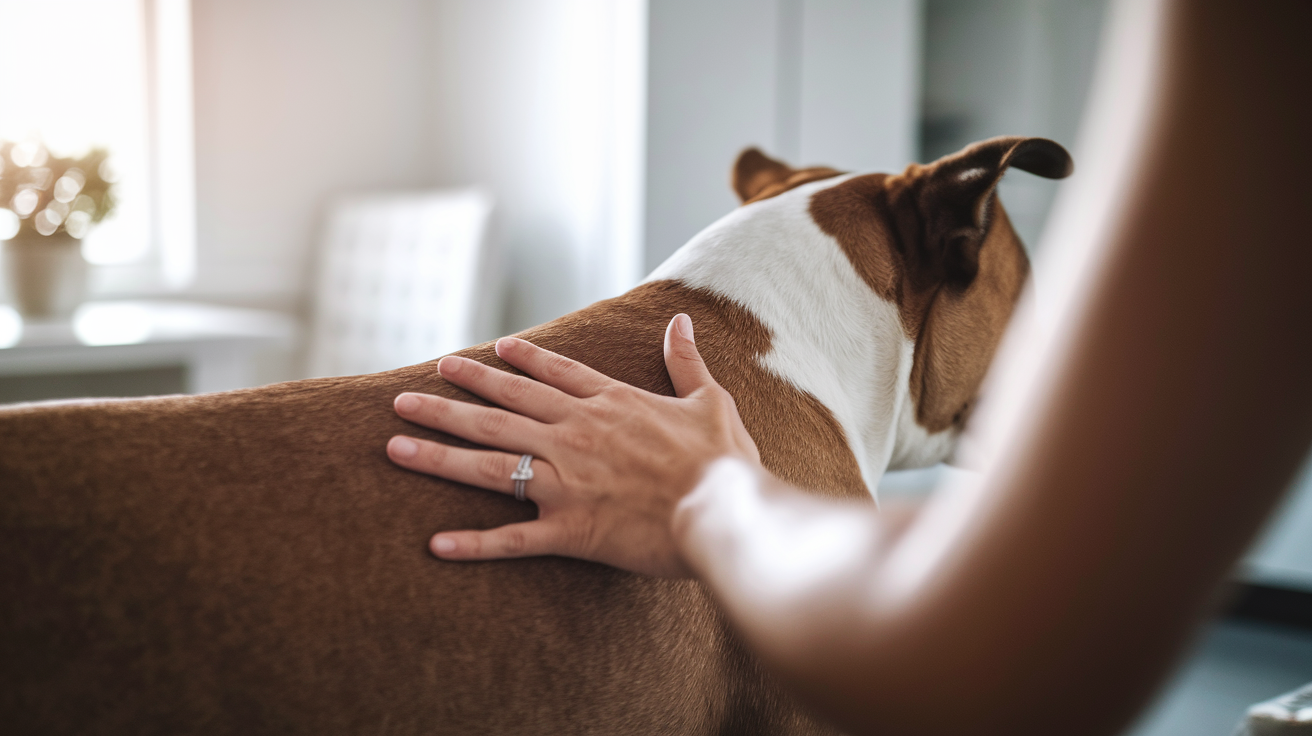
When your pet’s acting weird or something feels off, catching dehydration early helps you figure out whether to keep an eye on things or get to the vet now. A few quick checks give you solid clues about what’s going on.
You don’t need special tools. Most dehydration signs are things you can see or feel with your hands. Here’s what to look for:
- Skin tent test result: Pinch the skin over your pet’s shoulder blades gently, then let go. It should snap back right away. If it stays tented or moves back slowly, your pet’s losing elasticity, a common sign of dehydration.
- Dry or tacky gums: Normal gums are pink, shiny, and wet. If your finger sticks or the gum feels dull and sticky, your pet might be dehydrated.
- Dry nose: A dry nose alone doesn’t confirm anything, but if it’s unusually dry and you’re seeing other symptoms too, take note.
- Thick, stringy saliva: Healthy spit is thin and watery. Ropey or thick saliva? That’s a red flag.
- Sunken eyes: Eyes that look recessed or dull often mean moderate to severe dehydration.
- Decreased appetite: A pet who suddenly doesn’t want food or treats could be feeling bad from fluid loss.
- Lethargy or reduced energy: If your normally bouncy pet is just lying around, dehydration might be part of it.
- Reduced urine output or very dark urine: Fewer bathroom trips or darker pee means they’re not getting enough water.
- Excessive panting: Panting when it’s not hot out or after they’ve been resting can signal dehydration, pain, or stress.
- Behavior changes: Confusion, stumbling, or seeming out of it are serious signs that hydration and circulation are compromised.
This checklist gives you a quick snapshot. Use it as your starting point, then keep reading to learn how to do simple tests at home, understand how severe things are, and know exactly when to call your vet.
Hands-On Pet Hydration Tests and How to Perform Them Safely
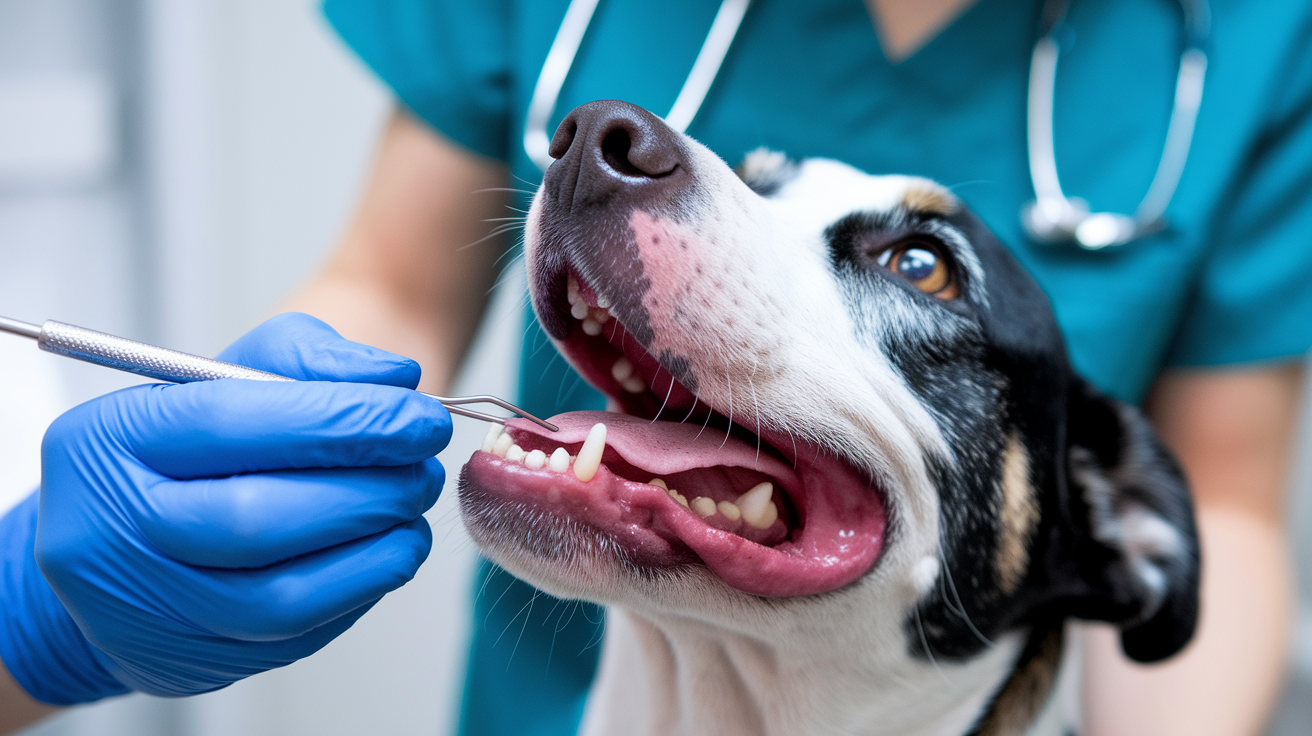
Testing your pet’s hydration at home takes under a minute and gives you actual information about whether their body’s holding onto enough water. These quick checks help you go from “something’s wrong” to “I can see what the problem is,” which makes deciding next steps easier and helps you explain what you’re seeing to your vet.
These tests work best on healthy-weight pets with normal skin and coat. They’re harder to read on very wrinkly breeds, older pets with naturally loose skin, or extremely thin or overweight animals. When you’re not sure, trust your gut and call your vet.
Skin Tent Test
Gently pinch and lift the skin over your pet’s shoulder blades, then release. In a well-hydrated pet, the skin snaps back instantly, like a rubber band. If it stays tented or sinks back slowly, that delay tells you their skin’s lost elasticity because fluid levels are dropping. This test’s less reliable in older pets or breeds like Bulldogs and Shar-Peis, whose skin naturally has more give.
Gum Moisture and Capillary Refill Test
Lift your pet’s lip and press your finger gently on the gum until the spot turns white or pale. Let go and count how long it takes for the pink to come back. Normal capillary refill is under two seconds. Longer than that means blood isn’t circulating well, which can point to dehydration or poor perfusion. While you’re there, check the gum texture. Healthy gums feel moist and smooth. Sticky, tacky, or dry gums are a clear warning.
Saliva and Mucous Membrane Check
Open your pet’s mouth briefly and look at the saliva. Healthy saliva is thin and watery. Thick, ropey, or stringy strands mean your pet’s mucous membranes are drying out. This pairs well with the gum check, since both respond fast to hydration changes. If both look bad, your pet needs water and possibly a vet visit.
Pet Dehydration Severity Levels and What Each Stage Looks Like
Not all dehydration’s the same. Knowing the difference between mild, moderate, and severe stages helps you match your response to how serious things are. Mild dehydration can often be handled at home with close watching, but severe dehydration’s a veterinary emergency that can lead to organ failure if you wait.
| Stage | Observable Signs | Immediate Action |
|---|---|---|
| Mild Dehydration | Slightly tacky gums, subtle skin tent delay (skin returns in 1–2 seconds), mild lethargy, slight decrease in energy or appetite, no vomiting or diarrhea | Offer small amounts of cool, fresh water every few hours. Monitor closely for the next 12–24 hours. If signs persist or worsen, call your vet for advice. |
| Moderate Dehydration | Obvious skin tent (skin stays raised 2–3 seconds), dry or sticky gums, sunken eyes, reduced urine output, vomiting or diarrhea present, decreased appetite, noticeable lethargy | Contact your veterinarian promptly. Your pet may need subcutaneous fluids or an exam to assess the underlying cause. Do not delay beyond a few hours. |
| Severe Dehydration | Very slow or absent skin return (skin stays tented 3+ seconds), very dry or pale gums, prolonged capillary refill time (>2 seconds), sunken eyes, collapse, extreme lethargy, confusion, seizures, rapid heart rate (>160 bpm sustained), signs of shock or heatstroke | Immediate emergency veterinary care required. Transport your pet to the nearest emergency clinic without delay. IV fluids and intensive monitoring are likely needed. |
Mild dehydration often happens after a long hike on a warm day, a bout of mild stomach upset, or when your pet just hasn’t been drinking enough. At this stage, your pet’s still alert, responsive, and able to drink. Offering water in small amounts and watching closely is usually enough, but you should see improvement within a few hours. If your pet refuses water, keeps acting tired, or starts vomiting or having diarrhea, bump up your concern level and call your vet.
Moderate to severe dehydration’s different. These pets are losing fluids faster than they can replace them, and their bodies are starting to struggle. Sunken eyes, ongoing vomiting, and slow capillary refill mean circulation and organ function are at risk. Severe dehydration can turn into shock, kidney damage, or collapse within hours, so immediate vet care isn’t optional. If your pet shows signs in the severe column, don’t wait to see if they get better. Get them to a vet or emergency clinic right away.
Immediate Actions to Take When Your Pet Shows Dehydration Symptoms

When you spot early dehydration, acting quickly and calmly can stop a small problem from becoming an emergency. The goal at home is to encourage slow, gentle rehydration while you watch for improvement or signs you need professional help.
For mild dehydration, offering small amounts of cool, fresh water’s your first move. Small dogs should get about a teaspoon every few hours. Medium to large dogs can handle a tablespoon to a quarter cup every few hours. Small, frequent sips are safer than letting your pet gulp down a full bowl, which can cause vomiting and make dehydration worse. If your pet’s already vomiting or won’t drink at all, skip the at-home fluids and call your vet.
- Offer cool, fresh water in small amounts. Start with a teaspoon for small pets or a tablespoon for larger ones every 30 minutes to an hour. Let your pet drink slowly and stop if they seem uninterested or start vomiting.
- Consider an electrolyte solution only after talking to your vet. Products like Pedialyte can replace lost sodium, chloride, and potassium, but dose and timing matter. Never give electrolyte fluids if your pet’s vomiting, and always confirm the right amount with your vet first.
- Offer ice cubes or ice chips for reluctant drinkers. Some pets prefer licking ice over drinking from a bowl, and it’s a slower, safer way to get fluids in.
- Monitor every one to two hours. Check gum moisture, skin tent, energy level, and urine output. Write down what you see so you can track whether your pet’s improving or getting worse.
- Never force water. If your pet refuses to drink or can’t keep water down, forcing fluids can cause aspiration (fluid in the lungs) or more vomiting. Stop and get veterinary help.
- Cool your pet if heat’s involved. Move them to shade or a cool area. Use a fan or damp towels on paw pads, armpits, and groin, but avoid ice-cold water, which can make blood vessels constrict and slow cooling.
- Prepare for transport if symptoms persist or worsen. Have a carrier ready, bring a towel or blanket, and note when symptoms started, how long they’ve lasted, and what you’ve tried. This info helps your vet assess urgency.
At-home actions only work for mild dehydration in an otherwise stable, alert pet. If your pet’s vomiting, has diarrhea, shows signs of collapse, has a sustained heart rate over 160 beats per minute, or you think it’s heatstroke, don’t try to handle it at home. These are emergencies, and waiting can lead to organ failure or death.
Veterinary Diagnosis and Treatment When Pet Dehydration Becomes Severe

When dehydration moves past what you can safely handle at home, your vet takes over with a full assessment and targeted treatment. The vet’s first job is confirming dehydration, measuring severity, and figuring out the cause so they can treat both the symptom and the underlying problem.
During the initial exam, your vet will check your pet’s temperature, heart rate, and breathing. They’ll do the same skin tent and gum tests you did at home but with a trained eye for subtle changes. From there, they’ll decide which tests are needed to understand the full picture. Dehydration rarely happens alone. It’s usually a symptom of something else, like illness, injury, or environmental stress.
Treatment depends on severity. Pets with mild to moderate dehydration might get subcutaneous fluids, which are injected under the skin and absorbed over several hours. For severe dehydration, intravenous (IV) fluids delivered through a catheter are the gold standard because they restore blood volume and electrolyte balance fast. Your vet will also tackle the root cause, whether that’s stopping vomiting, treating infection, managing kidney disease, or rehydrating a pet recovering from heatstroke.
- Full medical history and symptom timeline: Your vet will ask when symptoms started, how long they’ve lasted, and whether your pet’s been exposed to heat, toxins, or new foods.
- Fecal parasite check: Common intestinal parasites like hookworms, roundworms, whipworms, tapeworms, Giardia, and coccidia can cause diarrhea and rapid dehydration, especially in puppies.
- Abdominal x-rays: X-rays help spot foreign bodies (rocks, toys, socks) that might be blocking the digestive tract and causing vomiting.
- Urinalysis: Checking urine concentration and specific gravity tells your vet how well the kidneys are working and whether dehydration’s affecting kidney function.
- Routine bloodwork: Blood tests measure kidney values (BUN, creatinine), electrolytes (sodium, chloride, potassium), and overall organ function to guide fluid therapy and uncover underlying disease like diabetes or Cushing’s.
Preventing Dehydration in Pets: Daily Habits and Seasonal Adjustments

Prevention’s easier than treatment. Most dehydration cases can be avoided with simple, consistent habits that keep water intake steady and reduce fluid loss. The baseline’s straightforward: pets need about one ounce of water per pound of body weight per day. A 25-pound dog should drink roughly 25 ounces, or about three cups, daily. That goes up during hot weather, after exercise, or if your pet’s nursing, sick, or on certain medications.
Building a hydration routine takes the guesswork out. Here are ten habits that make a real difference:
- Keep fresh, clean water available all the time. Refill bowls at least twice a day, and rinse them daily to stop bacteria and off-putting tastes.
- Check outdoor water bowls more often. Water outside gets hot, dirty, or evaporates quickly. In summer, check and refill every few hours.
- Provide extra water during and after exercise. Offer water breaks during long walks or play, and let your pet drink when they get home.
- Feed wet food to boost fluid intake. Canned food’s 70–80% water, compared to 10% in dry kibble. For pets who don’t drink enough, wet food’s an easy hydration boost.
- Use a pet water fountain. Some pets prefer running water. Fountains encourage drinking and keep water cooler and more appealing.
- Monitor intake daily, especially in seniors or chronically ill pets. Know your pet’s normal drinking habits so you can spot changes early.
- Keep vaccinations current. Vaccines prevent diseases like parvovirus, which causes severe vomiting, diarrhea, and rapid dehydration in puppies.
- Stay current on parasite prevention. Monthly preventatives reduce the risk of intestinal parasites that lead to diarrhea and fluid loss.
- Limit outdoor time during peak heat. Walk your dog early morning or late evening in summer. Avoid hot pavement and never leave pets in enclosed vehicles, where heatstroke can develop in 15 to 20 minutes even when outside temps are only around 60 degrees.
- Bring water and a portable bowl when traveling. Pets often drink less in unfamiliar places. Having their own water source encourages normal intake.
For seniors, adjust routines to account for reduced mobility and age-related conditions like kidney disease. Offer multiple water stations around the house so your older pet doesn’t have to walk far. In hot weather, increase water availability and watch for excessive panting or lethargy. Nursing mothers and puppies need extra hydration. Nursing dogs lose fluids through milk production, and puppies dehydrate faster than adults. Travel also messes with routines, so pack extra water, offer it often, and monitor your pet closely during and after trips.
Species Differences: How Dehydration Signs Vary Between Dogs and Cats

Dogs and cats show dehydration differently, and age adds another layer. Understanding these differences helps you read symptoms accurately and know when to act, because what looks like mild concern in a dog might be serious in a cat.
Dogs tend to show clearer, more obvious signs. Panting’s a major route of fluid loss in dogs, so excessive panting is both a cause and a symptom. The skin tent test and gum checks are reliable in most dogs, and you’ll often see behavioral changes like lethargy or less appetite fairly early. Cats are experts at hiding illness. Dehydration signs in cats are often subtler: less grooming, a slight drop in appetite, lower urine output, quieter behavior. By the time a cat shows sunken eyes or very dry gums, dehydration’s usually moderate to severe. For cats, trust small changes and call your vet sooner.
Age and life stage also shift the picture. Here are six species and age-specific differences to watch for:
- Cats mask symptoms longer. A dehydrated cat might still eat small amounts, groom occasionally, and appear “okay” to an untrained eye. Monitor water bowl levels and litter box habits closely.
- Senior dogs and cats have naturally less elastic skin. The skin tent test becomes less reliable in older pets, so combine it with gum checks and behavioral observation.
- Puppies dehydrate rapidly. Young dogs have higher body water percentages (70–80% vs. 60% in adults) and lose fluids faster during vomiting or diarrhea. Parvovirus and intestinal parasites are major puppy dehydration risks.
- Kittens are equally vulnerable. Like puppies, kittens dehydrate quickly. Watch for lethargy, refusal to nurse, and decreased energy. Even a few hours of vomiting or diarrhea can be dangerous.
- Dogs pant more, cats hide more. Dogs signal distress through visible panting and restlessness. Cats often withdraw, hide, or become very still, making it easy to miss early signs.
- Brachycephalic (flat-faced) breeds are high-risk. Bulldogs, Pugs, Persian cats, and similar breeds struggle to cool themselves and dehydrate faster in heat or during illness. Monitor these pets more closely year-round.
Final Words
You can act fast. A quick visual checklist and simple hands-on tests — skin tent, gum moisture, saliva, panting — help you spot early dehydration and decide whether to offer small sips or seek care.
If signs point to moderate or severe dehydration, like sunken eyes, very slow skin return, collapse, or repeated vomiting, call your vet or an emergency clinic right away.
Use daily habits and small adjustments for heat or travel to prevent problems. Keep this pet dehydration symptoms checklist handy; it makes watching your pet feel easier and safer.
FAQ
Q: What is the fastest way to rehydrate a dog?
A: The fastest way to rehydrate a dog is to offer small, frequent sips of cool water or ice chips, consider a vet-approved electrolyte solution, and seek urgent veterinary care if vomiting, collapse, or inability to drink.
Q: How does a dog act when it’s dehydrated?
A: A dehydrated dog often seems tired or weak, drinks less, pants more, has sticky gums, sunken eyes, reduced urine, and may stop eating; severe dehydration can cause collapse or disorientation, needing vet attention.
Q: How quickly do dogs recover from dehydration?
A: Recovery speed depends on severity: mild dehydration often improves within 24 hours with fluids, moderate may take 24–72 hours, and severe cases needing IV fluids can take several days under veterinary care.
Q: What are two warning signs of dehydration?
A: Two warning signs of dehydration are tacky or dry gums and a delayed skin-tent return when you lift the skin; if you see either, offer small fluids and contact your vet if it doesn’t improve within a few hours.