

If your cat suddenly looks scruffy and stops cleaning, don’t write it off as lazy.
A cat skipping grooming is a clear signal, often pain, a health problem, or stress that makes grooming hard.
In this post I’ll walk through the common causes, simple at-home steps to prevent mats and keep your cat comfortable, what to watch for over the next 24 to 72 hours, and exactly when you should call your vet.
Key Reasons a Cat May Suddenly Stop Grooming
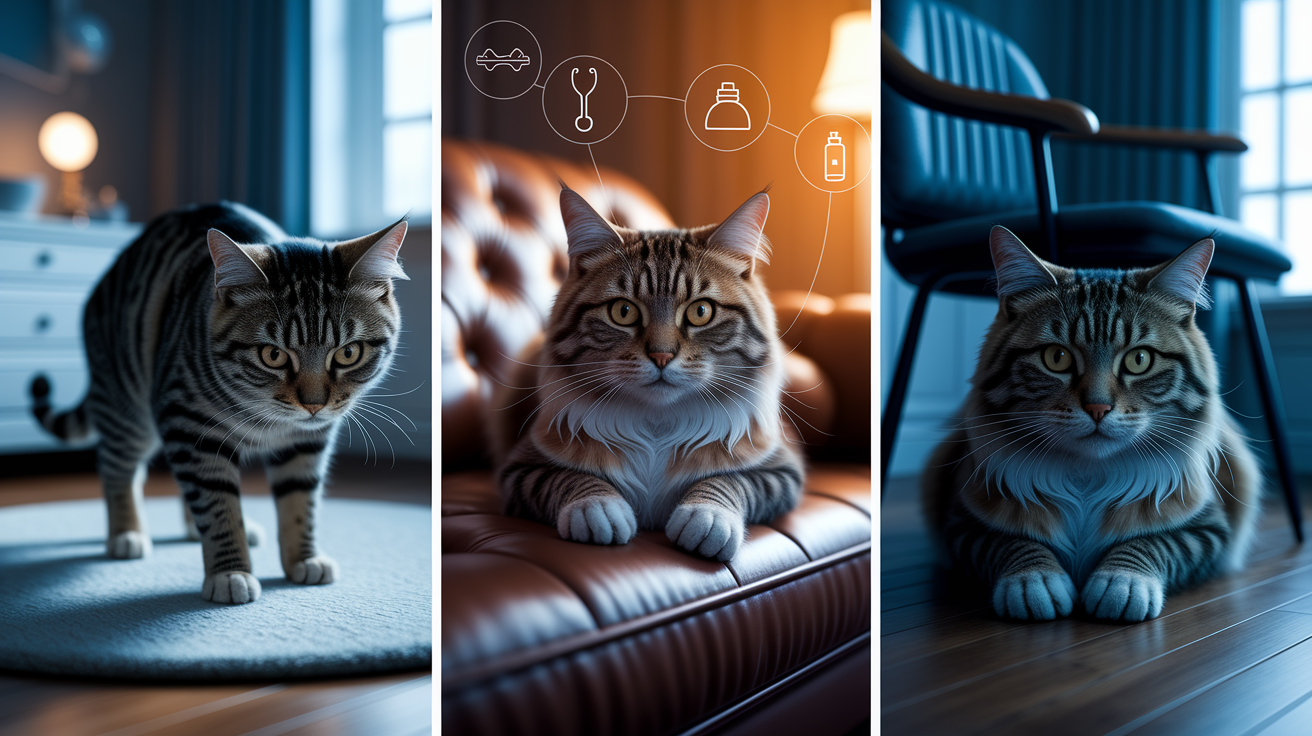
When a cat stops caring for their coat, something’s shifted. Physical problems are usually the culprit. Arthritis makes it painful to twist around and reach the back end or belly. A cat with stiff hips or a sore spine will skip the spots that hurt to access. Extra weight blocks flexibility too. If your cat can’t bend comfortably to clean their hindquarters, they won’t.
Medical conditions drain the energy and motivation grooming requires. General illness, whether it’s a brewing infection, kidney trouble, or an overactive thyroid, pulls focus away from hygiene. Cats hide discomfort well. A scruffy coat often shows up before you notice limping or appetite loss. Chronic kidney disease and hyperthyroidism both produce unkempt fur, even when the cat still tries.
Emotional stress plays a smaller but real role. Grief after losing a companion, territorial pressure from neighborhood cats spraying near the door, or upheaval from a move can interrupt normal routines. Stress more commonly triggers over-grooming and bald patches, but some cats respond by withdrawing from self-care entirely.
• Hind end or lower back looks greasy or matted first
• Coat texture changes, dull, clumpy, or oily
• Visible stiffness when jumping or standing
• Sudden weight gain or visible belly sagging
• Behavioral withdrawal, less play, hiding more
A sudden drop in grooming is a symptom, not a quirk. Cats are fastidious by nature. When they stop, they’re telling you they can’t manage it physically, they’re too tired or sick, or they’re emotionally overwhelmed. Treating the grooming problem alone won’t fix the root cause. You need to find out what changed and address it at the source.
Understanding Normal Grooming Behavior in Cats
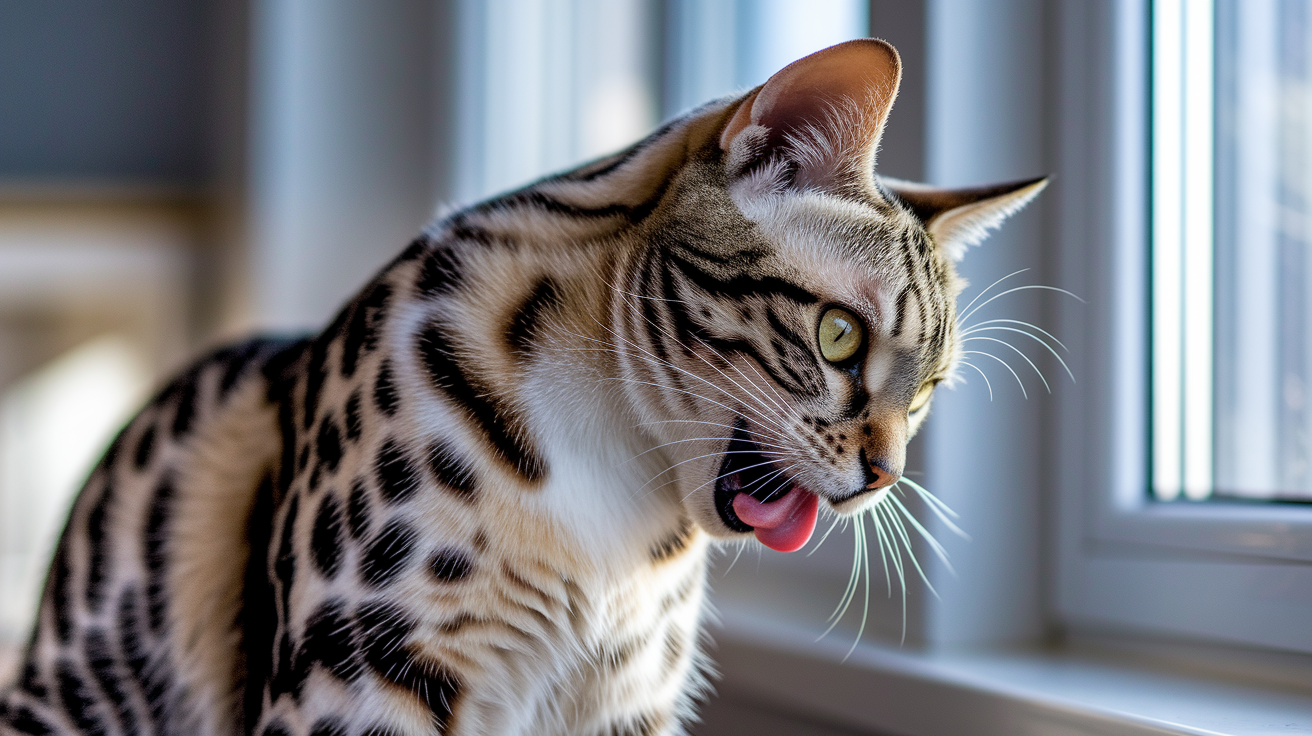
Healthy cats spend roughly 30 to 50 percent of their waking hours grooming. They lick methodically, starting at the head and working back, using their tongue’s rough surface to lift dirt and distribute skin oils. Front paws get licked and used like washcloths for the face. Flexibility matters. Cats twist into tight shapes to reach their sides, belly, and base of the tail. A clean coat, even texture, and the absence of mats or grease are all signs grooming’s happening on schedule.
Long-haired cats present a special challenge. Even when they groom daily, their coat length can outpace their ability to keep it tidy. Persians and Maine Coons may look scraggly despite doing everything right. Their fur is just too much for a tongue to manage alone. That’s normal for the breed, not neglect. Short-haired cats should stay sleek with minimal human help.
- Frequency, multiple short sessions each day, often after meals or naps
- Thoroughness, systematic coverage from head to tail, including hard to reach spots
- Flexibility, ability to bend, twist, and lift hind legs without hesitation
- Coat appearance, smooth, even, free of debris, with a slight natural sheen
Medical Conditions That Cause a Cat to Stop Grooming
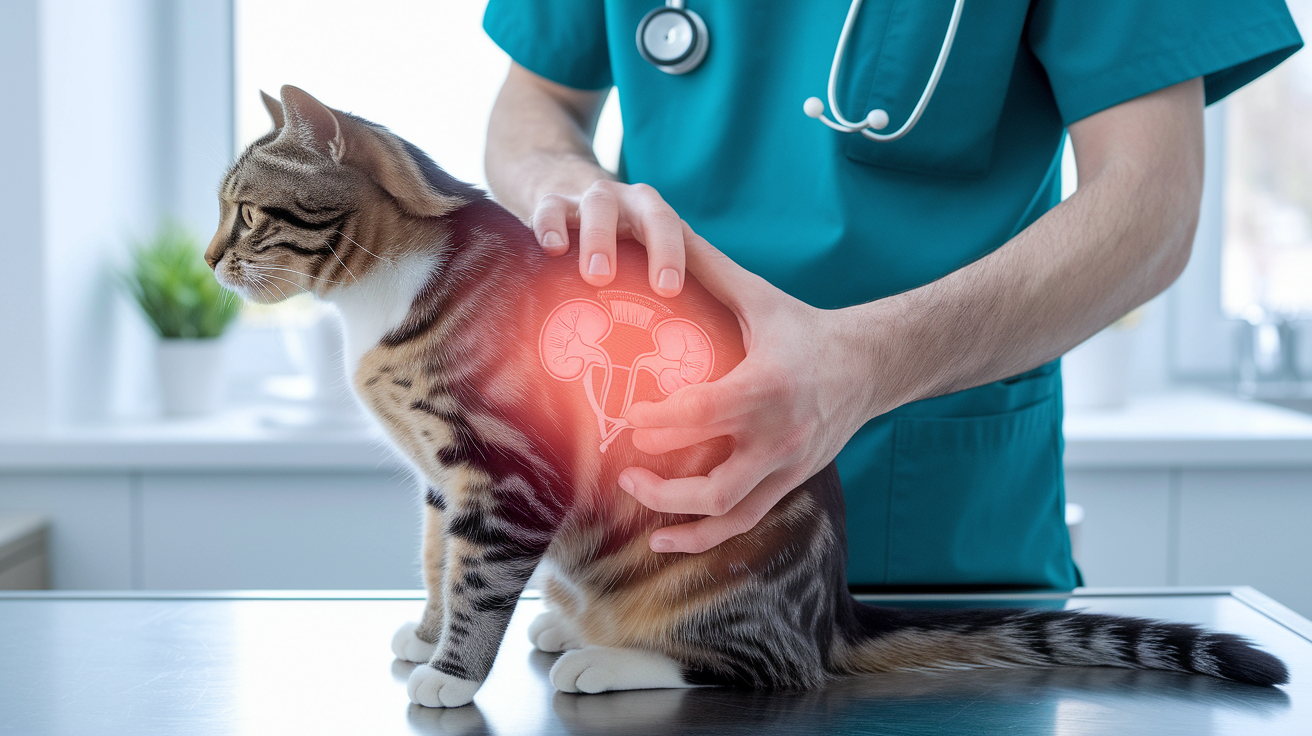
Medical issues account for most grooming changes, especially in cats over seven years old. When the body hurts, is exhausted, or is fighting disease, self-care drops down the priority list. The specific condition shapes which part of the coat suffers first and how quickly things deteriorate.
Joint and Mobility-Related Issues
Arthritis stiffens the spine, hips, and shoulders, making the twisting motions of grooming genuinely painful. Cats typically abandon their hindquarters first, the area that requires the deepest bend. You’ll see greasy fur along the lower back, base of the tail, and rear legs while the head and shoulders stay clean. Over weeks or months, the ungroomed zone creeps forward as stiffness worsens. Pain relief, whether anti-inflammatory medication or joint supplements prescribed by a vet, often brings grooming behavior back within days. The cat was willing all along. They just couldn’t move comfortably enough to do it.
Internal Diseases Affecting Energy and Coat Condition
Chronic kidney disease saps energy and changes how the skin and coat behave. Cats may still groom, but the coat looks dull, rough, and unkempt anyway because the underlying condition alters oil production and hydration. Hyperthyroidism revs the metabolism so high that cats become restless and scattered. Grooming becomes rushed or forgotten entirely, and the hair itself grows in uneven or brittle. Any illness that causes nausea, fever, or general malaise, infections, liver trouble, diabetes, will reduce grooming simply because the cat feels too lousy to bother.
Pain or Dental Problems Limiting Movement
Mouth pain from broken teeth, gum disease, or oral tumors makes it uncomfortable to open the jaw wide or use the tongue with normal pressure. Cats may attempt grooming but quit early or avoid certain body parts. Muscle soreness from overexertion, injury, or even constipation-related straining can create enough discomfort that a cat skips their usual routine. Lethargy from anemia or heart disease leaves cats too tired to invest the effort grooming demands.
| Condition | Typical Signs | Urgency |
|---|---|---|
| Arthritis | Hind-end matting, stiffness, reluctance to jump | Schedule exam within a week |
| Chronic kidney disease | Dull coat, increased thirst, weight loss | Schedule exam within a few days |
| Hyperthyroidism | Unkempt fur, hyperactivity, ravenous appetite | Schedule exam within a few days |
Behavioral and Emotional Triggers Behind Grooming Changes
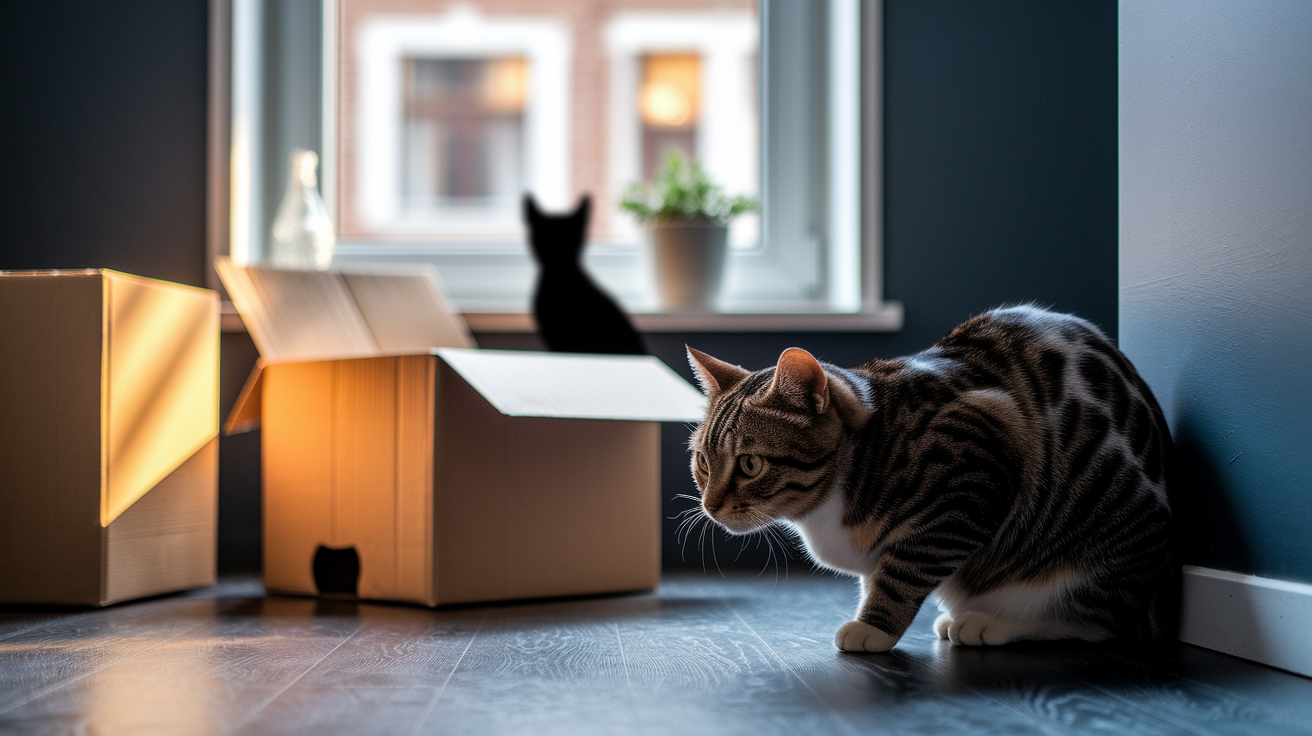
Stress and emotional upheaval can derail grooming, though it’s less common than medical causes. Cats are creatures of routine, and major disruptions can leave them anxious, withdrawn, or hyper-focused on threats instead of hygiene. Bereavement hits hard. Cats who lose a bonded companion sometimes stop eating, playing, and grooming for days or weeks. They’re grieving, and self-care falls away.
Territory disputes drain mental energy. When neighborhood cats spray around your doors or windows, your indoor cat may spend hours patrolling, scent-marking, and staying on alert. That vigilance crowds out grooming time. A new pet, a new baby, construction noise, or even a change in your work schedule can unsettle a sensitive cat enough to disrupt their normal habits. It’s worth noting that stress more often causes over-grooming and bald spots, but under-grooming does happen, especially in cats who withdraw rather than act out.
• Household move or major renovation
• Loss of a companion animal or family member
• Introduction of a new pet, especially another cat
• Outdoor cats threatening territory through windows
• Sudden change in daily routine or primary caregiver absence
Age-Related Decline and Senior Cat Grooming Problems

Senior cats, roughly ten years and older, often develop a scraggly, uneven coat even when they’re otherwise healthy. Joints stiffen with age, reducing the range of motion needed to groom thoroughly. A cat who once bent like a pretzel now struggles to reach past their ribs. Muscle mass declines, energy dips, and the effort grooming requires starts to feel like too much work.
Cognitive dysfunction, the feline version of dementia, can quietly erase learned routines. A cat with cognitive decline may forget to groom, lose interest in cleanliness, or seem confused about how to start. Vision loss makes it harder to spot dirty areas or coordinate licking. Claws that once retracted neatly may stay partially extended, catching on furniture and discouraging movement. The coat itself changes texture, becoming coarser or thinner, and even dedicated grooming won’t produce the sleek finish it used to.
• Loss of spinal and hip flexibility limits reach
• Cognitive decline reduces motivation and memory of grooming routine
• Chronic low-grade pain or fatigue makes sustained grooming effort uncomfortable
How to Assess Coat Changes When Your Cat Stops Grooming
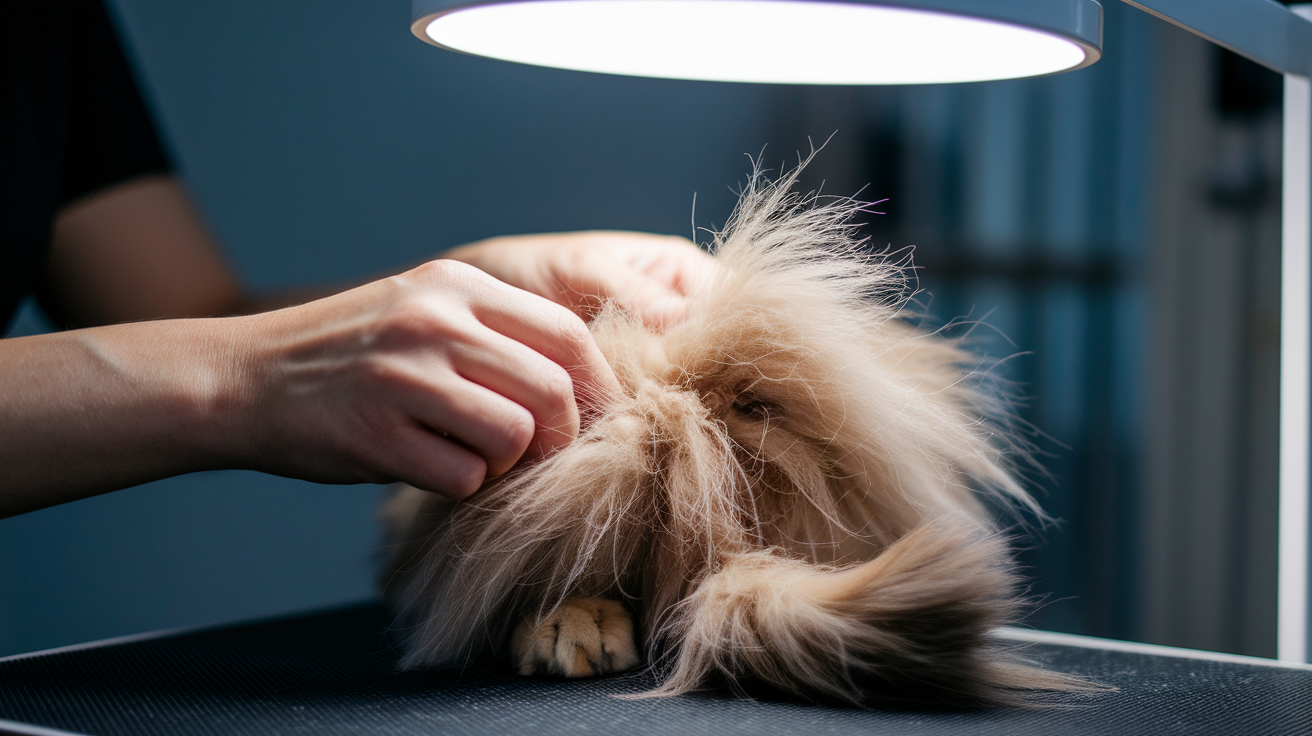
Start by looking at the pattern. Ungroomed areas almost always begin at the hindquarters, the lower back, base of the tail, rear legs, and belly. If your cat’s face and shoulders look fine but their back half is greasy or starting to clump, that’s a flexibility or pain issue. Run your hand gently along the spine and hips. Does the coat feel sticky, rougher than usual, or is there visible matting forming?
Mats develop fast once grooming stops. Short-haired cats can form tight, uncomfortable mats within a week, especially around the armpits, groin, and neck. Long-haired cats can become so heavily matted that the coat restricts movement, pulling on the skin with every step. Severe mats around the hind legs can make walking stiff and awkward, sometimes mimicking paralysis because the cat can’t extend their legs fully.
• Small mats or tangles appearing in areas the cat used to keep clean
• Dull, flat coat with no sheen, even after eating well
• Greasy or oily texture, especially along the spine
• Stale or unpleasant odor from the fur
• Visible debris, litter dust, or food particles stuck in the coat
• Worsening pattern, ungroomed zone spreading forward over days or weeks
Check daily for a few days and note whether things are staying the same, improving, or getting worse. If mats are forming or spreading, don’t wait. The longer they sit, the tighter they become and the more painful removal will be.
At-Home Grooming Support When a Cat Stops Grooming
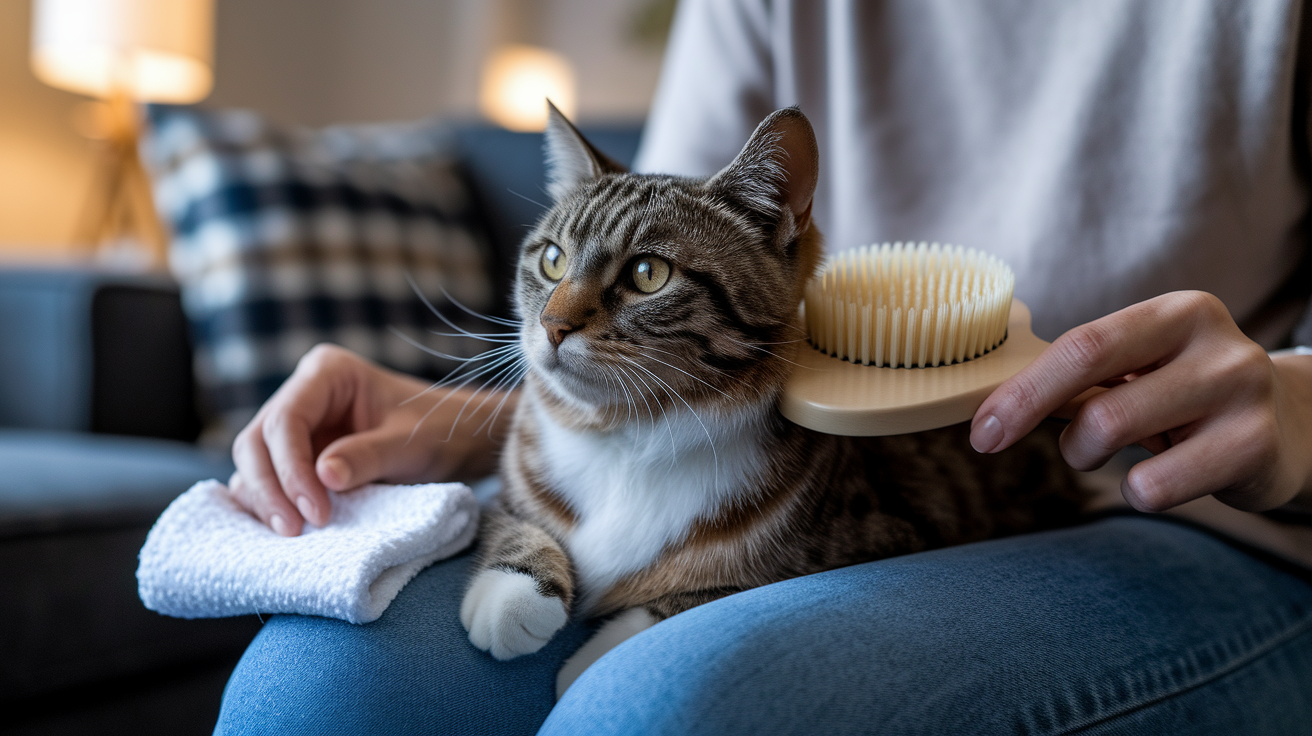
You can’t fix the underlying cause at home, but you can prevent mats and keep your cat more comfortable while you arrange veterinary care. Use a soft-bristle brush or a fine-tooth comb and work gently for a few minutes twice a day. Start at the head and shoulders where your cat tolerates touch easily, then gradually move toward the hind end. If you hit resistance or a tangle, stop and try a different spot. Forcing it will hurt and make your cat resist future brushing.
For cats who won’t tolerate a brush, a damp washcloth works. Warm water, wrung out until barely damp, can lift surface dirt and smooth down rough fur. Focus on the areas your cat can’t reach. Lower back, base of tail, belly, and rear legs. Long-haired cats benefit from careful trimming around the belly and bottom to prevent severe matting, but only if you’re confident with scissors. Otherwise, wait for professional help.
- Brush or comb gently twice a day, a few minutes each session, working from head toward tail.
- Use a warm, damp cloth on areas the cat avoids or where brushing causes discomfort.
- Check daily for new mats. Catch them early when they’re still small and loose.
- Offer calm, low-pressure sessions. Stop if your cat becomes stressed or swats.
When Professional Grooming Is Necessary
If mats have already formed into solid clumps or plates of fur, don’t try to cut them out yourself. Cat skin is thin and stretches easily, and it’s extremely easy to nick or cut them while trimming mats close to the body. Veterinary clinics and professional groomers can safely clip or shave matted cats, often under light sedation if the mats are extensive or the cat is painful. Severe cases sometimes require full sedation to remove mats without causing injury or extreme stress.
When Veterinary Care Is Needed for a Cat Not Grooming
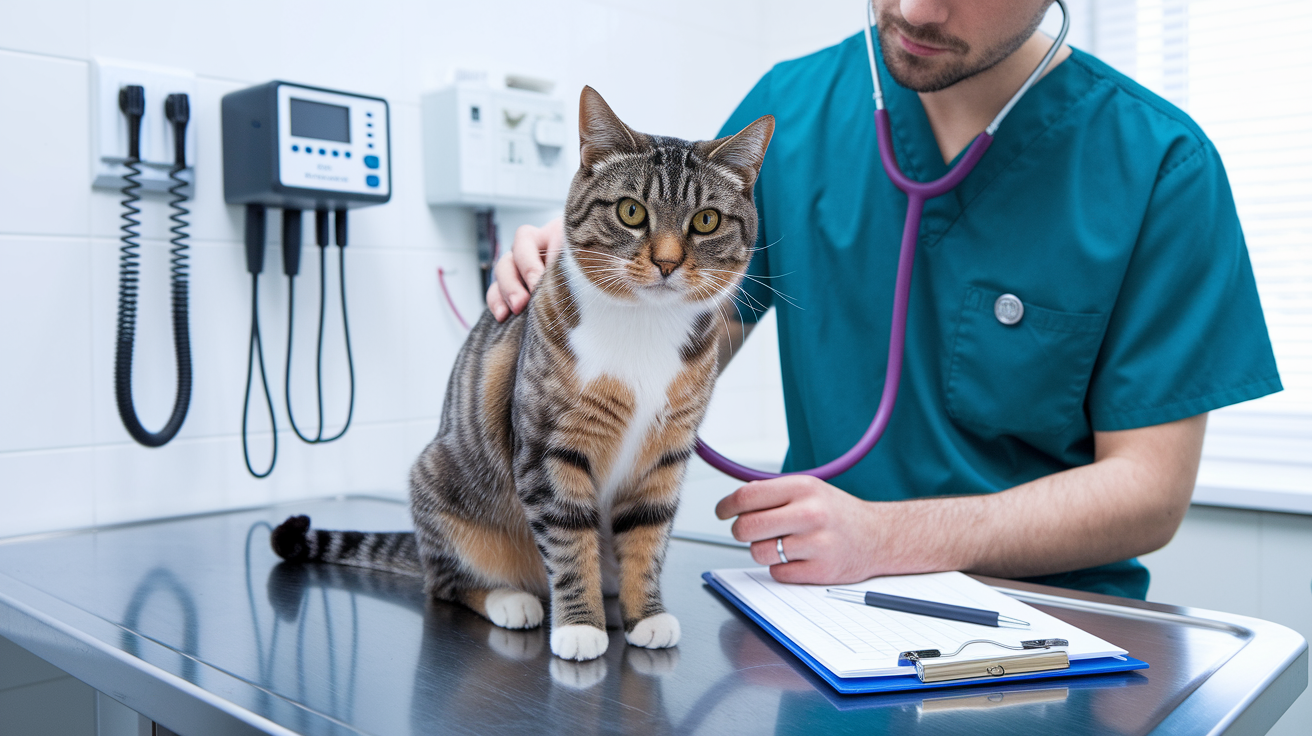
Any cat who stops grooming needs a veterinary exam, ideally within a few days to a week, depending on how quickly the coat is deteriorating and whether other symptoms are present. The vet will perform a physical exam, checking joint mobility, mouth health, body condition, and overall behavior. Bloodwork often follows, especially in older cats, to screen for kidney disease, hyperthyroidism, diabetes, and liver issues. Pain assessment may include watching the cat move, palpating joints, and discussing changes in activity or posture at home.
Treatment depends entirely on what the exam uncovers. Arthritis responds well to pain relief, and many cats resume grooming within days once movement becomes comfortable again. Hyperthyroidism and kidney disease require ongoing medication and monitoring but often stabilize enough that energy and grooming improve. Dental disease may need extractions or cleaning under anesthesia. Cognitive decline has no cure, but environmental adjustments and sometimes medication can support better daily function.
- Rapid coat deterioration, mats forming within days or greasy buildup spreading
- Visible pain signs, flinching when touched, reluctance to jump, stiff gait
- Other symptoms appearing, vomiting, increased thirst, weight loss, hiding, appetite loss
- Behavioral withdrawal, less interaction, sleeping more, avoiding favorite activities
- Mats so severe they restrict movement or pull on the skin
Bring notes on when the grooming change started, which body areas look worst, any recent stressors or household changes, and other symptoms you’ve noticed, even small ones. If possible, take a short video of your cat moving around at home. It helps the vet see mobility issues that might not show up in a ten-minute exam room visit.
Final Words
If your cat suddenly stops grooming, the most likely culprits are physical limits (stiff joints, mats), medical issues (thyroid, kidney, general illness), or emotional stress.
Gently check the hindquarters, feel for mats, keep brushing short and calm, and note changes in appetite, energy, or litter box use. Seek vet care if you find pain, weight loss, foul odor, or fast decline.
A sudden drop in self-care is usually a sign, not the whole problem. If cat not grooming itself persists, your vet can find causes and help restore comfort and a shiny, manageable coat.
FAQ
Q: Is there a 3-3-3 rule for cats?
A: The 3-3-3 rule for cats is a soft adoption guide: 3 days to hide and assess, 3 weeks to learn routines, and 3 months to fully settle. It’s a guideline, not a guarantee.
Q: What is “I love you” in cat language?
A: “I love you” in cat language is shown by slow blinking, head bunting, purring, kneading, following you, or showing their belly, all gentle signs of trust and bonding.
Q: What are the first signs of dementia in cats?
A: The first signs of dementia in cats include disorientation, increased nighttime vocalizing, changed sleep-wake cycles, reduced grooming, housetraining accidents, and less interest in people or play. If sudden or worsening, call your vet right away.
Q: What does a sick cat’s fur look like?
A: A sick cat’s fur often looks dull, greasy, matted, patchy, or smells bad; you may also see dandruff, clumps, or uneven thinning from under- or over-grooming.