

Could a single bloody sneeze actually mean something serious?
Seeing blood when your cat sneezes is scary, and you’re right to pay attention.
This short guide explains common causes, like upper respiratory infections, nose injuries, foreign bits, growths, and clotting problems, so you’ll know the likely reasons.
I’ll also cover safe steps you can take at home, the exact red flags that need same-day care, and how to prepare for a vet visit.
Read on to spot what’s urgent versus what can wait a day or two.
Understanding Why a Cat Might Sneeze Blood

Seeing blood when your cat sneezes is unsettling, and you’re right to take it seriously. The medical term for a nosebleed is epistaxis, and sneezing blood is one way it shows up. Sometimes liquid on the nose triggers a sneeze that expels blood already pooling in the nasal passages.
This isn’t extremely common, but it’s not rare either. It can range from tiny pink‑tinged droplets to active bleeding. Even a single episode deserves attention because it can signal an underlying problem, from a mild infection to something more complex like a tumor or clotting disorder.
Here are the broad categories that most often explain why a cat sneezes blood:
- Upper respiratory infections causing inflamed, fragile nasal tissue
- Trauma to the nose or face from falls, fights, or accidents
- Foreign objects lodged in the nasal cavity
- Growths such as polyps or tumors inside the nose or sinuses
- Blood‑clotting problems from toxins, liver disease, or other systemic conditions
The situation becomes concerning when the bleeding repeats, continues for more than a few minutes, or comes with other symptoms like labored breathing, facial swelling, or lethargy. Cats hide discomfort well. Visible blood is often a late sign that something needs intervention. If you notice sneezing with blood more than once, or if your cat seems off in any other way, contact your vet the same day.
Major Medical Causes of Bloody Sneezing

Upper respiratory infections are a leading cause. Viral infections like feline calicivirus or herpesvirus inflame the nasal lining, making tiny capillaries fragile and prone to rupture. Bacterial infections can follow, deepening the inflammation. Fungal infections such as cryptococcosis or aspergillosis are less common but can cause chronic bloody discharge, especially in cats with outdoor exposure or weakened immune systems. The bleeding often comes with clear or yellow‑green nasal discharge, frequent sneezing, and sometimes fever.
Trauma includes any injury to the head, face, or nose. Falls from heights, car accidents, or cat fights can bruise or fracture delicate nasal bones and blood vessels. Even a sharp blow during play can cause bleeding. With trauma, onset is sudden, often within hours of the incident. You may also see swelling, asymmetry in the face, or your cat pawing at the injured area.
Foreign objects like grass awns, seed husks, or small bits of plant material can lodge deep in a nostril. The body reacts by sneezing repeatedly to expel the object, and the sharp edges can scratch the nasal lining and cause bleeding. This typically starts abruptly and affects one nostril more than the other. The cat may sneeze violently and paw at one side of the face. The bleeding often comes in bursts tied to sneezing episodes.
Nasal polyps or tumors can grow slowly inside the nasal passages or sinuses. Polyps are benign but can block airflow and irritate tissues until they bleed. Tumors, whether benign or malignant (such as lymphoma or adenocarcinoma), are more common in older cats and can erode blood vessels as they expand. Bleeding from a tumor often develops gradually, starts on one side, and may come with chronic discharge, noisy breathing, or visible facial deformity over weeks to months.
Systemic clotting disorders and toxins can cause bleeding from multiple sites, including the nose. Rodenticide poisoning is a medical emergency because it disrupts normal blood clotting, leading to spontaneous bleeding that can be severe. Liver or kidney disease in advanced stages can also impair clotting. Onset can be sudden if toxin exposure happened recently, or gradual if tied to chronic organ failure. You might also notice bleeding gums, dark stool, bruises under the skin, or weakness.
| Cause | How It Leads to Bleeding | Typical Onset Pattern |
|---|---|---|
| Respiratory infection | Inflamed nasal lining ruptures fragile capillaries | Gradual, with other URI signs like sneezing and discharge |
| Trauma | Direct injury breaks blood vessels in nose or face | Sudden, within hours of accident or fight |
| Foreign object | Sharp edges scratch nasal tissue, sneezing expels blood | Abrupt, often one‑sided, linked to sneezing fits |
| Tumor or polyp | Growth erodes or compresses blood vessels over time | Slow, chronic, may progress over weeks to months |
| Clotting disorder or toxin | Impaired clotting leads to spontaneous bleeding | Can be sudden (toxin) or gradual (organ disease) |
Red‑Flag Signs That Require Immediate Veterinary Care

Some symptoms mean you need to get your cat to a vet right away, without waiting to see if things improve. These red flags indicate potential airway compromise, severe blood loss, or life‑threatening illness.
If you notice any of the following, treat it as an emergency and seek immediate veterinary or urgent care:
- Heavy or continuous bleeding that doesn’t slow down after 10 to 15 minutes
- Difficulty breathing, including open‑mouth breathing, rapid chest movement, or labored effort to inhale
- Pale or white gums, which can signal significant blood loss or shock
- Collapse, unresponsiveness, or extreme weakness where your cat can’t stand or walk
- Bleeding from multiple sites at once, such as gums, stool, or urine, suggesting a clotting disorder
- Severe facial swelling that distorts the shape of the nose or blocks airflow
These signs can develop quickly and require diagnostics and treatment that only a veterinary team can provide. Don’t wait overnight if your cat shows any of these symptoms.
When to Seek Veterinary Attention

Even when bleeding is mild and your cat seems otherwise normal, a vet visit is still important. Small flecks of blood can be the first sign of a problem that’ll worsen without treatment.
Call your vet the same day if the sneezing with blood happens more than once, lasts longer than a few minutes, or comes with other symptoms like nasal discharge, facial swelling, or reduced appetite. A single sneeze with a tiny bit of blood might resolve on its own. But if it repeats within 24 hours, schedule an appointment. Document when you first noticed it, how often it’s happening, and which nostril is affected.
Plan to go to the vet within 24 to 48 hours if bleeding is occasional and your cat is eating, drinking, and acting normal otherwise. If symptoms progress, meaning the bleeding becomes more frequent, the amount of blood increases, or new signs like lethargy or coughing appear, move up the timeline and seek care sooner. Chronic nosebleeds that come and go over days or weeks, even if mild, need a full exam because they can point to slow‑growing tumors, dental disease, or fungal infections that require targeted treatment.
What Owners Can Do at Home Before the Vet Visit

Your main job at home is to keep your cat calm and safe while you arrange veterinary care. Stress and movement can raise blood pressure and make bleeding worse.
Move your cat to a quiet, enclosed space where they feel secure. A small room or a carrier with familiar bedding works well. Speak softly and avoid sudden movements or loud noises. If your cat is cooperative, you can apply a cool, damp cloth gently to the bridge of the nose for short intervals, around five minutes at a time, to help constrict blood vessels. Don’t press hard or block the nostrils.
Here’s what to do while waiting for your vet appointment:
- Observe and write down the timing, frequency, and amount of bleeding, plus which nostril is affected.
- Keep your cat indoors and prevent jumping, running, or rough play that could worsen bleeding.
- Take note of any other symptoms like sneezing fits, nasal discharge color, breathing changes, or appetite loss.
- Gather recent medical records, a list of current medications, and any known exposures to toxins or trauma.
- If your vet’s office is open, call ahead to describe what you’re seeing and get specific guidance for transport.
Don’t insert cotton swabs, tissues, or any objects into your cat’s nostrils. Don’t give human medications like aspirin or ibuprofen, which can worsen bleeding. Avoid trying to flush the nose with water or saline at home.
How Veterinarians Diagnose Bloody Sneezing
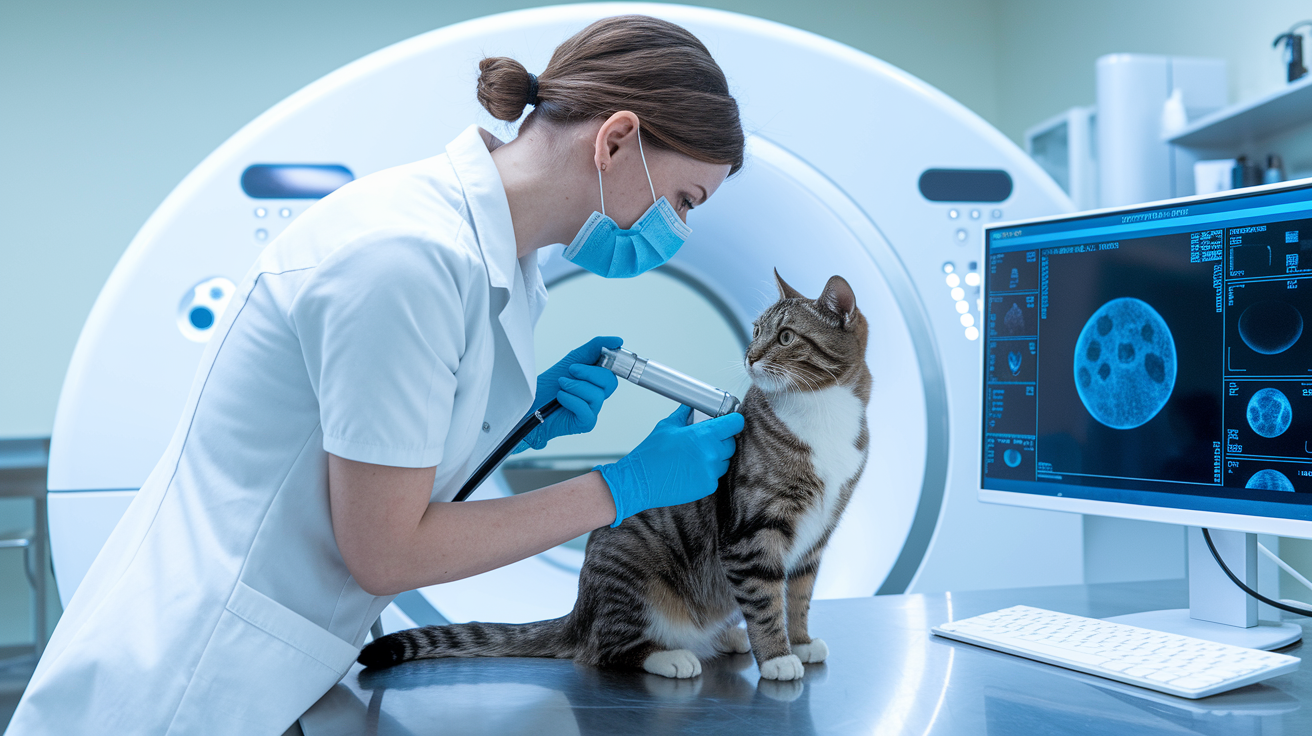
Your vet will start with a thorough physical exam, focusing on the head, face, and mouth. They’ll check both nostrils for discharge, swelling, or asymmetry, and examine the teeth and gums for signs of dental disease or oral masses. Listening to the chest helps rule out lower respiratory involvement.
Bloodwork is often the next step. A complete blood count checks for infection, anemia from blood loss, and platelet levels that affect clotting. A chemistry panel assesses organ function, especially liver and kidneys, which play roles in clotting. A clotting panel measures how quickly blood coagulates and can identify disorders or toxin exposure. Basic bloodwork typically costs between $100 and $300 and provides results within hours to one day.
Imaging helps visualize what’s happening inside the nasal passages. Dental X‑rays can reveal tooth‑root abscesses near the nasal cavity. Skull radiographs show bone structure and some masses, but detail is limited. A CT scan offers much clearer images of soft tissue, tumors, polyps, and foreign objects, and is the preferred choice for complex nasal cases. CT scans usually cost between $800 and $2,500 and require sedation or anesthesia. Results guide decisions about surgery, biopsy, or medical management.
For deeper investigation, rhinoscopy allows the vet to insert a small camera into the nasal passages to look directly at the lining, identify foreign bodies, and collect tissue samples. Biopsies taken during rhinoscopy or surgery are sent to a lab to distinguish benign polyps from malignant tumors. Specialized tests like fungal antigen panels, bacterial cultures, or viral PCR may be added if infection is suspected. Most diagnostic plans are completed within one to three days, though biopsy results can take up to a week.
Common Treatments for Cats Sneezing Blood
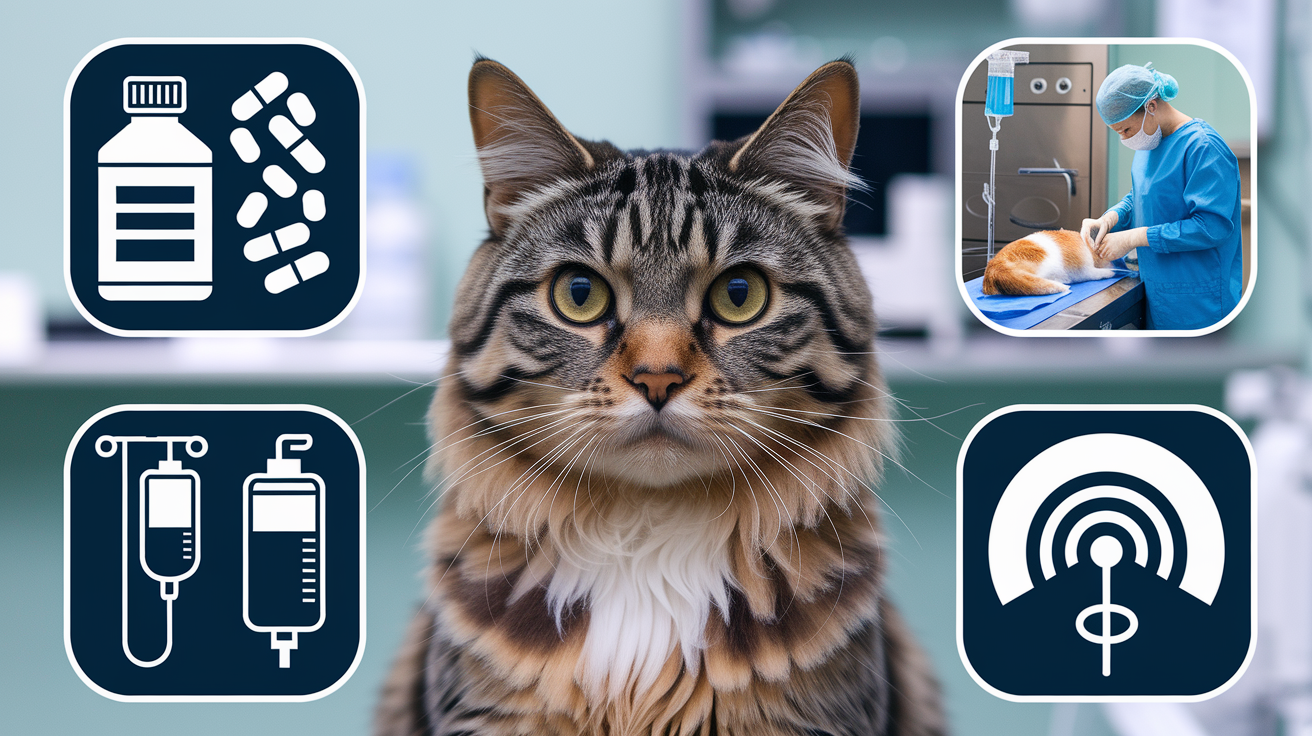
Treatment depends entirely on the underlying cause identified through diagnostics. For upper respiratory infections, antibiotics target bacterial components, and supportive care includes anti‑inflammatory medications to reduce nasal swelling and encourage drainage. Antiviral medications are less common but may be used in severe herpesvirus cases. Fungal infections require long courses of antifungal drugs like itraconazole or fluconazole, often lasting six to twelve weeks or longer, with follow‑up testing to confirm resolution.
If a foreign object is found, removal is usually performed during rhinoscopy or a brief surgical procedure. Most cats recover quickly once the object is out, though antibiotics may be prescribed for a week to prevent secondary infection. Nasal polyps are surgically removed, and recurrence is possible but not guaranteed. Tumors require more complex decisions. Benign masses can often be surgically excised, while malignant tumors may need a combination of surgery, radiation therapy, or chemotherapy, depending on type and stage. Prognosis varies widely, and referral to a veterinary oncologist is common.
For clotting disorders caused by rodenticide poisoning, treatment includes vitamin K injections or oral supplementation for several weeks, along with blood transfusions if anemia or active bleeding is severe. Cats with liver or kidney disease receive tailored medical management to support organ function and stabilize clotting. Dental disease treatment involves extraction of infected teeth and thorough cleaning under anesthesia, which often resolves nasal bleeding if a tooth‑root abscess was the source.
Here are the main treatment categories:
- Medications: antibiotics, antifungals, anti‑inflammatories, or clotting‑support drugs matched to the diagnosis.
- Foreign‑body or polyp removal: performed via rhinoscopy or surgery, with rapid symptom relief expected.
- Tumor management: surgery, radiation, chemotherapy, or palliative care depending on tumor type and owner goals.
- Supportive care: intravenous fluids, blood transfusions, oxygen therapy, or hospitalization for severe cases until stabilized.
If your cat sneezes blood, this article walked you through likely reasons, how vets diagnose the issue, safe at‑home first steps, and which signs are urgent.
You saw the main cause groups—infection, trauma or foreign body, dental spread, tumors, and clotting problems—and simple things to do now: keep your cat calm, apply gentle pressure, and avoid poking the nostrils.
If bleeding repeats or breathing is hard, contact your veterinarian quickly. Bring photos and timing notes to help them assess cat sneezing blood. Paying close attention can make a real difference.
FAQ
Q: What should I do if my cat sneezes blood?
A: If your cat sneezes blood, keep them calm, note amount and timing, check for other signs, avoid sticking things in the nose, and call your vet if bleeding is heavy or repeats.
Q: Will a cat’s upper respiratory infection go away on its own?
A: A cat’s upper respiratory infection may improve on its own in 7–14 days for mild cases, but see a vet sooner for poor appetite, high fever, breathing trouble, or if symptoms worsen or persist.
Q: How serious is sneezing blood?
A: Sneezing blood can be minor from irritated nasal vessels or a clue to serious issues like infection, nasal growths, or clotting problems; repeated bleeding, pale gums, or breathing trouble require urgent veterinary care.
Q: Why does my cat have a little bit of blood in his snot?
A: A little blood in your cat’s nasal mucus often comes from irritated nasal lining, a recent hard sneeze, dental infection, or mild trauma; call your vet if it increases, smells bad, or keeps coming back.