

What would you do if your dog vomited blood right now?
Blood in vomit—called hematemesis (blood in vomit)—is always concerning and can be bright red or look like coffee grounds.
It can mean something minor or something that gets worse fast, like internal injury, a toxin, or a bleeding ulcer.
This post shows the critical warning signs to watch for, the safe steps to take immediately, what to monitor at home, and exactly when to call your veterinarian or head to an emergency clinic.
Immediate Actions When Your Dog Vomits Blood

Any dog vomiting blood needs urgent assessment. Blood in vomit, called hematemesis, can look bright red or dark and granular like coffee grounds. Bright red blood means fresh bleeding, often from the esophagus, stomach lining, or mouth. Dark, coffee-ground material signals older blood that’s been partially digested in the stomach. Both appearances can point to internal injury, poisoning, ulcers, or severe illness. What seems minor can worsen fast, sometimes within about 12 hours.
Stop feeding your dog immediately. Remove food and water bowls until a veterinarian evaluates the situation. Don’t give anything by mouth. No food, no water, no home remedies like bread or ice cubes. Your dog’s stomach needs to rest and any intake could trigger more vomiting. Call your veterinarian or an emergency clinic right now, even if it’s after hours. While you prepare to leave, take these steps:
- Collect evidence. Scoop a small vomit sample into a sealed plastic bag and photograph the vomit. Take a photo of your dog’s food bag and note any recent diet changes.
- Check gum color. Lift your dog’s lip and look at the gums. Pale, white, or gray gums signal serious blood loss or shock and mean you need emergency care immediately.
- Keep your dog calm and still. Confine your dog to a quiet room or crate to prevent movement that could worsen bleeding or cause stress.
- Head to the clinic. Transport your dog carefully, avoiding jostling, and bring your vomit sample, photos, and food information with you.
How to Identify the Type and Appearance of Blood in Vomit
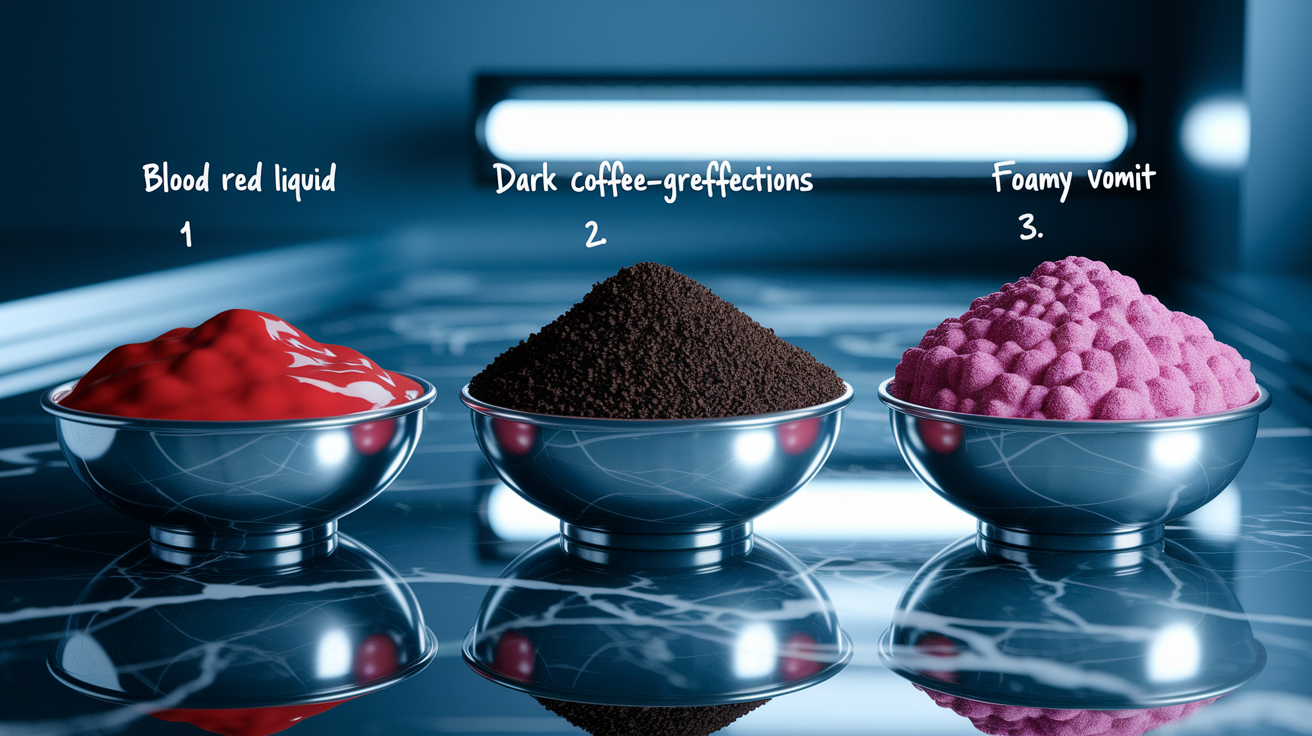
The way blood looks in your dog’s vomit gives important clues about where the bleeding is happening and how urgent the situation is. Learning to describe what you see helps your veterinarian assess severity and decide on next steps quickly.
Bright red, liquid blood suggests active bleeding from the upper digestive tract, esophagus, or mouth. This type of blood hasn’t been digested yet, so it looks fresh and vivid. It can also appear if your dog swallowed blood from a cut in the mouth or throat.
Dark red or brown, coffee-ground texture indicates blood that’s been sitting in the stomach long enough to be partially digested by stomach acid. This appearance often points to stomach ulcers, internal bleeding, or slower bleeding from the upper intestines.
Pink-tinged, foamy vomit or small blood specks usually signals irritation or minor damage to the stomach lining. While this is often less serious than large amounts of bright or dark blood, it still requires veterinary evaluation to rule out worsening problems.
Clotted blood or large clots in vomit can mean significant or sudden bleeding. If you see clots, treat it as an emergency. Also check your dog’s stool. Black, tarry stools mean digested blood is passing through the intestines, a sign of internal bleeding that needs immediate care.
Determining Urgent vs. Non-Urgent Scenarios
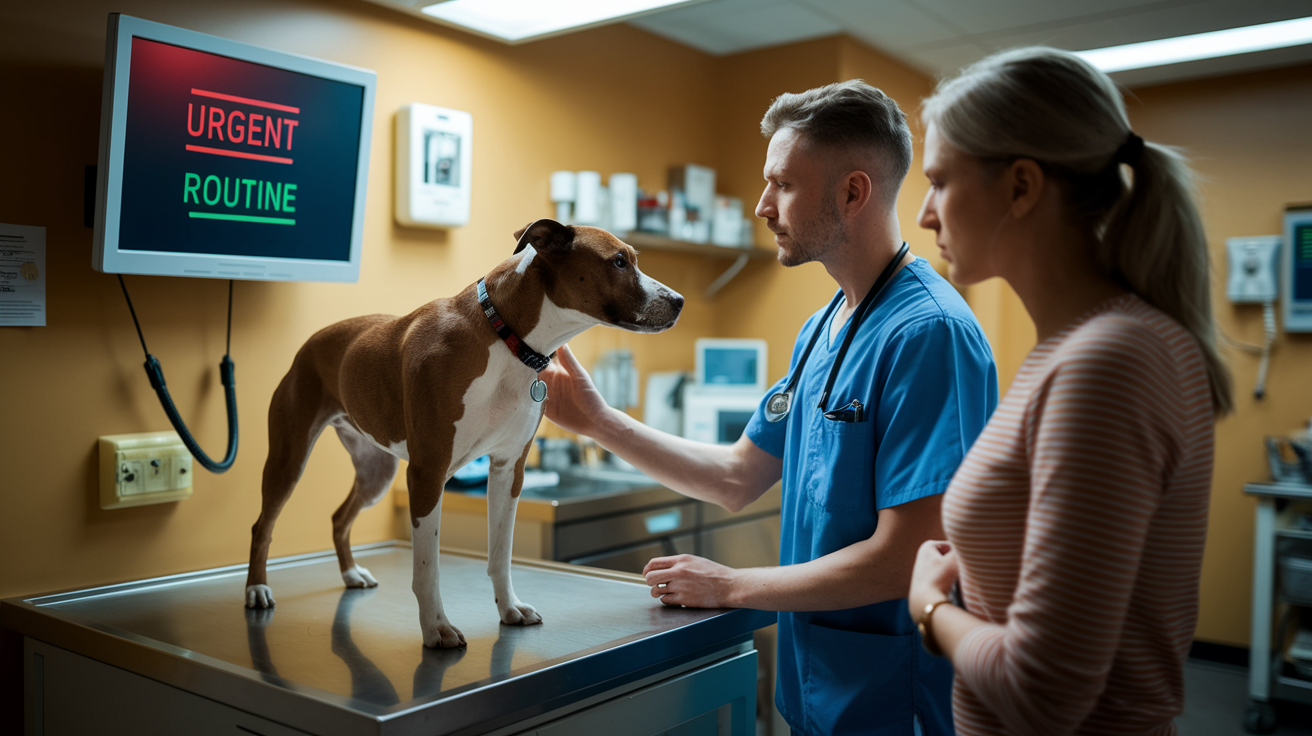
Certain symptoms mean you need to head to an emergency veterinary clinic without delay. Collapse, weakness, or marked lethargy signal your dog’s body is struggling to cope with blood loss or illness. Pale, white, or grayish gums indicate severe anemia or shock, both life threatening. Rapid or labored breathing, repeated vomiting, large volumes of blood in vomit, or bloody diarrhea alongside the vomiting all require immediate intervention. Puppies face higher risk because they’re vulnerable to infections like parvovirus, which can cause severe bloody vomiting and deteriorate within hours. Obvious abdominal pain, whining, hunching, or a distended belly also mean emergency care is needed.
A single episode with just a small streak of blood and no other symptoms is lower on the severity scale. But it’s not safe to ignore. Even one small spot of blood warrants a same day call to your veterinarian. Monitor your dog closely for the next few hours. If the blood reappears, your dog seems lethargic, refuses food or water, or you notice any change in behavior or gum color, escalate to emergency care. Don’t wait to see if it resolves on its own. What looks mild at first can turn serious fast, especially if there’s an underlying ulcer, toxin exposure, or internal injury you can’t see.
Common Causes of Blood in a Dog’s Vomit
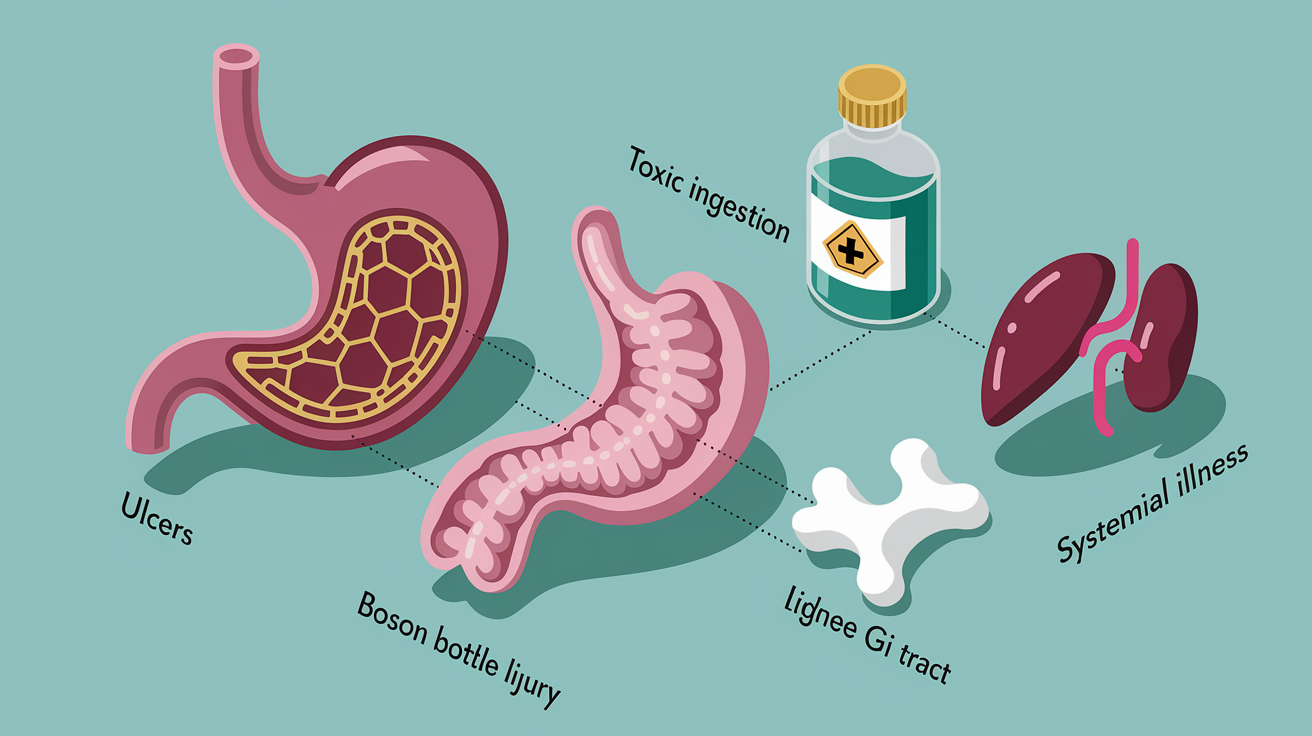
Blood in vomit can stem from a wide range of issues, from stomach irritation to life threatening poisoning. Understanding the most common causes helps you provide accurate information to your veterinarian and prepares you for the diagnostic process.
Ulcers
Stomach or intestinal ulcers erode the lining of the digestive tract and expose blood vessels, leading to bleeding that mixes with stomach contents. Ulcers often develop after long term use of medications like NSAIDs or steroids, or as a complication of kidney disease, liver disease, or severe infections. The blood may appear bright red if the ulcer is bleeding actively, or dark and coffee ground like if it’s been digested. Dogs with ulcers may also show signs of nausea, drooling, loss of appetite, or abdominal discomfort.
Toxic Ingestion
Ingesting toxins is a serious and common cause of bloody vomit. Rat poison containing anticoagulants prevents blood from clotting, leading to internal bleeding throughout the body, including the stomach and intestines. Human pain relievers like ibuprofen or aspirin damage the stomach lining and cause ulcers or direct bleeding. Other toxins, heavy metals, certain plants, and chemicals, can irritate or erode the GI tract. If you suspect your dog ate something toxic, tell your veterinarian immediately and bring the packaging if possible.
Foreign Object Injury
Dogs that swallow sharp objects, bones, sticks, or hard toys, risk cutting or puncturing their esophagus, stomach, or intestines. Even smooth objects like socks, corn cobs, or small toys can lodge in the digestive tract and cause irritation, pressure ulcers, or obstruction that leads to vomiting and bleeding. Foreign bodies often require imaging and sometimes surgery to remove safely. Watch for signs like drooling, gagging, repeated unproductive vomiting, or reluctance to eat.
Systemic Illness
Liver disease, clotting disorders, and certain infections can cause blood to appear in vomit without direct injury to the stomach. Liver failure reduces production of clotting factors, making dogs prone to spontaneous bleeding. Immune mediated diseases or congenital bleeding disorders like hemophilia also disrupt normal clotting. Severe infections, including bacterial overgrowth or parasites like hookworms, can damage the intestinal lining and cause chronic blood loss that eventually shows up in vomit or stool.
What to Do Before You Reach the Veterinarian
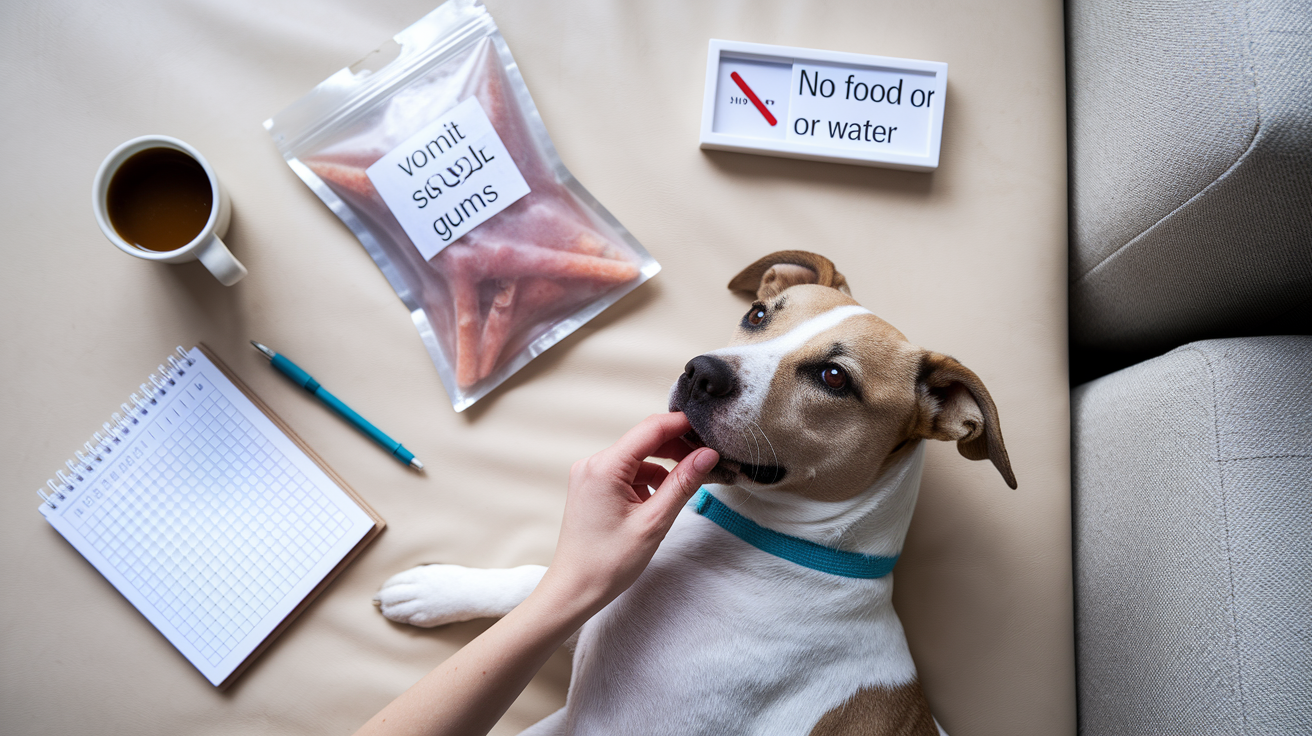
While you’re on your way to the clinic or waiting for an appointment, a few simple steps can help stabilize your dog and give your veterinarian the information they need to act fast.
Withhold all food and water. An empty stomach reduces the chance of further vomiting and gives the GI tract a chance to rest. Don’t offer ice cubes, broth, or treats. Your dog’s system needs to be completely still.
Preserve a vomit sample. Scoop a small amount into a sealed plastic bag or container and refrigerate it if you can. Your vet may want to examine it for parasites, foreign material, or blood clots.
Check and record gum color. Lift your dog’s lip and press gently on the gums. Healthy gums are pink and return to pink within two seconds after you release pressure. Pale, white, gray, or blue tinged gums are red flags for shock or severe blood loss.
Note the timing and frequency. Write down when the vomiting started, how many times it’s happened, and whether the blood amount is increasing. If your dog also has diarrhea, note the color and consistency, especially if it’s black or tarry.
Keep your dog as calm and still as possible. Stress and activity can raise blood pressure and worsen bleeding. If your dog is weak or unsteady, carry them to the car rather than letting them walk. Bring your vomit sample, photos, your dog’s food bag, and a list of any medications or supplements your dog takes, including the dose and when the last dose was given. If you know your dog ate something unusual, a toy, bone, plant, or household product, bring it or a photo of the packaging. This evidence can speed up diagnosis and treatment.
Veterinary Diagnosis and Treatment

When you arrive at the clinic, the veterinarian will perform a physical exam and assess your dog’s stability first. They’ll check gum color, heart rate, breathing, and hydration, and may start treatment immediately if your dog is in shock or severely dehydrated. Once your dog is stable, the diagnostic process begins to identify the source and cause of the bleeding.
Blood tests are typically the first step. A complete blood count (CBC) shows whether your dog is anemic from blood loss and checks for signs of infection or inflammation. A biochemistry panel evaluates kidney and liver function, both of which can contribute to or complicate bleeding. Coagulation tests measure how well your dog’s blood clots and can identify poisoning from rat poison or clotting disorders. Imaging comes next. X-rays reveal foreign objects, obstructions, or signs of perforation. Ultrasound provides a detailed look at the stomach, intestines, liver, and other abdominal organs. If a clear answer doesn’t emerge, endoscopy, a camera passed down the esophagus into the stomach, allows direct visualization of ulcers, tumors, or foreign material and can sometimes remove objects without surgery.
| Test/Procedure | Purpose |
|---|---|
| Complete Blood Count (CBC) | Detects anemia, infection, and inflammation markers |
| Coagulation Panel | Identifies clotting disorders or anticoagulant poisoning |
| Abdominal X-ray or Ultrasound | Locates foreign objects, obstructions, masses, or organ abnormalities |
Treatment depends on the diagnosis. Supportive care includes intravenous fluids to restore hydration and electrolyte balance, anti-nausea injections to stop vomiting, and medications that protect the stomach lining and reduce acid production. If your dog has significant blood loss, a transfusion may be necessary. Specific treatments target the underlying cause. Parasites are treated with deworming medication, bacterial infections with antibiotics, and toxin exposure with antidotes like vitamin K for rat poison. Foreign objects usually require surgical removal. Dogs with ulcers receive proton pump inhibitors or H2 blockers to promote healing, and those with clotting disorders need specialized management and monitoring.
Reducing Future Risk and Preventing Recurrence
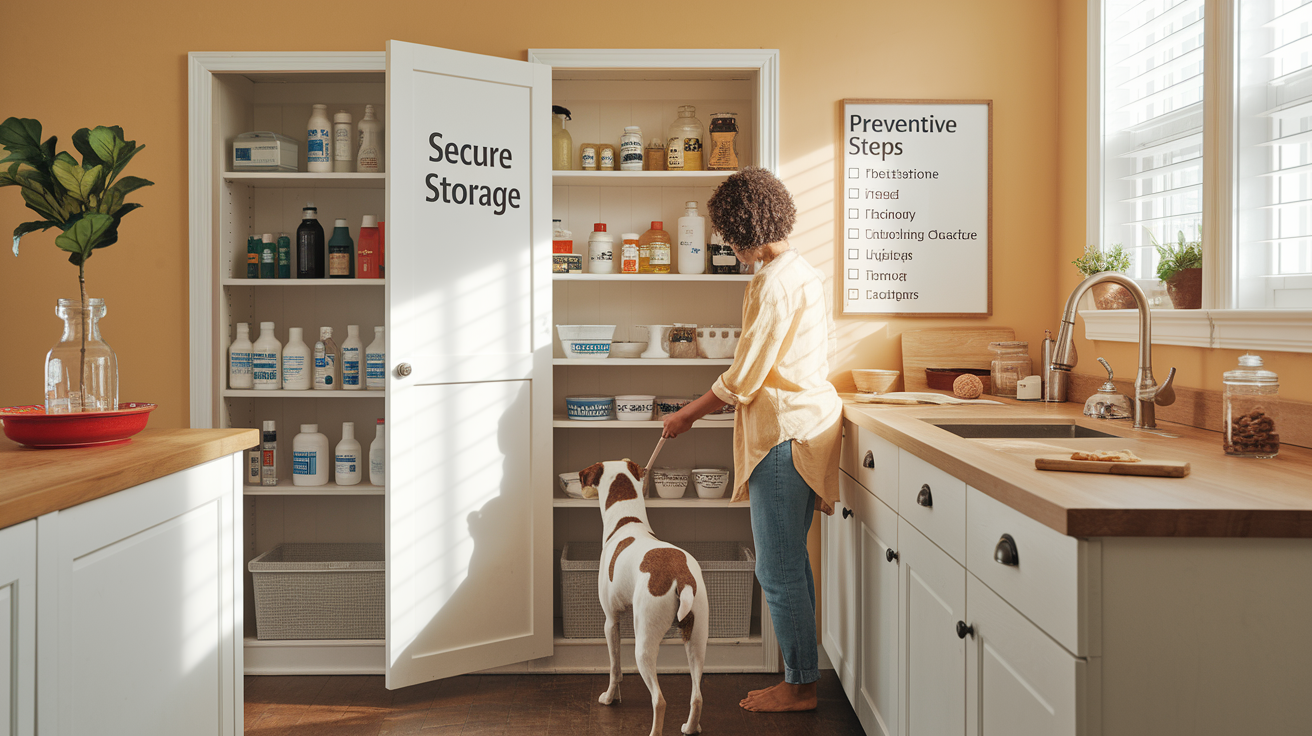
Prevention starts with controlling what goes into your dog’s mouth. Never give human medications, especially NSAIDs like ibuprofen or aspirin, without explicit veterinary approval. These drugs cause stomach ulcers and internal bleeding even in small doses. Store all medications, cleaning products, and chemicals in secure cabinets out of reach. If you use rodenticides, place them where your dog can’t access them, and consider pet safe alternatives. Supervise your dog during outdoor time and discourage chewing on sticks, which can splinter and cause internal cuts.
Maintain a consistent, balanced diet appropriate for your dog’s age and health needs. Avoid table scraps, especially bones, fatty foods, and anything that could obstruct or irritate the GI tract. Keep up with routine parasite prevention and deworming schedules. Heavy parasite loads, especially hookworms, can cause chronic blood loss. Schedule regular veterinary checkups to catch early signs of liver disease, kidney problems, or inflammatory bowel conditions before they progress to bleeding. If your dog has a history of ulcers or GI issues, work with your veterinarian to monitor symptoms and adjust treatment as needed.
Final Words
If you see blood when your dog vomits, stay calm and take safe, quick steps: stop food, check gums, save a vomit sample, and call your vet for advice.
This article walked you through how to spot bright red vs coffee‑ground blood, which signs are urgent, common causes, basic first aid, what vets may do, and ways to lower future risk.
Watch for collapse, pale gums, repeated vomiting, or trouble breathing and call immediately. If you’re dealing with dog vomiting blood and feel unsure, err on the side of caution. You’re doing the right thing.
FAQ
Q: Is dog vomiting blood an emergency?
A: Dog vomiting blood is an emergency when bleeding is heavy, repeated, or paired with collapse, pale gums, rapid breathing, fainting, or severe weakness; any visible blood needs veterinary assessment right away.
Q: What to give a dog that is throwing up blood?
A: If a dog is throwing up blood, do not give home medications or food; withhold solids, offer small sips of water only if tolerated, keep the dog calm, and contact your veterinarian immediately.
Q: What would cause my dog to vomit blood?
A: Common causes of my dog vomiting blood include stomach or intestinal ulcers, toxic ingestion (rat bait or certain drugs), swallowed foreign objects causing injury, severe gut inflammation, liver or clotting disorders, or trauma.
Q: How much blood in dog vomit is too much?
A: Any visible blood in dog vomit is significant; large volumes, clots, repeated bleeding, or blood with weakness, pale gums, or ongoing vomiting are too much — seek emergency veterinary care.