

Is your cat breathing fast while resting, even when they seem calm?
That’s not usually normal and can be a sign the lungs, heart, or another system is struggling.
In this post I’ll explain common causes, from asthma and infections to heart problems, what to watch for at home, and which signs mean you need urgent care.
I’ll also walk you through an easy way to count breaths, what to track over 24 to 48 hours, and when to call the vet right away.
Understanding Fast Breathing in Cats at Rest
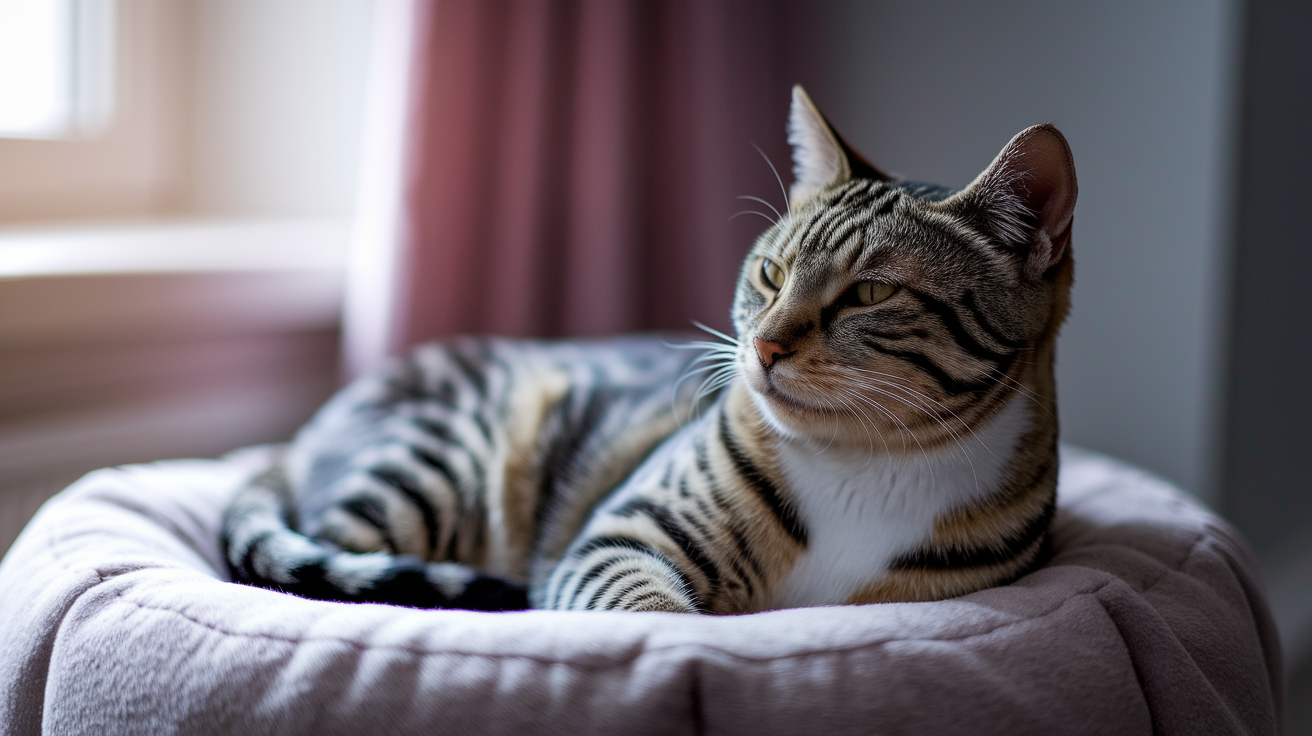
Normal breathing in a resting cat should look calm and almost invisible. You’ll see the chest or belly rise and fall gently, with the mouth closed, and no sound or visible strain. The rhythm stays steady, and there’s no sign your cat is working to get air.
A healthy adult cat at rest breathes about 20 to 30 times per minute. Anything consistently above 30 breaths per minute when your cat is calm, lying down, or sleeping is concerning. It’s not a minor variation. It’s a signal that something may be interfering with normal oxygen exchange.
Fast breathing during or right after play? Expected. Fast breathing while your cat is doing nothing? Not normal. When the body is at rest, the demand for oxygen is low, so the breathing rate should drop. If it doesn’t, the lungs, heart, or another system may be struggling to keep up.
Watch for these emergency signs that require immediate veterinary attention:
- Open mouth breathing or panting (very rare in cats and almost always serious)
- Blue, purple, or pale gums
- Wheezing, coughing, or audible breathing sounds
- Obvious difficulty or effort with each breath, hunched posture, or extended neck
- Extreme lethargy, weakness, or collapse
- Refusal to eat or drink
If you see any of these signs alongside fast breathing, don’t wait to see if it resolves. Get your cat to a vet or emergency clinic right away. Breathing problems in cats can decline quickly, and early intervention often makes the difference between manageable treatment and a crisis that threatens your cat’s life.
Normal and Abnormal Respiratory Rates in Resting Cats
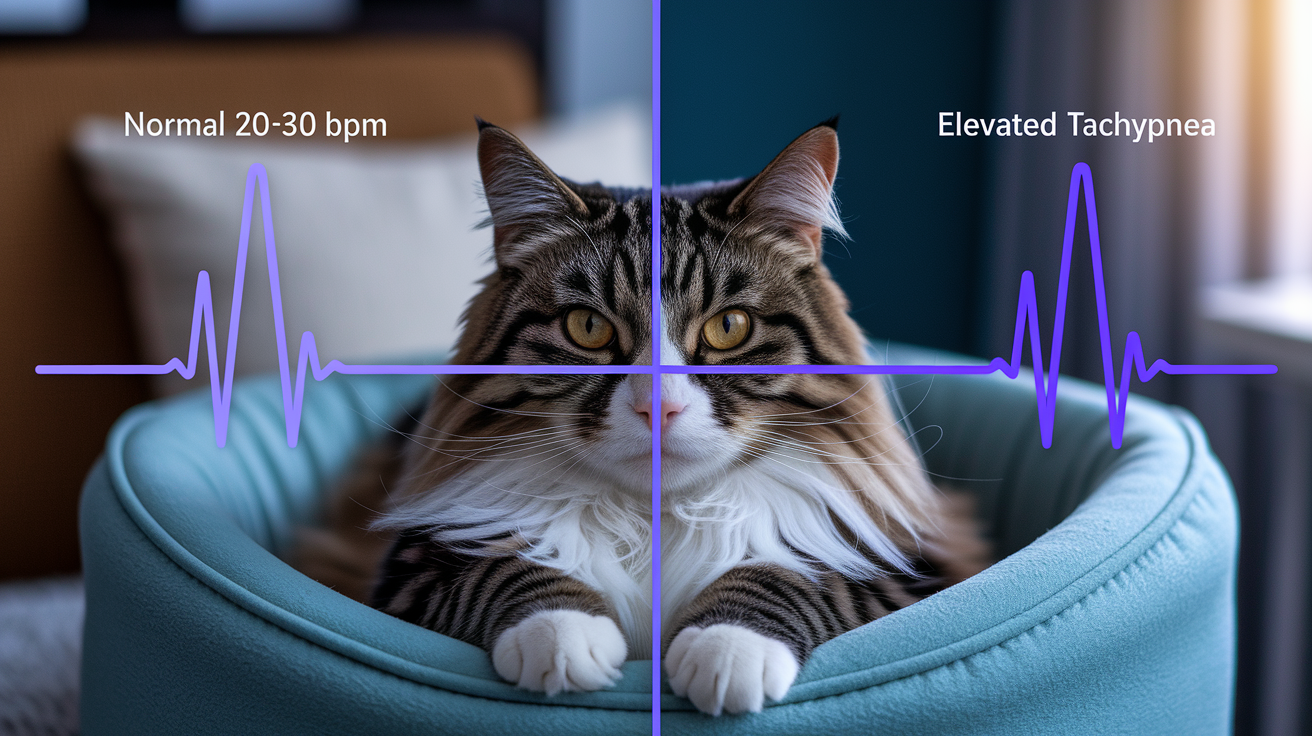
A resting respiratory rate means your cat is calm, awake but not active, and breathing without effort. Sleeping rates are usually a bit lower. The target range for a healthy adult cat is about 20 to 30 breaths per minute. Kittens may breathe slightly faster, but they should never look like they’re struggling.
To qualify as “resting,” your cat should be lying down or sitting quietly, not purring, and not recently active. If your cat just chased a toy or jumped off the counter, wait at least 10 to 15 minutes before counting. You want the rate that reflects how the body handles oxygen when there’s no extra demand.
To count your cat’s breathing at home:
- Wait until your cat is calm and settled, ideally lying on their side or chest.
- Watch the chest or belly rise and fall. One full rise and fall equals one breath.
- Count the breaths for 30 seconds using a timer or your phone.
- Multiply that number by 2 to get breaths per minute.
- Repeat the measurement two or three times to confirm consistency.
Write down the number, the date, and the context (resting, just woke up, calm evening). Track it over a few days if you’re concerned. A single elevated reading might be stress or recent movement. A pattern of high numbers, especially during sleep, is what matters. That’s the information your vet will need to assess whether something is wrong.
Common Causes of Fast Breathing in Resting Cats
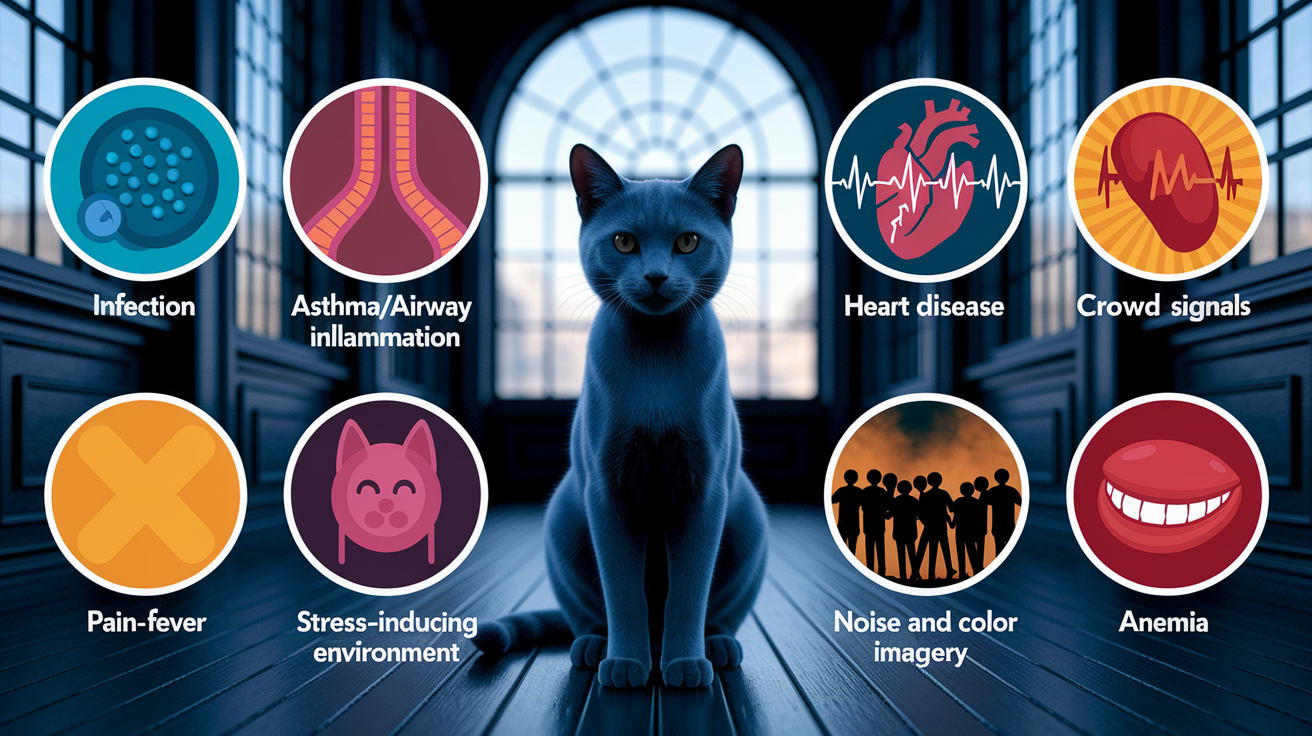
Fast breathing at rest happens when the body is trying to compensate for something, whether it’s an infection, inflammation, fluid buildup, or a system that’s not delivering enough oxygen. The causes range from mild and treatable to urgent and life threatening.
Respiratory Infections
Upper respiratory infections (like cat flu) or lower infections such as pneumonia can inflame the airways and make breathing harder. You might also notice sneezing, nasal discharge, coughing, or a wet sound when your cat breathes. Bacterial and viral infections both raise the respiratory rate as the lungs work to clear mucus and maintain oxygen levels.
Asthma and Airway Inflammation
Feline asthma causes the airways to narrow and produce extra mucus, making it harder for air to move in and out. Common triggers include cigarette smoke, scented candles, dusty litter, pollen, and strong cleaning products. Cats with asthma may wheeze, cough, or breathe faster even when they’re resting because their airways are chronically inflamed.
Heart Disease & Fluid Accumulation
Heart disease, especially cardiomyopathy, can lead to fluid buildup around or inside the lungs (pleural effusion or pulmonary edema). When fluid compresses the lungs or fills the air sacs, your cat has to breathe faster to get enough oxygen. You may also see lethargy, reduced appetite, and a hunched posture as the cat tries to ease the pressure on the chest.
Pain, Fever, or Systemic Illness
Pain anywhere in the body can increase respiratory rate. So can fever, because a higher body temperature speeds up metabolism and oxygen demand. Cats hide pain well, so fast breathing may be the only outward sign. Systemic infections, kidney disease, or severe dehydration can all push the breathing rate higher.
Stress, Anxiety, and Heat Exposure
Severe stress or fear can cause temporary rapid breathing, though it usually settles once the stressor is removed. Heatstroke is more dangerous. Cats don’t pant often, so if your cat is panting, drooling, or breathing fast in a hot environment, that’s an emergency. Immediate cooling and hydration are critical.
Anemia or Low Oxygen States
Anemia (low red blood cell count) means less oxygen is carried to the tissues, so the body tries to compensate by breathing faster. Low oxygen saturation from lung disease, blood clots, or toxin exposure can have the same effect. These cats may also have pale or white gums instead of healthy pink.
Warning Signs That Rapid Resting Breathing Is an Emergency

Some cats breathe a little fast when anxious or during a brief stressor, and it resolves within minutes. But certain signs mean your cat is in respiratory distress and needs immediate veterinary care. These are not wait and see symptoms.
Watch for these red flags:
- Open mouth breathing or panting while at rest
- Blue, purple, or pale gums (sign of poor oxygenation)
- Nostrils flaring with each breath
- Belly and chest moving rapidly together, or exaggerated abdominal effort
- Loud, raspy, or audible breathing sounds (wheezing, whistling, grunting)
- Extended neck, hunched body, or elbows turned outward to open the chest
- Weakness, collapse, or inability to stand
- Refusal to eat, drink, or move
Difficult breathing (dyspnea) is always an emergency in cats. Even if your cat seems alert, if you see open mouth breathing or hear loud effort with each breath, don’t wait for it to get worse. Transport your cat to a vet or emergency clinic immediately. Cats can deteriorate quickly when they can’t get enough oxygen.
How to Check and Monitor Your Cat’s Breathing at Home

Once you know how to count breaths (covered in the previous section on normal rates), the next step is tracking patterns over time. Measure your cat’s breathing rate at the same time each day, ideally when they’re resting or just waking up. Morning and evening are good windows because your cat is likely to be calm.
Pay attention to posture and effort, not just the number. Is your cat lying comfortably, or are they sitting up with their head low and elbows out? Are they using their belly to push air, or is the chest doing most of the work? These details help your vet understand severity.
Keep a simple log with these five pieces of information:
- Date and time of measurement
- Breaths per minute (the counted rate)
- Context (resting, sleeping, post play, during a stressful event)
- Any triggers you noticed (new litter, houseguests, hot weather, exposure to smoke)
- Concurrent symptoms (lethargy, coughing, appetite changes, hiding behavior)
Take this log with you to the vet. A single high reading might not mean much, but a pattern of elevated rates during rest, or rates that climb over several days, gives your vet a timeline and context to narrow down the cause. You’re not expected to diagnose anything. You’re gathering useful data that speeds up the diagnostic process.
When a Cat Breathing Fast at Rest Should See a Veterinarian

If your cat’s resting breathing rate stays above 30 breaths per minute for more than a few hours, call your vet. If it’s accompanied by lethargy, reduced appetite, or any change in behavior, don’t wait. Persistent rapid breathing during sleep or calm rest often signals an underlying issue with the heart, lungs, or blood oxygen levels.
You don’t need to wait for a dramatic collapse to seek help. Cats are experts at hiding illness, so by the time breathing looks obviously labored, the problem is often advanced. Early intervention, especially for heart disease or asthma, can prevent emergency crises and improve long term outcomes.
Call or go to the vet immediately if:
- Your cat is breathing fast and refuses to eat or drink
- Breathing stays rapid even after your cat has been resting for 30 minutes or more
- You see any open mouth breathing, blue gums, or audible wheezing
- Your cat seems weak, hides, or won’t move
- Rapid breathing follows a known stressor like heat exposure, trauma, or toxin ingestion
If it’s after hours and your regular vet isn’t available, go to an emergency clinic. Respiratory distress doesn’t wait for business hours, and cats can go from stable to critical faster than dogs.
How Veterinarians Diagnose Fast Breathing in Resting Cats

When you bring your cat in for fast breathing, the vet will start with a physical exam. They’ll listen to the heart and lungs with a stethoscope, check gum color for signs of poor oxygenation, and measure heart rate, respiratory rate, and temperature. If your cat is in distress, they may provide oxygen right away before running any tests.
From there, diagnostics help pinpoint the cause. The vet is looking for infection, fluid, structural problems, or signs of heart disease. Most cats with resting tachypnea will have at least a few of these tests.
| Test | Purpose | What It Detects |
|---|---|---|
| Chest X-ray | Image the lungs, heart, and chest cavity | Fluid buildup, tumors, enlarged heart, pneumonia, lung abnormalities |
| Blood tests | Check for infection, anemia, organ function | Elevated white cells, low red cells, kidney/liver disease, electrolyte imbalance |
| Pulse oximetry | Measure blood oxygen saturation | Low oxygen levels (hypoxemia) |
| Ultrasound / Echocardiogram | Detailed view of heart structure and function | Heart disease, valve problems, fluid around the heart, clots |
| Electrocardiogram (ECG) | Record electrical activity of the heart | Arrhythmias, abnormal heart rhythm |
If fluid is visible on X-ray or ultrasound, the vet may perform thoracocentesis, a procedure to remove fluid from the chest with a needle. The fluid is then analyzed under a microscope or sent to a lab to determine whether it’s caused by infection, cancer, heart failure, or inflammation. In some cases, especially if your cat is unstable, oxygen therapy and IV fluids come first. Diagnostics follow once your cat is breathing more comfortably.
Treatment Options for Cats Breathing Fast While Resting

Treatment depends entirely on what’s causing the rapid breathing. In many cases, your cat will be stabilized with oxygen therapy before the underlying issue is addressed. From there, the vet tailors the plan to the diagnosis.
Respiratory Infections
Bacterial pneumonia or severe upper respiratory infections are treated with antibiotics, sometimes combined with nebulization (steam therapy) to help clear mucus. If a viral infection is suspected, supportive care, hydration, and sometimes antiviral medications are used. Most cats improve within a few days once the infection is controlled.
Asthma/Airway Disease
Feline asthma is managed with anti-inflammatory medications, usually corticosteroids like prednisolone, and inhaled bronchodilators for acute attacks. Some cats use a special inhaler with a spacer mask designed for pets. Long term management includes avoiding triggers like smoke, dust, and aerosols.
Heart Disease & Fluid Buildup
If heart disease is causing fluid in or around the lungs, your vet will prescribe medications to improve heart function and reduce fluid retention (diuretics, ACE inhibitors, or other cardiac drugs). Thoracocentesis may be needed to drain pleural effusion quickly. These cats usually require lifelong medication and regular monitoring.
Heatstroke & Environmental Causes
Heatstroke requires immediate cooling (cool, not ice cold water), IV fluids, and oxygen. Cats with heatstroke are often hospitalized for 24 to 48 hours to monitor organ function. Stress related tachypnea usually resolves once the stressor is removed, but if it persists, sedatives or anti-anxiety medication may be considered.
Systemic Causes
Anemia is treated based on the underlying cause (parasites, blood loss, chronic disease), sometimes requiring blood transfusions in severe cases. Pain or fever are managed with analgesics and anti-inflammatories once the source is identified. Toxin exposure may require specific antidotes, IV fluids, and close monitoring.
Follow up is critical. Even after your cat stabilizes, you’ll need to monitor breathing at home, continue prescribed medications exactly as directed, and return for rechecks. Chronic conditions like asthma or heart disease don’t go away, but they can be managed well with the right plan.
Preventing Future Episodes of Resting Tachypnea in Cats

You can’t prevent every cause of fast breathing, but you can reduce several major risk factors. Small changes at home and consistent veterinary care make a big difference, especially for cats with asthma, heart disease, or chronic respiratory sensitivity.
Start with the air quality in your home. Switch to dust free, unscented cat litter. Avoid smoking indoors, and don’t use aerosol sprays, scented candles, or plug in air fresheners near your cat’s space. If your cat has asthma or a history of respiratory issues, consider a HEPA air purifier in the rooms where they spend the most time.
Prevention strategies include:
- Keep your cat indoors during extreme heat and ensure fresh water is always available
- Maintain a healthy weight through portion control and regular activity (obesity stresses the heart and lungs)
- Stay current on vaccinations to reduce the risk of respiratory infections
- Schedule annual or biannual vet checkups, especially for senior cats or those with known health conditions
- Avoid exposing your cat to other sick animals
- Follow prescribed medication schedules exactly, and don’t stop treatments early even if your cat seems better
Long term monitoring is part of prevention. If your cat has been diagnosed with a chronic condition, measure their resting respiratory rate weekly or as your vet recommends. Catching an increase early, before it becomes an emergency, allows your vet to adjust medications or intervene before fluid builds up or inflammation worsens. Prevention isn’t just about avoiding new problems. It’s about managing known risks so they don’t escalate.
Frequently Asked Questions About Cats Breathing Fast While Resting

Is it normal for a cat to pant after playing hard?
Brief panting right after intense activity can happen, but it should stop within a few minutes once your cat calms down. If panting continues for more than 10 minutes or happens without exertion, it’s abnormal and needs veterinary evaluation.
Do kittens breathe faster than adult cats?
Yes, kittens have a slightly higher resting respiratory rate than adults, but they should never look like they’re struggling or breathing with their mouth open. Persistent rapid breathing or visible effort in a kitten warrants a vet visit.
Can senior cats develop breathing problems even if they’ve always been healthy?
Absolutely. Heart disease, tumors, and chronic respiratory conditions often develop later in life. Senior cats should have more frequent checkups, and any new change in breathing rate or effort should be taken seriously.
Does stress alone cause a cat to breathe fast while resting?
Stress can temporarily raise the breathing rate, but it usually resolves quickly once the stressor is removed. If your cat stays calm but continues breathing fast, stress is unlikely to be the only cause, and you should investigate further with your vet.
Final Words
You noticed your cat breathing fast while resting—this guide named what normal breathing looks like, explained the >30 breaths/min threshold, and spelled out the red flags that need urgent care.
You also learned common causes, what vets may check and treat, and simple tracking and prevention steps you can use at home.
If signs are worrying, get immediate help. For milder changes, keep a short log for 24–48 hours and share it with your vet.
Spotting and recording changes like cat breathing fast while resting helps you get timely care and better outcomes.
FAQ
Q: Is it normal for cats to breathe fast while resting?
A: Fast breathing while resting in cats is not normal if it’s persistent; a healthy resting rate is usually 20–30 breaths per minute, and a consistent rate over 30 at rest or added symptoms needs veterinary attention.
Q: What is the silent killer of cats?
A: The “silent killer” of cats often refers to heart disease, especially hypertrophic cardiomyopathy, which can have few early signs—watch for rapid breathing, collapse, or sudden lethargy and seek veterinary care promptly.
Q: What are the first signs of heart failure in cats?
A: The first signs of heart failure in cats commonly include increased resting breathing, weakness or fainting, reduced appetite, lethargy, cough or rapid shallow breaths, and decreased activity—these warrant prompt veterinary evaluation.
Q: What does rapid breathing in cats look like?
A: Rapid breathing in cats looks like quick, shallow chest or belly movements, visible effort or flared nostrils, sometimes open-mouth breaths; it can be subtle at rest but usually means you should check with your veterinarian.