

Is your dog vomiting food hours after a meal?
Sometimes a single episode is nothing; other times it points to delayed stomach emptying, pancreatitis (pancreas inflammation), or a partial intestinal blockage that needs attention.
Read on to learn how timing helps narrow the cause, how to tell vomiting from regurgitation, safe steps to try at home, and the clear warning signs that mean you should call your vet right away.
Understanding Why Dogs Expel Food Hours After a Meal
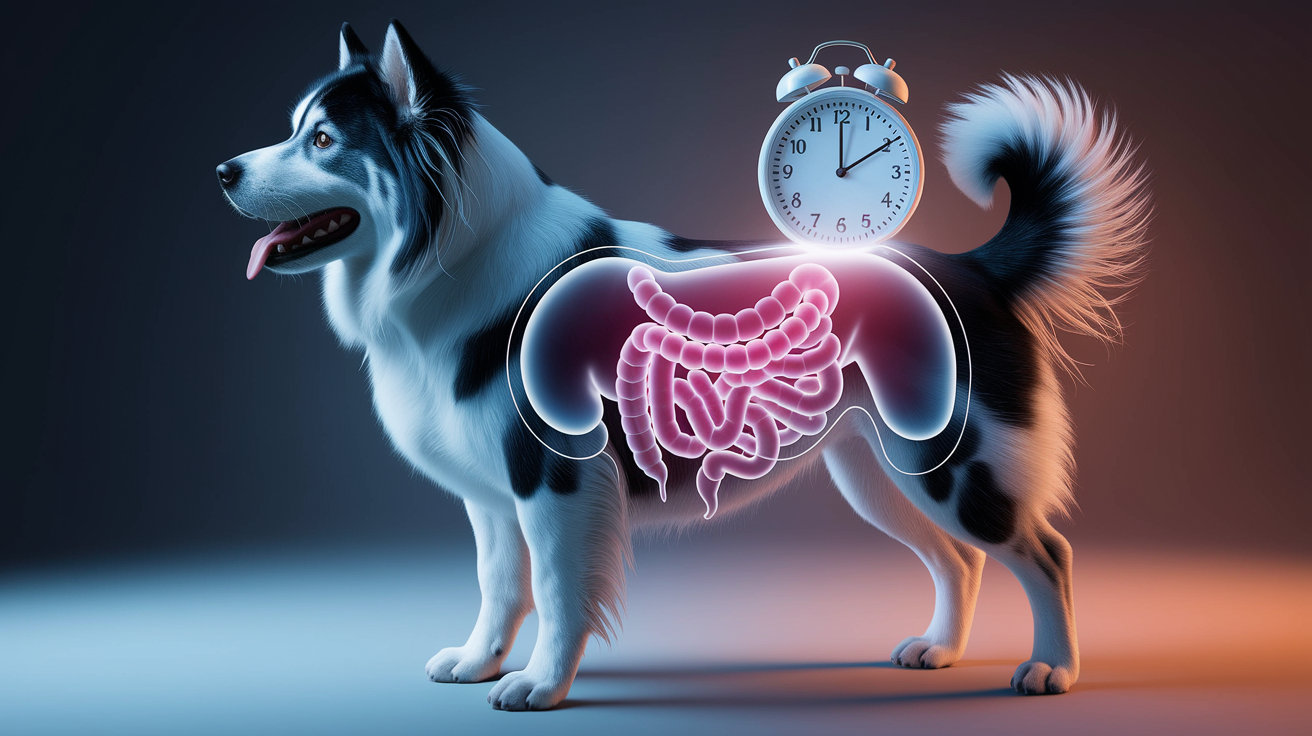
When your dog throws up food several hours after eating, you’re probably looking at delayed stomach emptying, something blocking the digestive tract, pancreatitis, food intolerance, or just eating way too fast. A single mild episode? That can sort itself out. But repeated vomiting or food coming back up many hours later usually means something more serious is going on.
First thing: figure out if your dog’s actually vomiting or regurgitating. Regurgitation is passive. Food just comes back up without any real effort, usually seconds to minutes after swallowing. Vomiting is different. There’s forceful abdominal heaving, retching sounds, and what comes up is partially digested food mixed with bile or stomach acid. Vomiting can happen anywhere from a few minutes to many hours after eating.
Timing matters. If food comes back up within the first hour, you’re usually dealing with regurgitation or an esophagus problem. Vomiting that starts 2 to 4 hours after a meal? That points toward food irritation, delayed gastric emptying, or early obstruction. When vomiting happens 6 to 12 hours or more after eating, you need to worry about pancreatitis, toxin exposure, severe digestive disease, or a partial blockage that’s stopping normal digestion.
Delayed vomiting gets dangerous when you see other warning signs: repeated episodes, abdominal swelling or pain, weakness, blood in the vomit, or unproductive retching. Those symptoms can mean life-threatening conditions like gastric dilatation-volvulus (bloat) or a complete intestinal obstruction. Both require emergency surgery.
Top signs distinguishing vomiting from regurgitation:
- Vomiting involves visible retching and abdominal heaving. Regurgitation is passive with no effort.
- Vomited material is often acidic, yellow-green, or partially digested. Regurgitated food looks whole and undigested.
- Dogs may drool, lick their lips, or pace before vomiting. Regurgitation happens suddenly without warning.
- Vomiting can occur hours after eating. Regurgitation typically happens within minutes.
- Vomit may contain bile or blood. Regurgitated food rarely does.
| Sign | Vomiting | Regurgitation |
|---|---|---|
| Effort | Forceful retching and contractions | Passive, no abdominal effort |
| Timing | Minutes to many hours after eating | Seconds to minutes after swallowing |
| Appearance | Partially digested, may have bile or acid | Undigested, whole kibble or food |
| Warning signs | Drooling, pacing, lip licking | Sudden expulsion, no warning |
| Smell | Sour, acidic odor | Fresh food smell |
Common Causes of Dogs Vomiting Hours After Eating
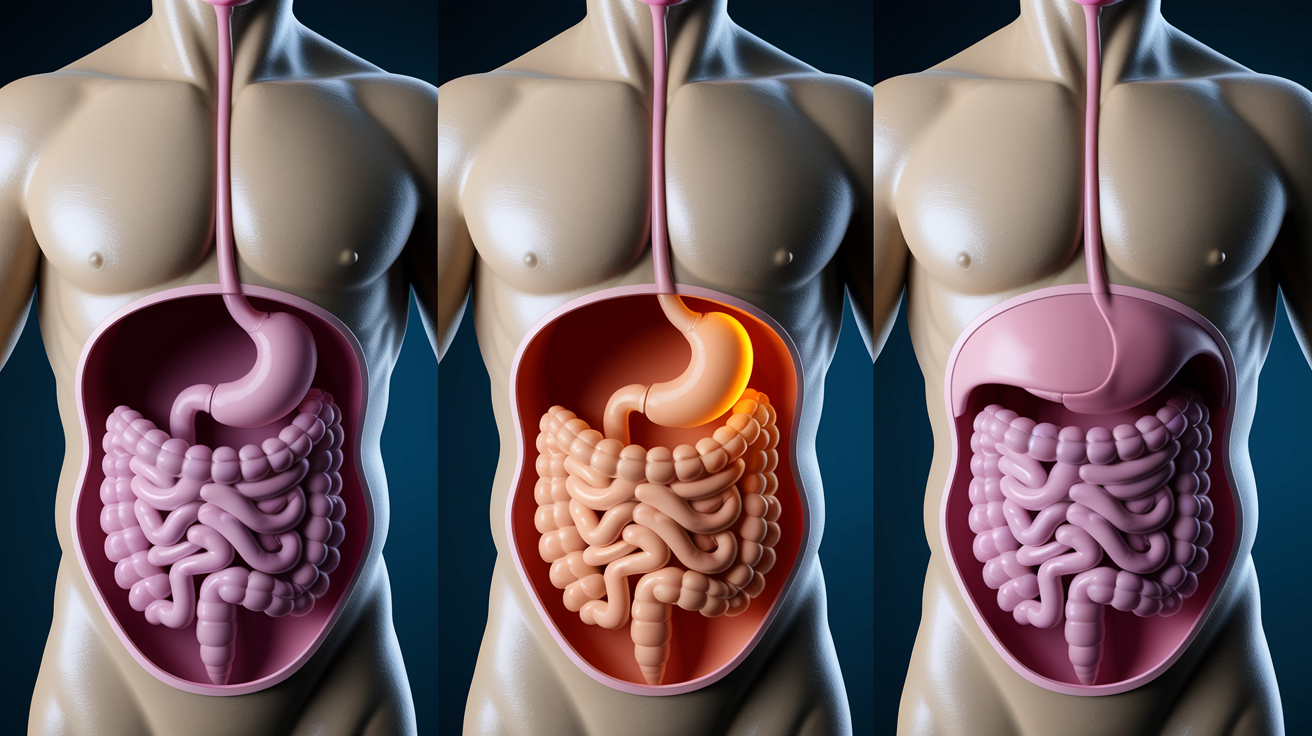
Several digestive and systemic conditions can cause a dog to vomit hours after a meal. Gastric hypomotility slows normal stomach contractions. It’s common in older dogs and prevents food from moving into the intestines at the usual pace. Food sits in the stomach too long, irritates the lining, and eventually comes back up.
Pancreatitis gets triggered by high-fat table scraps or sudden rich meals. It inflames the pancreas and causes severe nausea, abdominal pain, and delayed vomiting. Partial obstructions from toys, bones, or fabric can block the intestines just enough that some food passes but vomiting occurs hours later as pressure builds.
Food intolerance or sudden diet changes overwhelm the digestive system and trigger vomiting hours after eating. Dogs who gulp their meals may swallow large amounts of air (aerophagia), which can delay digestion and cause vomiting later. Dietary indiscretion (eating spoiled food, garbage, or toxins) causes acute gastritis that may not show symptoms until several hours post-meal.
Systemic diseases like kidney failure, liver disease, or endocrine disorders can slow digestion and cause delayed vomiting as a secondary symptom. Infectious causes, including viral or bacterial gastroenteritis and parasites like roundworms or hookworms, irritate the stomach and intestines. Certain medications, especially anti-inflammatory drugs, antibiotics, or pain relievers, can cause nausea and delayed vomiting as a side effect. Stress and anxiety from routine changes, loud noises, or separation can alter gut motility and lead to vomiting hours after a meal.
Top triggers for vomiting hours after eating:
- Gastric hypomotility or delayed stomach emptying
- Pancreatitis following fatty meals
- Partial intestinal obstruction (foreign body)
- Food intolerance or sudden diet change
- Dietary indiscretion (spoiled food, toxins, garbage)
- Systemic illness (kidney, liver, endocrine disease)
- Parasites or bacterial/viral infections
Esophageal Conditions and Regurgitation of Undigested Food

Megaesophagus is a condition where the esophagus becomes dilated and loses the ability to move food into the stomach. Food accumulates in the esophagus and is passively brought back up, often hours after eating, still looking whole and undigested. This can be congenital (present from birth) or acquired later in life from neurological or muscular disease.
Esophageal obstruction from bones, toys, or string physically blocks the passage and prevents food from reaching the stomach. This is a surgical emergency, especially if the object begins to damage or perforate the esophagus. Congenital vascular ring anomalies, like a persistent right aortic arch, compress the esophagus in puppies around weaning age and cause frequent regurgitation of solid food.
Eating too fast or gulping air can also overload the esophagus and lead to immediate or delayed regurgitation, especially in dogs who eat from deep bowls or compete with other pets for food.
Esophageal causes of undigested food returning:
- Megaesophagus (dilated, weakened esophagus)
- Esophageal obstruction from foreign objects
- Congenital vascular ring anomaly (common in puppies)
- Eating too fast and swallowing air (aerophagia)
Timing Clues: What Different Intervals After Eating Suggest
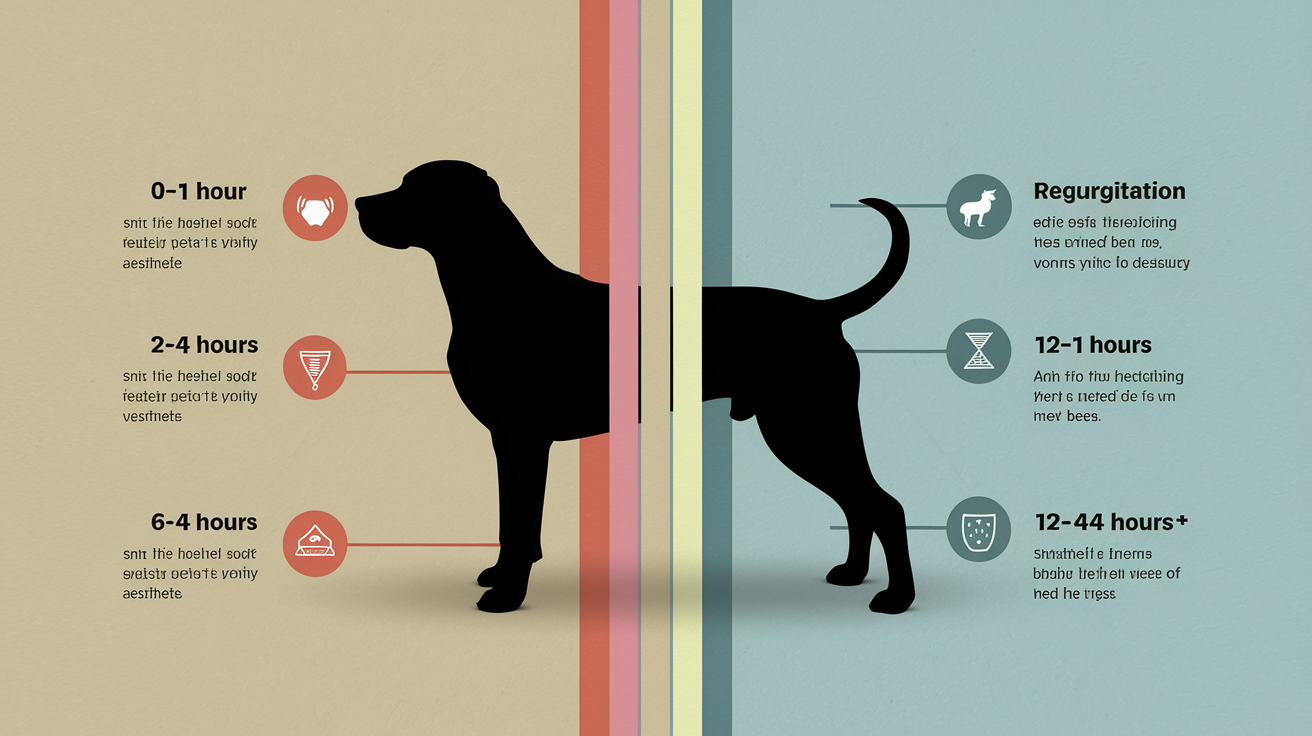
The time between eating and vomiting helps narrow down the cause. Vomiting or regurgitation within the first 30 to 60 minutes usually points to esophageal problems, eating too fast, or food that never made it to the stomach. If your dog brings up food that looks whole and undigested within this window, regurgitation is more likely than true vomiting.
Vomiting that begins 2 to 4 hours after eating often indicates delayed gastric emptying, food intolerance, acute gastritis, or early-stage obstruction. The stomach has started to process the meal but something is preventing normal digestion. This timing is also common with pancreatitis that flares up after a rich or fatty meal.
When vomiting occurs 6 to 24 hours or more after eating, it raises concern for more serious conditions: severe pancreatitis, metabolic diseases, toxin exposure, or a partial intestinal blockage that’s been slowly building pressure. Chronic or intermittent vomiting over days or weeks at varying intervals suggests ongoing digestive disease, inflammatory bowel disease, or systemic illness.
| Time After Meal | Possible Causes |
|---|---|
| 0–1 hour | Regurgitation, esophageal obstruction, eating too fast |
| 2–4 hours | Delayed gastric emptying, food intolerance, gastritis, early obstruction |
| 6–12 hours | Pancreatitis, partial obstruction, toxin exposure |
| 12–24+ hours | Severe GI disease, metabolic illness, advanced obstruction, chronic conditions |
Emergency Warning Signs When Dogs Vomit Hours After Eating
Certain symptoms alongside vomiting mean you need to get to the vet immediately. Don’t wait to see if it improves. A distended, hard, or visibly swollen abdomen combined with unproductive retching (trying to vomit but nothing comes up) is a classic sign of gastric dilatation-volvulus (bloat). That’s a life-threatening emergency that can cause shock and death within hours.
Repeated vomiting more than 2 to 3 times in 24 hours, continuous retching for more than an hour, or vomiting that persists beyond 24 hours in an adult dog all require immediate evaluation. Blood in the vomit, whether bright red or dark coffee-ground material, indicates bleeding in the digestive tract and is always urgent. Collapse, severe weakness, pale or blue gums, difficulty breathing, or a fever above 104°F are all red flags.
Emergency warning signs:
- Distended or hard abdomen with unproductive retching
- Vomiting more than 2 to 3 times in 24 hours
- Blood in vomit (bright red or coffee-ground appearance)
- Collapse, severe weakness, or pale gums
- Difficulty breathing or rapid, shallow breaths
- Severe abdominal pain (hunched posture, whining when touched)
Home Care for Mild Vomiting Episodes in Dogs

If your dog vomits once after eating, appears otherwise normal, and shows no emergency signs, you can try conservative home care. Withhold all food for 8 to 12 hours for adult dogs to give the stomach time to settle. For small breeds, puppies, or toy dogs, shorten the fasting period to 4 to 6 hours and contact your vet for guidance before fasting longer.
Continue to offer small amounts of water every 10 to 15 minutes, just a few sips at a time. If your dog keeps water down for 1 to 2 hours without vomiting again, you can begin a bland diet. Boil plain chicken breast (remove all skin and seasoning) and mix it with white rice in a ratio of about 1 part chicken to 2 parts rice. Offer small portions, roughly 1/4 to 1/3 of a normal meal, every 3 to 4 hours for the first 24 to 48 hours.
If your dog tolerates the bland diet without vomiting for 24 to 48 hours, gradually reintroduce regular food over 2 to 7 days by mixing increasing amounts of regular food into the bland mix each day. Never give over-the-counter human medications like Pepto-Bismol, Imodium, or anti-nausea drugs unless your veterinarian specifically instructs you to do so. Many are unsafe or require precise dosing.
Step-by-step home care for mild vomiting:
- Withhold food for 8 to 12 hours (adults) or 4 to 6 hours (small dogs/puppies).
- Offer small sips of water every 10 to 15 minutes.
- If water stays down for 1 to 2 hours, start a bland diet (boiled chicken and white rice).
- Feed small portions every 3 to 4 hours for 24 to 48 hours.
- Gradually mix regular food back in over 2 to 7 days if vomiting stops.
When Home Remedies Should NOT Be Used

Home care isn’t safe if your dog has vomited more than once, if you suspect they ate something toxic or swallowed a foreign object, or if they show any emergency warning signs. Puppies, senior dogs, and dogs with pre-existing health conditions (diabetes, kidney disease, heart disease) should see a veterinarian after even one vomiting episode. They dehydrate faster and tolerate digestive upset poorly.
Don’t attempt home treatment if your dog’s abdomen is swollen or painful, if they’re lethargic or weak, or if the vomit contains blood or looks like coffee grounds. Medication side effects that cause vomiting should be reported to your vet immediately, and you should never adjust or stop prescribed medications on your own. When in doubt, call your veterinarian before trying home care.
Diagnostic Tests Veterinarians Use for Vomiting Hours After Eating

When you bring your dog to the vet for vomiting, the first step is a thorough physical exam to check hydration, abdominal pain, temperature, and overall condition. Bloodwork, including a complete blood count (CBC) and chemistry panel, helps identify infections, anemia, dehydration, kidney or liver problems, and electrolyte imbalances. A urinalysis can detect kidney disease or diabetes that might cause secondary vomiting.
Abdominal X-rays are often the next step to look for foreign objects, intestinal obstructions, gas patterns that suggest bloat, or signs of organ enlargement. Ultrasound provides more detailed images of the stomach, intestines, liver, pancreas, and kidneys and is especially useful for diagnosing pancreatitis, masses, or fluid accumulation. A fecal exam checks for parasites like roundworms, hookworms, or giardia.
If a foreign body or mass is suspected but not visible on X-rays, your vet may perform contrast radiography (a dye study) or refer for endoscopy, where a camera is passed into the esophagus and stomach to visualize and sometimes retrieve objects. In complex cases, advanced imaging like CT scans may be recommended.
Diagnostic tests help pinpoint whether vomiting is due to a simple dietary issue, a treatable infection, or a serious condition requiring surgery or long-term management.
| Test | What It Detects |
|---|---|
| Bloodwork (CBC/Chemistry) | Infection, anemia, organ function, dehydration, electrolyte imbalance |
| Urinalysis | Kidney disease, diabetes, urinary tract infection |
| Abdominal X-rays | Foreign bodies, obstruction, bloat, organ size, gas patterns |
| Abdominal Ultrasound | Pancreatitis, masses, fluid, detailed organ imaging |
| Fecal Exam | Parasites (roundworms, hookworms, giardia) |
| Endoscopy/Contrast Study | Foreign objects, esophageal problems, stomach ulcers |
Treatments Veterinarians May Recommend

Treatment depends on the underlying cause identified through diagnostics. For mild cases of dietary indiscretion or gastritis, your vet may prescribe anti-nausea medications (antiemetics like maropitant or ondansetron) to stop vomiting and allow the stomach to heal. Subcutaneous or intravenous fluids correct dehydration and restore electrolyte balance, especially if your dog has been vomiting repeatedly.
Pain control is important for conditions like pancreatitis or abdominal discomfort, and gastrointestinal protectants (sucralfate, famotidine) may be given to soothe the stomach lining. If a foreign body or obstruction is confirmed, surgery is required to remove it before it causes perforation or complete blockage. Gastric dilatation-volvulus (bloat) also requires emergency surgery to untwist the stomach and secure it to prevent recurrence.
For chronic or recurring vomiting, your vet may recommend a prescription gastrointestinal diet formulated to be highly digestible and low in fat. Long-term management of conditions like inflammatory bowel disease, pancreatitis, or kidney disease often involves dietary changes, medications, and regular monitoring. Recovery timelines vary: simple gastritis may resolve in 24 to 48 hours, while surgery recovery can take 1 to 2 weeks or longer depending on complications.
Common treatments for vomiting:
- Antiemetic medications to stop nausea and vomiting
- IV or subcutaneous fluids to correct dehydration
- Surgery for obstruction or bloat
- Prescription gastrointestinal diets for chronic cases
Preventing Vomiting After Meals in Dogs
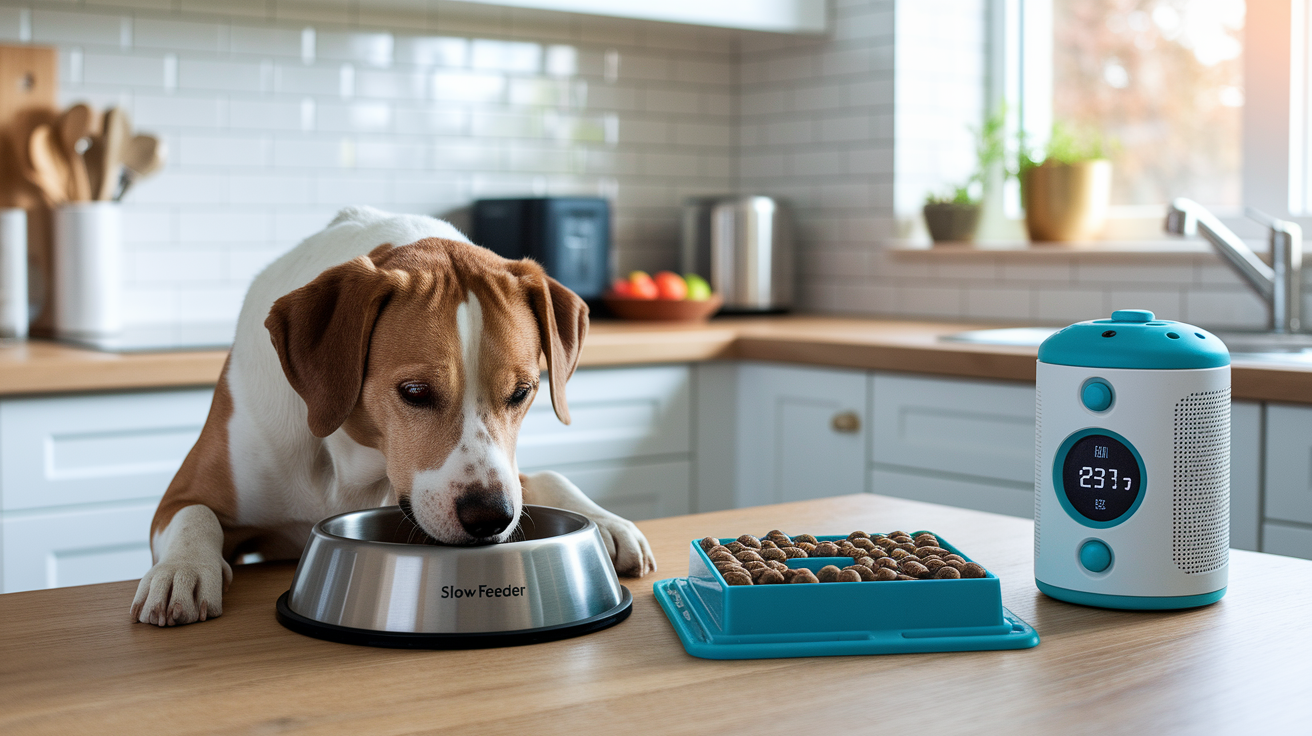
Many cases of post-meal vomiting can be prevented with simple feeding adjustments. Slow-feeder bowls or puzzle feeders increase the time it takes your dog to finish a meal, reducing the amount of air swallowed and preventing stomach overload. Dividing your dog’s daily food into 2 to 3 smaller meals instead of one large meal reduces the risk of delayed gastric emptying and bloat.
When transitioning to a new food, do it gradually over 7 to 10 days by mixing increasing proportions of the new food with the old each day. Avoid vigorous exercise, running, or play for at least 1 to 2 hours after eating, especially in large, deep-chested breeds prone to bloat. Keep high-fat table scraps, rich human foods, and garbage out of reach to prevent pancreatitis and dietary indiscretion.
Prevention strategies:
- Use slow-feeder bowls or puzzle feeders to slow eating
- Feed 2 to 3 smaller meals per day instead of one large meal
- Transition new foods gradually over 7 to 10 days
- Avoid exercise 1 to 2 hours before and after eating
- Keep fatty scraps, garbage, and toxins out of reach
- Maintain regular parasite control and vaccinations
What to Record and Bring to the Vet for Vomiting Episodes
Detailed records help your veterinarian diagnose the problem faster and more accurately. Note the exact time of the last meal and when vomiting started. Write down how many times your dog has vomited in the past 24 hours and describe what the vomit looked like: color, consistency, whether it contained food, bile, blood, or foreign material.
If possible, take a photo or video of a vomiting episode, or bring a fresh vomit sample in a sealed container or plastic bag for the vet to examine. Record any recent diet changes, new treats, access to garbage, plants, or possible toxins. Note any other symptoms like diarrhea, lethargy, loss of appetite, abdominal swelling, or behavior changes.
What to bring to the vet:
- Timing of last meal and all vomiting episodes
- Description or photo of vomit appearance
- Fresh vomit sample if possible
- List of recent diet changes, treats, or new foods
- Notes on any toxin exposure or foreign object ingestion
FAQs About Dogs Vomiting Food Hours After Eating
Why does my dog vomit bile in the morning but food later in the day?
Morning bile vomiting on an empty stomach is often caused by acid reflux or “bilious vomiting syndrome.” Feeding a small snack before bed or splitting meals into smaller, more frequent portions can help.
How can I tell if my dog is dehydrated from vomiting?
Check your dog’s gums: they should be moist and slippery, not tacky or dry. Gently lift the skin on the back of the neck. It should snap back immediately. Slow skin return, sunken eyes, or decreased urination are signs of dehydration that need veterinary attention.
Is it normal for my dog to lose their appetite after vomiting?
A temporary loss of appetite for a few hours is common after vomiting. If your dog refuses food for more than 12 to 24 hours or shows other concerning signs, contact your vet.
What does it mean if my dog vomits whole kibble hours after eating?
Whole, undigested kibble hours after eating suggests delayed gastric emptying, regurgitation from esophageal problems like megaesophagus, or a partial obstruction preventing food from moving through the digestive tract.
Final Words
When your dog brings up food hours after a meal, timing helps point to common causes like regurgitation, delayed stomach emptying, pancreatitis, or obstruction.
We covered how to tell vomiting from regurgitation, likely causes, safe home steps (short fast, small sips, bland food), what to record, and clear red flags.
If you see dog vomiting food hours after eating more than once, or notice blood, severe pain, collapse, or inability to keep water down, call your veterinarian. With careful notes and prompt care, many dogs bounce back.
FAQ
Q: What are the first signs of internal bleeding in dogs?
A: The first signs of internal bleeding in dogs are pale or white gums, weakness or collapse, rapid breathing or heartbeat, a swollen or painful belly, and bloody or black stool or vomit. Seek immediate veterinary care.
Q: What causes vomiting undigested food hours after eating? / Why is my dog regurgitating food hours after eating?
A: Vomiting undigested food hours after eating and regurgitating later can come from delayed stomach emptying, pancreatitis, partial obstruction, toxins, food intolerance, or esophageal problems like megaesophagus. Regurgitation is passive and undigested; call your vet for repeats or blood.
Q: How long is too long for a dog to be puking?
A: A dog vomiting repeatedly for more than 24 hours, or having three to four episodes in 12 hours, is too long and needs veterinary care. Seek immediate help if vomiting is continuous, bloody, your dog can’t keep water, or collapses.