

What if your dog just vomited worms?
Do you wait and see or rush to the vet?
Seeing worms in vomit almost always means an active intestinal parasite problem that needs attention today.
Don’t panic, but don’t ignore it.
This post gives a calm, step-by-step plan: safe things to do right now (isolate your dog, save a sample), exactly what to watch for over the next 24 to 48 hours, when it becomes an emergency, and how vets treat and prevent repeat infections.
Understanding Why a Dog Vomits Worms

When you see worms in your dog’s vomit, it means there’s an active intestinal parasite problem. The worms are living in the digestive tract, and the load has gotten heavy enough that they’re either irritating the stomach, triggering the body’s natural expulsion response, or physically blocking part of the stomach or intestines. Picture this: a five-month-old golden retriever puppy vomits up three spaghetti-like worms after a meal. Those are roundworms that have reproduced to the point where the body can’t tolerate them anymore.
Puppies are especially vulnerable because they can be born with roundworms or pick them up through their mother’s milk in the first weeks of life. By the time worms appear in vomit, the infestation is usually moderate to heavy. Roundworms reproduce quickly and can migrate through the lungs before settling in the intestines. Dogs may cough up larvae, swallow them again, and later vomit them as adults. You’re less likely to see tapeworm segments in vomit, but you might spot rice-sized pieces in stool or around your dog’s rear end.
A dog vomiting worms isn’t something to monitor at home without veterinary guidance. Even if your dog seems otherwise healthy, visible worms mean the parasite load is significant. Some intestinal parasites pose zoonotic risk, meaning they can infect people, especially children and pregnant individuals. The moment you see worms in vomit, here’s what to do:
- Isolate your dog from other pets and limit children’s access to areas where the dog has been, especially where vomit or feces are present.
- Collect a fresh sample of the vomit or stool in a sealed plastic bag or clean container to bring to the vet for identification.
- Contact your veterinarian the same day to schedule an urgent appointment and describe what you saw.
- Monitor your dog closely for additional symptoms such as continued vomiting, diarrhea, lethargy, loss of appetite, or pale gums, and note the time each occurs.
Identifying the Types of Worms a Dog May Vomit
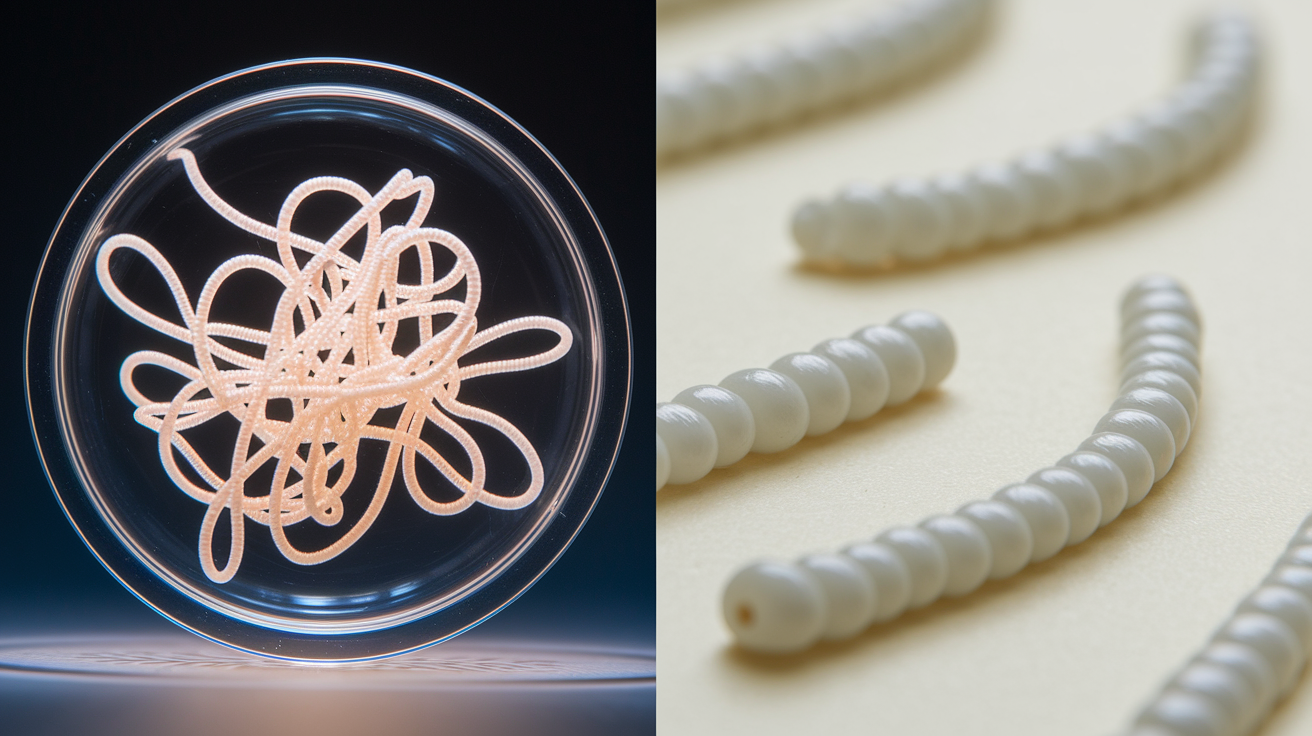
Roundworms are the most common parasite you’ll see in vomit. They look like long, white or light tan strands, several inches in length, and resemble cooked spaghetti noodles. When freshly vomited, they may still be moving. Tapeworm segments are different. They’re flat, white to cream-colored, and look like small grains of rice or short pieces about a quarter inch long. They’re rarely vomited but may occasionally appear if a dog has a very heavy tapeworm burden.
Visual identification at home helps you describe what you’re seeing to the vet, but you can’t diagnose the exact species or rule out other parasites by appearance alone. A puppy might vomit up three pale, worm-like strands that coil when touched. Those look like roundworms, but a fecal test is needed to confirm the species and check for hookworms or whipworms that are too small to see. Hookworms and whipworms are microscopic or tiny, so they won’t show up in vomit, but they can coexist with roundworms and cause serious blood loss or digestive damage.
The most common worm types in dogs include:
Roundworms – spaghetti-like, several inches long, white or tan, most often seen in puppies but also in adult dogs
Tapeworms – flat, segmented, rice-grain appearance, transmitted by fleas or eating infected prey
Hookworms – tiny, not visible in vomit, attach to intestinal walls and feed on blood, causing anemia
Causes and Risk Factors for Worm Infestations
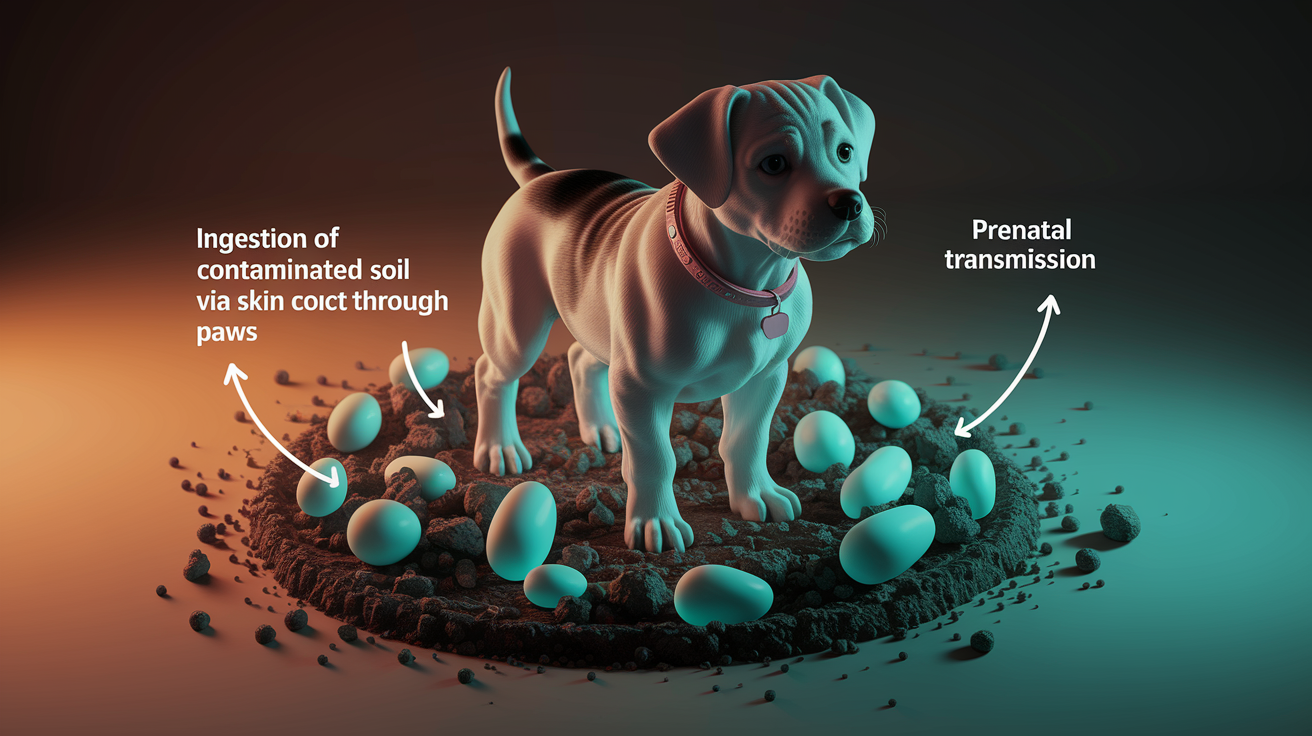
Dogs pick up worms from their environment in several ways. The most common route is ingesting parasite eggs from contaminated soil, grass, or surfaces where infected animals have defecated. Roundworm eggs can survive in the soil for years. A dog only needs to sniff, lick, or step in an infested area and later clean its paws to swallow eggs. Hookworm larvae can even penetrate a dog’s skin if it lies on contaminated ground.
Transmission also occurs through intermediate hosts and prey. Tapeworms are almost always transmitted when a dog swallows an infected flea while grooming or biting at an itch. Dogs that hunt or scavenge can pick up tapeworms or roundworms by eating rodents, rabbits, or other small animals carrying larval stages. Roundworms and hookworms also pass directly from dog to dog through shared living spaces or sniffing feces during walks.
Puppies face the highest risk because they can be infected before birth or through nursing. Roundworm and hookworm larvae lie dormant in a mother dog’s tissues and reactivate during pregnancy, crossing the placenta or entering the milk. A litter can be heavily infested by two weeks of age. That’s why veterinarians recommend deworming puppies at 2, 4, 6, and 8 weeks old, even if no worms are visible. Older dogs with weakened immune systems, those living in crowded or unsanitary conditions, and dogs without regular parasite prevention are also at increased risk.
Warning Signs and Severity Indicators

Beyond vomiting worms, watch for other signs that tell you how severe the infestation is. Common symptoms include diarrhea, sometimes with mucus or blood, weight loss despite a normal or increased appetite, a pot-bellied appearance (especially in puppies), scooting or excessive licking around the rear, and visible worm segments in feces. You may also notice your dog coughing if roundworm larvae are migrating through the lungs, or a dull coat and low energy if the parasite load is draining nutrients.
Mild infestations may show only subtle signs, like softer stool or occasional vomiting. Moderate cases often include visible worms, weight loss, and changes in appetite or energy. Severe infestations can become life-threatening, especially in puppies or small dogs. Hookworms cause significant blood loss, leading to pale gums, weakness, and collapse. Heavy roundworm burdens can physically obstruct the intestines or cause persistent vomiting and dehydration.
Contact your vet immediately if you see any of these red flags:
Persistent vomiting (more than once in a day) or inability to keep water down
Bloody diarrhea or black, tarry stools
Pale or white gums, extreme lethargy, or collapse
Difficulty breathing, especially in puppies with coughing and nasal discharge
Treatment Options for Dogs Vomiting Worms

Once the vet confirms which parasites your dog has, treatment involves prescription deworming medication matched to the specific worm type. Pyrantel pamoate is commonly used for roundworms and hookworms, while fenbendazole covers a broader range including roundworms, hookworms, whipworms, and some tapeworms. Praziquantel is the standard treatment for tapeworms. Your vet may prescribe a single medication or a combination, depending on what the fecal test reveals.
Deworming medication kills adult worms and sometimes larval stages, but it doesn’t prevent reinfection. You may see dead or dying worms in your dog’s stool or vomit for a few days after treatment. Mild side effects like temporary loss of appetite, mild diarrhea, or a single episode of vomiting can occur as the body expels the parasites. If vomiting continues for more than 24 hours, diarrhea lasts longer than three days, or your dog refuses food for more than two days, contact your vet. Severe cases, especially puppies with hookworm anemia, may require hospitalization, intravenous fluids, anti-nausea medication, or even a blood transfusion.
After the initial deworming, follow these steps:
- Administer any additional doses exactly as prescribed, usually a repeat treatment in 2 to 3 weeks to target worms that were in larval stage during the first dose.
- Bring a follow-up fecal sample to the vet 3 to 4 weeks after treatment to confirm the parasites have been eliminated.
- Start or continue a monthly parasite preventive to protect against future infestations and other parasites like heartworm.
When to Seek Emergency Veterinary Care

Some situations involving vomited worms require same-day or immediate emergency care. If your dog vomits worms and also shows signs of severe illness, such as repeated vomiting with no food or water staying down, difficulty breathing, extreme weakness, or collapse, go to an emergency vet right away. Puppies are especially fragile and can deteriorate quickly when parasites cause dehydration, blood loss, or intestinal blockage.
Large quantities of worms expelled at once can signal a critical parasite load or a partial intestinal obstruction. A three-month-old puppy vomits five or more roundworms in a single episode and continues dry heaving. This suggests a blockage risk and requires urgent evaluation. Hookworm infestations in young puppies can cause life-threatening anemia within days, and you may not see the worms themselves because they’re microscopic. Watch for pale gums, cold extremities, and labored breathing.
Seek emergency care if you observe:
Breathing trouble, gasping, or blue-tinged gums
Seizures, disorientation, or inability to stand
Continuous vomiting with signs of severe dehydration (sunken eyes, dry gums, skin that doesn’t snap back when pinched)
Preventing Future Worm Infestations
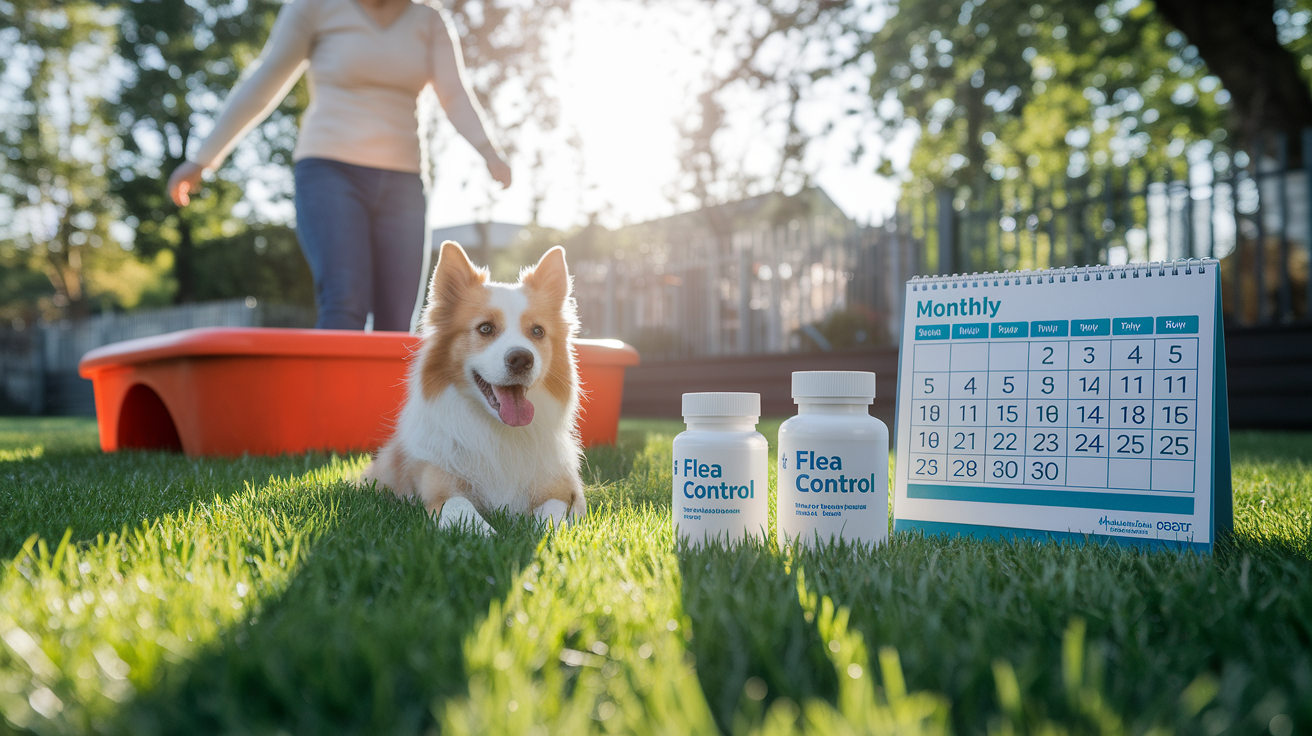
Prevention is the most reliable way to protect your dog and your household from intestinal parasites. Start with a veterinarian-guided deworming schedule for puppies at 2, 4, 6, and 8 weeks of age, then transition to a monthly parasite preventive that covers roundworms, hookworms, and heartworm. Adult dogs should stay on year-round prevention, and your vet may recommend routine fecal testing once or twice a year to catch any breakthrough infections early.
Environmental control is just as important as medication. Roundworm and hookworm eggs can survive in soil for months or years, and whipworm eggs persist for up to four years. Pick up your dog’s feces immediately every time, seal waste in a plastic bag, and dispose of it in the trash. Wash your hands thoroughly after handling your dog, cleaning the yard, or touching soil in areas where pets have been. Keep sandboxes covered when not in use to prevent wildlife from contaminating them.
To reduce your dog’s exposure and protect your family, follow these measures:
Maintain strict flea control on your dog and in your home, since fleas transmit tapeworms
Prevent your dog from eating wildlife, scavenging, or sniffing other animals’ feces during walks
Clean and disinfect food and water bowls, bedding, and toys regularly, especially after a diagnosed infestation
Schedule wellness exams every six months so your vet can monitor stool samples and adjust prevention as needed
Keep children away from areas where an infested dog has vomited or defecated until the space is thoroughly cleaned and disinfected
Final Words
If you see your dog vomiting worms, take calm, practical steps right away: isolate the dog, collect any sample, note timing, and call your vet.
This article walked through what vomiting worms usually means, how to tell roundworms from tapeworm pieces, common causes and risk factors, warning signs to watch for, treatment basics, and prevention tips.
Watch your dog closely for 24–48 hours and share what you observe with your vet. With quick action and routine prevention, you can reduce the chance of future dog vomiting worms and help your pet feel better.
FAQ
Q: What does it mean when a dog throws up worms?
A: When a dog throws up worms it usually means an intestinal worm infestation—commonly roundworms or tapeworm segments. It can be serious, especially in puppies. Isolate the dog, save a sample, and call your vet.
Q: Do I need to disinfect my house if my dog has roundworms?
A: You should disinfect areas where your dog vomited or poop is found because roundworm eggs can survive in the environment. Pick up feces, wash bedding, mop floors with pet-safe cleaner, and wash hands; ask your vet for advice.
Q: What are the first signs of parasites in dogs?
A: Early signs of parasites in dogs include vomiting, diarrhea, a pot-bellied appearance, weight loss, poor coat, or visible worms in vomit or stool. Puppies often show symptoms sooner; contact your vet for testing and treatment.
Q: What is the fastest way to get rid of worms in dogs?
A: The fastest way to get rid of worms in dogs is prompt veterinary deworming with the correct medication after your vet identifies the worm type. Follow-up doses and flea control may be needed; don’t medicate without vet guidance.