

Ever scoop up a puddle of vomit and panic, wondering if your dog will be fine?
Vomiting itself is just a reflex, your dog’s body trying to get something out, but it can mean anything from a single tummy upset to a dangerous blockage.
In this post I’ll walk you through the most likely causes, like garbage raids, sudden diet changes, toxins, infections, pancreatitis and obstructions, what different vomit looks and frequency can tell you, and exactly when to call your vet.
Understanding the Most Likely Reasons Your Dog Is Vomiting
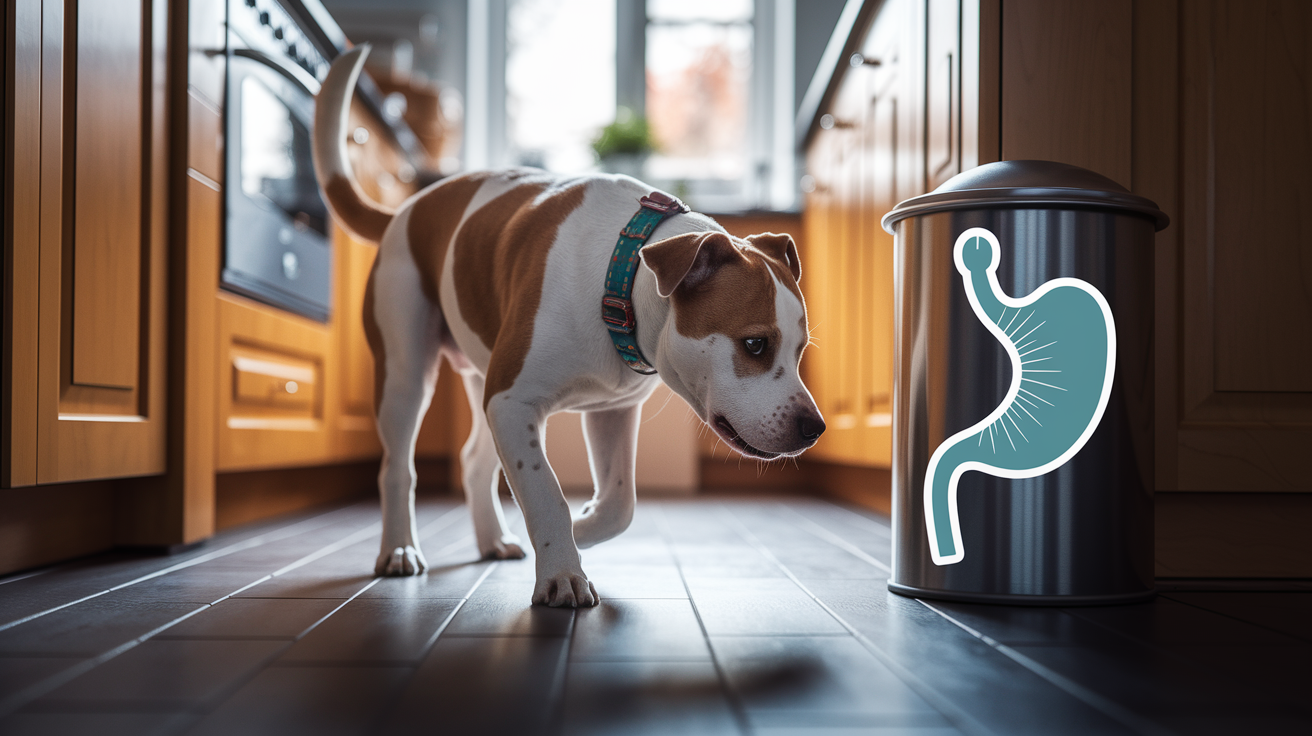
Vomiting isn’t a disease. It’s a reflex, your dog’s body trying to get rid of something that shouldn’t be there. The tricky part? Figuring out if it’s just a one-off thing or a sign something serious is going on inside.
Most single vomiting episodes come from dogs eating stuff they shouldn’t. Garbage, spoiled food, table scraps. Usually clears up in 12 to 24 hours on its own. But vomiting can also point to infections, parasites like roundworms or Giardia, pancreatitis, organ failure, a blockage in the intestines, toxins, even heatstroke. When your dog vomits more than twice in a day, keeps doing it over days or weeks, or shows other worrying signs, you need a vet.
Age matters here. Puppies younger than six months can catch serious infections like parvovirus and dehydrate fast. Senior dogs often have kidney or liver issues lurking, which makes repeated vomiting more dangerous. Unvaccinated dogs and tiny breed puppies fall into the same higher-risk category.
Here’s what usually causes vomiting in dogs:
- Eating garbage or switching food too fast – raids on the trash, spoiled leftovers, changing kibble without a gradual mix.
- Toxins – human meds, xylitol, grapes, raisins, chocolate, onions, garlic, household cleaners.
- Infections and parasites – parvovirus in unvaccinated puppies, bacterial bugs, roundworms, Giardia.
- Inflammation – gastritis, pancreatitis (often from fatty food), inflammatory bowel disease.
- Organ or metabolic disease – kidney failure, liver disease, Addison’s disease.
- Blockages or mechanical problems – foreign object stuck in the gut, intestinal tumor, bloat in deep-chested breeds.
Dog Vomiting Types and What They Reveal About the Cause
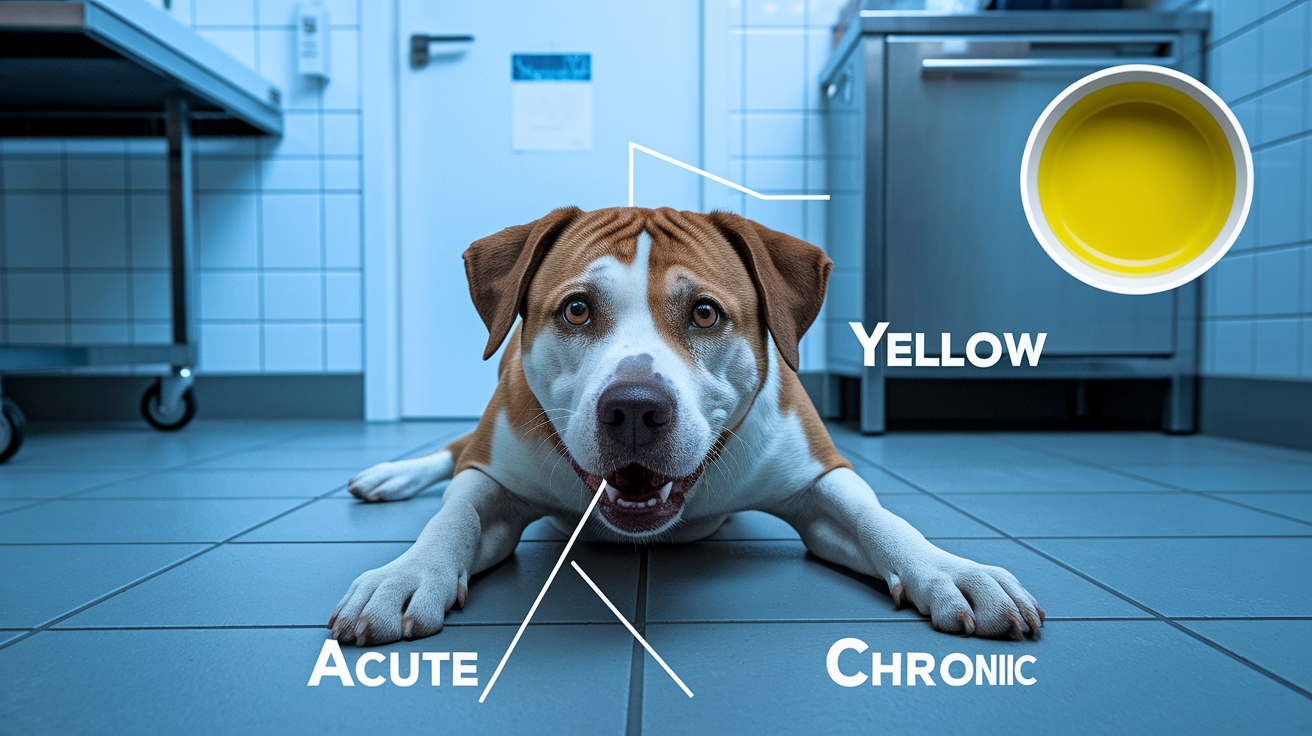
Active vomiting involves your dog’s whole body. Retching, abdominal contractions, sometimes multiple heaves before anything comes up. What you see in the vomit can tell you a lot about what’s happening and how fast you need to move.
Frequency tells the story. One isolated episode with no other symptoms? Often not an emergency. Acute vomiting means multiple rounds within 24 hours, which raises dehydration risk and signals something needs attention now. Chronic vomiting, happening daily or several times a week, points to an underlying disease that needs a full vet workup.
| Vomit Appearance | Possible Meaning |
|---|---|
| Yellow or green liquid (bile) | Empty stomach, bile reflux, or intestinal disease. Common in early morning or after long fasting. |
| White foam or frothy saliva | Gastritis, acid buildup, or air swallowing. Happens when stomach is irritated but mostly empty. |
| Undigested food shortly after eating | Overeating, eating too fast, or food intolerance. Sometimes regurgitation rather than true vomiting. |
| Bright red blood | Fresh bleeding from stomach, mouth, or esophagus. Immediate veterinary care required. |
| Dark “coffee-ground” appearance | Digested blood from stomach ulcer or severe gastritis. Emergency. Call your vet right away. |
Dietary Triggers Behind Dog Vomiting Episodes
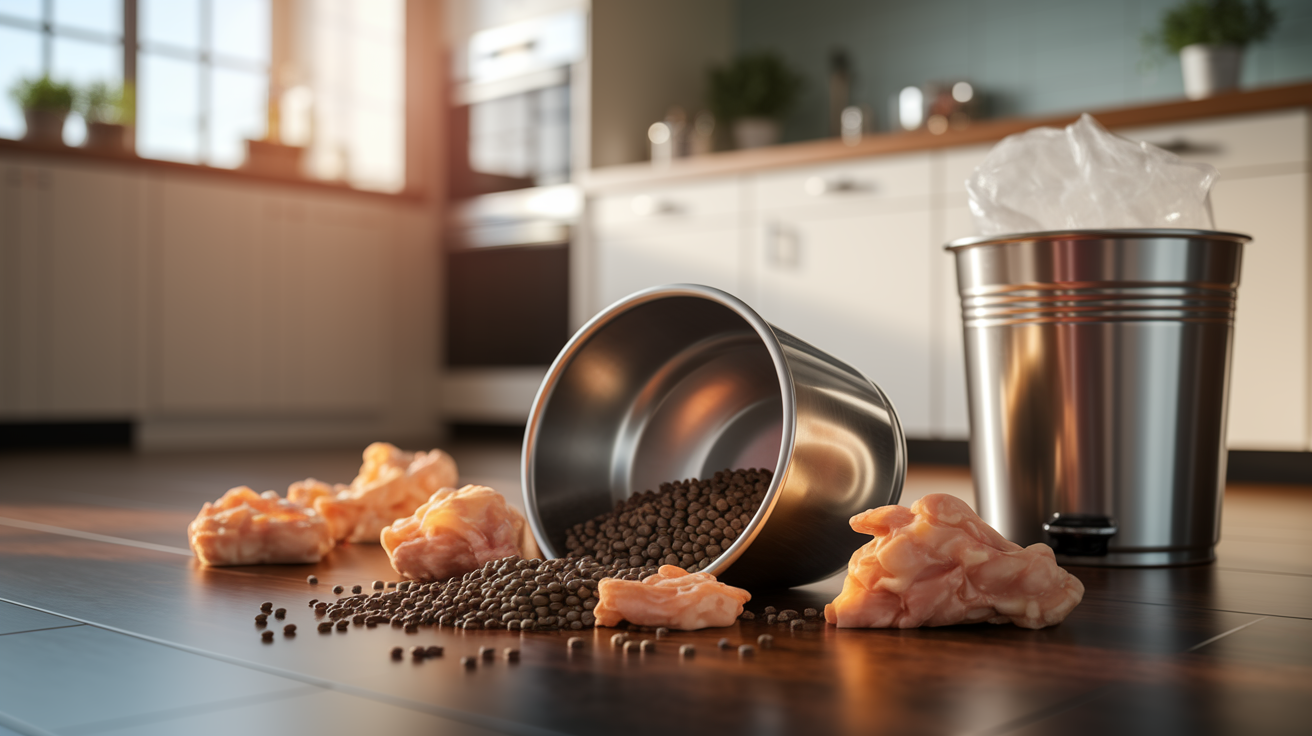
Diet-related vomiting is what you’ll see most often at home. Usually happens after your dog eats something weird, spoiled, or too rich. Sudden food changes without a gradual transition irritate the stomach lining and mess with gut bacteria, leading to nausea and vomiting within hours.
Overeating, especially in fast eaters or dogs who raid the trash, overloads the stomach. Food allergies and intolerances, like lactose in dairy, can trigger vomiting alongside diarrhea or skin problems. Most dietary vomiting is mild and goes away on its own, but large amounts of fatty or spoiled food can lead to pancreatitis or bacterial gastroenteritis, which are more serious.
Common dietary triggers:
- Sudden diet change – switching kibble brands overnight without mixing old and new food gradually.
- Garbage raids – spoiled meat, moldy leftovers, greasy wrappers, rotten vegetables.
- Table scraps and fatty foods – bacon, fried foods, butter, rich sauces that overwhelm the pancreas.
- Overeating – eating an entire bag of kibble or raiding the pantry when you’re gone.
- Food allergies or sensitivities – beef, dairy, wheat, or chicken in allergic dogs.
- Non-food items – grass, sticks, rocks, socks, small toys that irritate the stomach or cause obstruction.
Medical Conditions That Commonly Lead to Dog Vomiting
Infections & Parasites
Viral infections like parvovirus are life-threatening, especially in unvaccinated puppies under six months. Parvovirus causes severe, bloody diarrhea and relentless vomiting, leading to rapid dehydration and shock. Bacterial infections from spoiled food or contaminated water, like Salmonella or Campylobacter, also trigger vomiting and diarrhea.
Heavy parasite loads, particularly roundworms in puppies, can cause vomiting, a pot-bellied look, and poor growth. Giardia, a single-celled parasite, inflames the intestines and leads to intermittent vomiting and greasy diarrhea. Both get diagnosed through fecal testing and respond well to deworming meds.
Inflammatory & Organ Diseases
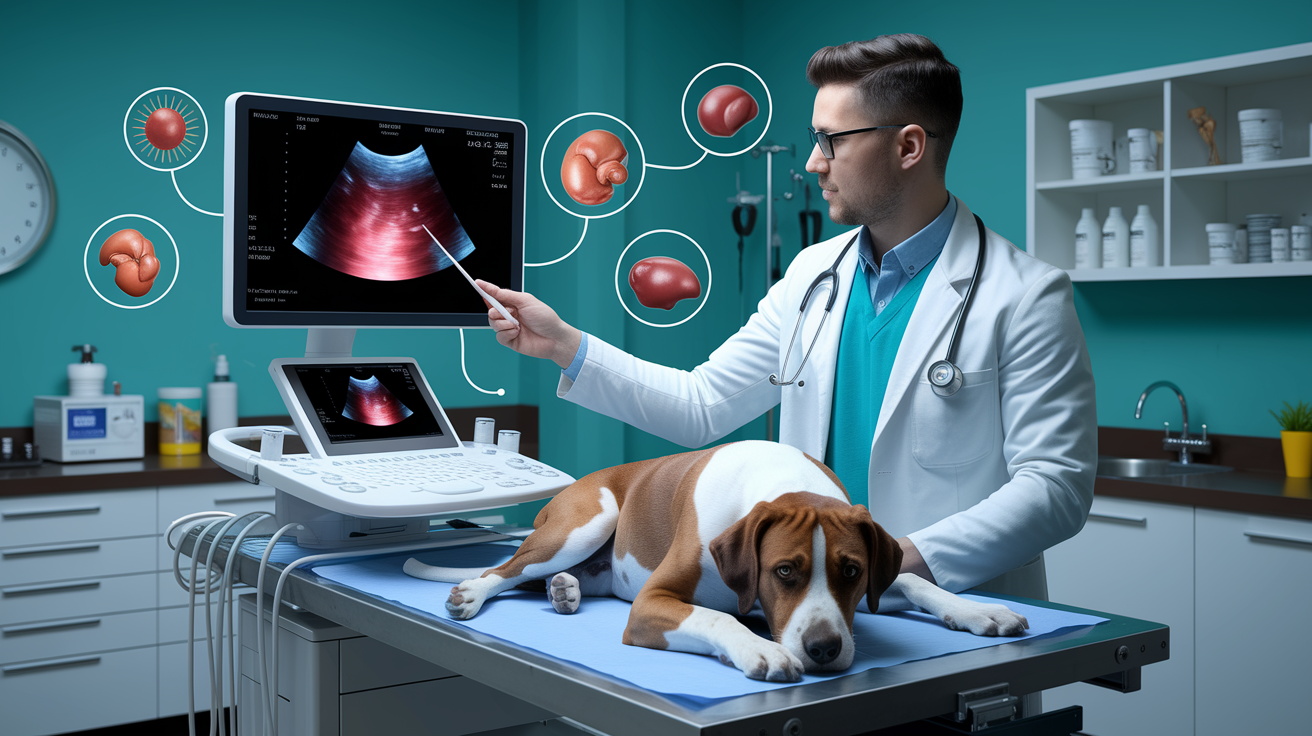
Pancreatitis, inflammation of the pancreas, often gets triggered by high-fat meals or fatty table scraps. Causes severe abdominal pain, vomiting, loss of appetite, hunched posture. Diagnosis requires bloodwork and sometimes ultrasound. Treatment includes hospitalization, IV fluids, pain control, fasting.
Gastritis means inflammation of the stomach lining, from toxins, medications like NSAIDs, or chronic irritation. Inflammatory bowel disease is a long-term immune condition causing chronic vomiting, diarrhea, weight loss. Kidney disease and liver disease both produce toxins that build up in the bloodstream, triggering nausea and vomiting along with increased drinking, urination changes, lethargy.
Obstructions & Mechanical Causes
Foreign body obstruction is a surgical emergency. Socks, toys, bones, corn cobs, other non-digestible items can lodge in the stomach or intestines, causing repeated vomiting, inability to keep food or water down, abdominal pain, rapid deterioration. X-rays or ultrasound confirm the blockage. Surgery is required to remove it.
Gastric dilatation-volvulus, or bloat, is a true emergency in deep-chested breeds like Great Danes, German Shepherds, Standard Poodles. The stomach fills with gas and twists on itself, cutting off blood flow. Signs include unproductive retching, distended abdomen, drooling, collapse. Without immediate surgery, bloat is fatal within hours.
Emergency Signs in Vomiting Dogs You Must Not Ignore
Some vomiting episodes need immediate veterinary attention. No waiting. If your dog is acting normal, alert, eating after one isolated vomit, you can monitor at home for 12 to 24 hours. But when red flags show up, you need to call your vet or head to an emergency clinic right away.
Dehydration is one of the fastest dangers. Repeated vomiting drains fluids and electrolytes. Check your dog’s gums, they should be moist and pink. If they’re tacky, dry, or pale, or if the skin over the shoulders stays tented when you lift it, dehydration is setting in. Puppies, seniors, small dogs dehydrate faster than healthy adults.
Watch for these emergency signs:
- Vomiting more than 2 to 3 times in 24 hours, or vomiting that continues for 12 to 24 hours without stopping.
- Blood in vomit, bright red or dark “coffee-ground” appearance. Both signal internal bleeding.
- Can’t keep water down, repeated vomiting after every drink means severe dehydration risk.
- Severe lethargy, weakness, or collapse, your dog can’t stand, won’t lift their head, or seems disoriented.
- Abdominal pain or bloating, hunched posture, crying when you touch the belly, or a visibly swollen, tight abdomen.
- Vomiting with diarrhea, especially in puppies or unvaccinated dogs (possible parvovirus).
- Known or suspected toxin ingestion, xylitol, grapes, raisins, human medications, rodenticide, chocolate, household chemicals.
Home Care for Mild Vomiting and When It’s Safe to Try It
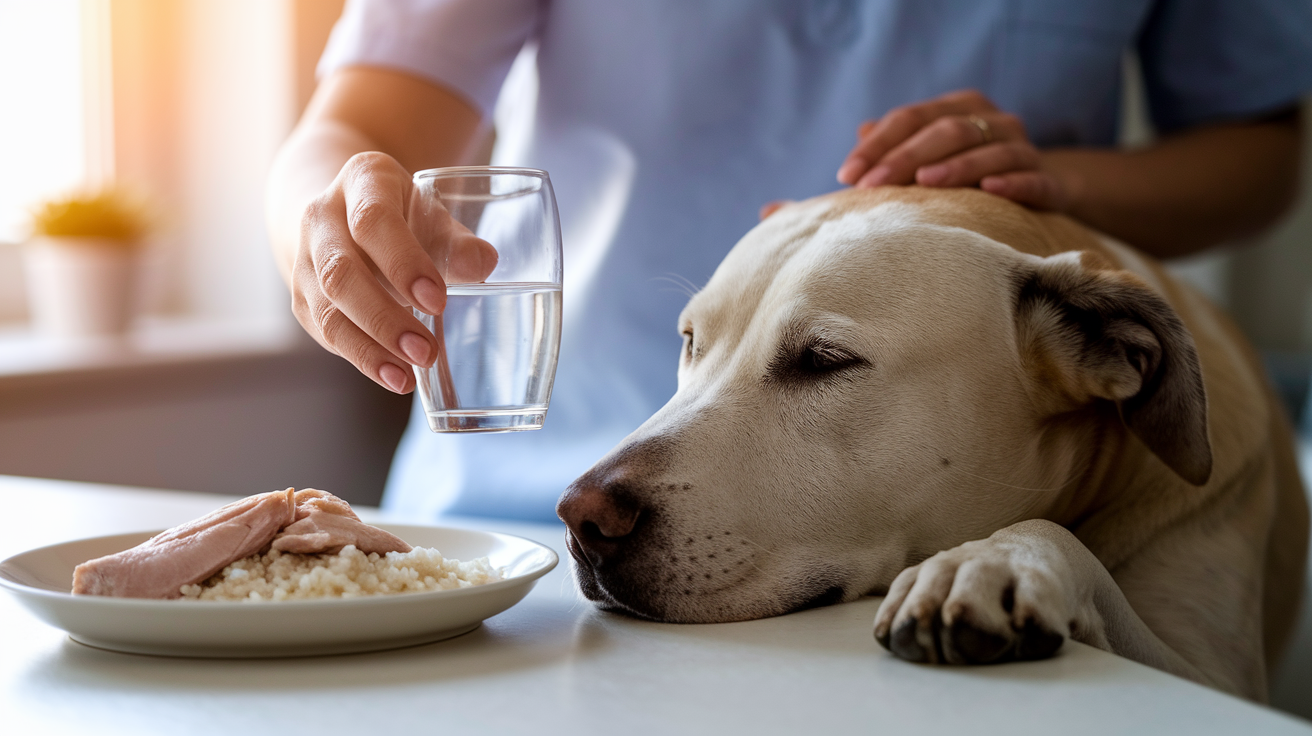
Home care is safe only for stable adult dogs with a single episode or very mild, infrequent vomiting and no red-flag signs. If your dog is bright, alert, drinking normally, has no blood in the vomit or severe pain, you can try a short home protocol and monitor closely. Puppies, seniors, dogs with known health conditions should be evaluated by a vet before you start home treatment.
The goal is to rest the stomach, prevent dehydration, slowly reintroduce food. Start with a fasting period to let irritation settle. Then offer small amounts of water frequently, not free access all at once, to avoid triggering more vomiting. Once vomiting stops for 12 to 24 hours, begin a bland diet in tiny portions.
The classic bland-diet ratio is 1 part lean protein to 3 parts easily digestible carbohydrate. Use boiled skinless chicken breast, extra-lean ground beef, or scrambled egg (no butter or oil) for protein. Pair it with plain white rice or boiled potatoes. Feed small meals every 2 to 3 hours for the first day, then gradually increase portion size and reduce frequency over 24 to 48 hours. After 48 hours on bland food, transition back to your dog’s regular diet slowly over 3 to 5 days by mixing increasing amounts of regular food into the bland mix.
Here’s the step-by-step:
- Withhold food for 12 hours for adult dogs, 6 to 8 hours for puppies or small breeds.
- Offer small amounts of water every 30 to 60 minutes. Ice chips work well if your dog vomits water immediately.
- Start bland diet in very small portions once vomiting has stopped for 12 hours.
- Feed frequently, every 2 to 3 hours at first, about 1 to 2 tablespoons per 10 pounds of body weight per meal.
- Gradually return to normal food over 3 to 5 days by mixing regular kibble into the bland diet, increasing the ratio daily.
| Step | Timeframe | Notes |
|---|---|---|
| Fasting period | 12 hours (adults), 6 to 8 hours (puppies) | No food, but offer small amounts of water frequently to prevent dehydration. |
| Bland diet introduction | After 12 to 24 hours with no vomiting | Feed very small portions every 2 to 3 hours. Use 1:3 protein-to-carb ratio. |
| Transition to regular food | Over 3 to 5 days | Mix increasing amounts of regular food into bland diet daily. Watch for vomiting recurrence. |
Veterinary Diagnostics Used to Determine Why a Dog Is Vomiting
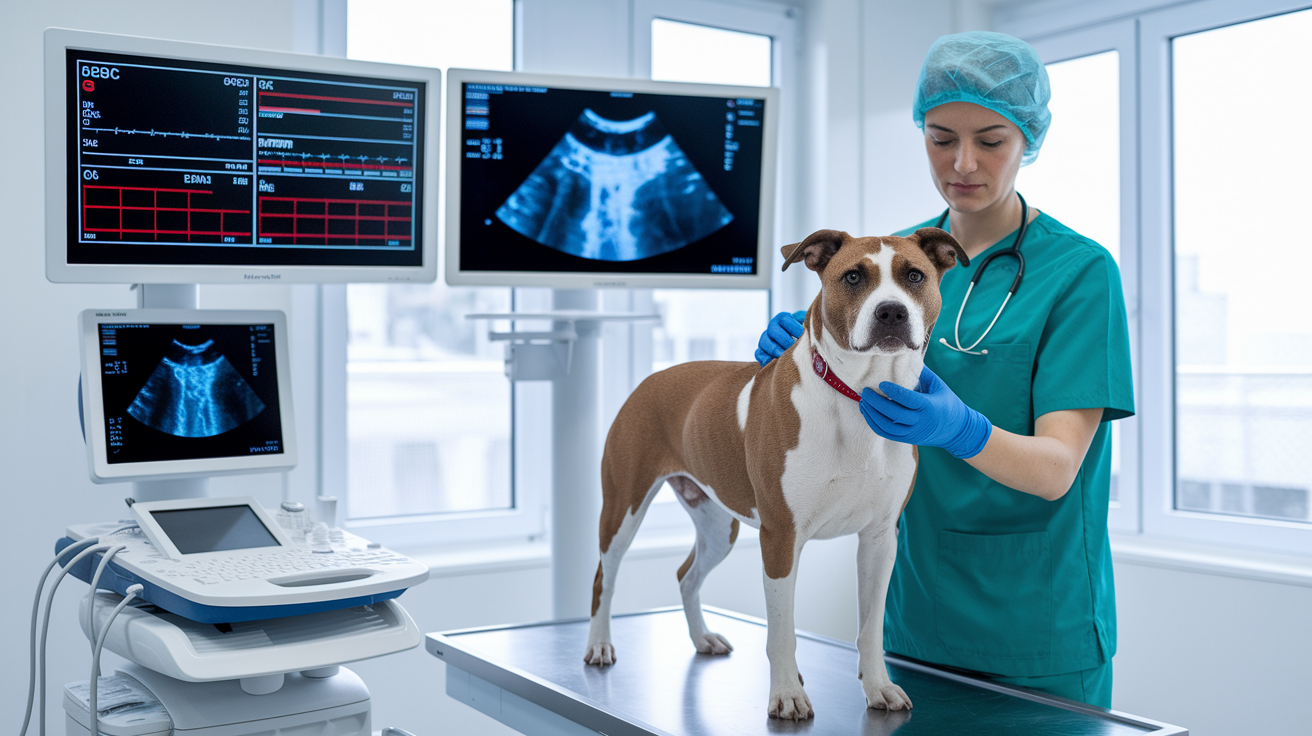
When you bring your dog to the vet for vomiting, the first step is a thorough physical exam and detailed history. Your vet will ask about frequency, appearance, what your dog ate recently, any known toxin exposure, other symptoms like diarrhea or lethargy, vaccination and deworming status. They’ll check hydration by looking at gum moisture, skin elasticity, capillary refill time, and palpate the abdomen for pain, masses, or fluid.
Bloodwork is standard for any dog vomiting repeatedly or showing signs of illness. A complete blood count checks for infection, anemia, platelet issues. A serum chemistry panel evaluates kidney function, liver enzymes, electrolytes, blood sugar, proteins. Urinalysis helps assess kidney health and hydration status. Fecal exams check for parasites like roundworms, hookworms, whipworms, Giardia, and a parvovirus test is done for unvaccinated or young dogs with acute vomiting and diarrhea.
Imaging helps identify obstructions, bloat, tumors, organ enlargement. Abdominal X-rays can show foreign bodies, intestinal gas patterns, a twisted stomach. Ultrasound gives a detailed view of the intestines, pancreas, liver, lymph nodes, and can detect fluid, masses, thickened bowel walls. If initial tests don’t reveal the cause, your vet may recommend endoscopy to look inside the stomach and upper intestines, or exploratory surgery if obstruction or a tumor is suspected.
Common diagnostic tools:
- Physical exam and detailed history, palpation for pain, masses, bloating, hydration and vital-sign assessment.
- Complete blood count and serum chemistry panel, checks organ function, infection, anemia, electrolyte imbalances.
- Urinalysis, evaluates kidney health, hydration, possible metabolic disease.
- Fecal examination and Giardia test, identifies parasites causing vomiting and diarrhea.
- Abdominal X-rays, detects foreign bodies, bloat, intestinal obstruction, organ enlargement.
- Abdominal ultrasound, visualizes soft tissues, pancreas, intestines, liver, checks for masses or fluid.
How Veterinarians Treat Vomiting Based on the Underlying Cause
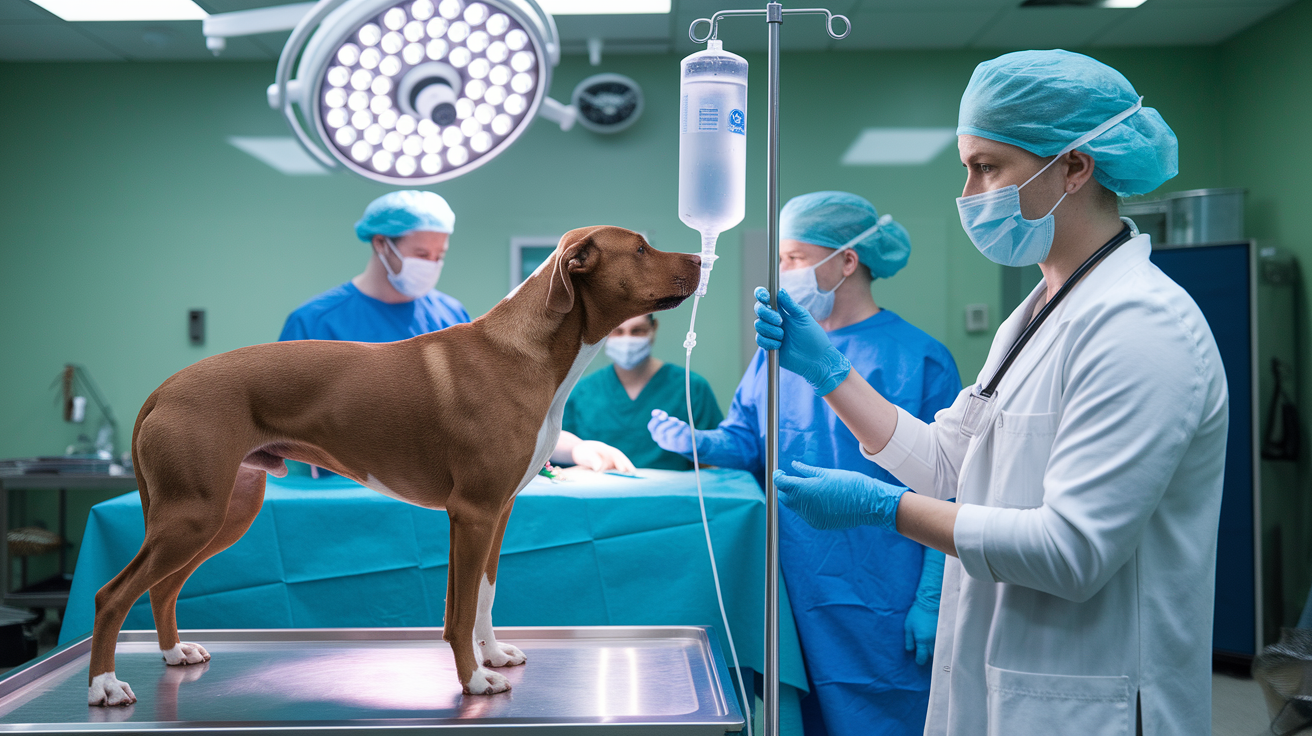
Treatment depends entirely on what’s causing the vomiting. For mild cases with no serious underlying disease, your vet will focus on supportive care, rehydration, stopping the nausea. For serious causes like obstruction, parvovirus, organ failure, treatment is more intensive and may require hospitalization or surgery.
Fluid therapy is the cornerstone of treatment for any vomiting dog. Dehydration and electrolyte imbalances get corrected with IV fluids or subcutaneous fluids, depending on severity. Antiemetic medications stop nausea and vomiting, allowing the stomach to rest and the dog to start drinking and eating again. Common antiemetics include maropitant (Cerenia), ondansetron, metoclopramide. GI protectants like sucralfate or famotidine reduce stomach acid and protect the lining. Pain control is added for pancreatitis, gastritis, abdominal pain.
If infection or bacterial overgrowth is suspected, antibiotics may be prescribed. Deworming medications treat parasites. For foreign body obstruction or GDV, surgery is required immediately. Hospitalization typically lasts 24 to 72 hours for severe cases, with continuous IV fluids, injectable medications, close monitoring. Once vomiting stops and your dog can eat, a prescription easily digestible diet is introduced before transitioning back to regular food at home.
Treatment categories:
- IV or subcutaneous fluid therapy, corrects dehydration and restores electrolyte balance.
- Antiemetic medications, maropitant, ondansetron, or metoclopramide to stop vomiting.
- GI protectants and acid reducers, sucralfate, famotidine, or omeprazole for stomach lining protection.
- Pain management, especially for pancreatitis, gastritis, abdominal discomfort.
- Antibiotics and dewormers, for confirmed infections or parasite infestations.
- Surgery and hospitalization, for foreign body removal, GDV correction, or when diagnosis requires exploratory surgery.
Preventing Future Vomiting Episodes in Dogs
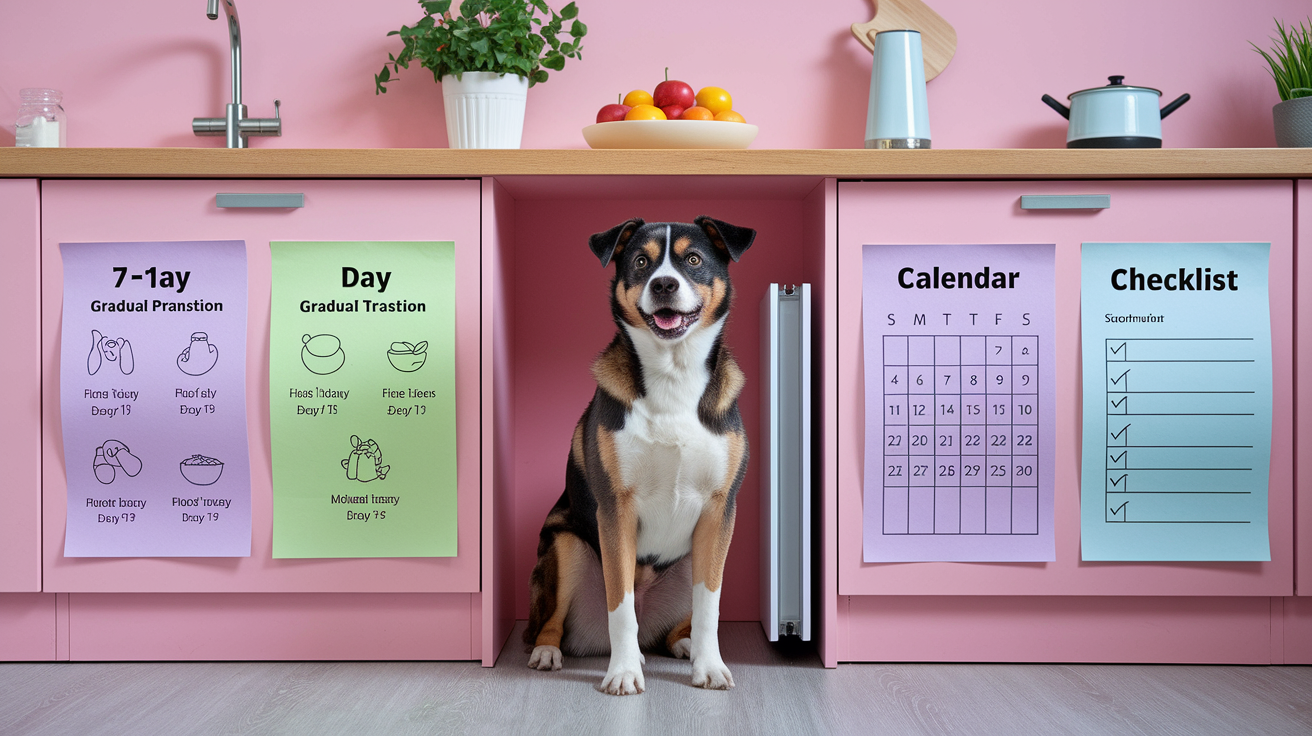
Many causes of vomiting are preventable with simple, consistent habits at home. The most important step is controlling what goes into your dog’s mouth, both food and non-food items. Gradual diet transitions give the stomach and gut bacteria time to adjust without triggering inflammation or nausea.
When switching foods, mix the new food into the old food slowly over 7 to 10 days, increasing the new-food ratio by about 10 to 15% every couple of days. Don’t give fatty table scraps, especially around holidays. Fried foods and rich sauces are common pancreatitis triggers. Secure trash cans with locking lids and keep socks, toys, small objects off the floor where curious dogs can swallow them.
Prevention steps you can take today:
- Transition diets gradually over 7 to 10 days, mix old and new food slowly to avoid stomach upset.
- Secure trash and keep toxic foods out of reach, grapes, raisins, xylitol, chocolate, onions, garlic, human medications.
- Maintain vaccination and deworming schedules, especially critical for puppies to prevent parvovirus and parasite infections.
- Use slow-feeder bowls for fast eaters, reduces overeating, gulping air, vomiting right after meals.
- Avoid fatty table scraps and fried foods, high-fat meals increase pancreatitis risk.
- Schedule regular veterinary checkups, early detection of kidney, liver, or metabolic disease prevents chronic vomiting.
Final Words
Most vomiting is a symptom, not a diagnosis. This post covered common causes, how vomit type and frequency can help, safe home care, emergency signs, vet tests and treatments, and prevention steps.
For a single mild episode, try the home-care routine and watch for 24 hours. Call your vet sooner if vomiting repeats, contains blood, your dog is very young or old, or shows pain or collapse.
If you still wonder why is my dog vomiting, jot details and photos for the vet and stay calm, you’re doing the right thing.
FAQ
Q: What can I give my dog for vomiting?
A: You can give a vomiting dog small sips of water and, after a 12-hour fast for adults (6–8 hours for puppies), tiny portions of bland food like boiled chicken and rice; call a vet for repeated vomiting or blood.
Q: When to worry about a dog throwing up?
A: You should worry when vomiting happens more than once in 24 hours, contains blood, your dog can’t keep water down, shows abdominal pain, is very lethargic, dehydrated, collapsed, or is a puppy or senior.
Q: What color is parvo vomit?
A: Parvo vomit is often bloody or dark and may look like coffee grounds; puppies also get severe, foul-smelling diarrhea and vomiting. This is an emergency. Call your vet immediately.
Q: What is the most common cause of dogs throwing up?
A: The most common cause of dogs throwing up is dietary indiscretion, like eating garbage, spoiled food, or sudden diet changes, which often causes mild gastritis that may clear in 12–24 hours.