

That yellow, foamy vomit your dog leaves in the morning isn’t just an annoying mess.
It can be bile reflux (bile is a greenish digestive fluid) from an empty stomach.
When dogs go eight to twelve hours without food, bile can flow backward into the stomach, making them nauseous and prompting that quick morning puke while they act normal afterward.
This post explains common causes, simple feeding fixes that often stop the cycle, what to watch for at home, and when to call your vet.
Understanding Morning Bile Vomiting and What It Means for Your Dog
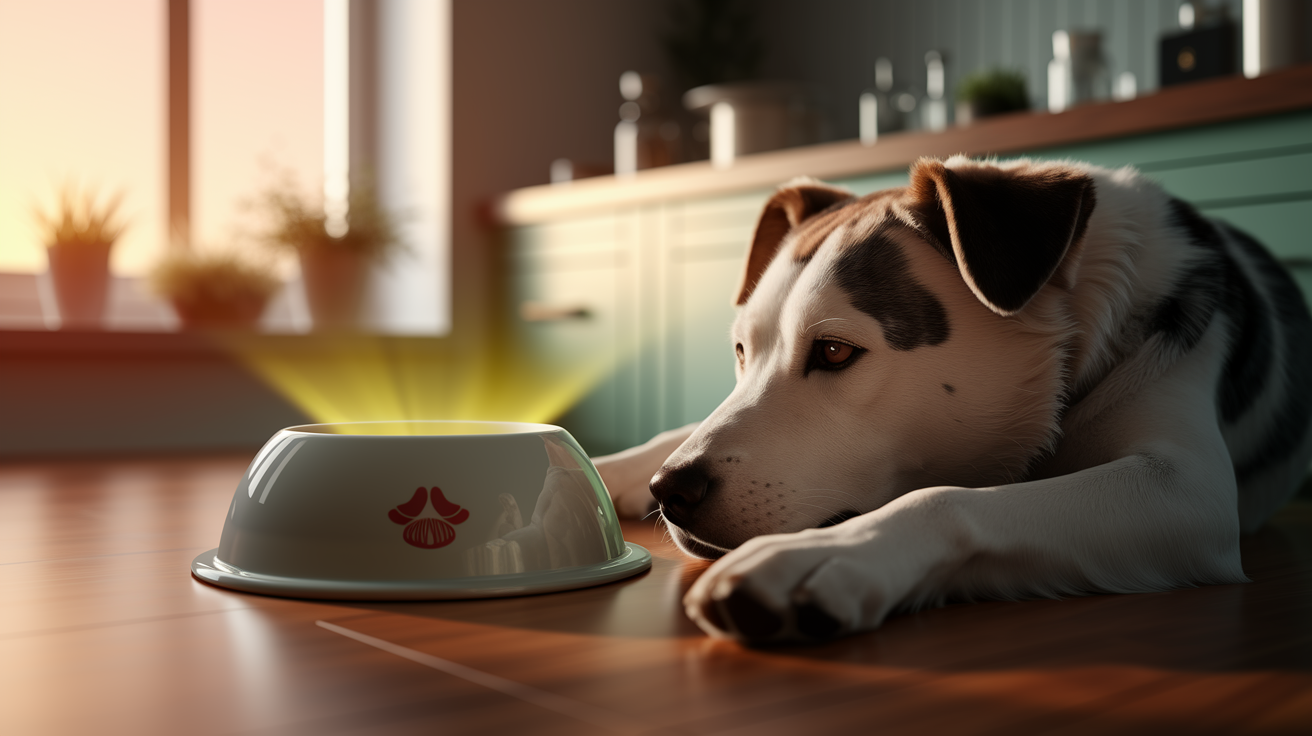
Bilious vomiting syndrome (BVS) is what vets call it when your dog throws up yellow or green frothy liquid, usually first thing in the morning after not eating for 8 to 12 hours or more. The vomit looks like bile—that’s a digestive fluid the liver makes—and you won’t see any food in it. Most dogs dealing with BVS are young adults, mid-sized, and otherwise perfectly healthy. Episodes pop up randomly, often in those early hours before breakfast, and your dog acts totally normal afterward. You might catch some lip-smacking, drooling, or a quick moment where they’re not interested in food right before it happens, but appetite and energy snap back once their stomach settles.
What’s really going on? Bile’s refluxing into an empty stomach. When your dog goes a long time without eating, pressure in the stomach drops and bile from the small intestine flows backward into the stomach lining. Bile’s irritating, especially when there’s nothing there to cushion it, so the stomach reacts by vomiting. Timing tells you a lot here. Most episodes cluster in the morning after that overnight fast. Once your dog eats and the stomach fills up again, motility picks back up and the cycle breaks until the next long gap without food.
Five things you can spot at home:
- Vomit’s yellow or greenish, foamy or watery, no food chunks
- Happens after a long stretch without eating, usually early morning
- Your dog’s hungry and energetic before and after vomiting
- Weight’s stable, no diarrhea or ongoing low energy
- Brief nausea signs show up—lip-smacking, drooling, panting, hesitation at the bowl—then disappear
Keep in mind, these signs point toward BVS but don’t confirm it. Other things can look similar at first, so tracking what you’re seeing helps you and your vet figure out what’s actually happening.
Exploring Causes and Risk Factors Behind Dog Bilious Vomiting Syndrome
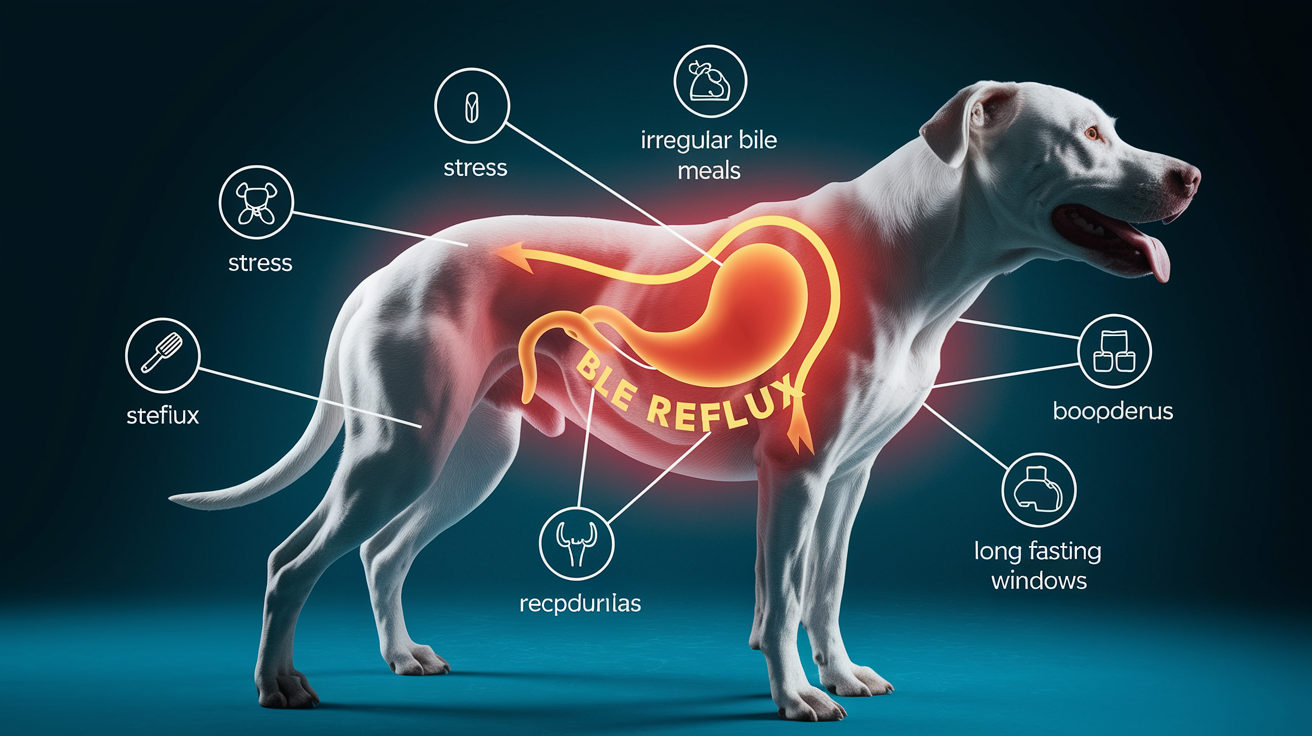
The whole thing starts with altered gastric motility. When the stomach sits empty for hours, its normal rhythmic contractions slow way down and pressure inside drops. That low pressure creates an opening for bile—which normally stays in the duodenum—to flow backward through the pyloric sphincter into the stomach. Bile’s built to help digest fat in the intestine, not hang out in an acidic, empty stomach. When it hits the gastric lining with nothing else there, it triggers inflammation and nausea, and the stomach just expels the irritant. The longer the fast, the more likely this reflux becomes. That’s why the overnight gap between dinner and breakfast is the most common trigger.
A few things raise the chances of bile reflux episodes. Stress and anxiety mess with normal motility patterns, making reflux more common even if meal timing doesn’t change. Irregular feeding schedules confuse the digestive rhythm and create unpredictable fasting windows. Feeding just one big meal per day leaves the stomach empty for most of the 24-hour cycle, which maximizes reflux risk. Underlying chronic gastrointestinal conditions like low-grade inflammation or mild motility disorders can make the stomach more sensitive to bile and more prone to vomiting even after moderate fasts.
Main risk factors:
- Single daily meal or long gaps between feedings (more than 10 to 12 hours)
- Irregular or unpredictable feeding times that mess with digestive rhythm
- Chronic stress, anxiety, or environmental changes affecting motility
- Pre-existing mild gastrointestinal disease or inflammation
Nuanced Symptoms, Frequency Patterns, and Nausea Behaviors in BVS
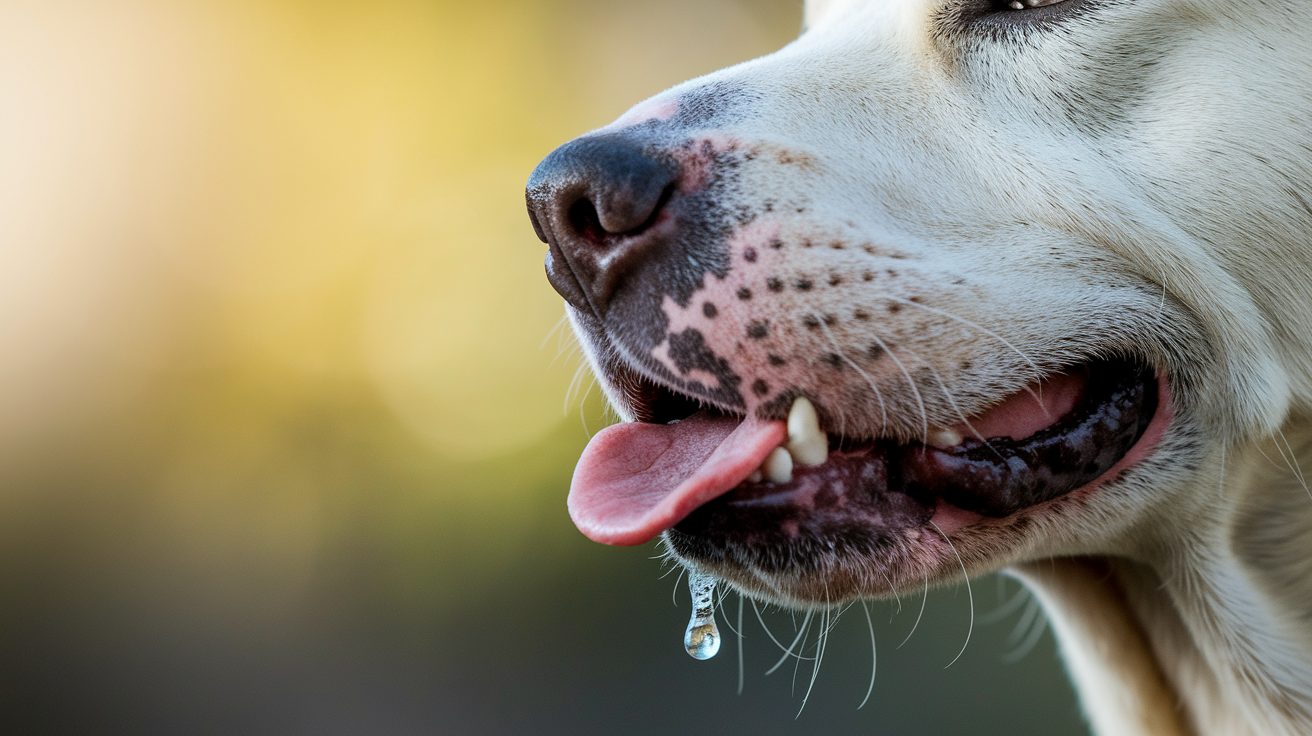
Beyond the basic yellow-green vomit, frequency and pattern matter. Dogs with straightforward BVS usually vomit intermittently—once every few days or weeks—not daily or multiple times per day. If episodes creep above two or three times in a single day, or if they start happening at different times unrelated to fasting, you’re looking at something more complex than simple bile reflux. Subtle nausea behaviors often show up minutes to an hour before the vomit: excessive swallowing, lip-smacking that sounds wet or sticky, drooling more than usual, pacing near the door or panting without exertion. These cues mean the stomach’s uncomfortable, and your dog’s trying to manage the feeling before it escalates.
Vomit color gives you clues about what’s mixing with bile. Pure bile appears bright yellow to lime green and foamy, like dish soap. If you see darker green or brownish-green tones, partially digested food or stomach acid may be present, suggesting the stomach wasn’t completely empty or motility’s more disrupted. Bright yellow with white foam often means bile mixed with mucus from the stomach lining. Any red streaks, dark brown “coffee grounds” texture, or black color points to blood and moves the situation out of simple BVS territory into something requiring urgent attention.
| Vomit Color | What It Suggests |
|---|---|
| Bright yellow or lime green, foamy | Pure bile from an empty stomach, typical for BVS |
| Dark green or greenish-brown | Bile mixed with partially digested food or stomach contents |
| Red, brown, or black | Presence of blood; requires immediate veterinary care |
How Veterinarians Diagnose Bilious Vomiting Syndrome Safely
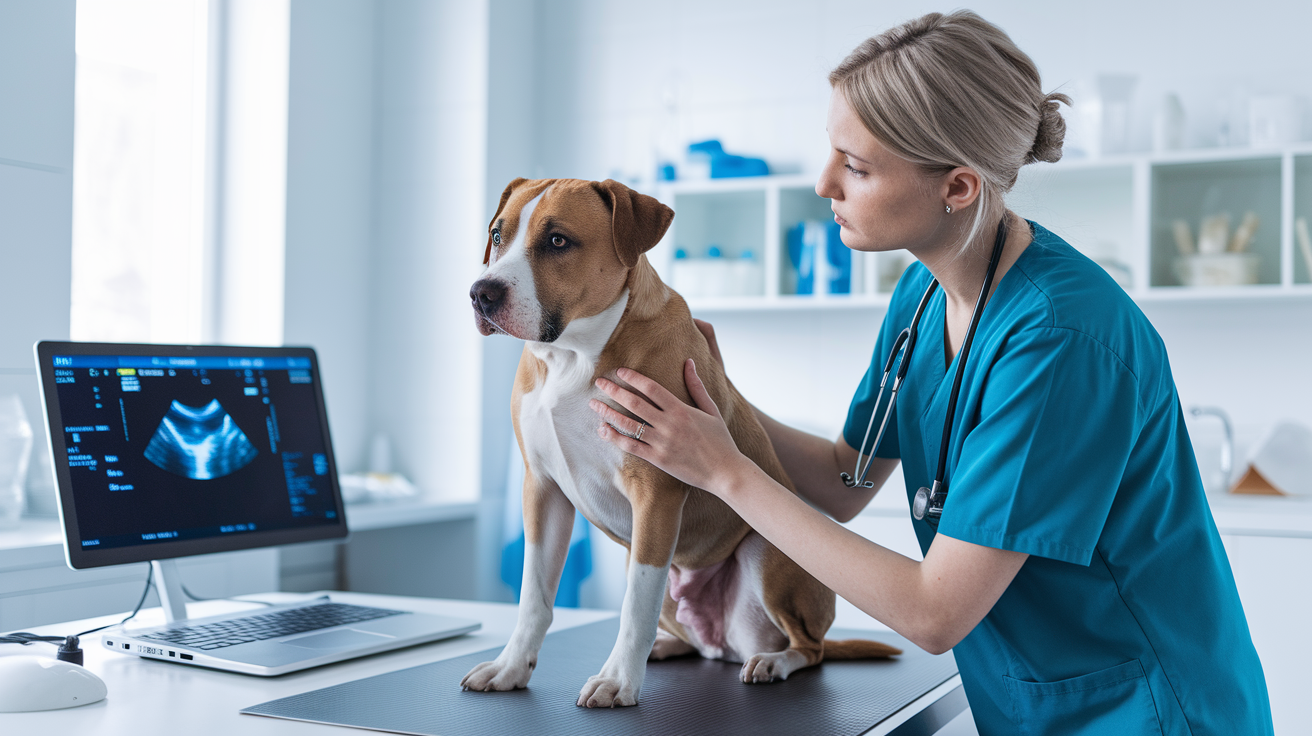
BVS is a diagnosis of exclusion. Your vet rules out other causes before landing on it. The process starts with a detailed history: when the vomiting started, how often it happens, what time of day, what the vomit looks like, and whether your dog’s appetite, energy, weight, or bowel movements have changed. A thorough physical exam checks for pain, bloating, dehydration, abnormal gut sounds, and any masses or discomfort in the abdomen. These two steps alone often reveal clues that point toward or away from BVS. If your dog’s bright, comfortable, eating well between episodes, and the vomit’s bile-only in the early morning, BVS moves higher on the list. If there’s pain, lethargy, or other systemic signs, testing gets more serious.
Standard Diagnostic Tests
Baseline bloodwork typically includes a complete blood count (CBC), serum chemistry panel, and urinalysis. These screen for infection, anemia, organ dysfunction (liver, kidney, pancreas), electrolyte imbalances, and metabolic diseases that can cause vomiting. A fecal test checks for intestinal parasites, which are common in young dogs and can mimic BVS symptoms. If pancreatitis is a concern, especially if there’s abdominal tenderness or a history of eating something they shouldn’t, a specific pancreatic lipase test may be added. Normal results across these tests strengthen the case for BVS, while abnormalities point to a different diagnosis and guide further workup.
Imaging When Needed
Abdominal x-rays or ultrasound become important when symptoms don’t fit the classic BVS pattern or when initial feeding changes don’t help. X-rays can spot foreign objects, intestinal gas patterns, or organ enlargement. Ultrasound provides a closer look at the stomach wall, intestines, liver, pancreas, and gallbladder, and can identify masses, thickening, fluid, or motility abnormalities. If your dog vomits bile but also shows weight loss, vomits at random times, or has abnormal bloodwork, imaging helps rule out structural problems, tumors, or chronic inflammation before settling on a BVS diagnosis.
Ruling Out More Serious Conditions
Several conditions produce bile-stained vomiting but carry much higher stakes than BVS. Intestinal obstruction from a foreign body or mass causes progressive vomiting, often with abdominal pain, distension, and complete loss of appetite. Acute pancreatitis triggers severe nausea, vomiting (sometimes bile, sometimes food), abdominal tenderness, hunching, and elevated pancreatic enzymes on bloodwork. Chronic inflammatory bowel disease can cause intermittent bile vomiting but usually includes diarrhea, weight loss, and poor body condition over time. Metabolic diseases like Addison’s disease, liver dysfunction, or kidney failure produce vomiting alongside lethargy, increased thirst, abnormal urination, or electrolyte disturbances visible on lab tests. Gastric dilatation-volvulus (GDV or bloat) presents with unproductive retching, severe distension, and rapid deterioration, an immediate emergency. The diagnostic process systematically excludes these before confirming BVS through a therapeutic feeding trial.
Conditions That Resemble Bilious Vomiting Syndrome but Require Urgent Attention
While BVS produces bile vomiting after fasting in an otherwise comfortable dog, several serious conditions share that yellow-green vomit but add red-flag signs. Pancreatitis can start with bile vomiting in the morning but quickly escalates to repeated vomiting throughout the day, refusal to eat, visible abdominal pain (hunching, whining, reluctance to move), and sometimes fever or diarrhea. Intestinal obstruction may begin with bile vomit if the blockage is partial or high in the GI tract, but you’ll also see progressive lethargy, straining without passing stool, distension, and often vomiting that becomes more frequent and forceful. Liver or biliary disease can produce bile-stained vomit alongside jaundice (yellow gums or skin), dark urine, pale stools, and abnormal bloodwork. Toxin ingestion sometimes triggers bile vomiting within hours, often accompanied by drooling, tremors, disorientation, or seizures depending on the substance.
The difference is how your dog acts between episodes and whether symptoms stay isolated or multiply. BVS dogs feel fine most of the time, eat normally, maintain weight, and show no pain or systemic illness. When additional signs appear, especially pain, distension, continuous vomiting, collapse, or changes in behavior, the situation moves beyond simple bile reflux and into emergency territory.
Red-flag signs requiring urgent veterinary care:
- Vomiting multiple times in a row or continuously for more than a few hours
- Unproductive retching (trying to vomit but nothing comes up, or only thick saliva)
- Severe abdominal bloating, hardness, or visible distension
- Hunching, pacing, whining, or other obvious signs of pain
- Lethargy, weakness, collapse, or inability to stand normally
- Blood in vomit (red streaks, brown “coffee grounds,” or black material)
Treatment Options for Dogs With Bilious Vomiting Syndrome

When feeding adjustments alone don’t resolve BVS episodes, vets may prescribe medications to improve gastric motility or reduce nausea. Prokinetic drugs are the most targeted option because BVS stems from a motility issue rather than excess acid. Cisapride is a commonly cited prokinetic that increases the strength and coordination of stomach contractions, helping move contents forward and reducing the likelihood of bile reflux. It’s sometimes given as a single bedtime dose to improve overnight motility. Metoclopramide is another prokinetic with additional antiemetic properties, often used when nausea is prominent. Antiemetic medications like maropitant (Cerenia) block vomiting signals in the brain and can provide short-term relief during acute episodes, though they don’t address the underlying motility problem. Acid-reducing drugs like famotine or omeprazole are sometimes tried but tend to be less effective for BVS since bile irritation, not stomach acid, is the main trigger.
Response timelines vary by medication and individual dog. Prokinetics may show improvement within a few days to a week as motility patterns normalize. Antiemetics work faster, often within hours, but are typically used for short courses rather than long-term management. A retrospective study of 20 BVS cases spanning 2002 to 2012, published on 1 May 2016 in the Journal of the American Animal Hospital Association (52(3):157–161), reviewed treatment outcomes and found that feeding schedule changes were the most consistently effective intervention, with medications playing a supportive role in cases that didn’t respond fully to diet adjustments alone.
Your vet will choose medication type, dose, and duration based on your dog’s specific symptoms, bloodwork, and response to initial feeding changes. Never start or adjust medications on your own. Doses designed for humans or other animals can be dangerous for dogs, and some drugs interact poorly with underlying conditions not yet identified.
Vet-prescribed medication classes for BVS:
- Prokinetic drugs (cisapride, metoclopramide) to improve gastric motility
- Antiemetic medications (maropitant) to reduce nausea and vomiting signals
- Acid-reducing drugs (famotidine, omeprazole) when acid co-factors are suspected
- Short-term bland-diet support combined with hydration monitoring
Feeding Schedules and Diet Strategies to Manage Bile Vomiting

The most effective non-pharmaceutical treatment for BVS is shortening the overnight fasting window by redistributing your dog’s daily food into smaller, more frequent meals. Instead of one or two large feedings, split the same total daily calories into three or four smaller portions spread evenly across waking hours. This keeps the stomach from sitting empty for long stretches, maintains more consistent motility, and reduces the chance of bile reflux. Many dogs improve within days once this pattern starts, though it can take up to two to four weeks to see the full benefit as the digestive rhythm stabilizes.
Late-Night Snack Timing
Adding a small snack within one to two hours of bedtime is one of the simplest and most reliable changes you can make. The snack doesn’t need to be large, just enough to give the stomach something to work on during the early overnight hours. A few tablespoons of your dog’s regular kibble, a small spoonful of plain cooked chicken, or a bite of low-fat wet food all work. The goal is to delay the start of the true fasting period so that by morning, the stomach hasn’t been empty for 10 or 12 hours straight. Some owners also offer a tiny pre-breakfast snack, literally a few pieces of kibble, first thing in the morning, wait 10 to 15 minutes, then serve the regular breakfast. That brief buffer can settle the stomach and prevent the bile vomit that would otherwise happen on a completely empty stomach.
Meal Distribution Without Adding Calories
Splitting meals only works if you don’t increase total daily calories. Measure your dog’s full daily food ration at the start of the day, then divide it into the planned portions. For example, if your dog eats two cups of kibble per day, you might give half a cup at breakfast, half a cup at lunch, half a cup at dinner, and half a cup as a bedtime snack, still two cups total, just spread out. Adding extra food on top of the regular amount will lead to weight gain over time, which brings its own health problems and can worsen gastrointestinal issues. If your dog’s weight starts creeping up, reduce portion sizes slightly while keeping the frequent-feeding schedule. During acute episodes, a bland diet of boiled lean chicken (skinless, boneless) and plain white rice in a 1:2 ratio can help for 24 to 48 hours, then transition back to regular food gradually by mixing increasing amounts over three to four days.
Home Care, Monitoring, and How Long Recovery Takes

Once you start feeding changes, monitor your dog closely for the first two to four weeks to track progress and catch any worsening signs early. Most dogs with straightforward BVS improve noticeably within a few days. Vomiting frequency drops, nausea behaviors disappear, and appetite stays strong. Full resolution can take up to a month as the new routine becomes habit and the stomach lining heals from any prior irritation. If vomiting continues past two weeks despite consistent feeding adjustments, or if new symptoms appear, contact your vet for re-evaluation. During the monitoring period, offer small sips of water frequently rather than letting your dog gulp a full bowl at once, which can trigger more nausea if the stomach’s still sensitive. Avoid long fasting stretches even on busy days. Stick to the schedule as closely as possible.
Keep a simple log to help you and your vet see patterns. Note the date and time of each vomiting episode, what the vomit looked like (color, consistency, any food present), and what your dog had eaten in the previous 12 hours. Also track appetite changes, energy level, stool consistency and frequency, water intake, and any unusual behaviors like drooling, pacing, or reluctance to play. This record makes it much easier to spot improvement or identify warning signs that something beyond BVS is happening.
Five items to log during recovery:
- Date, time, and appearance of any vomiting (color, texture, food content)
- Meal times, portion sizes, and any missed or delayed feedings
- Appetite level at each meal (enthusiastic, hesitant, refused)
- Stool quality and frequency (firm, soft, diarrhea, number of bowel movements)
- Energy, hydration cues (gum moisture, skin elasticity), and behavior changes
Long-Term Outlook and Preventing Recurrence in Dogs With BVS

The long-term outlook for dogs with BVS is very good when feeding routines stay consistent and underlying health is stable. Most dogs live completely normal, active lives once the overnight fasting issue is addressed. Recurrence usually happens when schedules slip: missed late-night snacks, switching back to one meal per day, or irregular feeding times during travel or busy periods. Preventing episodes long-term means treating the feeding schedule as a permanent routine, not a temporary fix. If your dog has concurrent gastrointestinal issues like mild inflammatory bowel disease or food sensitivities, working with your vet to manage those conditions reduces the chance that BVS episodes return even with good meal timing.
Consistency matters more than perfection. Life happens, and occasionally a feeding might run late or a snack might be skipped. One missed snack rarely triggers an immediate episode, but a pattern of inconsistency over days or weeks can restart the cycle. Keep pre-portioned snacks ready, set phone reminders for bedtime feedings, and communicate the schedule clearly with everyone in the household so your dog’s routine doesn’t depend on one person’s memory. Quality of life stays high as long as the plan stays simple and sustainable for your family.
Final Words
First thing in the morning your dog vomits yellow-green, frothy bile. This post explained what bilious vomiting syndrome is, why overnight fasting and motility changes trigger it, and what typical mild signs look like.
We covered vet testing, treatment options, and practical fixes like a late-night snack, splitting meals, and logging episodes.
If your dog is bright and episodes are few, routine feeding changes often help. If you see repeated vomiting, pain, weakness, or blood, call your vet. With consistent care, dog bilious vomiting syndrome can often be managed so your dog stays comfortable.
FAQ
Q: Should I let my dog sleep if he’s sick?
A: Letting your dog sleep if he’s sick can be fine for mild issues, but watch for red flags—labored breathing, collapse, repeated vomiting, blood, severe pain, or rapid worsening—and call your vet right away.
Q: Why is bilious vomiting a red flag?
A: Bilious vomiting is a red flag because bile in an empty stomach irritates and may mean motility problems or other disease; if it repeats, includes blood, lethargy, pain, or dehydration, seek veterinary care promptly.
Q: What is the best food for dogs with bilious vomiting syndrome?
A: The best food for dogs with bilious vomiting syndrome is an easily digestible, low-fat option—plain boiled chicken and rice short-term—paired with small, frequent meals; always check with your vet before major diet changes.
Q: Can BVS in dogs go away?
A: BVS in dogs can go away; many improve with feeding schedule changes, a late-night snack, and vet-prescribed medications. Recovery often takes days to a few weeks—call your vet if episodes persist beyond 2–4 weeks or worsen.