

Should you ever force your dog to vomit at home?
It’s a hard call, but in some cases a prompt, careful attempt can lower how much poison gets absorbed, and it can also make things worse if done at the wrong time or for the wrong substance.
This guide walks you through what a vet will ask first, when vomiting helps and when it’s unsafe, and the low-risk method people use after getting professional clearance.
Read on for exact doses, warning signs, and clear next steps.
Immediate At‑Home Actions for Safe Dog Vomiting Induction
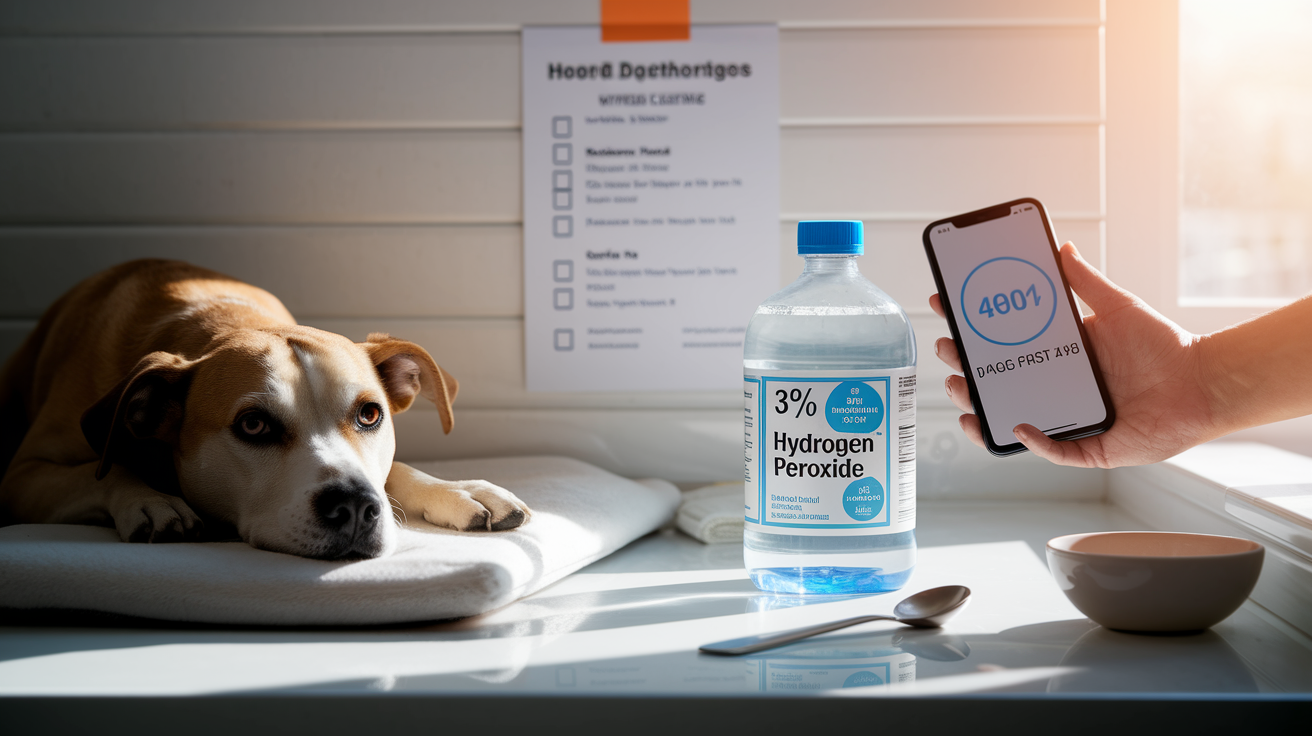
Call your vet, an emergency animal hospital, or a 24/7 poison control helpline before you do anything else. Have the substance name ready, your best guess on how much your dog ate, when it happened, your dog’s weight, and any health issues or meds they’re on. This info helps the pro decide if making your dog vomit is safe or if you need a different plan right now.
Time matters. Vomiting usually only helps in the first one to two hours after your dog swallows something bad. After that, most substances move from the stomach into the intestines, where vomiting won’t reach them. Some toxins absorb fast too, so even if your dog throws up, it might not get rid of enough to stop the damage. Double check what your dog actually ate. Corrosive cleaners, batteries, sharp stuff, and certain chemicals can do more harm coming back up.
Once you’ve got professional clearance to move forward at home, set up a calm space that’s easy to clean (bathroom or laundry room works), grab your supplies, and stay with your dog the whole time. Keep other pets and kids away. Have paper towels, a container for the vomit, and your phone close by.
Do this first:
- Get your dog into a quiet room where you can watch them closely.
- Remove whatever’s left of the toxin, food, or packaging so they can’t eat more.
- Grab the product label, pill bottle, or wrapper to show the vet or poison control.
- Estimate how much got eaten (count missing pills, measure missing liquid, check wrapper size).
- Look at your dog’s gum color, breathing, alertness, and whether they’re already throwing up.
- Get your supplies together: 3% hydrogen peroxide, an oral syringe or turkey baster, a measuring spoon, and a bowl or bag for vomit samples.
When Inducing Vomiting in a Dog Is Unsafe or Contraindicated
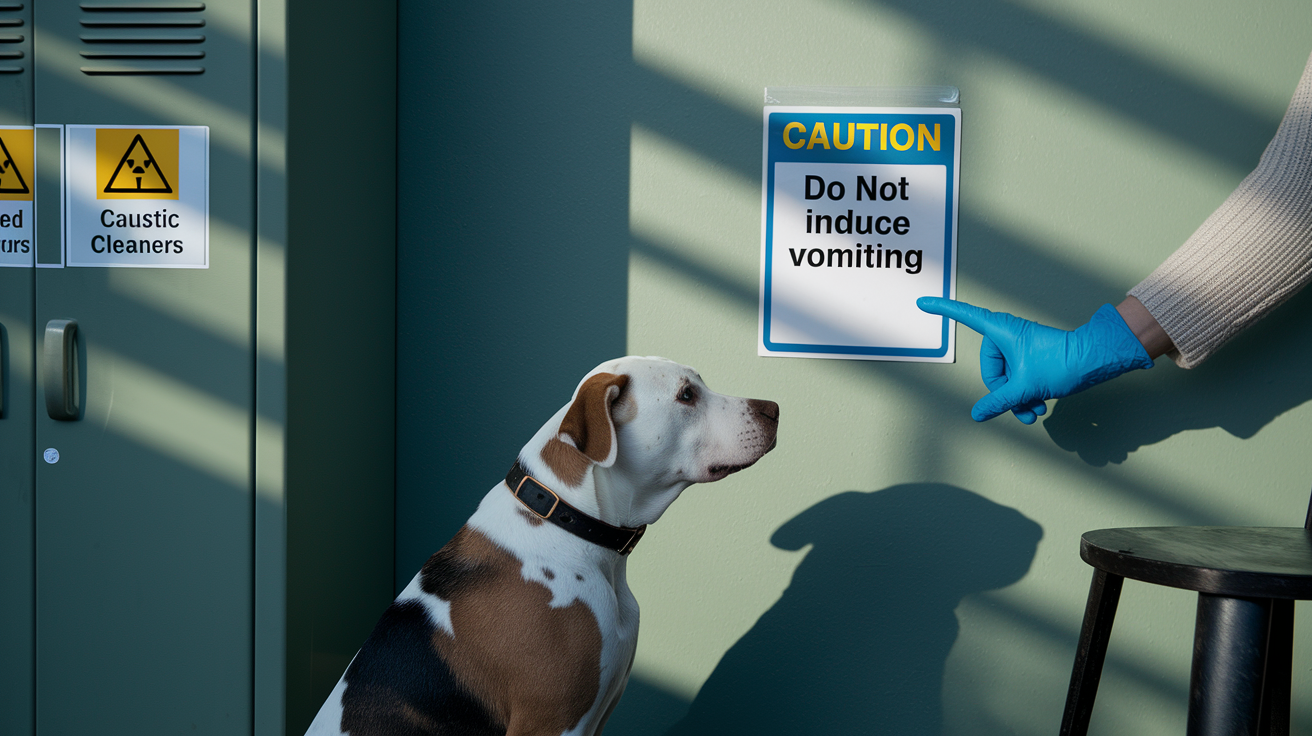
Some things cause more damage when they come back up. Caustic chemicals like drain cleaners, oven cleaners, and toilet bowl stuff contain acids or alkalis that burn going down and will burn again on the way up, creating ulcers in the esophagus and mouth. Petroleum products (gasoline, paint thinner, motor oil) and foamy detergents (laundry pods, liquid dish soap) expand or create slippery material that can get inhaled into the lungs during vomiting. That leads to aspiration pneumonia. Zinc or aluminum phosphide baits (the kind used for moles and gophers) react with stomach acid to make toxic phosphine gas. Vomiting releases that gas into the air, putting both you and your pet at risk.
Your dog’s condition also matters. If they’re unconscious, having seizures, super weak, struggling to breathe, or already vomiting, making them throw up can make the emergency worse. Dogs with megaesophagus (where the esophagus doesn’t push food down normally) or recent belly surgery face higher complication rates. Flat faced breeds like Pugs, Bulldogs, Boxers, and Boston Terriers have narrowed airways, so aspiration is more likely.
Do NOT induce vomiting if your dog:
- Swallowed strong acids, alkalis, or caustic cleaners (drain openers, oven cleaners)
- Ate petroleum products, solvents, or gasoline
- Got into zinc or aluminum phosphide baits (mole or gopher poisons that make phosphine gas)
- Swallowed batteries, sharp objects, glass, or large bones
- Is unconscious, seizing, or showing signs like tremors or extreme hyperactivity
- Is already vomiting or has trouble swallowing or breathing
- Is a high risk breed for aspiration (Pug, Bulldog, Boxer, Boston Terrier) without vet clearance
- Has megaesophagus, recent surgery, or serious underlying illness
Using Hydrogen Peroxide as the Dog Vomit Inducing Agent

Three percent hydrogen peroxide is what most people use at home to make dogs vomit because it irritates the stomach lining enough to trigger throwing up. The foaming and mild irritation usually cause retching ten to fifteen minutes after you give it. This method brings up about half of what’s in the stomach. Not everything. So it’s a partial fix, not a complete one.
Expect vomiting to start quickly and continue on and off for up to forty five minutes. Pick a space that’s easy to clean, away from carpets, beds, or crates. A bathroom with tile or a laundry room with a drain works. Stay with your dog the whole time. Keep them upright or gently walking to help the peroxide mix with what’s in their stomach. Don’t let them lie flat, which can raise aspiration risk.
Never use hydrogen peroxide that’s stronger than three percent. Higher concentrations (the kind sold for industrial cleaning or hair bleaching) cause severe stomach ulcers, gastric bleeding, and can be life threatening. Also skip hydrogen peroxide if your dog has a history of stomach ulcers, recent gastrointestinal surgery, or anything that makes the stomach lining fragile. And remember, this method isn’t safe for cats. Only use it in dogs after you’ve talked to a vet.
Step by Step Instructions to Induce Vomiting in a Dog
These instructions assume a vet or poison control specialist has confirmed it’s safe to induce vomiting at home. Follow the steps in order and stay calm. Your dog picks up on your energy.
- Confirm that less than two hours have passed since your dog ate the thing and that none of the contraindications apply (no caustics, sharp objects, seizures, breathing trouble, or high aspiration risk conditions).
- Measure your dog’s dose using only three percent hydrogen peroxide: one teaspoon (five milliliters) per five pounds of body weight. Don’t go over three tablespoons (forty five milliliters) total, even for really big dogs.
- Draw the measured dose into an oral syringe, medicine dropper, or clean turkey baster. Shake the peroxide bottle gently before measuring to make sure it’s still active (fresh peroxide will bubble a little).
- Stand or sit your dog upright, or hold smaller dogs gently in your lap. Open the side of the mouth by lifting the lip and press the syringe tip between the back teeth and cheek, not down the throat. Squirt the liquid slowly in small amounts, pausing to let your dog swallow between squirts.
- After giving the full dose, encourage your dog to walk around for a few minutes or keep them upright. Movement helps spread the peroxide through the stomach. Don’t let them lie down flat yet.
- Watch for retching, drooling, and vomiting. Most dogs start vomiting in five to fifteen minutes. Stay close and keep the area clear.
- If nothing happens after ten minutes, you can give one repeat dose of the same amount. Don’t give more than two total doses. If the second dose also doesn’t work, stop and call your vet or go straight to an emergency clinic.
- Collect a sample of the vomit in a clean container or plastic bag. Note the time vomiting started and how many episodes happened. Don’t let your dog eat the vomit.
| Dog Weight | Dose (ml) | Dose (tsp) |
|---|---|---|
| 10 lb | 10 ml | 2 tsp |
| 20 lb | 20 ml | 4 tsp |
| 40 lb | 40 ml | 8 tsp |
| 60 lb (and larger) | 45 ml (max) | 9 tsp (3 Tbsp max) |
Recognizing Whether Dog Vomiting Was Successful and What to Do Next
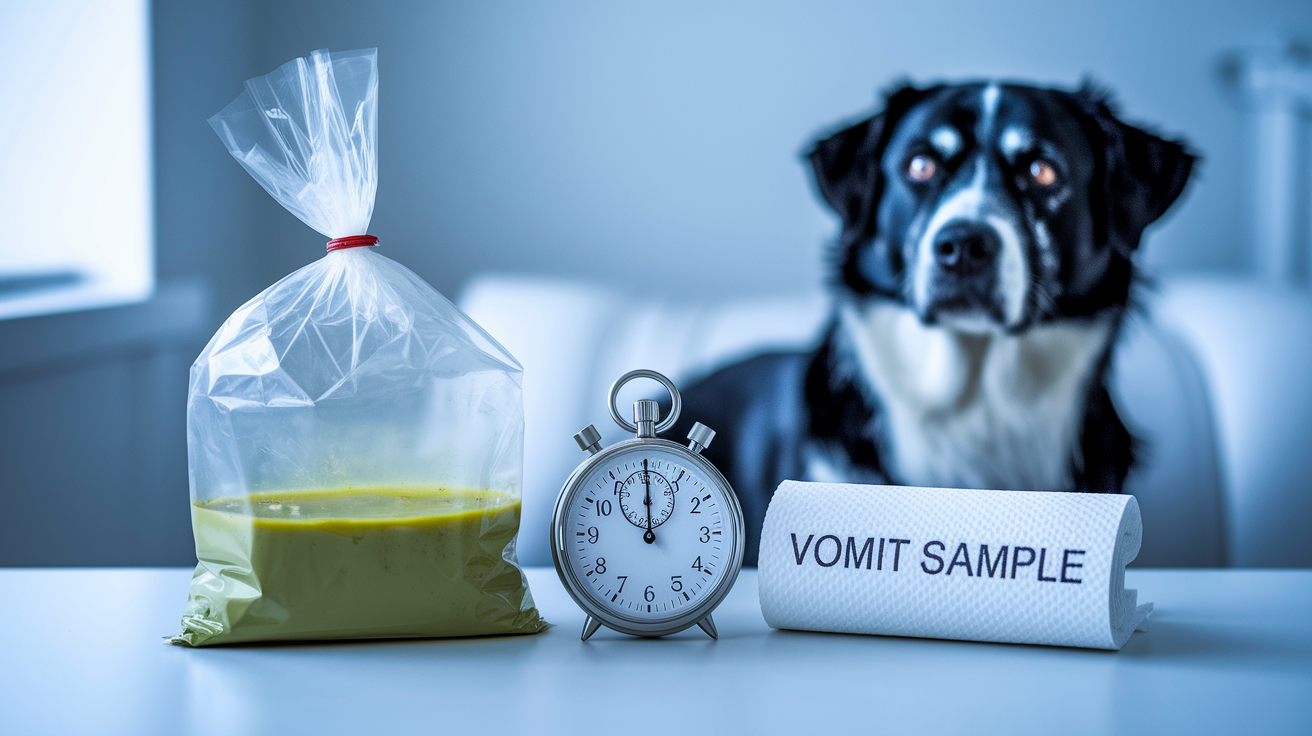
Successful vomiting usually means one to three episodes of retching that bring up stomach contents, food, liquid, and sometimes pieces of whatever they ate. The vomit may be foamy from the peroxide. You might see bits of packaging, pill fragments, or plant material. Your dog may look uncomfortable, drool a lot, or pace for a few minutes, but should settle once the vomiting stops.
Collect a sample of the vomit in a sealed plastic bag or container and bring it with you if you visit the vet. This helps confirm what got eaten and how much came back up. Don’t let your dog re-eat the vomit. Some toxins stay dangerous even after being expelled. Clean the area quickly but calmly. Don’t punish your dog. They’re already stressed.
Call your vet right away if vomiting goes on past forty five minutes, if you see blood in the vomit, if your dog gets extremely tired or collapses, or if new symptoms show up (tremors, seizures, trouble breathing, coughing, severe diarrhea, belly pain). These signs point to complications like aspiration, ongoing toxicity, or internal injury that need emergency help, not just watching at home.
Activated Charcoal Use After Dog Vomiting

Activated charcoal binds to certain toxins in the stomach and intestines, cutting down absorption into the bloodstream. Vets sometimes give it after inducing vomiting, but timing and whether it’s appropriate depend on the specific substance your dog ate. Charcoal doesn’t work for all poisons (it won’t bind metals like iron or toxins that absorb really quickly), and giving it without professional guidance can mess up treatment or cause aspiration if your dog throws up again.
Don’t try to give activated charcoal at home unless a vet explicitly tells you to and gives you a precise dose. The product has to be veterinary grade activated charcoal, not the kind sold for aquarium filters or general household use. Wrong dosing, bad administration, or giving it to a dog with certain conditions can lead to severe constipation, bowel blockage, or aspiration pneumonia.
Vets may recommend activated charcoal when:
- The toxin binds well to charcoal (lots of human meds, chocolate, certain pesticides).
- Vomiting got rid of some but not all of the substance, and absorption risk is still there.
- The ingestion happened recently enough that toxin is still in the gastrointestinal tract.
- The dog is stable, alert, and can swallow safely without aspiration risk.
Veterinary Emesis Methods and Emergency Care Options

When you bring your dog to a vet clinic, the team can use prescription meds to induce vomiting more reliably and safely than home methods. Apomorphine, given by injection, works in about ninety four percent of cases and usually produces vomiting in around fifteen minutes. Clevor (ropinirole ophthalmic solution), approved by the FDA on June 16, 2020, is an eye drop formulation that’s effective in roughly ninety five percent of dogs within thirty minutes and skips the need for an injection.
If vomiting isn’t safe or doesn’t work, vets have other tools. Gastric lavage (stomach pumping) involves passing a tube into the stomach under sedation or anesthesia, flushing it with fluids, and suctioning out contents. Endoscopy uses a camera scope to find and grab foreign objects without surgery. Both procedures need specialized equipment and monitoring, so they’re saved for cases where emesis failed or the thing your dog ate is too big or dangerous to expel naturally.
Beyond emesis, emergency care may include IV fluids to support hydration and kidney function, antiemetic drugs to stop ongoing vomiting, bloodwork to check organ function and electrolyte levels, specific antidotes for certain toxins, and hospitalization for continuous monitoring. The vet team customizes treatment to the substance your dog ate, their clinical signs, and the time since exposure.
When veterinary intervention is mandatory
Go straight to an emergency clinic or vet if your dog swallowed a caustic chemical, petroleum product, battery, or sharp object. Get immediate care if your dog is seizing, unconscious, struggling to breathe, collapsing, or showing signs of serious distress. If you’re not sure whether home induction worked or if symptoms are getting worse despite vomiting, professional assessment is the safest bet. Time sensitive toxins like xylitol, antifreeze (ethylene glycol), and some pesticides need fast advanced treatment, even if vomiting happened at home.
Poison Control Contact Information and Emergency Communication Checklist

Two main 24/7 poison control hotlines serve pet owners in the United States. The ASPCA Animal Poison Control Center can be reached at 888-426-4435, and the Pet Poison Helpline is available at 855-764-7661. Both services charge a consultation fee of around sixty five dollars, but they give expert guidance, help decide whether vomiting is safe, and create a case file that your vet can reference if follow up care is needed.
When you call, the specialist will ask detailed questions to figure out risk and recommend next steps. Have the product in hand so you can read ingredients, lot numbers, and concentration percentages. Be as precise as you can about timing. Dogs metabolize things quickly, and a fifteen minute difference can change the treatment plan. If you’ve already induced vomiting or given any treatment at home, mention that right away.
Prepare this info before calling:
- Full product name, brand, and active ingredient list (read the label word for word if you need to)
- Estimated amount eaten (number of pills, ounces of liquid, size of plant piece, etc.)
- Time of ingestion (note the exact time if possible, even if it’s just a rough estimate)
- Your dog’s current weight in pounds
- Existing health conditions, meds, or recent illnesses
- Current symptoms (vomiting, lethargy, drooling, tremors, breathing changes, seizures)
Common Dog Toxins That May or May Not Require Vomiting
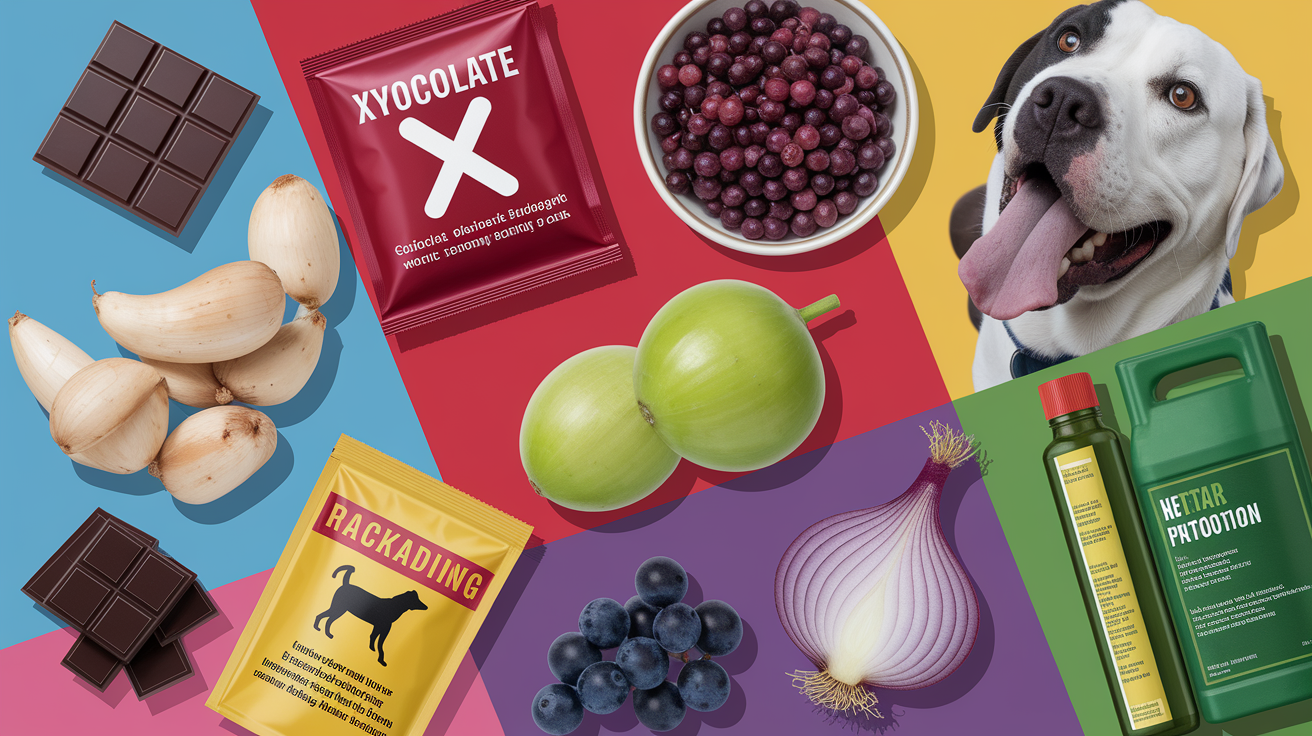
Different substances carry different risks, and not all toxic ingestions need or benefit from vomiting. Chocolate, for example, usually calls for emesis if caught early, especially dark chocolate or baking chocolate, which have higher concentrations of theobromine. Xylitol (found in sugar free gum, candy, and some peanut butters) causes rapid insulin release and severe hypoglycemia. Vomiting may help, but immediate vet care is critical because symptoms can escalate in minutes.
Human meds are a leading cause of dog poisoning. Acetaminophen (Tylenol), ibuprofen, naproxen, antidepressants, birth control pills, and cold medications can all cause serious harm. If your dog ate even one or two pills, call poison control or your vet before inducing vomiting. Some drugs absorb fast, and others need specific antidotes that matter more than emesis. Rodenticides (rat and mouse poisons) vary a lot. Some affect blood clotting over days, while others cause neurologic signs or kidney failure, so figuring out the exact product is essential.
Grapes and raisins can cause acute kidney failure in some dogs, though the toxic dose varies and isn’t fully understood. Onions, garlic, and related plants damage red blood cells over time. Antifreeze (ethylene glycol) is extremely dangerous and needs immediate vet treatment with a specific antidote. Vomiting helps only if done in the first hour and is combined with advanced care. Pesticides, herbicides, and fertilizers each have unique toxicity profiles, and some get absorbed through skin or lungs, not just ingestion.
Toxin categories and vomiting considerations:
- Chocolate and caffeine – Vomiting often recommended if caught within two hours. Severity depends on type and amount.
- Xylitol – Vomiting may help, but immediate vet intervention is critical because of rapid hypoglycemia.
- Human meds – Case by case. Some absorb fast, others need antidotes or monitoring more than emesis alone.
- Grapes and raisins – Vomiting typically recommended if ingestion is recent. Kidney monitoring follows.
- Rodenticides – Vomiting sometimes helpful. Identifying the active ingredient determines antidote and treatment plan.
- Antifreeze (ethylene glycol) – Vomiting alone isn’t enough. Needs antidote and IV fluids within hours of ingestion.
- Household cleaners and chemicals – Many are caustic or petroleum based. Vomiting contraindicated in most cases.
Monitoring Dogs After Induced Vomiting and Safety Follow Up

After your dog vomits, the first twenty four to seventy two hours are the most important for watching complications and tracking ongoing symptoms. Dehydration is common after repeated vomiting. Check your dog’s gums (they should be moist and pink, not sticky or pale), and watch water intake and urination frequency. If your dog won’t drink water, seems weak, or hasn’t peed in twelve hours, contact your vet about possible fluid support.
Aspiration pneumonia is a serious risk if vomit got into the lungs during or after emesis. Early signs include coughing, rapid or labored breathing, nasal discharge, fever, and lethargy that gets worse over the first day or two. If you notice any respiratory symptoms, get vet care right away. Aspiration pneumonia needs antibiotics, oxygen support, and sometimes hospitalization. Mild stomach upset (soft stool, decreased appetite) is common for a day after peroxide induced vomiting, but persistent diarrhea, blood in stool, or belly pain suggest internal injury or ongoing toxicity.
Monitor behavior and neurologic signs closely. Some toxins keep affecting the nervous system even after the stomach is emptied. Tremors, drooling, disorientation, stumbling, seizures, or sudden collapse are emergencies. Keep a written log of symptoms, times, and changes so you can report patterns to your vet if follow up is needed.
Warning signs needing immediate vet care:
- Coughing, rapid breathing, or any respiratory distress starting within hours of vomiting
- Ongoing vomiting or diarrhea lasting more than a few hours, or any blood in vomit or stool
- Extreme lethargy, weakness, or can’t stand or walk normally
- Tremors, twitching, seizures, or sudden collapse
- Won’t drink water, sticky gums, or no urination for twelve hours or longer
Final Words
If you’re dealing with a possible poisoning right now, call your veterinarian or a poison-control hotline first and have the product, amount, time, and your dog’s weight ready.
When it’s safe and within about 1–2 hours, the peroxide method and weight-based dosing can be used, but never if the dog is unconscious, seizing, having breathing trouble, or has swallowed a caustic or petroleum product.
This post covered safe steps, contraindications, vet options, and aftercare for how to induce vomiting in dog. Quick, calm action and a vet call will help your pet the most.
FAQ
Q: What do I give my dog to induce vomiting?
A: To induce vomiting in a dog at home, call your vet or poison control first; they may advise 3% hydrogen peroxide at a proper dose only if ingestion was within 1–2 hours and the dog is alert and breathing.
Q: What home remedy can I give my dog for vomiting?
A: For a dog vomiting at home, contact your vet or poison control first; sometimes 3% hydrogen peroxide is recommended within 1–2 hours for recent toxin ingestion, but only after professional confirmation and safety checks.
Q: What makes a dog vomit quickly?
A: Things that make a dog vomit quickly include toxins (medications, chemicals), spoiled food, fast eating, motion sickness, strong smells, or intestinal blockage; if poisoning is possible, call poison control right away.
Q: How quickly do you have to induce vomiting in dogs?
A: You need to induce vomiting within about 1–2 hours of swallowing many toxins; call your vet or poison control immediately because later emesis often won’t remove the poison and can be unsafe.