

Is one bout of vomiting and a missed meal an emergency, or just a messy one-night upset?
When your dog vomits and won’t eat, it feels scary, so let’s make this simple.
In 60 seconds you can check key signs that separate mild stomach upset from problems a vet needs to see.
This piece walks you through that quick check, clear red flags, safe at-home steps, and what to expect at the clinic.
By the end you’ll know when to wait and when to call the vet.
Immediate Assessment When a Dog Is Vomiting and Not Eating
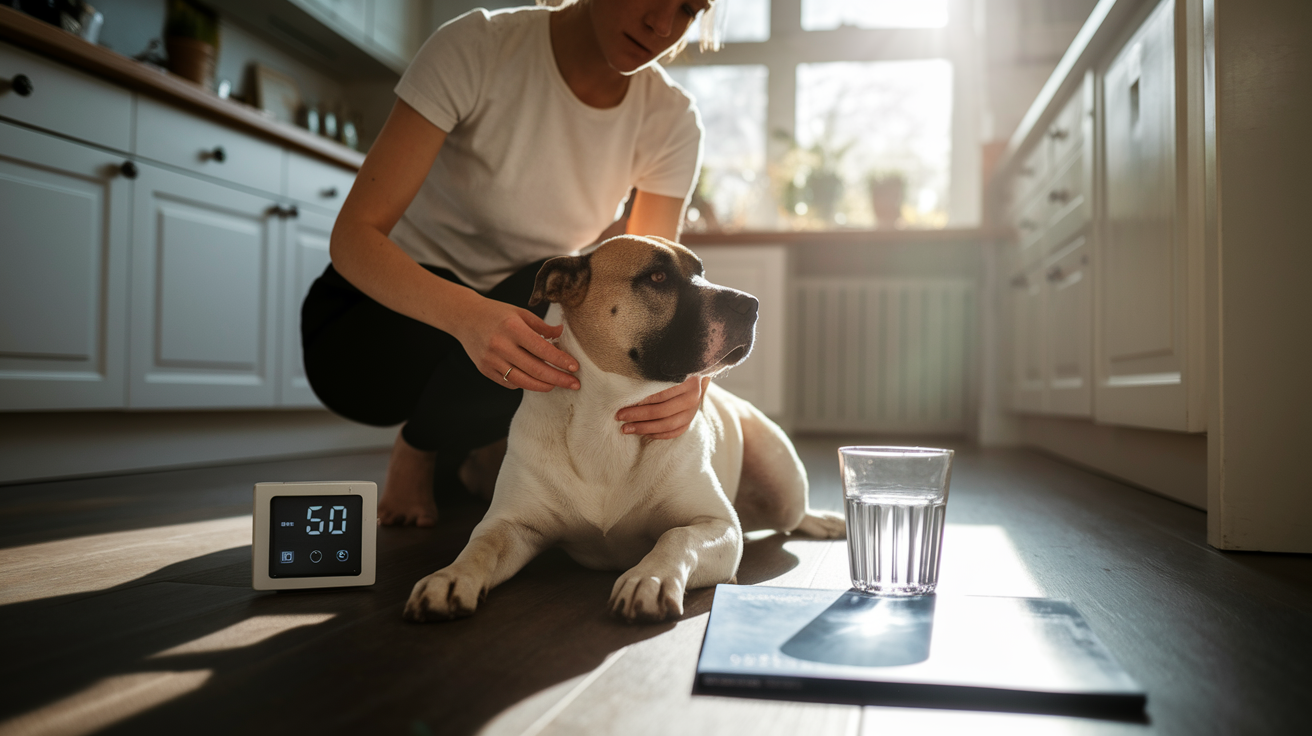
When your dog’s vomiting and won’t touch food, take 60 seconds to check a few things. This gives you a baseline to decide if you can watch and wait or if you need to move fast.
Stand near your dog and run through these:
- How many times has vomiting happened in the last 6 hours?
- Is your dog drinking water? Is it staying down?
- Are the gums pink and wet, or pale, sticky, maybe white?
- Is your dog alert and tracking you, or flat on the floor, shaking, refusing to move?
- Does the belly look swollen or tight? Does gentle pressure make your dog flinch?
- Any blood in the vomit? Black stuff? A lot of bile?
That quick sweep tells you where you stand. If even one of those checks goes sideways (can’t keep water down, pale gums, blood, belly pain), get on the phone with a vet. The next sections break down what’s urgent and what’s not.
Common Causes Behind Dog Vomiting and Appetite Loss
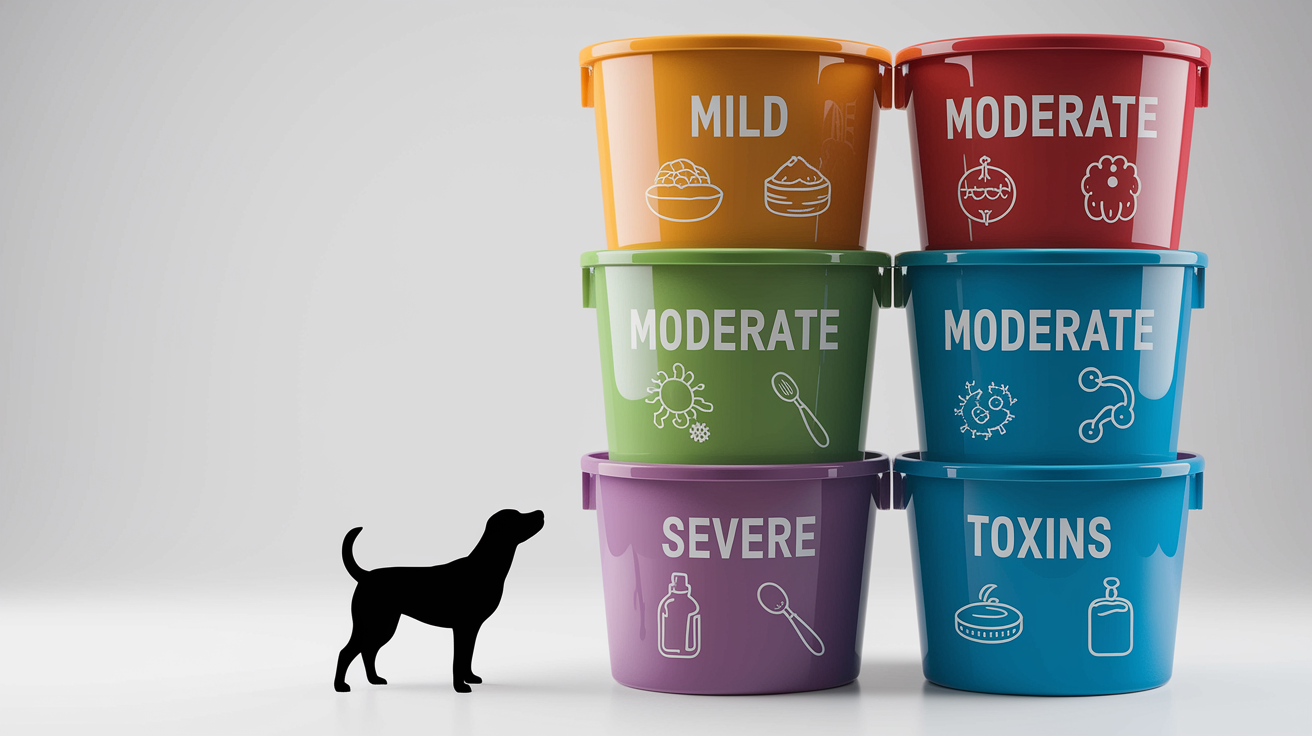
Most of the time, vomiting plus no appetite falls into three buckets: mild stuff that clears up on its own, moderate problems that need a vet within a day, and serious emergencies.
Mild causes usually come down to something your dog ate that didn’t agree with them. Table scraps, garbage, spoiled food, fatty leftovers. The stomach pushes it back out, your dog skips a meal or two, and things settle. Eating too fast can do it. Stress can trigger it. So can switching food without a slow transition. A lot of dogs bounce back in 12 to 24 hours if they can rest their gut and stay hydrated.
Then you’ve got the moderate to severe stuff that won’t fix itself. Gastroenteritis (inflammation in the stomach and intestines) from infections, parasites like roundworms or hookworms, or bacterial overgrowth. Pancreatitis shows up as vomiting with serious belly pain and exhaustion. Foreign bodies happen when dogs swallow toys, socks, bones, whatever, and it gets stuck. That leads to nonstop vomiting, no bowel movements, and things get worse fast. Toxins (chocolate, xylitol, grapes, antifreeze, rat poison, household cleaners) need immediate vet attention. Metabolic disorders like kidney disease, liver disease, or Addison’s can cause chronic or repeat vomiting with weight loss and other system-wide signs.
Here’s what different vomiting patterns might point to:
- Undigested food right after eating can mean regurgitation or a blockage higher up.
- Bile (yellow or green foam) on an empty stomach, usually first thing in the morning or between meals.
- Retching with nothing coming up can signal bloat or gastric torsion.
- Vomiting with diarrhea suggests gastroenteritis or infection.
- Blood or dark “coffee ground” material means internal bleeding or ulcers.
Warning Signs That Vomiting Plus Not Eating Requires Emergency Vet Care
Some symptoms mean your dog needs a vet in the next few hours, not tomorrow. These red flags tell you the upset has crossed into dangerous territory or something life-threatening is developing.
If your dog vomits more than two or three times in one day, can’t keep even tiny sips of water down, or is throwing up blood or dark grainy stuff that looks like coffee grounds, that’s an emergency. Blood can be bright red or dark clots. Both mean internal bleeding. Persistent retching (gagging and straining but nothing comes up) can signal bloat or gastric dilatation-volvulus, where the stomach twists and traps gas. That’s surgical.
Severe Clinical Red Flags
Watch for collapse, extreme weakness, or inability to stand. Pale, white, or blue-tinged gums instead of healthy pink mean shock, blood loss, or oxygen trouble. A swollen, hard, or visibly distended belly combined with vomiting points to bloat, obstruction, or internal fluid. Severe belly pain shows up as hunched posture, guarding (pulling away when you touch), panting, whining, restlessness. Any confirmed or suspected toxin ingestion (rat poison, human meds, antifreeze, household chemicals) requires immediate poison control and vet care. A rectal fever of 104°F (40°C) or higher alongside vomiting signals infection or systemic inflammation. Signs of dehydration at 6 to 8 percent or worse (dry sticky gums, delayed skin snap when you pinch the skin over the shoulder blades, sunken eyes, reduced urine) mean your dog’s losing fluids faster than home care can replace.
The seven most urgent markers to act on right away:
- Vomiting blood or coffee-ground material
- Repeated retching without producing vomit (possible bloat)
- Severe belly pain, distension, or a hard tight belly
- Collapse, seizures, or sudden weakness
- Pale or white gums and cool extremities
- Can’t keep water down for more than 12 hours
- Confirmed or suspected toxin ingestion
At-Home Care Steps for a Dog Vomiting and Refusing Food

For a stable adult dog with one or two vomiting episodes, normal gum color, no blood, and the ability to drink small amounts of water, you might be able to manage the first 12 to 24 hours at home while watching closely. The goal is rest the digestive system, keep hydration up, and catch any signs things are getting worse.
If your dog’s alert and responsive, start by offering water in very small amounts. One to two tablespoons every 10 to 15 minutes. Small frequent sips are less likely to trigger another round than letting your dog gulp a full bowl. If water stays down for two to three hours, you can gradually increase the amount. If your dog vomits water repeatedly, stop offering it and contact a vet. Dehydration will progress quickly.
Step-by-Step Home Plan
- Withhold food for 12 to 24 hours (adult dogs only—don’t fast puppies, toy breeds, or dogs with diabetes or other chronic conditions without vet guidance). This gives the stomach time to settle.
- Offer water in small controlled amounts every 10 to 15 minutes. Monitor whether it stays down. Ice chips can work if your dog won’t sip water.
- After 12 to 24 hours without vomiting, introduce a bland diet. Start with one to two tablespoons of plain boiled white rice mixed with fully cooked unseasoned chicken (white meat, no skin or fat) per every 5 to 10 pounds of body weight. Offer this every three to four hours for the first 24 to 48 hours.
- Watch stool output. If your dog has normal bowel movements and the bland diet stays down, gradually reintroduce regular food over three to four days by mixing increasing portions of the usual diet into the bland meals.
- Escalate to vet care if vomiting resumes, if your dog refuses all food for more than 24 hours, if lethargy increases, or if you see blood, severe diarrhea, or signs of pain.
How Veterinarians Diagnose Vomiting and Loss of Appetite

When you bring a vomiting dog to the clinic, the vet starts with a thorough physical exam. Temperature, heart rate, hydration status, gum color, belly palpation for pain or masses, overall body condition. That hands-on assessment guides which tests come next.
Blood work is often first. A complete blood count (CBC) can reveal infection, anemia, or dehydration. A serum chemistry panel checks kidney function, liver enzymes, blood glucose, electrolyte balance. Urinalysis helps assess kidney health and hydration. If parasites are suspected, a fecal flotation test looks for worms or protozoa. Imaging is critical when obstruction, bloat, or organ enlargement is a concern. Abdominal radiographs (x-rays) can show foreign objects, gas patterns, or fluid. Ultrasound provides detailed views of the stomach, intestines, liver, pancreas, kidneys. In cases of suspected toxin ingestion, specific toxin screening or additional blood tests may be ordered.
| Test | What It Detects |
|---|---|
| Blood work (CBC and chemistry) | Infection, anemia, kidney or liver disease, electrolyte imbalances, blood glucose |
| Abdominal x-rays | Foreign bodies, obstructions, bloat, gas patterns, masses |
| Ultrasound | Detailed organ structure, pancreatitis, masses, fluid buildup, intestinal wall changes |
| Fecal examination | Intestinal parasites (roundworms, hookworms, whipworms, tapeworms, Giardia) |
| Urinalysis | Kidney function, hydration status, urinary tract infection, diabetes indicators |
Veterinary Treatment Options for Dogs with Vomiting and Appetite Loss

Treatment depends on the underlying cause and how bad the dehydration or electrolyte disturbance is. For mild cases (dietary indiscretion with minimal dehydration), treatment may be as simple as subcutaneous fluids (fluids injected under the skin), an anti-nausea injection, and instructions to continue bland feeding at home. Many dogs improve within 24 to 48 hours with this.
Moderate cases (gastroenteritis, mild pancreatitis, early obstruction) often require hospitalization. Intravenous (IV) fluid therapy corrects dehydration and restores electrolyte balance. Typical maintenance IV fluid rates for dogs are around 60 to 80 milliliters per kilogram of body weight per day, though dehydrated dogs get higher replacement boluses initially. Antiemetic medications like maropitant (commonly dosed at 1 milligram per kilogram once daily) or ondansetron (typically 0.1 to 0.2 milligrams per kilogram) control nausea and stop vomiting. Gastroprotectants like famotidine or omeprazole may be added if stomach ulcers or acid reflux are suspected. If infection is confirmed, antibiotics are prescribed. Pain control is provided when belly pain is significant. Nutritional support (starting with small easily digestible meals or, in severe cases, a temporary feeding tube) helps dogs regain strength.
Severe cases involving foreign body obstruction, bloat, or organ failure require more intensive intervention. Surgery may be necessary within 6 to 24 hours if imaging confirms a blockage or gastric torsion. Post-surgical dogs typically stay hospitalized for 24 to 72 hours or longer, depending on complications and recovery progress.
Typical supportive care elements:
- IV or subcutaneous fluid therapy to correct dehydration
- Injectable antiemetic drugs to stop vomiting
- Acid reducers or gastroprotectants to protect the stomach lining
- Pain management and monitoring for complications
Symptom Patterns and What Different Types of Vomit May Indicate in Dogs
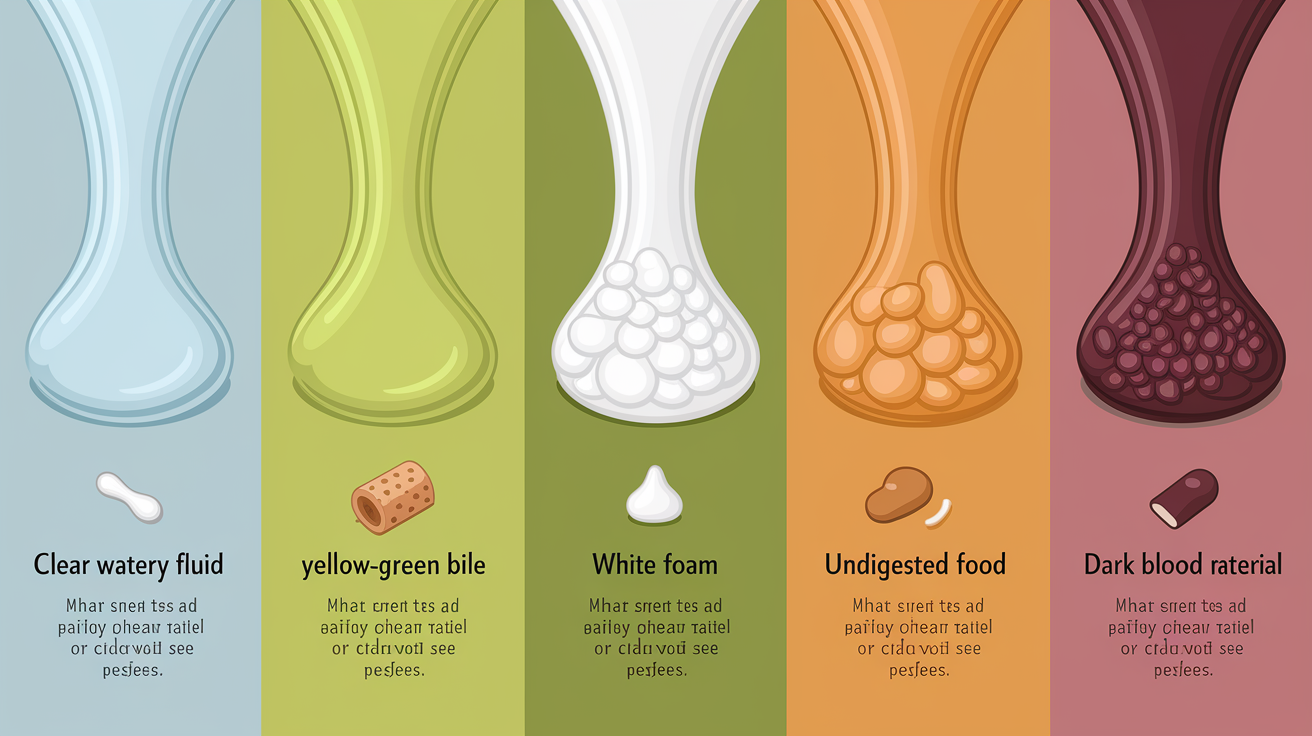
The appearance of vomit can give you clues about what’s happening inside your dog’s digestive system. It’s not a substitute for vet diagnosis, but knowing what to look for helps you describe the situation accurately when you call or visit the clinic.
| Vomit Type | What It Suggests |
|---|---|
| Clear or watery fluid | Normal stomach fluid; often seen with an empty stomach or mild irritation |
| Yellow or green bile | Bile from the small intestine; common on an empty stomach or after repeated vomiting |
| White foam | Stomach irritation or empty stomach; may indicate acid buildup or nausea |
| Undigested food | Regurgitation (passive return from esophagus) or vomiting shortly after eating; can signal obstruction or esophageal disorder |
| Blood or dark “coffee-ground” material | Internal bleeding, ulceration, or toxin ingestion; requires immediate veterinary care |
Clear fluid and white foam are often less concerning if they occur once or twice and your dog remains alert and hydrated. Yellow or green bile is common in dogs that vomit on an empty stomach, though repeated bile vomiting can indicate a more serious digestive issue. Undigested food may mean your dog ate too quickly, or it could point to regurgitation caused by esophageal problems like megaesophagus. If undigested food appears hours after eating and is accompanied by lethargy or belly pain, obstruction becomes more likely. Blood in any form (bright red or dark and grainy) always warrants emergency evaluation. It signals active bleeding or severe ulceration.
Special Considerations for Puppies, Seniors, and High-Risk Breeds
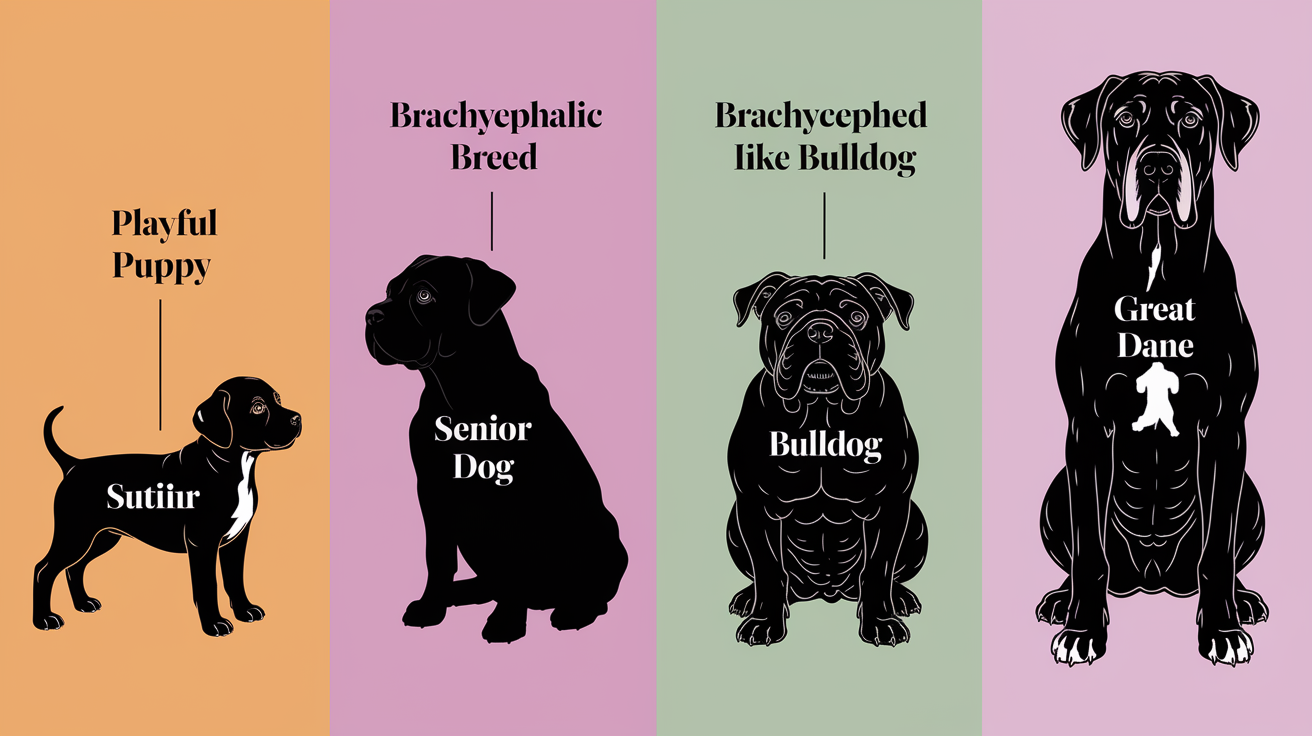
Age, size, and underlying health conditions change how quickly a dog can deteriorate when vomiting and not eating. Puppies, especially toy breeds and those under six months old, are at high risk for hypoglycemia (low blood sugar) and dehydration. Puppies shouldn’t be fasted for more than 6 to 8 hours without vet guidance. Their small body reserves mean they can go from stable to critical in hours. If a puppy vomits more than once or refuses food for more than a few hours, contact a vet.
Senior dogs and those with preexisting conditions (chronic kidney disease, liver disease, diabetes, heart disease, Addison’s disease) have less ability to compensate for fluid loss and metabolic stress. Vomiting and appetite loss in these dogs should be evaluated sooner, often within 12 to 24 hours, rather than waiting to see if symptoms resolve. Chronic vomiting in older dogs may indicate long-term gastrointestinal disease, tumors, or progressive organ failure.
Unique risks for each group:
- Puppies and toy breeds: rapid hypoglycemia, severe dehydration, higher susceptibility to parvovirus and intestinal parasites
- Senior dogs: slower recovery, complications from chronic disease, higher risk of kidney or liver dysfunction
- Brachycephalic breeds (bulldogs, pugs, Boston terriers): increased risk of regurgitation due to anatomy, heat sensitivity, respiratory distress if vomiting is severe
- Breeds prone to bloat (Great Danes, German Shepherds, Standard Poodles): any retching or distended belly requires immediate emergency evaluation
Monitoring a Dog at Home: Behavior, Hydration, and Stool Tracking

If you’re managing a mild case at home under vet guidance or waiting to see if symptoms resolve within a short window, careful monitoring is essential. The information you collect over the first 12 to 24 hours will help your vet assess severity if a visit becomes necessary.
Track vomiting frequency and appearance. Write down the time of each episode, the amount, what it looks like (clear, bile, food, blood). Note water intake: is your dog drinking normally, drinking less, refusing water entirely? Check gum moisture by gently lifting your dog’s lip and feeling the gums. They should be slick and wet, not sticky or dry. Skin tenting is a hydration check: gently pinch the skin over the shoulder blades and release it. In a well-hydrated dog, the skin snaps back immediately. If it takes one to two seconds, mild dehydration is present. If it stays tented or takes longer than two seconds, dehydration is moderate to severe.
What to record during home observation:
- Number of vomiting episodes and timing
- Vomit contents (color, consistency, presence of blood or foreign material)
- Water intake and whether water stays down
- Urine output (frequency, color, volume)
- Stool consistency and frequency (normal, diarrhea, absent, blood present)
- Activity level and behavior changes (lethargy, restlessness, hiding, whining, panting)
Expected Recovery Timelines and When Vomiting Should Resolve

Most cases of mild uncomplicated vomiting from dietary indiscretion or minor stomach upset begin to improve within 24 to 48 hours of supportive care at home. You should see your dog drinking normally, showing interest in bland food, returning to usual energy levels during that window. If vomiting stops, appetite returns, and stools normalize over two to three days, gradual reintroduction of regular food can proceed.
If vomiting continues beyond 24 hours, occurs more than two or three times in a day, or your dog refuses all food and water for more than 24 hours, a vet visit is necessary. Delay increases the risk of dehydration, electrolyte imbalance, progression of underlying disease. Infectious causes, pancreatitis, or metabolic disorders may take days to weeks to fully resolve, depending on diagnosis and treatment. Surgical cases (foreign body removal or correction of bloat) typically require hospitalization for 24 to 72 hours or longer, with recovery continuing at home for one to two weeks.
Typical recovery timelines:
- Mild dietary upset: improvement within 24 to 48 hours with home care
- Moderate gastroenteritis or dehydration: 2 to 5 days with veterinary fluids and medication
- Severe obstruction, bloat, or systemic illness: 3 to 14 days or longer, depending on surgery and complications
Final Words
If your dog is vomiting and not eating, start with a quick 60-second check. Count episodes, offer small sips, and check gums and behavior.
We covered likely causes, emergency warning signs, simple home steps like a short fast, small sips, and bland meals, tests vets may run, and how to track progress.
Watch closely for 24 hours and call your vet sooner if vomiting repeats, water won’t stay down, blood appears, or your dog becomes weak. Many dogs improve with timely care. If you’re unsure, check with your vet, especially for dog vomiting and not eating.
FAQ
Q: What do I do if my dog is not eating and vomiting?
A: If your dog is not eating and is vomiting, stop food for 12–24 hours (adults only), offer tiny sips of water every 10–15 minutes, note vomit and behavior, and call a vet for repeated vomiting, blood, or high-risk pets.
Q: What color is parvo throw up?
A: Parvo throw up is often bloody or dark brown, sometimes like coffee grounds; it can also be yellow or green and foul smelling. This pattern is urgent—contact your vet immediately.
Q: What are signs your dog is going to pass away?
A: Signs a dog may be nearing end of life include extreme weakness, refusing food or water, severe breathing trouble, collapse or unresponsiveness, seizures, and very pale or blue gums. Call your vet right away.