

Is your dog vomiting right after eating?
Most of the time it’s a simple upset.
Eating too fast, a new treat, or a bit of trash can trigger one quick episode and then they bounce back.
But sometimes it points to something that needs a vet the same day.
This post cuts through the worry.
You’ll learn the common causes, how to tell regurgitation from true vomiting, safe home steps to try, what to watch for over the next 24 hours, and the exact red flags that mean call your vet now.
Understanding Why Dogs Vomit After Eating: Immediate Causes and What It Means

When your dog throws up right after a meal, it’s scary. But most of the time, it’s something simple. Eating too fast, a new food they weren’t ready for, or sneaking something off the counter. The stomach gets upset and decides to hit reverse.
Speed eating is probably the biggest reason this happens. Some dogs don’t even chew. They vacuum up their bowl in seconds, gulping air along with kibble. That can trigger nausea and vomiting within minutes. Other times it’s a diet change that happened too fast. You switched kibble brands without transitioning slowly, or gave a new treat their stomach wasn’t expecting. Food intolerance can show up this way too, especially if it keeps happening with the same ingredient.
Here’s how to start figuring out what you’re dealing with:
- Timing tells you a lot. If it happens within minutes, it’s usually regurgitation (the food never made it to the stomach). If it’s 30 minutes to an hour later, that’s actual vomiting, which means stomach contractions were involved.
- Look at what came up. Undigested kibble with foam or mucus? Regurgitation. Partially digested food with yellow or green bile? Vomit.
- Check for bile. Yellow or greenish liquid means stomach acid was involved.
- How many times? Once, with normal behavior after, usually isn’t a big deal. Multiple times in a few hours needs attention.
- Watch how they’re acting. If they’re drinking water and seem comfortable, it’s less urgent.
A single vomit after eating, especially if your dog bounces back fast, usually isn’t cause for panic. But if it happens again, or they won’t drink water, or something feels off, that changes things. Right now you’re just trying to figure out if this is minor or if you need a vet today.
Differentiating Vomiting vs Regurgitation in Dogs After Meals
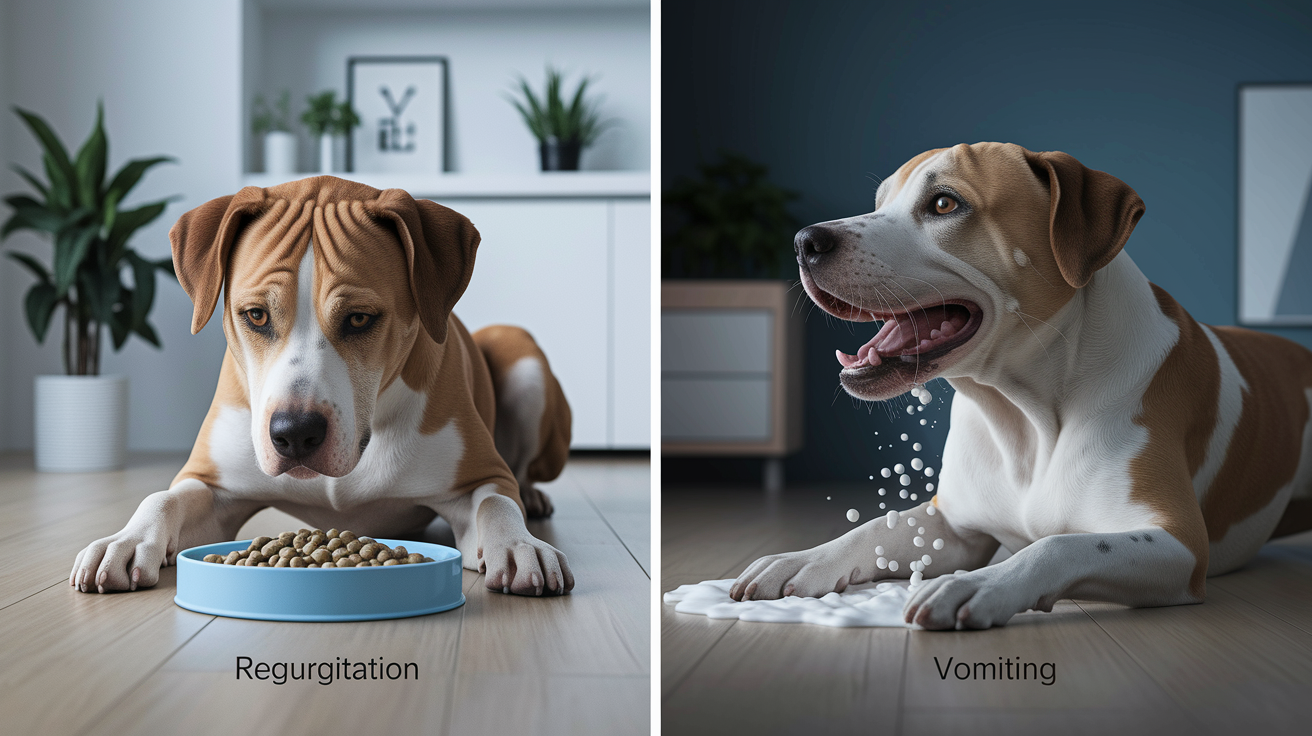
Vomiting and regurgitation look similar, but they’re not the same thing. Knowing the difference helps you understand what’s happening.
Vomiting is active. You’ll see belly heaving, maybe a few times, before anything comes up. Usually happens 30 minutes to an hour after eating. What comes up is partially digested food, often with yellow bile or foamy stomach fluid. The dog might drool beforehand, lick their lips, look uncomfortable.
Regurgitation is passive. No heaving. No warning. The dog just lowers their head and out comes food that looks almost exactly like it did in the bowl. Intact kibble, no bile, no digestion. Usually happens within minutes of eating, sometimes seconds. Regurgitation means the food never made it past the esophagus. Can point to things like megaesophagus, an esophageal blockage, or a structural problem.
Here’s how to tell them apart:
- Timing. Regurgitation is fast (within minutes). Vomiting takes longer (30+ minutes).
- What it looks like. Regurgitated food looks whole. Vomit looks mushy, broken down, often with liquid.
- Effort. Regurgitation just spills out. Vomiting involves visible abdominal contractions.
- Bile. Vomit often has yellow or green bile. Regurgitation doesn’t, just food and maybe saliva or mucus.
If your dog keeps regurgitating, especially if they’re coughing, gagging, or struggling to swallow, get them checked soon. Chronic regurgitation can lead to aspiration pneumonia if food gets into the lungs. It often means there’s a structural or motility issue that needs diagnosis.
Serious Medical Conditions That Can Cause a Dog to Vomit After Eating

Most post-meal vomiting is mild. But some causes are urgent and need fast veterinary action. If your dog’s vomiting repeatedly, acting lethargic, or showing pain, you need to consider the serious stuff.
Obstructions, infections, organ disease, toxins. All of these can show up as vomiting right after eating. These aren’t “wait and see” situations. They need professional evaluation, often the same day. The earlier you catch them, the better the outcome.
Below are the conditions vets check for first when a dog’s vomiting looks like more than a simple upset stomach.
Foreign Body Obstruction
Dogs eat things they shouldn’t. Toys, socks, corn cobs, bones, sticks. If a foreign object gets stuck in the stomach or intestines, it blocks food from passing through. The dog may vomit shortly after eating because there’s nowhere for the food to go. You might also see repeated retching, drooling, refusal to eat, abdominal pain, lethargy. Diagnosis usually needs an abdominal x-ray or ultrasound. Treatment often means surgery to remove the object. If you know or suspect your dog swallowed something they shouldn’t have, call your vet right away.
Pancreatitis After High-Fat Meals
Pancreatitis is inflammation of the pancreas. Common cause of vomiting, especially after a rich or fatty meal like table scraps, bacon grease, holiday leftovers. The pancreas becomes inflamed and painful. Dogs often vomit multiple times over hours or days. Other signs include hunched posture, abdominal tenderness, diarrhea, refusing food. Treatment focuses on IV fluids, anti-nausea medication, pain management, sometimes a low-fat prescription diet. Pancreatitis can be mild or life-threatening. Repeated vomiting after a fatty meal should prompt a vet visit within 24 hours.
GDV/Bloat in Deep-Chested Breeds
Gastric dilatation-volvulus (GDV), also called bloat, is a life-threatening emergency. Most common in large, deep-chested breeds like Great Danes, German Shepherds, Standard Poodles. The stomach fills with gas and twists, cutting off blood flow. Signs include a distended, hard abdomen, repeated unproductive retching (trying to vomit but nothing comes up), drooling, restlessness, rapid breathing, pale gums, collapse. GDV requires emergency surgery within hours. If you see these signs, get to an emergency vet immediately. Don’t wait.
Toxin Exposure (Chocolate, Xylitol, Grapes)
Certain human foods and household items are toxic to dogs and can cause vomiting soon after ingestion. Chocolate, xylitol (found in sugar-free gum, peanut butter, baked goods), grapes, raisins, onions, garlic, macadamia nuts, alcohol. All dangerous. Vomiting is often the first sign, followed by drooling, tremors, seizures, collapse depending on the toxin and dose. If you know your dog ate something toxic, call your vet or the ASPCA Poison Control hotline right away, even before symptoms start. Time matters.
These serious causes share a pattern: vomiting that doesn’t stop, vomiting paired with other worrying signs, or vomiting after known exposure to risk (fatty food, trash, toxins, missing toy). If any of these fit your dog’s situation, don’t monitor at home. Get them evaluated.
Red Flags When a Dog Vomits After Eating: When It’s an Emergency

Not every vomiting episode is an emergency. But certain signs mean you need to act fast. These red flags tell you the situation is more than a mild stomach upset and requires immediate veterinary or emergency care.
If your dog vomits once and then acts normal, drinks water, seems comfortable, you can usually monitor at home for a short window. But if any of the symptoms below appear, stop monitoring and get help.
- Repeated vomiting. Multiple episodes within a few hours, or continuous vomiting over 24 hours. The stomach isn’t settling. Dehydration becomes a serious risk.
- Blood in vomit. Bright red blood or dark, coffee-ground-like material. This can signal bleeding in the stomach, an ulcer, a foreign body injury.
- Severe abdominal pain or distention. Hard, swollen belly, hunched posture, whining when you touch the abdomen, restlessness. These can indicate bloat, obstruction, pancreatitis.
- Collapse or extreme lethargy. If your dog is too weak to stand, unresponsive, collapses, that’s a medical emergency.
- Pale, white, or tacky gums. Gums should be pink and moist. Pale or dry gums suggest shock, blood loss, severe dehydration.
- Difficulty breathing or rapid panting. Labored breathing, gasping, blue-tinged gums mean oxygen isn’t getting through properly.
Timing helps you decide urgency. If your dog shows any of the six signs above, go to an emergency vet now. If they vomit multiple times but are still drinking, eating a little, acting mostly like themselves, call your regular vet for a same-day or next-morning appointment. If it’s a single vomit with normal behavior afterward, you can monitor at home for up to 24 hours. Stay alert for changes.
What to Do at Home If Your Dog Vomits Right After Eating
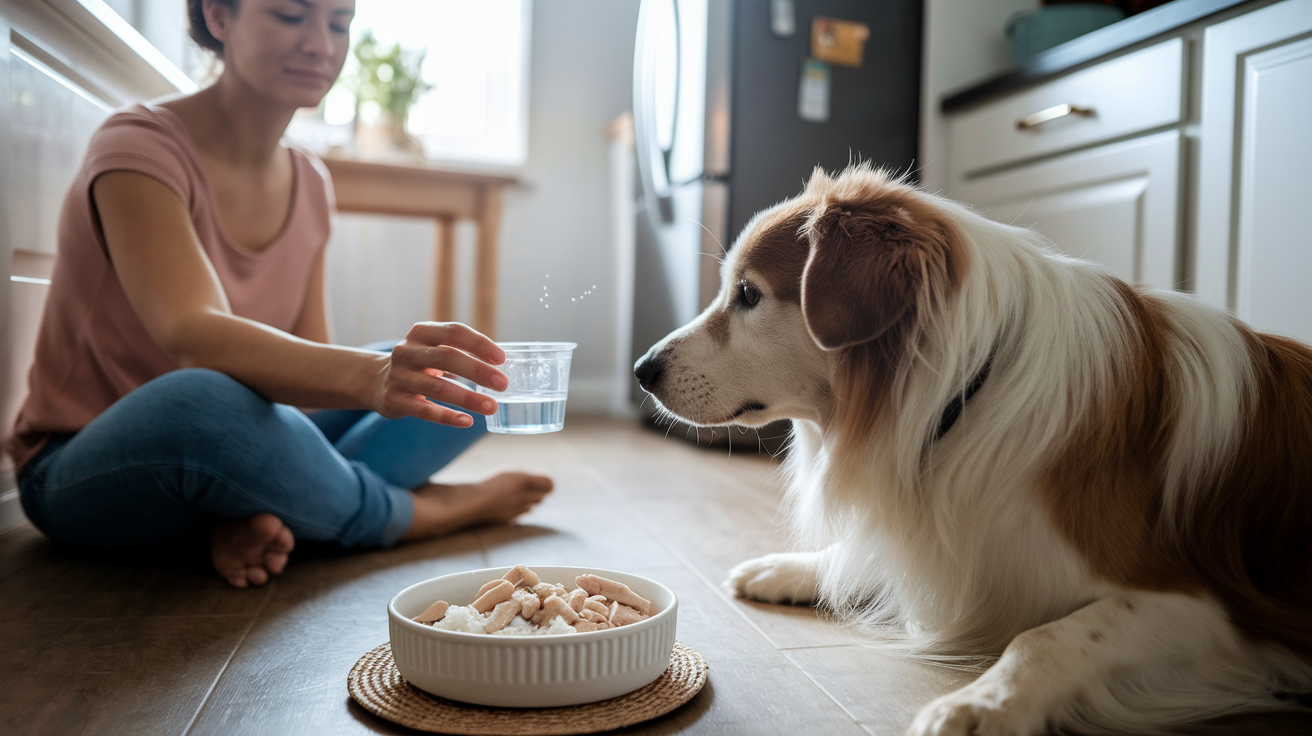
If your dog vomits once and seems otherwise okay, you can start with a few simple steps at home. The goal is to let the stomach rest, keep hydration up, watch for any worsening signs.
First, note the timing and what came up. Was it undigested food? Bile? Foam? Did it happen right after eating, or an hour later? Take a quick photo if you can. It’s helpful if you end up calling the vet. Also think about what your dog ate in the past 24 hours. Any new treats, table scraps, access to trash, a diet change?
Next, withhold food for a short period to let the stomach settle. For most adult dogs, 8 to 12 hours without food is safe and often helpful. Do not fast puppies, toy breeds, or dogs with health issues like diabetes for more than 4 hours. They’re at higher risk for low blood sugar and other complications. If your dog is very young, very small, or has a chronic condition, call your vet before skipping meals.
During the fasting window, offer small amounts of water frequently. About a tablespoon to a quarter cup every 10 to 15 minutes. Watch to see if they keep it down. If they vomit the water back up, stop offering fluids and call your vet. Repeated vomiting of water is a red flag for dehydration and possible obstruction.
Here’s a simple timeline to follow at home:
- Hour 0 to 12: Withhold all food. Offer small sips of water every 10 to 15 minutes. Observe for more vomiting, lethargy, pain.
- After 12 hours (if no vomiting): Offer a small portion of bland food. About a tablespoon for small dogs, a few tablespoons for large dogs. Use boiled chicken (no skin, no seasoning) and plain white rice, or a prescription gastrointestinal diet if you have it.
- Next 24 to 72 hours: Feed small bland meals every 4 to 6 hours. Keep portions tiny. If your dog tolerates this without vomiting, continue.
- After 48 to 72 hours: Slowly mix their regular food back in. Start at 25% regular food to 75% bland, then 50/50, then 75/25 over 7 to 10 days.
- Monitor throughout: If vomiting returns at any point, stop feeding and contact your vet.
If your dog keeps food and water down, seems comfortable, their energy level is normal, you’re likely in the clear. But if they vomit again, refuse water, act lethargic, or show any red-flag signs, don’t wait. Call your vet.
Veterinary Diagnosis for Dogs Vomiting After Eating: What To Expect
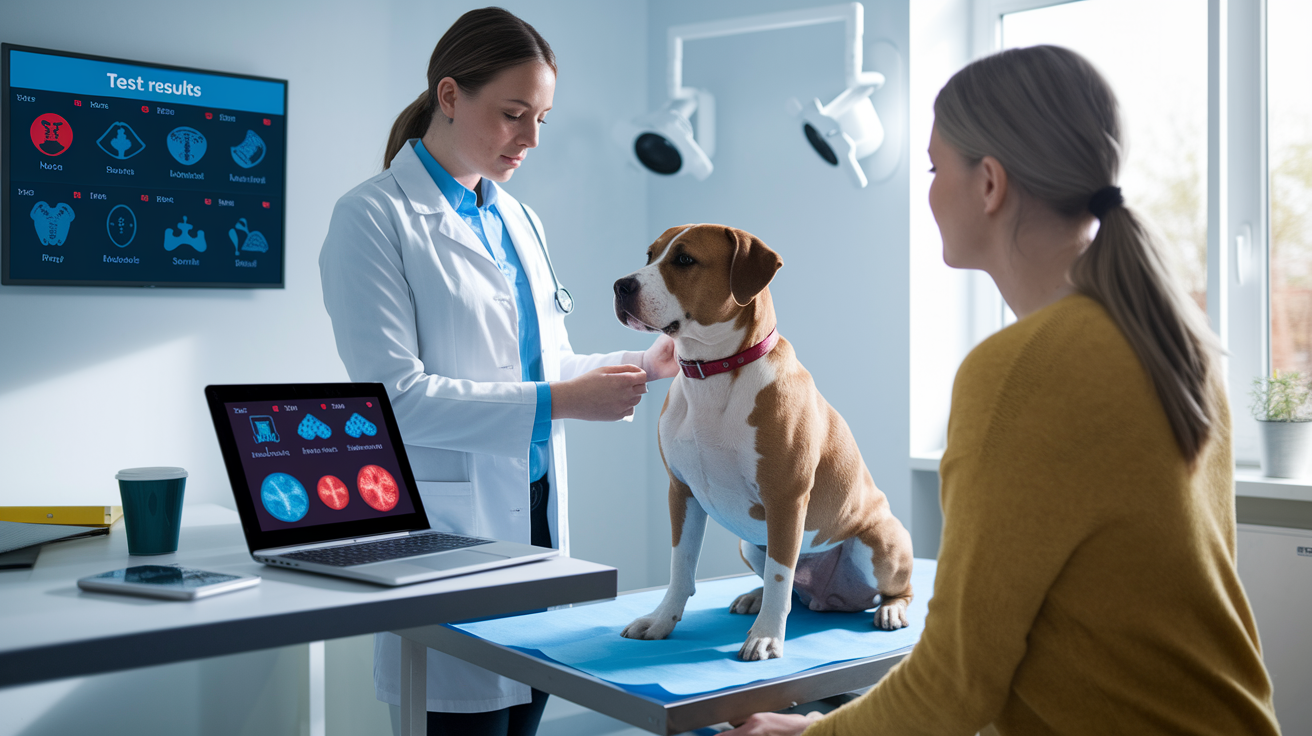
If you bring your dog to the vet for vomiting, here’s what’ll likely happen. The vet will start with a full history and physical exam. When the vomiting started, how many times, what it looked like, recent diet changes, known toxin exposure, your dog’s overall behavior. They’ll check your dog’s hydration status, abdominal tenderness, heart rate, gum color.
From there, diagnostics help pinpoint the cause. Bloodwork checks organ function, infection markers, electrolyte levels. A fecal exam looks for parasites. Abdominal x-rays can spot foreign objects, obstructions, gas patterns that suggest bloat. Ultrasound gives a closer look at the stomach, intestines, pancreas, other organs. In some cases, especially if a foreign body is suspected but not visible on x-ray, the vet may recommend endoscopy. A camera scope passed into the stomach.
| Test | What It Detects |
|---|---|
| Bloodwork | Organ disease (kidney, liver), infection, pancreatitis markers, electrolyte imbalance |
| Abdominal X-ray | Foreign objects, obstructions, gas patterns (bloat), organ size abnormalities |
| Ultrasound | Soft tissue detail, intestinal wall thickening, masses, fluid in abdomen, pancreatitis |
You can help the diagnostic process by bringing details with you. Write down the timeline. When the vomiting started, how many episodes, any changes in eating, drinking, behavior. Bring photos of the vomit if you have them. Mention any new foods, treats, known access to trash or toxins. If you recently switched food brands, bring the bag. The more specific you can be, the faster the vet can narrow down causes and start treatment.
Treatment Options for Dogs Vomiting After Eating

Once a vet has a diagnosis, treatment is tailored to the cause. But most plans focus on stopping the vomiting, addressing dehydration, treating the underlying issue.
Anti-nausea medications are commonly prescribed. Maropitant (brand name Cerenia) is a go-to antiemetic that blocks vomiting signals in the brain and is safe for most dogs. Ondansetron is another option, especially for dogs with cancer or severe nausea. These medications help the stomach settle so your dog can start holding down food and water again.
If your dog’s dehydrated, IV fluids are often given at the clinic or hospital. Fluids restore hydration, support kidney function, help flush toxins. For mild dehydration, subcutaneous fluids (under the skin) may be enough. For severe cases, hospitalization with continuous IV therapy is needed.
Gastroprotectants like sucralfate or omeprazole protect the stomach lining and reduce acid. Helpful if there’s gastritis, ulcers, irritation from repeated vomiting. Antibiotics are used if bacterial infection is confirmed. Deworming medication is given if parasites are found. In cases of foreign body obstruction or GDV, surgery is required. Often urgently.
Here’s a quick summary of common treatments:
- Antiemetic medications (maropitant, ondansetron) to stop vomiting.
- IV or subcutaneous fluids to treat dehydration and support organs.
- Gastroprotectants (sucralfate, omeprazole) to soothe the stomach lining.
- Antibiotics for bacterial infections or secondary complications.
- Surgery for obstructions, GDV, removal of foreign bodies.
Recovery time depends on the cause. Mild cases may improve within 24 to 48 hours. More serious conditions like pancreatitis or post-surgical recovery can take days to weeks. Your vet will give you a home-care plan. Medications, feeding instructions, activity restrictions, timeline for follow-up.
Preventing Vomiting After Eating: Safe Feeding Habits and Diet Strategies

Prevention is about controlling how, what, and when your dog eats. Small changes in feeding routine can make a big difference in reducing post-meal vomiting, especially if your dog’s prone to gulping or has a sensitive stomach.
Start with how fast your dog eats. Dogs that inhale their meals are at higher risk for vomiting, bloating, even life-threatening GDV. Slow-feeder bowls have ridges, mazes, obstacles built into the design. Forces your dog to work around them and slow down. If you don’t have a slow feeder, you can DIY it. Spread kibble across a muffin tin. Each cup holds a few pieces, so your dog has to move from cup to cup. Simple, effective, costs nothing.
Feeding multiple small meals throughout the day instead of one or two large meals also helps. Smaller portions are easier on the stomach and reduce the chance of overeating or gulping. For most dogs, two to three meals a day works well. For dogs prone to vomiting or bloat, you can even break it into four smaller servings.
Diet quality matters too. Choose a high-quality, minimally processed food with clearly named proteins (like “chicken” or “beef,” not “meat meal”). Avoid sudden diet changes. If you need to switch foods, do it gradually over 7 to 10 days by mixing increasing amounts of the new food into the old. Gives the digestive system time to adjust and reduces the chance of vomiting or diarrhea.
Keep trash, toxins, human food out of reach. Secure trash cans with locking lids. Store chocolate, grapes, xylitol-containing products, other dangerous foods in cabinets your dog can’t access. Teach a strong “leave it” or “off” cue if your dog’s a counter surfer.
Limit vigorous activity right after meals. Avoid running, rough play, fast walks for at least 30 minutes to an hour after eating. A calm, short bathroom break is fine. Save the fetch game or jog for later.
Adjusting Meal Size and Frequency
Dividing your dog’s daily food into smaller, more frequent meals reduces the load on the stomach at any one time. Instead of asking the digestive system to process a large volume all at once, you’re spreading it out. Lowers the risk of nausea, bloating, regurgitation. For dogs with sensitive stomachs, chronic vomiting, a history of bloat, this simple change can be one of the most effective prevention tools you have.
When a Dog’s Post-Meal Vomiting Suggests Food Sensitivities or Allergies
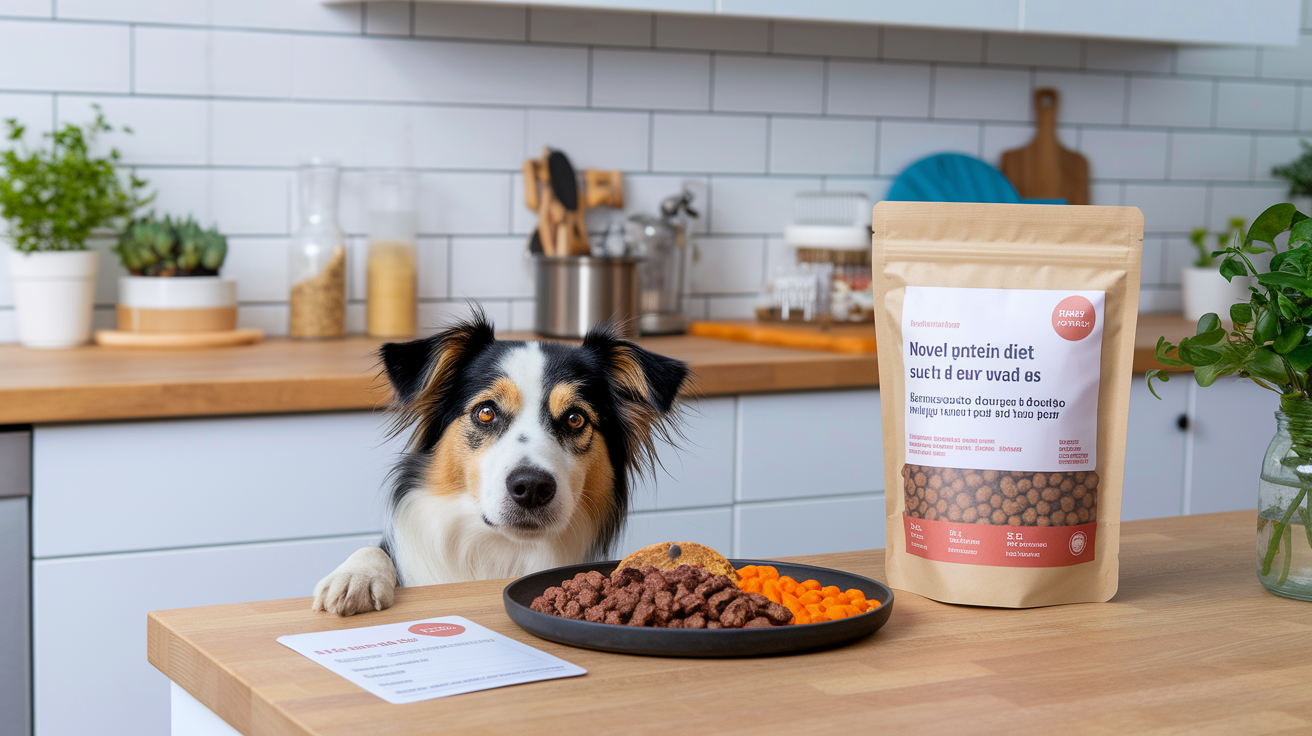
If your dog vomits consistently after eating, especially if it’s tied to a specific food or ingredient, food intolerance or allergy could be the cause. Food allergies in dogs are less common than people think. But when they do happen, they often show up as vomiting, diarrhea, itchy skin, ear infections, or a combination.
Food intolerance is a digestive issue. The stomach or intestines react to an ingredient they can’t process well. True food allergy is an immune reaction. The body sees a protein (usually chicken, beef, dairy, wheat) as a threat and responds with inflammation. Both can cause vomiting. Both are diagnosed the same way, through a food trial.
A food trial means feeding your dog a single, novel protein and carbohydrate source they’ve never eaten before. Like kangaroo and sweet potato, or duck and pea. For 6 to 8 weeks with absolutely nothing else. No treats, no table scraps, no flavored medications. If vomiting stops during the trial and returns when you reintroduce the old food, you’ve found your trigger.
Here’s how a typical food trial works:
- Choose a novel protein diet or hydrolyzed diet. Work with your vet to pick a prescription food or home-cooked option your dog’s never had.
- Feed only that food for 6 to 8 weeks. Nothing else goes in your dog’s mouth. No treats, chews, flavored meds.
- Track symptoms. Note any vomiting, diarrhea, skin issues, behavior changes.
- Reintroduce the old food. After 6 to 8 weeks, if symptoms improved, add back the original food. If vomiting returns, that confirms the trigger.
Hydrolyzed diets are another option. The protein is broken down into tiny pieces so the immune system doesn’t recognize it as a threat. These diets are often used in food trials because they’re less likely to cause reactions. If your vet suspects food sensitivity, they’ll guide you through the process and help you choose the right diet.
Monitoring Recovery After a Vomiting Episode: Signs to Watch
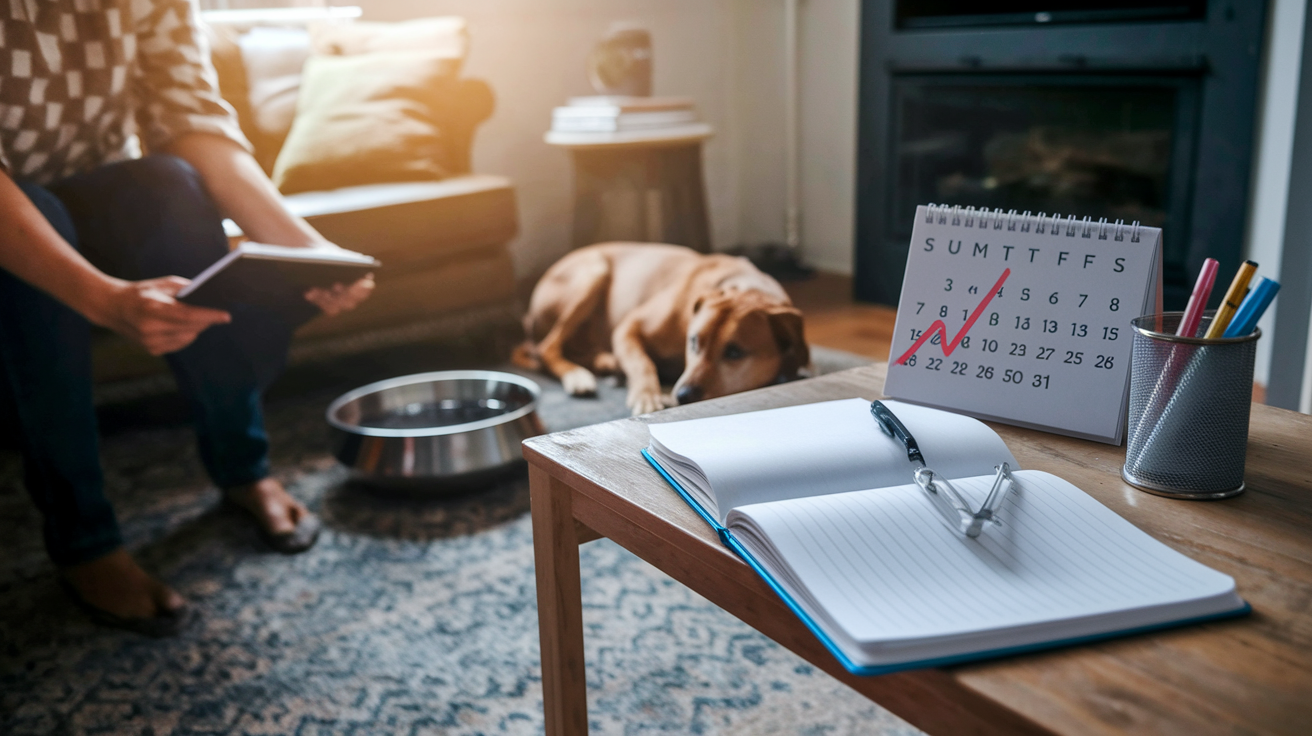
Once the vomiting stops and your dog starts eating again, you’re not done yet. The next few days are about watching for signs that they’re truly recovering and catching any setbacks early.
Good recovery looks like this: your dog’s eating their bland diet or regular food without hesitation, drinking water normally, having regular bowel movements (maybe a bit soft at first but not liquid), acting like themselves. Playful, alert, resting comfortably. Energy should return within 24 to 48 hours if it was a mild issue. If your dog bounces back to their usual routine, you’re likely in the clear.
But setbacks can happen. If any of the following appear, it’s time to call your vet back:
- Vomiting returns, even once.
- Refusal to eat or drink for more than 12 hours.
- Diarrhea that’s watery, bloody, lasts more than 24 hours.
- Lethargy that doesn’t improve, or your dog seems weaker than before.
Keep a simple log for the first few days after a vomiting episode. Write down what your dog ate, how much water they drank, whether they had normal bowel movements, any behavior changes. If you need to call the vet, that record is gold. It gives them a clear picture of what’s been happening at home.
Special Considerations: Puppies, Seniors, and Dogs With Chronic Conditions
Puppies, senior dogs, dogs with underlying health issues don’t have the same safety margins as healthy adult dogs. Their bodies handle vomiting differently. They can go downhill faster.
Puppies, especially toy breeds and those under six months, are at high risk for hypoglycemia (low blood sugar) if they go too long without food. Never fast a puppy for more than 4 hours. If a puppy vomits, offer small amounts of water immediately and call your vet for guidance. Puppies are also more vulnerable to parvovirus, a deadly infection that causes severe vomiting and diarrhea. If your puppy isn’t fully vaccinated and starts vomiting, treat it as urgent.
Senior dogs often have slower organ function, especially kidneys and liver. May be on medications that affect the stomach. Vomiting in an older dog can be an early sign of kidney disease, liver disease, cancer. Even a single episode in a senior dog warrants a closer look, especially if they’ve lost weight, seem less interested in food, have other subtle changes in behavior.
Dogs with chronic conditions like diabetes, Addison’s disease, inflammatory bowel disease, pancreatitis need faster intervention. Vomiting can destabilize blood sugar, dehydrate them quickly, signal a flare of their underlying disease. If your dog has a known condition and starts vomiting, contact your vet the same day. Don’t wait to see if it resolves on its own.
Frequently Asked Questions About Dogs Vomiting After Eating
How long should I fast my dog after they vomit?
For most adult dogs, 8 to 12 hours is safe. Puppies, toy breeds, dogs with health issues should not be fasted for more than 4 hours. Always offer small amounts of water during fasting.
Can I give my dog water right after they vomit?
Yes, but in very small amounts. Offer a tablespoon to a quarter cup every 10 to 15 minutes. If they vomit the water back up, stop and call your vet.
What does yellow vomit mean?
Yellow or green vomit is bile, stomach acid. Usually means the stomach was empty, or the vomiting happened on an empty stomach. If it’s a one-time thing, it’s often not serious. Repeated bile vomiting needs attention.
Should I take my dog to the vet if they vomit once?
Not always. If your dog vomits once and then acts normal, eats, drinks, seems comfortable, you can monitor at home for 24 hours. If they vomit again, refuse food or water, show any red-flag signs, call your vet.
Can motion sickness cause vomiting after eating?
Yes. Some dogs get car sick, especially if they eat right before a car ride. Signs include drooling, whining, vomiting. If your dog has a sensitive stomach or a history of motion sickness, skip food for a few hours before travel and talk to your vet about anti-nausea medication for trips.
Final Words
If your dog vomits after eating, note when it happened, what came up, and how your dog is acting.
This article covered common causes, how to tell vomiting from regurgitation, and the serious signs that need urgent attention.
You’ve got simple home steps—short fasting for adults, small water sips, bland meals—and a look at likely diagnostics and treatments vets may use.
Watch for repeated vomiting, blood, severe pain, or collapse and call your vet right away.
Keep a brief log and photos; most single episodes settle, and tracking dog vomiting after eating helps you get the right care quickly.
FAQ
Q: Why is my dog throwing up after eating but acting normal?
A: Dogs that vomit after eating but act normal, or that vomit after every meal, are often eating too fast, reacting to a diet change, have a food intolerance, or mild stomach upset. Repeated episodes or weight loss need a vet.
Q: What can I give my dog for vomiting?
A: For vomiting, withhold food 8–12 hours for adults, offer small sips of water, then give small bland meals (boiled chicken and rice). Avoid human medications and call a vet if vomiting continues or worsens.
Q: How many times should a dog throw up before going to vet?
A: See a vet if your dog vomits more than two to three times in 24 hours, or immediately for blood, severe lethargy, dehydration, persistent retching, collapse, or if the pet is a puppy or senior.