

What if a tiny irritated patch can double in size in a day?
Hot spots are that fast and painful, and they often begin with one lick or scratch.
This post shows fast, step-by-step dog hot spot treatment: stop the itch-scratch cycle, protect the wound, gently clean and dry it, and know when to call the vet.
You don’t need fancy tools, but acting quickly helps.
If it smells bad, spreads quickly, or your dog seems very sick, call your vet right away.
Immediate Dog Hot Spot Treatment Steps for Fast Relief
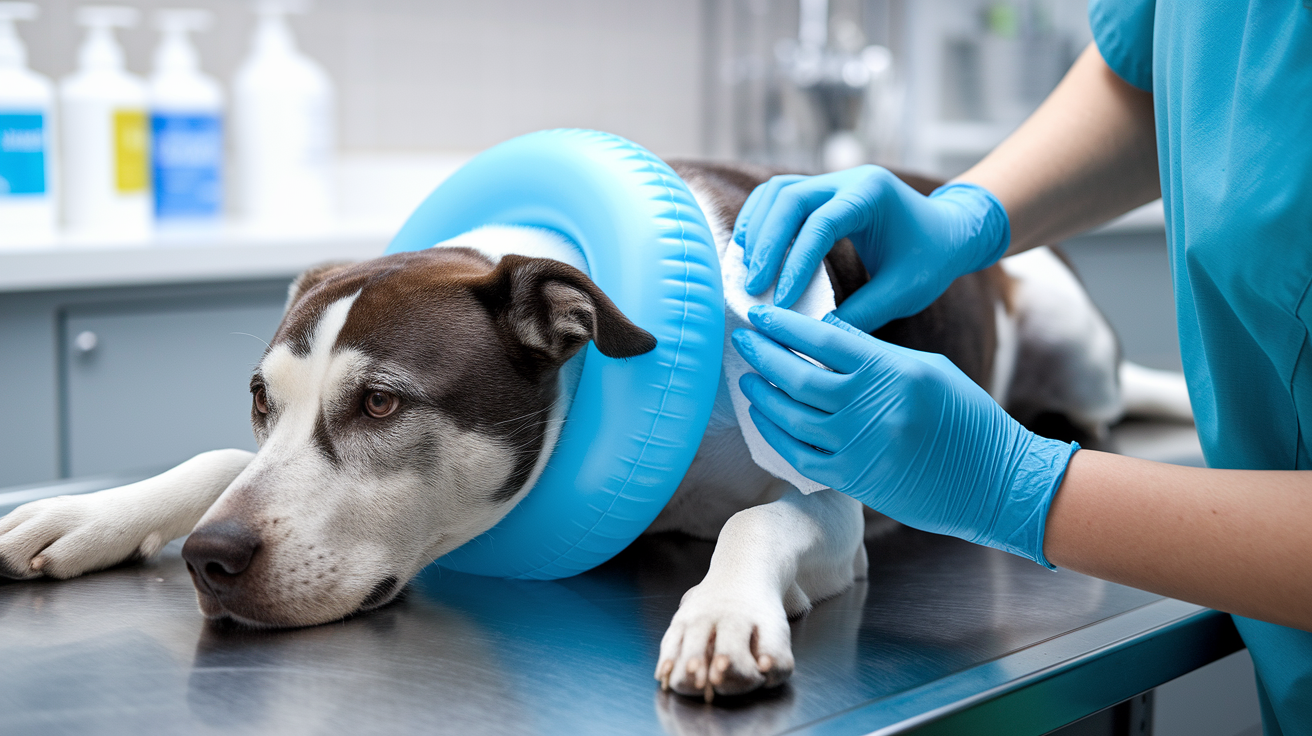
Hot spots can double in size within 24 hours. A small irritation becomes a painful, oozing wound in just a few hours. Your goal in the first few minutes is to stabilize the area, stop it from getting worse, and keep your dog comfortable until you can reach your vet or start more thorough treatment.
Your first priority? Stop the itch-scratch cycle. Every lick or scratch introduces more bacteria, more heat, more inflammation. Protect the spot immediately, even if you can’t clean it perfectly right away.
Call your vet as soon as you notice a hot spot forming. While you wait for guidance or an appointment, follow these steps to slow the progression and keep your dog from making things worse.
Put on a cone or e-collar immediately. This blocks licking and chewing before the wound deepens. If you don’t have one, use an inflatable collar, a clean T-shirt, or anything that creates a physical barrier.
Don’t apply creams or ointments right away. Most hot spots need air to dry out. Adding moisture can trap bacteria.
Gently wipe away visible discharge with a clean, damp towel. Use cool water, not hot. Pat, don’t rub.
If the fur is severely matted and pulling on the skin, carefully clip it with blunt-ended scissors or dog clippers. Only do this if your dog stays calm. If they react aggressively or pull away, stop and call the vet.
Avoid alcohol, hydrogen peroxide, or any human wound products. These damage tissue and delay healing.
Monitor for changes in the next few hours. Watch for spreading redness, new foul odor, or increased pain. If any of these happen, escalate to emergency veterinary care.
Identifying Hot Spots on Dogs: Early Signs and What They Look Like
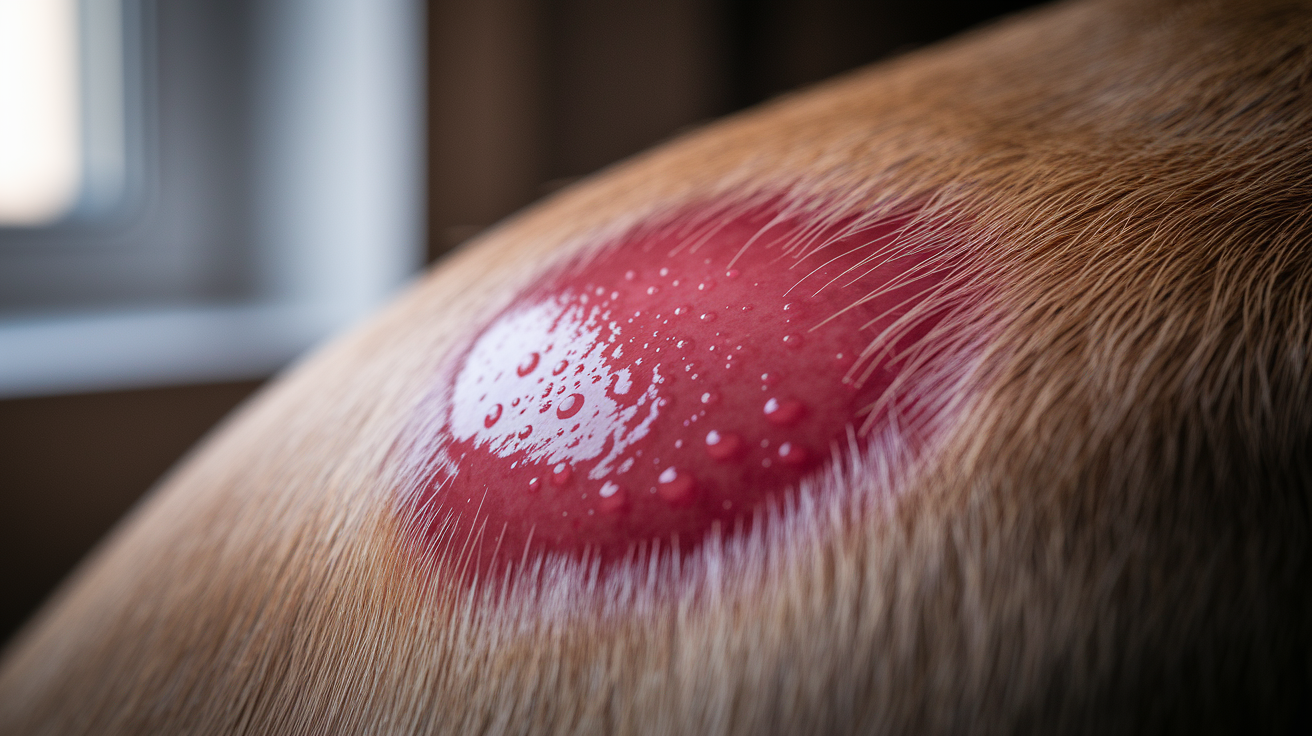
A hot spot is a moist, warm, painful patch of skin that develops very quickly. Sometimes in less than an hour. You might first notice your dog obsessively licking or scratching one area. When you check, the skin is red, swollen, and damp. Hair is often matted or missing. The area feels warmer than the rest of your dog’s body.
Early hot spots may not smell yet. Odor develops later as bacteria multiply in the warm, moist environment. By that point, the lesion is usually larger, oozing sticky discharge, and very painful to the touch. Dogs often whimper, pull away, or snap when you try to inspect the area.
Common triggers include flea bites, allergies to pollen or food, moisture trapped under a thick coat after swimming, ear infections that cause head shaking, and stress-related scratching or chewing. Breeds with dense fur (Golden Retrievers, German Shepherds, Newfoundlands) are at higher risk because air doesn’t reach their skin easily.
Early warning signs to watch for:
Obsessive licking, chewing, or scratching one specific spot. Red, moist skin with hair beginning to mat or fall out. Slight swelling or warmth when you touch the area. Your dog acting agitated or unable to settle. A small patch of sticky or clear discharge.
Cleaning and Preparing a Hot Spot: Detailed Guidance After Initial Stabilization
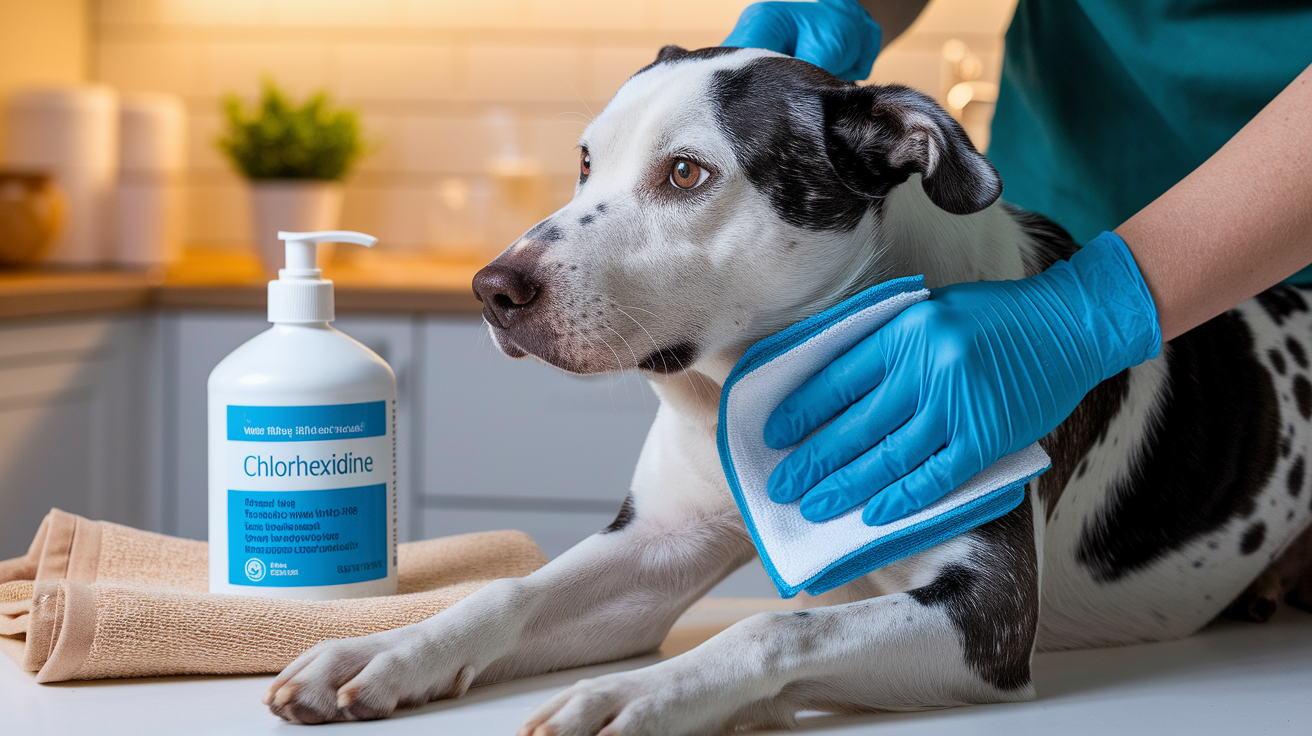
Once you’ve stopped the immediate trauma and your dog is protected with a cone, deeper cleaning can begin. This step is about increasing airflow, removing debris, and creating the best possible environment for healing. Many hot spots hide under thick, matted fur. If the fur stays wet and stuck to the wound, bacteria keep multiplying.
The right tools make this easier and safer. Dog clippers with a guard work better than scissors because they reduce the risk of nicking inflamed skin. Chlorhexidine solution (a gentle antiseptic safe for dogs) is ideal for cleaning. You can find it at pet stores or through your vet. Warm water alone works if you don’t have chlorhexidine yet.
Avoid hydrogen peroxide. It kills healthy tissue along with bacteria and slows healing.
Some dogs resist handling when they’re in pain. If your dog growls, snaps, or tries to bite, stop and call your vet. Many dogs need sedation in a clinic before the area can be safely shaved and cleaned.
Common mistakes include leaving the area wet after cleaning, using human antibiotic ointments that aren’t safe if licked, and trimming too aggressively near sensitive spots like the face or genitals. Always pat the area completely dry with a clean towel. Moisture is the enemy.
Steps to Safely Expose and Clean the Area
Trim the fur around the hot spot using dog clippers, leaving about half an inch of clearance around the edges. Work slowly and stop if your dog struggles.
Rinse the exposed area with warm water or diluted chlorhexidine (follow the product’s instructions for dilution). Let the solution sit for a few seconds, then rinse.
Gently wipe away any crust, discharge, or matted debris with a soft, damp cloth. Don’t scrub.
Pat the area completely dry with a clean towel. Press gently, don’t rub.
Reapply the cone or protective device immediately to prevent licking while the area is still damp.
Dog Hot Spot Treatment Options: At-Home Remedies and Veterinary Care
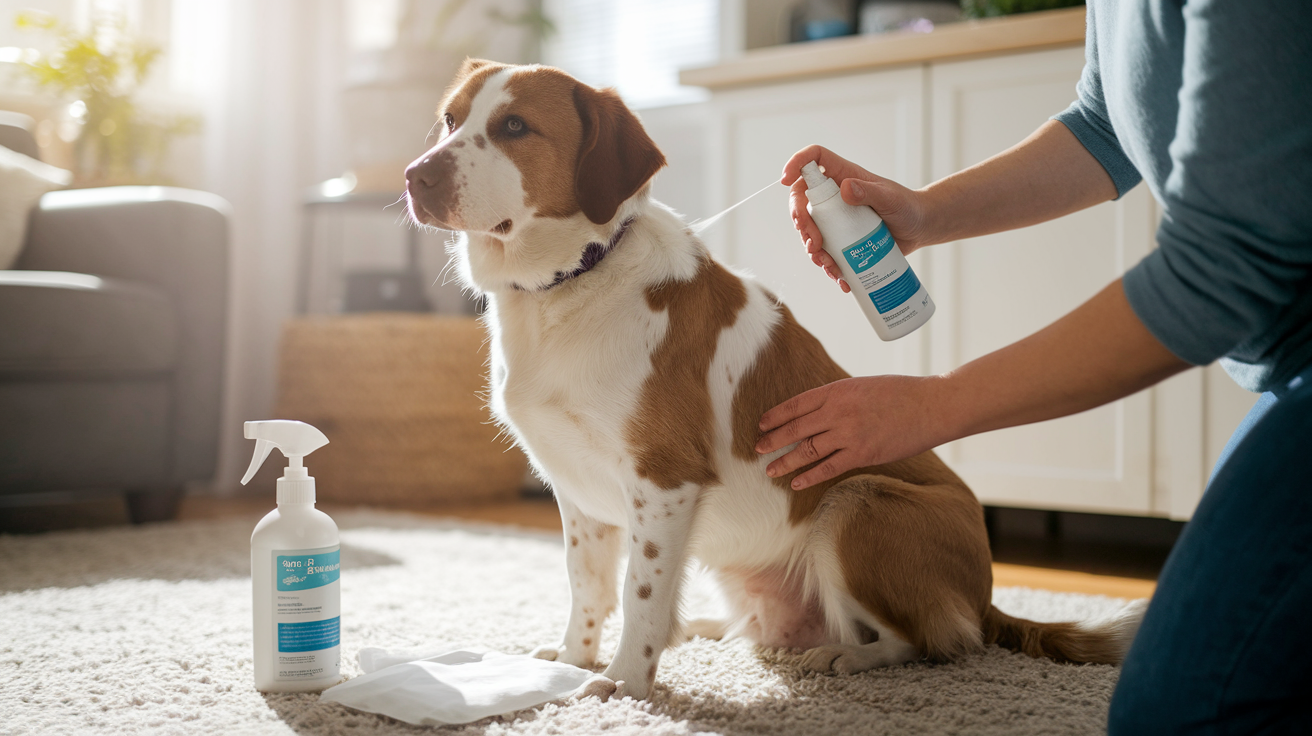
At-home treatment works best for small, early-stage hot spots. Lesions under one inch across, with minimal discharge and no foul odor. Over-the-counter options include dog-safe antimicrobial sprays, medicated wipes, and topical gels. Look for products labeled safe if licked, because even with a cone, most dogs find a way to reach the spot occasionally.
Some sprays use inorganic salts or other drug-free ingredients that dry the wound and discourage bacterial growth without stinging. A 1% hydrocortisone spray can reduce itching and inflammation, but check with your vet first if your dog has other health conditions or is on medication.
Apply topical treatments about three to four times a day, especially after your dog goes outside. Clean the area gently before each application. Expect visible improvement (less redness, reduced oozing, early scabbing) within three to seven days. If the hot spot hasn’t improved after 48 hours, or if it’s getting worse, home care alone isn’t enough.
When OTC Remedies Are Appropriate
Mild hot spots respond well to consistent cleaning, drying, and topical care when caught early. If your dog stays calm during treatment, the lesion is small, and you don’t see signs of deep infection (like pus, spreading heat, or a bad smell), it’s reasonable to monitor at home for the first day or two while using an OTC spray or wipe. Keep the cone on full-time and check progress twice a day.
What Happens During Veterinary Treatment
Your vet will usually shave the area more thoroughly than you can at home, clean it with a professional-grade antiseptic, and assess whether oral antibiotics are needed. Many dogs require sedation because hot spots are extremely painful.
Your vet may prescribe oral antibiotics to fight secondary bacterial infection, along with pain relievers and anti-inflammatory medication to reduce discomfort and swelling. Follow-up exams help confirm the infection is resolving and identify underlying causes like allergies or ear infections.
Professional care is required if you notice:
Lesions larger than a quarter or rapidly expanding. Colored discharge (yellow, green, or bloody). Foul odor that doesn’t go away after cleaning. Extreme pain, aggressive behavior, or inability to touch the area.
Protecting the Wound: Stopping Licking, Scratching, and Self-Trauma
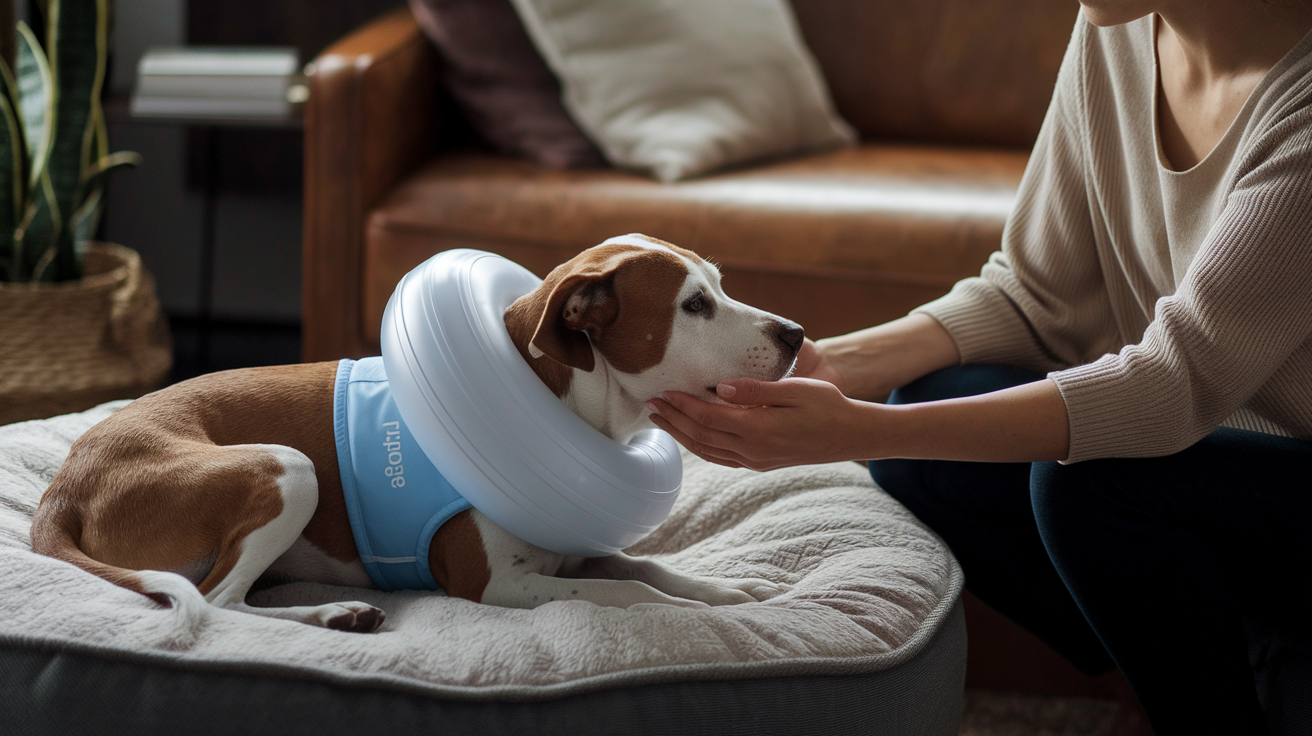
Every time your dog licks or scratches a hot spot, they reintroduce bacteria from their mouth and paws, add moisture, and restart the inflammation cycle. An Elizabethan collar (cone) is the most reliable way to block access. Most dogs adjust within a day or two, even if they hate it at first.
If your dog can’t navigate stairs or doorways with a hard cone, try an inflatable collar. These work well for spots on the body but may not block access to paws or lower legs. Recovery suits (soft fabric bodysuits) cover large areas of the torso and are especially helpful for dogs with multiple spots or those recovering from surgery.
A clean, fitted T-shirt can work for hot spots on the back or sides, as long as your dog doesn’t chew through it. Check the wound twice a day to make sure the covering isn’t trapping moisture or rubbing the area.
Alternatives to a traditional e-collar:
Inflatable donut collars for body and hip lesions. Recovery suits or surgical bodysuits for torso coverage. Clean T-shirts for temporary protection on the back or sides.
When Dog Hot Spots Require Immediate Veterinary Treatment
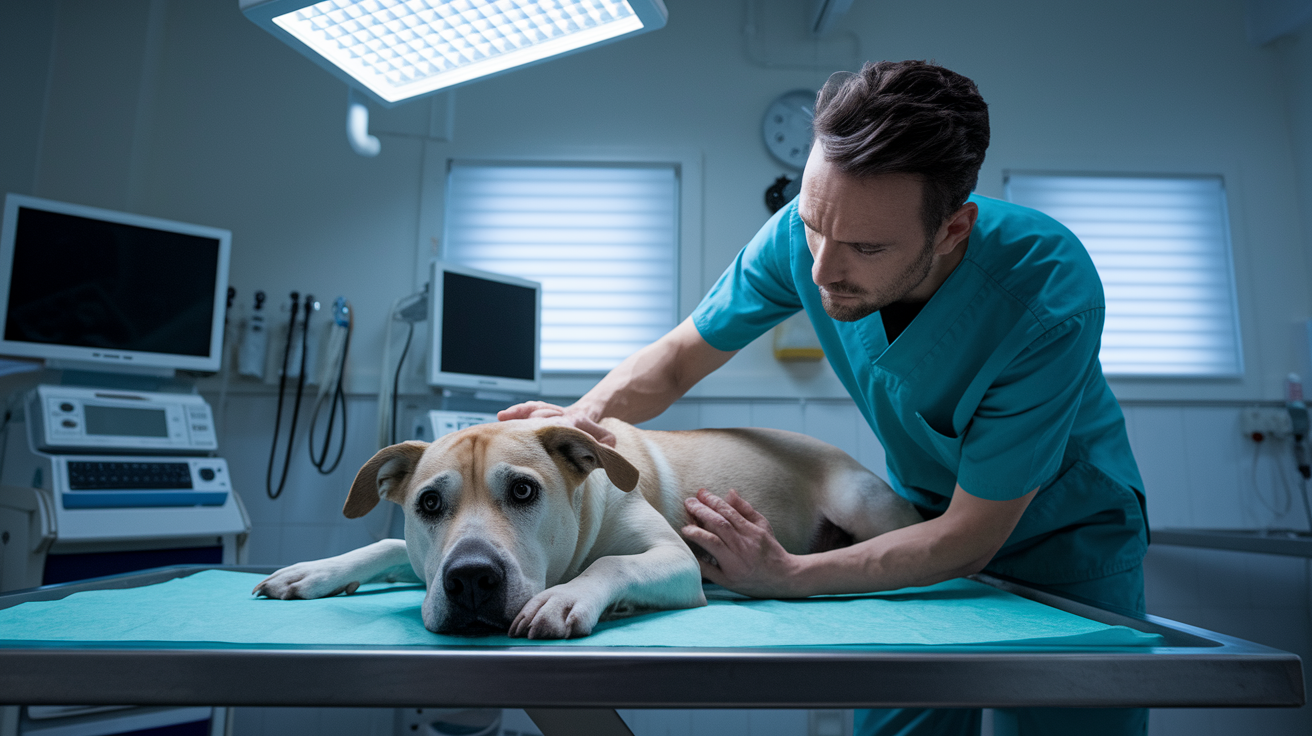
Some hot spots are true emergencies. If the lesion is larger than a quarter when you first notice it, it’s already severe. Rapid spreading (doubling in size within a few hours) means aggressive infection. Foul odor, thick discharge, or areas that feel hot and swollen beyond the visible red patch signal deeper tissue involvement.
Hot spots near the eyes, ears, or throat are especially dangerous. Infection can spread quickly in these areas, and swelling can interfere with breathing, hearing, or vision.
If your dog shows signs of systemic illness (fever, lethargy, refusal to eat, or vomiting), the infection may be entering the bloodstream. This is rare but serious, especially in dogs with weakened immune systems or other health conditions. Aggressive behavior when you approach the area, even in normally gentle dogs, often means severe pain.
Red-flag symptoms that require same-day veterinary care:
Hot spot larger than a coin or spreading rapidly within hours. Thick yellow, green, or bloody discharge. Strong, foul smell that doesn’t improve after cleaning. Fever, low energy, or refusal to eat or drink. Multiple hot spots appearing at the same time. Lesions on the face, near the eyes, ears, or throat.
Preventing Future Hot Spots: Daily Routines and Long-Term Skin Care
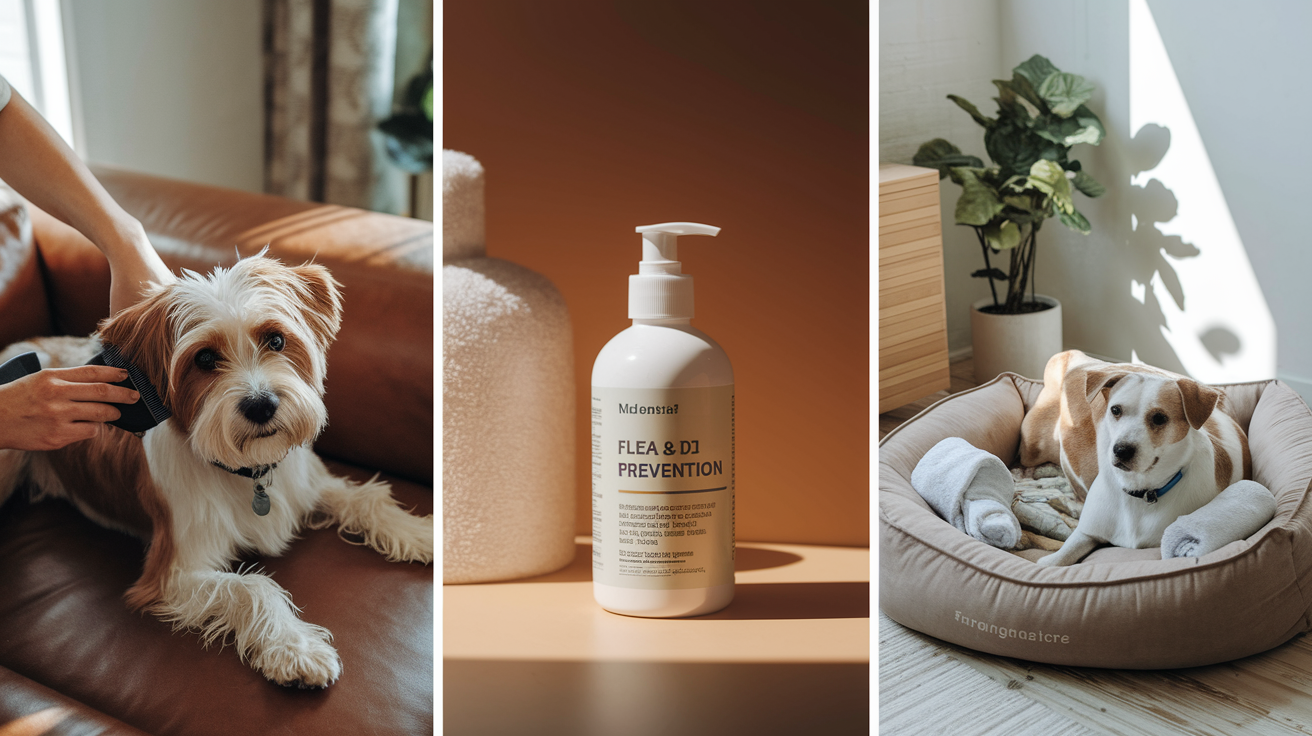
Prevention starts with daily grooming. Brush your dog every day, especially during warm, humid weather. Brushing removes loose fur, prevents matting, and helps you spot small irritations before they turn into hot spots.
After baths or swimming, dry your dog’s coat completely. Don’t just towel off the surface. Use a blow dryer on a cool setting if your dog tolerates it, paying extra attention to thick areas like the neck, hips, and legs.
Flea and tick prevention is essential year-round. A single flea bite can trigger intense itching in allergic dogs, leading to scratching, moisture, and bacterial overgrowth within hours.
If your dog has recurring hot spots, work with your vet to investigate underlying causes. Food sensitivities, environmental allergies, ear infections, and even arthritis (which causes dogs to lick sore joints) can all trigger chronic scratching.
Omega-3 fatty acid supplements support skin barrier health and reduce inflammation. Some owners find that systemic joint and mobility supplements help older dogs who develop hot spots from licking painful areas.
Keep bedding clean. Wash your dog’s bed, blankets, and any fabric toys weekly in hot water. Use hypoallergenic, fragrance-free detergent to reduce the risk of contact irritation.
Daily Prevention Checklist
Brush your dog’s coat thoroughly, checking for damp or irritated spots. Dry completely after any water exposure (baths, rain, swimming). Inspect ears weekly and clean as directed by your vet. Maintain year-round flea and tick prevention. Feed a consistent, vet-approved diet if food allergies are suspected. Schedule regular veterinary check-ins to address allergies, infections, or anxiety-related behaviors.
Healing Timeline and Monitoring Dog Hot Spot Treatment Progress
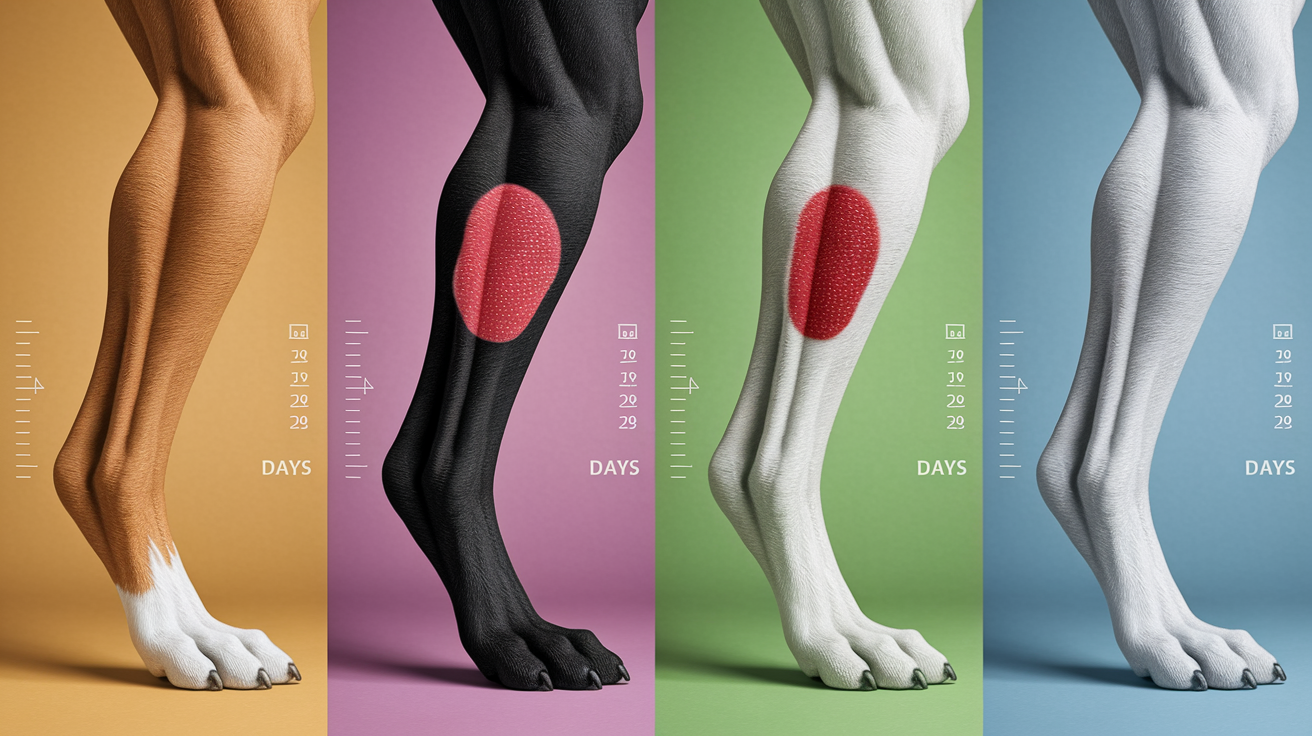
Most hot spots show noticeable improvement within three to seven days when treated correctly. You should see reduced redness, less oozing, and early scab formation. Itching and discomfort decrease. Any foul odor should disappear within the first 48 hours. Full healing (including complete fur regrowth) can take a few weeks after the scab falls off.
Track progress by checking the area twice a day. Take a photo each day so you can compare size, color, and moisture levels. If the hot spot looks the same after two days of treatment, or if it’s getting worse (larger, more painful, new discharge), contact your vet.
Healing isn’t always linear, but steady improvement is the goal. Some dogs develop new hot spots while the first one is healing. This usually means an underlying trigger hasn’t been addressed yet.
Daily tracking points to monitor:
Size of the red or moist area (measure with a ruler or compare to a coin). Amount and color of any discharge. Your dog’s behavior (reduced licking, scratching, or agitation). Presence or absence of odor after cleaning.
Final Words
Start by stopping the licking, clipping fur if safe, and gently cleaning with a dog-safe antiseptic like chlorhexidine. Protect the area with a collar or recovery suit.
This post covered how to spot hot spots, detailed cleaning steps, at-home versus veterinary options, and prevention tips. Track size, odor, and itching daily and take photos to watch progress over 3–7 days.
If you do one thing today, begin the immediate stabilization steps and follow a simple dog hot spot treatment plan; most dogs respond well to steady, careful care.
FAQ
Q: What is the best thing to put on a dog’s hot spot?
A: The best thing to put on a dog’s hot spot is a vet-recommended antiseptic like chlorhexidine (mild skin disinfectant), after trimming hair if safe, and an E-collar to stop licking; avoid alcohol or hydrogen peroxide.
Q: Can I use hydrogen peroxide or alcohol on a dog’s hot spot?
A: You should not use hydrogen peroxide or alcohol on a dog’s hot spot because they delay healing, sting, and damage tissue; use chlorhexidine or a warm water rinse and check with your vet if unsure.
Q: What can I put on a dog’s hot spot at home before seeing the vet?
A: At home, gently clip nearby fur if safe, rinse with warm water, apply diluted chlorhexidine wipes or spray, and fit an E-collar; see a vet if it enlarges, smells bad, or causes severe pain.
Q: How do I stop my dog licking a hot spot?
A: To stop licking, use a well-fitted E-collar or recovery suit, offer distraction like chews, keep the area clean, and call your vet if your dog keeps reaching or the wound worsens.
Q: When should I call the vet about a dog’s hot spot?
A: Call the vet if the hot spot grows quickly, has a foul odor or colored discharge, causes marked pain, or your dog is feverish, lethargic, not eating, or the lesion is near eyes or throat.
Q: How long does a dog’s hot spot take to heal and what should I monitor?
A: A dog’s hot spot often improves in 3–7 days; monitor size, redness, itchiness, smell, and discharge twice daily, take photos, and contact your vet if there’s no improvement in 48 hours.