

Think one vet visit a year is enough for every dog?
Not quite.
This post lays out a simple, life-stage plan to keep your dog healthier longer.
Puppies need checkups every 3 to 4 weeks until about 16 weeks, adults usually get one wellness visit a year, and seniors benefit from exams every six months.
I’ll also explain when to visit sooner because of breed, lifestyle, or chronic conditions.
It gives a clear, practical plan you can follow.
Veterinary Visit Frequency by Life Stage
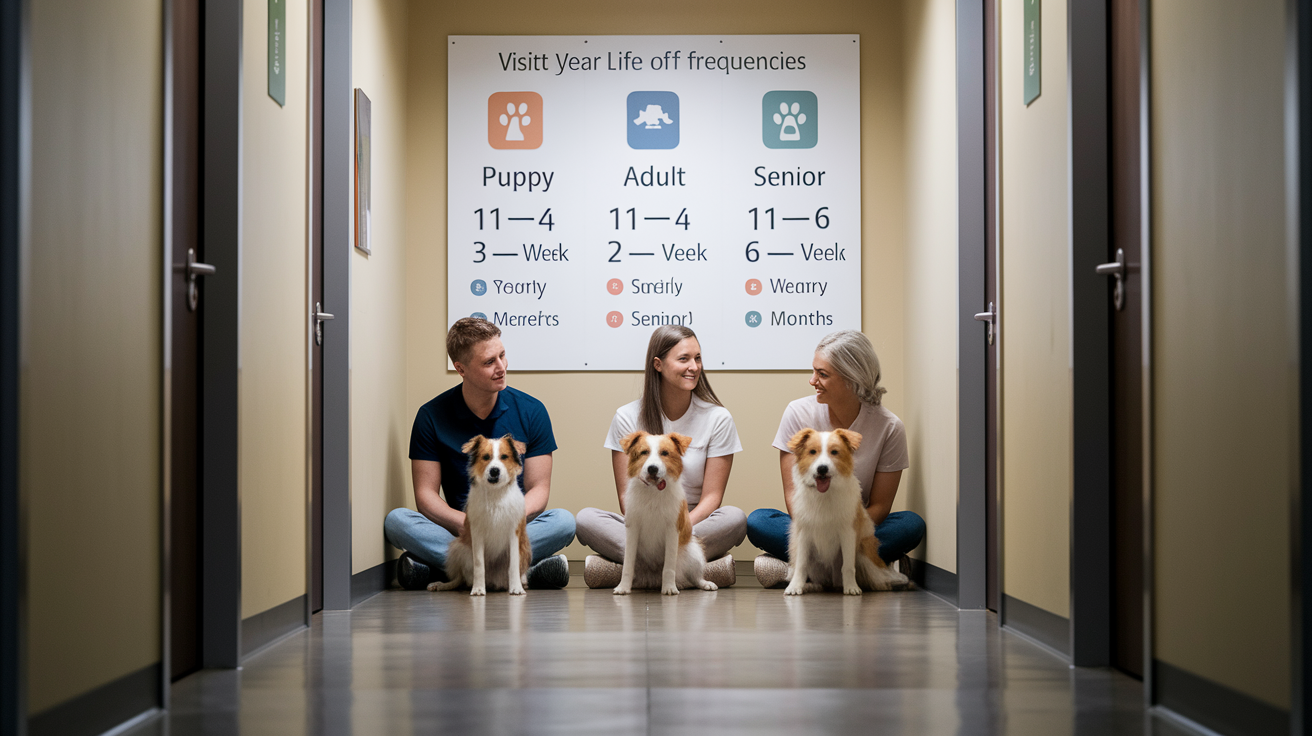
Puppies need a vet checkup every 3 to 4 weeks until they hit about 16 weeks old. Healthy adult dogs do well with one wellness exam each year. Senior dogs (usually 7 years and up) should see the vet every 6 months to catch age-related changes early.
Life stage drives visit frequency because your dog’s body and needs change dramatically from birth through old age. Puppies grow fast. Their immune systems develop through carefully timed vaccination windows, and they face higher parasite exposure during early socialization. Skip one appointment in that window and you could leave your puppy vulnerable to parvovirus or distemper right when maternal antibodies fade. Adults usually maintain steady health for years, so that annual checkup catches subtle weight gain, early dental tartar, or a minor heart murmur before things get worse. Seniors age roughly seven years for every human year, which means organ function, joint wear, and cancer risk accelerate quickly. A condition that looks mild at one annual visit can progress significantly by the next year. That’s why vets recommend twice-yearly senior exams to spot kidney decline, arthritis flare-ups, or thyroid imbalances while treatment options still work.
Visit schedules also flex around individual health, breed, and lifestyle. A working farm dog exposed to ticks and wildlife may need extra screenings. A giant-breed puppy might require earlier orthopedic checks. Dogs with chronic conditions like diabetes or Cushing’s disease often visit every 3 to 6 months for bloodwork and medication adjustments. The baseline schedule (frequent puppy visits, yearly adult checks, biannual senior exams) gives most dogs the best shot at a long, comfortable life without emergency surprises.
Puppy Veterinary Care Schedule
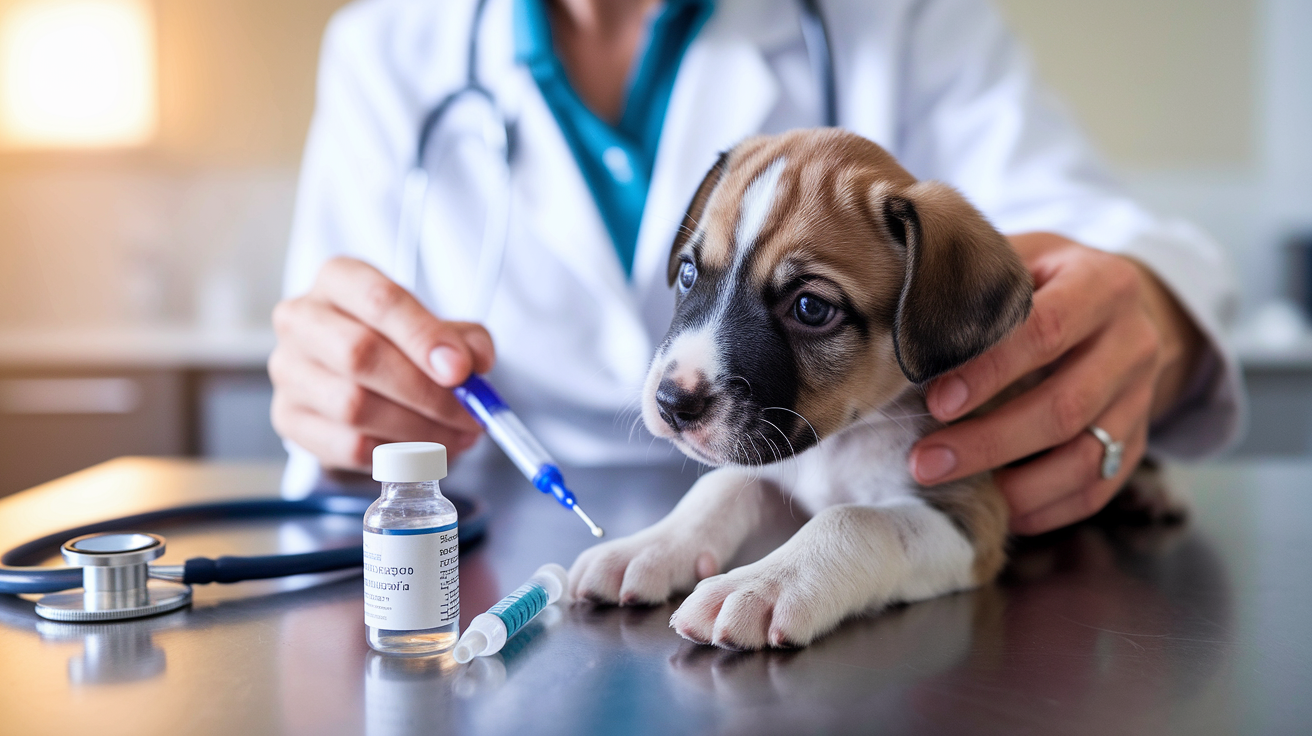
Puppies require checkups every 3 to 4 weeks from about 8 weeks of age until they reach 16 weeks old. This frequent schedule makes sure vaccines are timed correctly, parasites get treated early, and growth milestones stay on track. The first visit usually happens around 8 weeks, when a breeder or shelter has already weaned the puppy and started initial vaccines. Your vet will examine the puppy’s entire body, check a stool sample for worms, and map out the remaining vaccine dates.
Each follow-up visit during this window builds vaccine protection as maternal antibodies fade. Miss even one appointment and you could leave your puppy unprotected during the critical socialization window when parvo and distemper risks are highest. These visits also let your vet spot congenital issues like heart murmurs or hernias before they complicate surgery or training plans.
Key health checks performed at puppy visits:
- Physical exam of heart, lungs, eyes, ears, teeth, abdomen, and joints
- Deworming treatment and fecal parasite screening
- Vaccine administration every 3 to 4 weeks until the series is complete
- Growth and weight tracking to make sure nutrition and bone development are on target
Adult Dog Veterinary Care Schedule

Healthy adult dogs typically need one comprehensive wellness exam each year. That annual checkup covers weight, dental condition, heart and lung sounds, coat and skin health, mobility, and behavior changes. Your vet uses this visit to update vaccines, review parasite prevention, and run any routine blood or urine tests that flag early organ trouble before symptoms appear.
One year in a dog’s life equals roughly five to seven human years. A lot can shift between visits. A dog who seemed fine twelve months ago might now carry extra weight that stresses joints, or early kidney changes that don’t yet cause visible signs. Annual exams catch these quiet problems when a diet tweak, preventive medication, or dental cleaning can reverse the trend. Skip even one year and you often discover issues at a stage that requires intensive treatment instead of simple management.
Senior Dog Veterinary Care Schedule
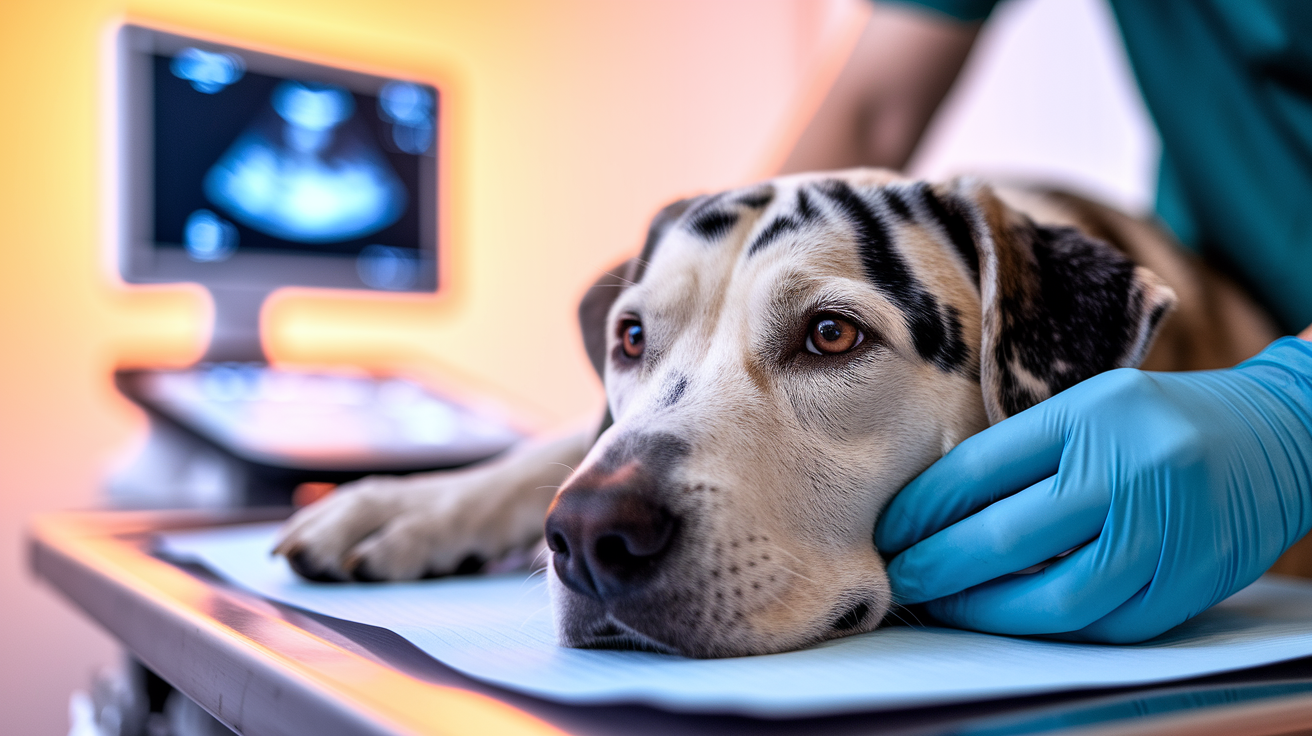
Senior dogs benefit from veterinary visits every 6 months instead of once per year. Most dogs enter the senior phase around 7 years of age, though giant breeds cross that threshold closer to 5 or 6 years, and toy breeds may not be considered senior until 9 or 10. Twice-yearly exams give your vet a closer look at organ function, joint comfort, and cancer risk as your dog’s body ages faster.
Senior checkups typically include expanded diagnostics that help detect disease before it becomes symptomatic:
- Complete blood count and chemistry panel to assess kidney, liver, and blood sugar levels
- Thyroid function testing, since hypothyroidism is common in older dogs
- Urinalysis to screen for urinary tract infections, kidney disease, or diabetes
- Blood pressure measurement to identify hypertension linked to kidney or heart issues
- X-rays or ultrasound when arthritis, tumors, or organ enlargement is suspected
Catching kidney decline or early arthritis at a 6-month interval means you can start joint supplements, prescription diets, or pain management while your dog still enjoys daily walks. Wait a full year and the disease has often progressed to a point where comfort and quality of life are harder to preserve.
Vaccination Schedules for All Life Stages
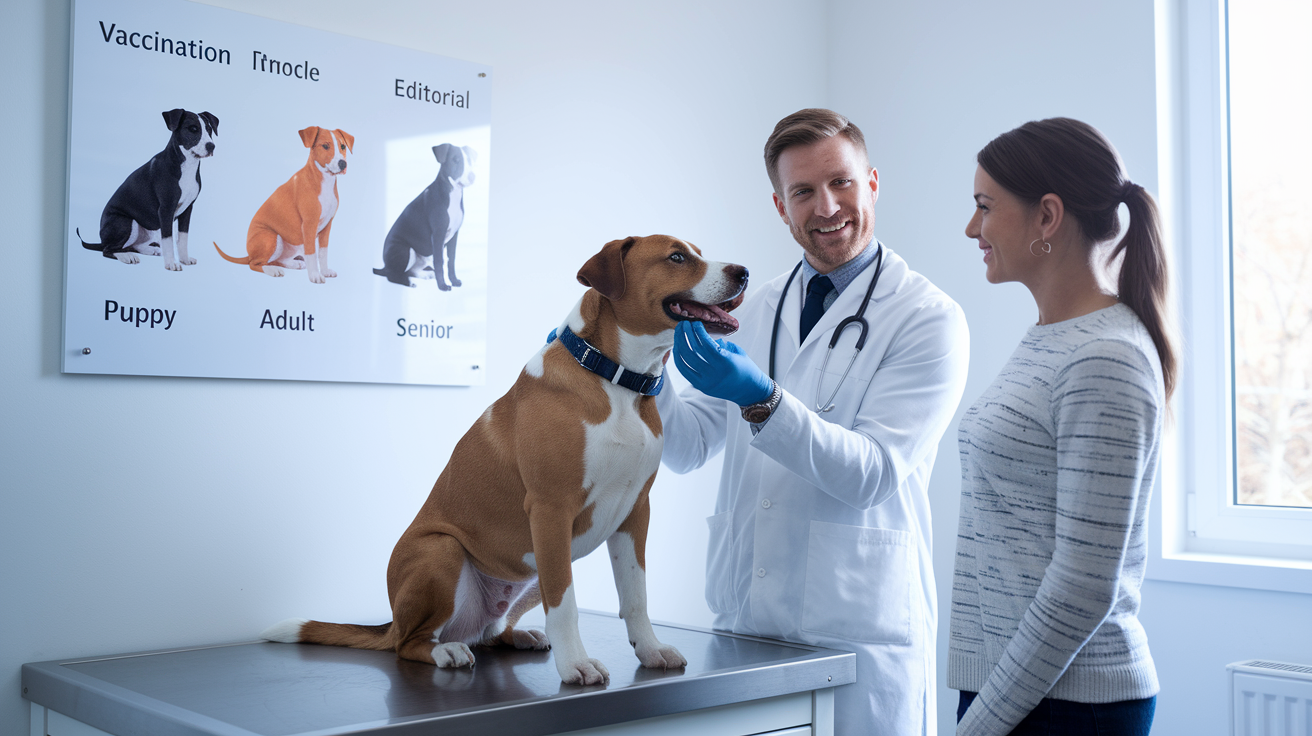
Vaccines train your dog’s immune system to recognize and fight serious infectious diseases before exposure happens. Timing matters because antibodies from the mother fade during a puppy’s first months, adult immunity wanes over time, and senior dogs may carry enough protection to extend booster intervals safely. This section brings together vaccine schedules across all life stages so you can plan visits and avoid redundant shots.
Puppy Vaccination Schedule
Puppies usually receive their first round of core vaccines around 8 weeks of age, covering distemper, parvovirus, adenovirus, and parainfluenza. Follow-up boosters are given every 3 to 4 weeks until the puppy reaches about 16 weeks old, making sure protection builds as maternal antibodies decline. Rabies vaccine is typically given around 16 weeks, though some areas require it as early as 12 weeks depending on local law. Puppies in high-risk environments may also receive non-core vaccines for Bordetella, leptospirosis, canine influenza, or Lyme disease during this series.
Adult Dog Vaccination Schedule
After the puppy series and a one-year rabies booster, most core vaccines shift to a three-year interval, though some veterinarians and regions still recommend annual boosters. Leptospirosis, Bordetella, and canine influenza are typically given annually if your dog boards, visits dog parks, or lives in an area where these diseases circulate. Your vet may suggest titer testing, a blood test that measures existing antibody levels, to figure out whether a booster is needed or if your dog still carries strong immunity from the previous vaccine.
Senior Dog Vaccination Considerations
Senior dogs with stable health often continue on the same booster schedule as adults, but vets may reduce vaccine frequency for dogs with chronic illness, immune disorders, or severe stress responses to clinic visits. Rabies remains legally required in most areas, though some jurisdictions allow exemptions for terminally ill or severely compromised pets. Always discuss your senior dog’s overall health, lifestyle risk, and local laws with your vet to balance protection against unnecessary immune stress.
Preventive Care Beyond Regular Visits
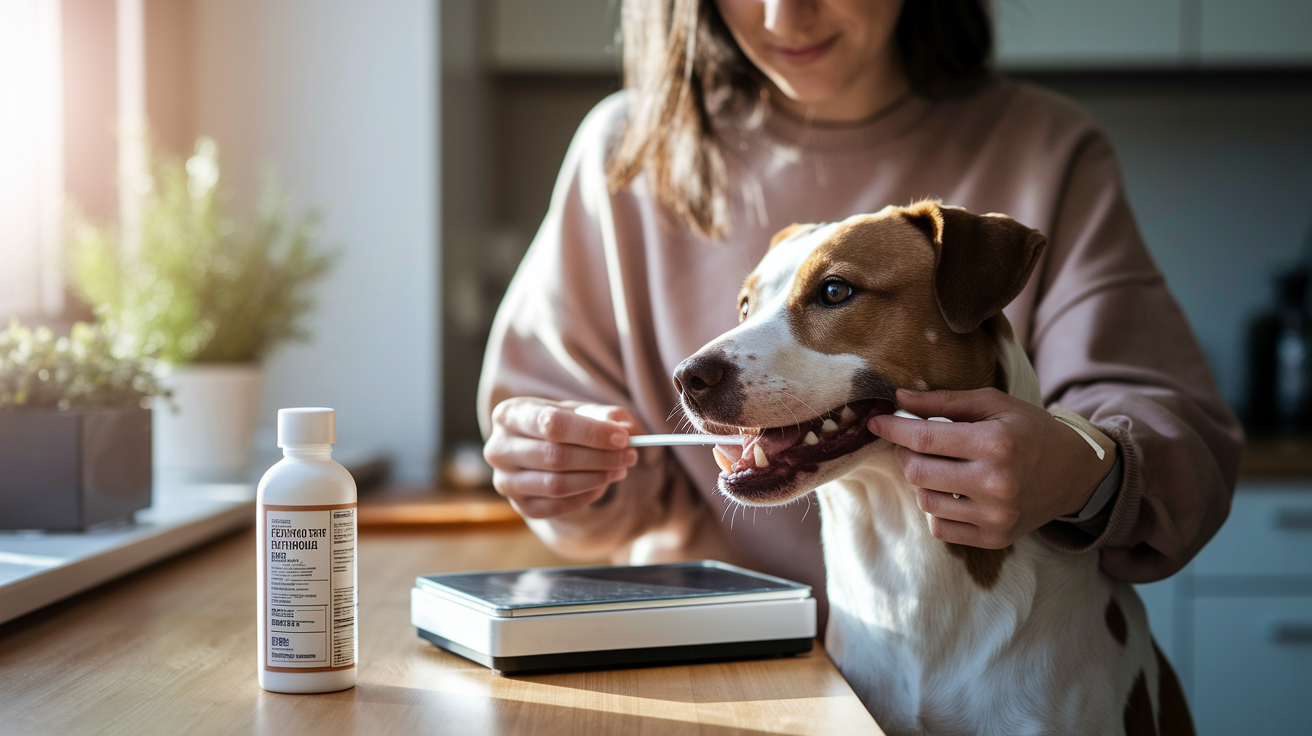
Preventive care between vet visits keeps your dog healthier and reduces the chance of expensive emergency treatment down the road. Simple routines at home, combined with the right medications and monitoring, catch problems early or stop them from starting in the first place.
Weight monitoring, dental care, and parasite prevention are the three pillars most owners can manage daily or monthly without a clinic appointment. Weigh your dog every few weeks and track the number so you notice a 5 percent gain or loss before it becomes a 20 percent shift. Brush teeth two or three times per week to slow tartar buildup that leads to painful infections and tooth loss. Give heartworm, flea, and tick prevention on schedule, every month, year-round in most climates. Even one missed dose can leave your dog vulnerable to parasites that take months of treatment to eliminate.
Key preventive tasks to maintain between visits:
- Monthly heartworm, flea, and tick prevention medication as prescribed by your vet
- Regular tooth brushing and dental chews to reduce plaque and tartar
- Weight checks every few weeks to catch gradual gain or loss early
- Nail trimming every 3 to 4 weeks to prevent joint stress and cracked nails
- Routine coat and skin inspections for lumps, ticks, hot spots, or irritation
Signs Your Dog Needs Immediate Veterinary Attention

Certain symptoms signal a problem that can’t wait for the next scheduled checkup. These warning signs often indicate pain, organ failure, toxin exposure, or internal bleeding that worsens quickly without treatment. When you notice any of the following, contact your vet right away or head to an emergency clinic if it’s after hours.
- Difficulty breathing or rapid, shallow panting at rest. Labored breathing can mean airway obstruction, heart failure, or lung disease.
- Collapse, extreme weakness, or inability to stand. Sudden loss of strength often points to internal bleeding, shock, or neurological crisis.
- Bloated, hard, or distended abdomen. This can indicate life-threatening bloat (gastric dilatation-volvulus) requiring emergency surgery.
- Repeated vomiting or diarrhea, especially with blood. Persistent gastrointestinal signs risk severe dehydration and can signal obstruction or poisoning.
- Refusal to eat or drink for more than 24 hours. Loss of appetite lasting a full day, combined with lethargy, suggests serious illness.
- Ingestion of toxic substances or foreign objects. If your dog swallows chocolate, xylitol, antifreeze, medications, or household items, immediate veterinary intervention reduces the chance of organ damage or obstruction.
- Uncontrolled bleeding, seizures, or sudden eye problems. These symptoms require urgent assessment to prevent permanent injury or death.
Trust your instinct when something feels wrong. Vets would rather you call about a concern that turns out minor than wait until a treatable problem becomes a crisis.
Cost Expectations for Routine and Senior Care

A standard wellness exam for an adult dog typically costs between 50 and 100 dollars, covering the physical checkup, weight assessment, and a conversation about vaccines, diet, and behavior. Vaccine boosters add roughly 15 to 30 dollars each, and a heartworm test runs about 20 to 50 dollars depending on your region. If your vet recommends bloodwork or a fecal screening, expect another 80 to 150 dollars for basic panels. A routine annual visit for a healthy adult dog usually lands between 150 and 300 dollars when you include one or two vaccines and standard preventive tests.
Senior dog visits cost more because expanded diagnostics become standard rather than optional. A complete blood chemistry panel, thyroid test, and urinalysis together often run 150 to 250 dollars, and twice-yearly visits double the baseline exam fees. X-rays to check for arthritis or tumors add another 100 to 300 dollars per set of images. Over the course of a year, budgeting 500 to 800 dollars for a senior dog’s routine care is realistic, and that figure climbs if your vet finds early kidney disease, dental issues, or joint pain that need prescription diets, medications, or dental cleaning under anesthesia. Costs vary widely by location, clinic type, and whether you visit a general practice or a specialty hospital, so ask for an estimate before each visit and discuss payment plans or pet insurance if the numbers feel overwhelming.
Final Words
Puppies need checkups every 3-4 weeks until about 16 weeks, healthy adults usually visit once a year, and senior dogs often benefit from exams every six months.
Those timings match growth, vaccine needs, and age-related screening. Puppies need close monitoring; adults get routine wellness checks; seniors need more tests for arthritis and organ changes. If your dog has sudden breathing trouble, collapse, repeated vomiting, or can’t eat, get help right away.
If you’re asking how often should dogs go to the vet, use life-stage timing as a guide, watch for changes, and call your clinic when something feels off. Regular visits help catch problems early so your dog stays comfortable and active.
FAQ
Q: How often should a dog be checked by a vet?
A: A dog should be checked regularly: puppies every 3–4 weeks until about four months, adult dogs once a year, and senior dogs about every six months. Call a vet sooner for sudden or severe signs.
Q: What is the 3-3-3 rule with dogs?
A: The 3-3-3 rule with dogs is an adoption guideline: three days of initial shock, three weeks to learn house rules and routine, and three months to fully settle—seek help if serious fear or aggression continues.
Q: What is the 7 second rule for dogs?
A: The 7 second rule for dogs is that a correction or reward should happen within seven seconds to be linked to the behavior; otherwise the dog won’t connect. Use timely, positive reinforcement and trainer support if needed.
Q: Is it okay to not take your dog to the vet?
A: Not taking your dog to the vet is generally not recommended; skipping routine care risks missed problems. You can briefly monitor minor issues, but get veterinary care for worsening, lasting, or urgent symptoms.