

Think brushing your cat’s teeth is impossible?
You’re not alone, but with the right tools and slow steps it can be simple and low stress.
In this post I’ll show a short, practical plan you can use at home, from picking the right toothbrush and paste to quick, gentle strokes that help stop plaque from becoming tartar.
You’ll learn how to start in tiny steps, what to watch for, how often to brush, and when to call the vet.
By the end you’ll have a calm routine that helps keep your cat’s mouth healthy.
Essential Steps for Brushing Cat Teeth at Home
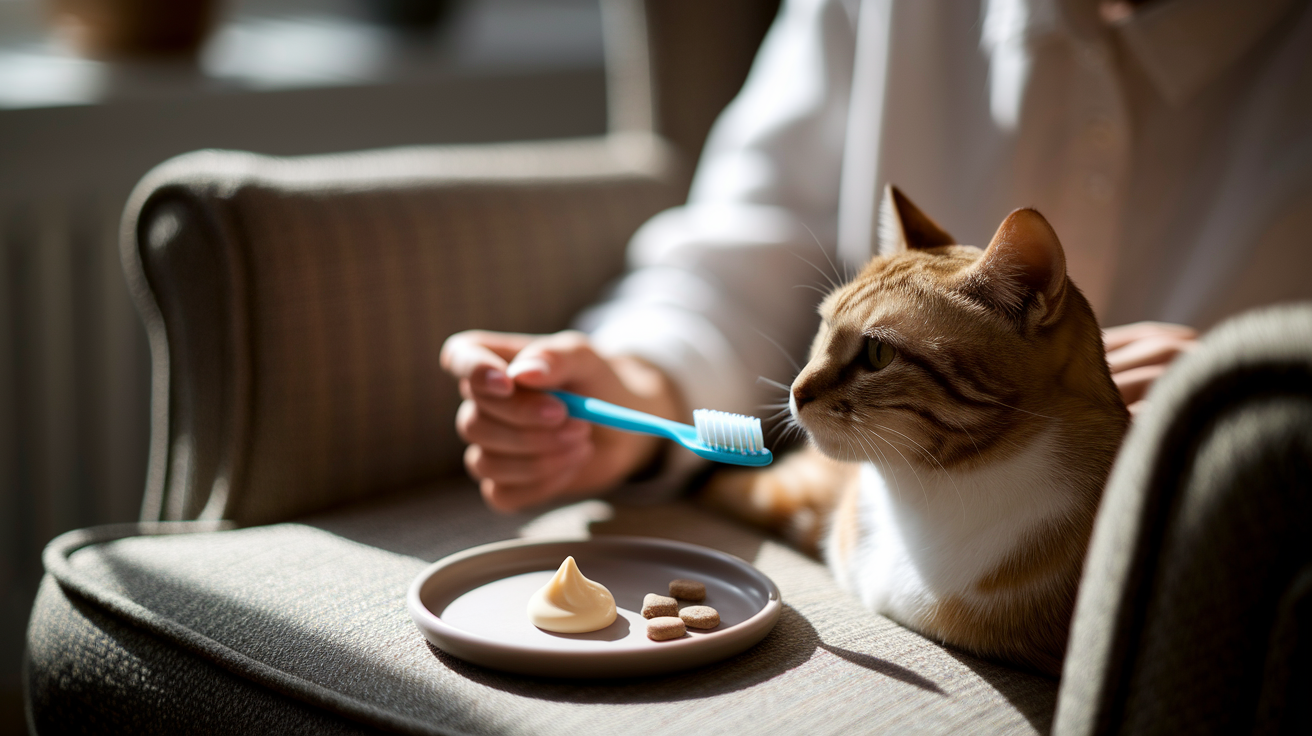
Get everything ready before you even touch your cat. You’ll need a soft bristled cat toothbrush or finger brush, pet safe enzymatic toothpaste, and some treats your cat actually cares about. Find a quiet spot with good lighting where your cat already feels comfortable. Maybe that’s a favorite chair or a clean countertop with something grippy underneath. Those first few sessions should be quick and low stress, you’re building toward normal, not wrestling.
-
Sit with your cat in a secure position. Hold them gently but with enough control that they can’t just bolt. Back toward you or cradled in your lap works well. One hand supports the head, palm on top, thumb and second finger around the cheekbone. You’ve got control without being aggressive about it.
-
Lift the lip carefully. Use your thumb to pull up the upper lip on one side so you can see the teeth and gumline. Your cat should still be breathing fine. Hold it for just a few seconds at first.
-
Apply a pea sized amount of toothpaste to the brush. That’s about 0.3 to 0.5 grams, basically a small smear across the bristles. Cat safe enzymatic pastes do their job even without much scrubbing, so don’t go overboard.
-
Start at the back teeth. These are the upper molars and canines, where plaque piles up fastest. Put the brush bristles at a 45 degree angle to the gumline.
-
Use 5 to 10 gentle circular or short back and forth strokes per tooth area. Stick to the outer surfaces only, the side facing the cheek. Most cats won’t let you near the inner surfaces and that’s fine.
-
Work forward along the row. Move from back teeth toward the front, keeping your strokes light and steady. If your cat starts squirming, pause for a second, then keep going.
-
Aim for 10 to 15 seconds total in the first few sessions. As your cat gets used to it, gradually stretch that to 30 to 60 seconds per brushing. Stop while they’re still calm, not after things have already fallen apart.
-
Finish with praise and a small treat. End on a good note every single time. That’s how your cat learns toothbrushing means something nice is coming.
Plaque can turn into tartar in 24 to 48 hours, so daily brushing works best. Even three times a week makes a real difference if daily feels impossible. And don’t use human toothpaste. It’s got foaming agents and sweeteners like xylitol that aren’t safe for cats.
Choosing Cat Toothbrushes and Toothpaste for Effective Brushing

Cat toothbrushes come in two main types. There’s the small soft bristled kind that looks like a tiny version of your own toothbrush, with a long handle and a small head sized for a cat’s mouth. Then there’s finger brushes that slip over your index finger and give you more direct control. But finger brushes put you at higher risk of getting bitten if your cat gets spooked or annoyed. A soft bristled brush with a handle keeps your fingers farther from teeth, which is safer for most situations. Budget around $3 to $15 per toothbrush. If you’ve got multiple cats, keep separate brushes to avoid spreading bacteria or infections through saliva.
Toothpaste made for cats isn’t optional. Human toothpaste foams, tastes awful to them, and has ingredients that can upset their stomach or worse. Cat specific enzymatic toothpaste breaks down plaque chemically, so even light scrubbing helps. You’ll see these pastes in poultry, beef, fish, and seafood flavors, turning the whole thing into something closer to a treat. A 2 to 3 oz tube usually costs $5 to $15 and lasts several weeks when you’re only using a pea sized amount each time.
Key toothpaste features worth looking for:
- Enzymatic formula that keeps working after you’re done brushing, breaking down biofilm and plaque between sessions.
- Meat or fish flavors like chicken, beef, or tuna to make the paste something your cat wants instead of something they spit out.
- Xylitol free and fluoride free formulations. Xylitol is toxic to pets and fluoride isn’t necessary for cats.
- Gel or paste texture that spreads easily and actually sticks to teeth instead of sliding off the brush.
- Shelf life of 12 to 18 months after opening when stored somewhere cool and dry. Check expiration dates.
- Small quantity per use. A pea sized smear is all you need, so each tube lasts longer than you’d think.
Preparing Cats for Toothbrushing Through Gentle Desensitization
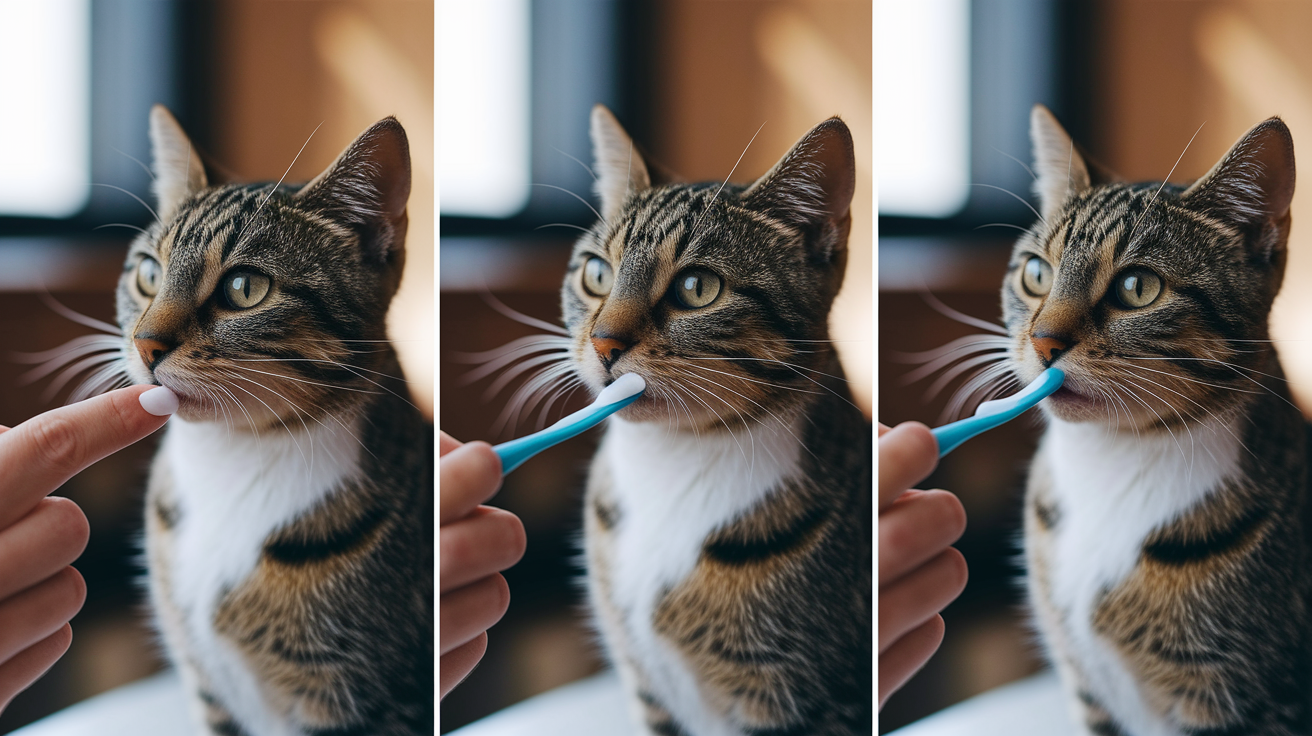
Going straight into brushing usually doesn’t work out. Cats need time to get used to new sensations, especially around their mouth. A slow, reward based introduction builds trust and turns toothbrushing into routine instead of a battle. Plan on spending a few weeks moving through stages. Longer if your cat is older or anxious. The payoff is a cat that tolerates or even cooperates with daily dental care.
Stage 1: Introducing Taste and Touch
Spend the first 1 to 3 days just letting your cat check out the toothpaste. Put a tiny bit on your finger and let them lick it off. Most cats like poultry or fish flavors and will come back for more. Do this once or twice a day for 10 to 20 seconds at a time. If your cat turns away from one flavor, try another. Some prefer beef over chicken or vice versa. Once your cat reliably licks the paste, start gently touching the outside of their mouth and lips with your finger while offering a small taste reward. You’re pairing mouth touching with something pleasant.
Stage 2: Finger Gum Massage and Tooth Simulation
Days 4 to 10 focus on getting your cat used to pressure inside the mouth. Sit together somewhere calm, dab a bit of toothpaste on your finger, and gently lift your cat’s lip to show a few teeth. Massage the gums in small circles for 10 to 30 seconds, then stop and give a treat. Repeat daily, gradually increasing the time and moving from front teeth to the back molars. You can also wrap your finger in a small piece of gauze or use a cotton bud with toothpaste to simulate what a brush feels like. If your cat pulls away, ease up on the pressure and try again tomorrow. Don’t force it. Slow progress is still progress.
Stage 3: Full Brush Introduction and Time Progression
By week 2, bring in the actual toothbrush. Let your cat sniff and investigate it for 30 to 60 seconds before you try using it. Put toothpaste on the brush and touch just a couple of teeth without brushing, rewarding right away. Over the next few weeks, replace those brief touches with short brushing intervals. Start with 10 to 15 seconds per session and build toward 30 to 60 seconds. Focus on the outer surfaces and the gumline, where plaque collects most. Always end the session before your cat gets stressed, even if that means stopping after only five strokes.
Tips to keep desensitization on track:
- Use high value rewards right after each step. A favorite treat, gentle praise, or a few seconds of head scratching.
- Pick a consistent time of day when your cat is naturally calm, often after a meal or play session.
- Create a quiet environment with minimal distractions. No loud noises, other pets, or sudden movements.
- Consider safe restraint options like a soft towel wrap or having a second person gently hold the cat if needed, but don’t pin or force.
Feline Dental Health Basics and Why Brushing Matters

Up to 70 to 85% of cats develop some form of dental disease by the time they turn two years old. That’s not because most cat owners are careless. It’s because plaque forms naturally every day on tooth surfaces, even in healthy mouths. Plaque is a sticky film of bacteria, food particles, and saliva. Left alone, it hardens into tartar (also called calculus) within 24 to 48 hours. Once tartar forms, brushing can’t remove it. Only professional scaling under anesthesia can. Tartar buildup pushes under the gumline, causing gingivitis (red, inflamed gums), then periodontitis (infection and bone loss), and eventually tooth loss or systemic infections that can reach the kidneys, liver, or heart.
Brushing at home interrupts that cycle. Each brushing session removes soft plaque before it mineralizes into hard tartar. The enzymatic action in pet toothpaste keeps breaking down biofilm even after you stop scrubbing, giving you extra protection between sessions. Regular brushing reduces bad breath, keeps gums pink and healthy, and cuts down the frequency of expensive veterinary cleanings. It also gives you a close up look at your cat’s mouth a few times a week, so you’ll notice problems early. Loose teeth, swelling, or bleeding before they become emergencies.
Watch for these warning signs that dental disease may already be present:
- Persistent bad breath lasting more than 1 to 2 weeks. A sour or rotten smell that doesn’t go away after eating.
- Red, swollen, or bleeding gums, especially along the gumline or between teeth.
- Drooling, pawing at the mouth, or rubbing the face against furniture.
- Difficulty eating, dropping food, chewing on one side, or suddenly preferring soft food.
- Loose, broken, or missing teeth, or visible yellow brown tartar buildup on the tooth surfaces.
Establishing a Daily Cat Dental Routine
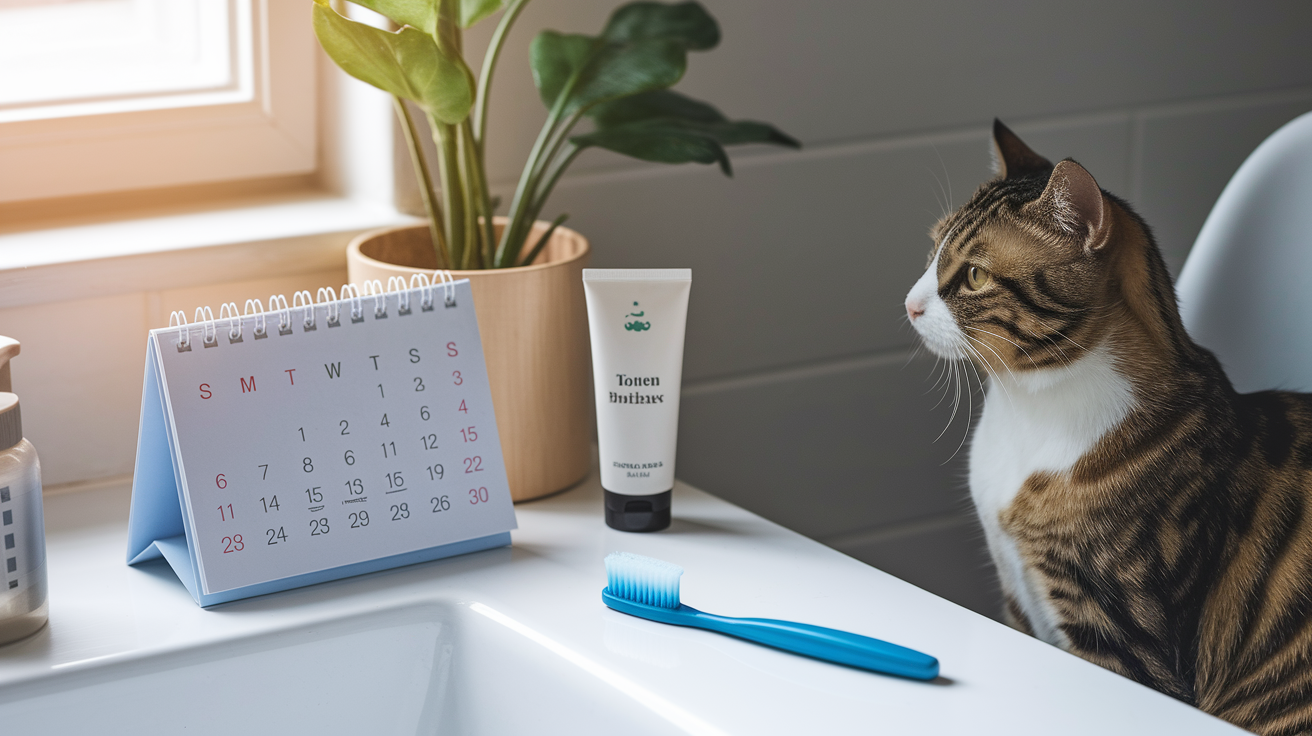
Consistency turns brushing from a chore into a habit. Daily brushing is the gold standard because plaque starts hardening fast. But if that feels unrealistic with your schedule or your cat’s tolerance, aim for at least three times per week. Pick a time that fits naturally into your day. Right after breakfast, before bedtime, or just after a play session when your cat is a little tired and more cooperative. Keep all your supplies in one spot so you’re not hunting for the toothbrush when it’s time to start.
As you build the routine, track what’s working. Note how long each session lasts, which teeth you covered, and how your cat responded. Over a few weeks you should see improvements. Less redness along the gumline, reduced odor, and fewer moments where your cat drops food or chews awkwardly. Those small wins confirm that brushing is making a difference, even if tartar was already present before you started.
| Frequency | Time per Session | Expected Improvements |
|---|---|---|
| Daily (ideal) | 30–60 seconds | Minimal plaque buildup, healthy pink gums, fresh breath, reduced tartar formation |
| Every other day | 30–60 seconds | Slower plaque accumulation, moderate gum health, noticeable reduction in odor |
| 3 times per week (minimum) | 30–60 seconds | Some plaque control, partial tartar prevention, better than no brushing |
| Less than 3 times per week | Variable | Limited benefit; tartar may still form; consider adding dental treats or water additives |
Helpful Alternatives When Cats Won’t Tolerate Brushing
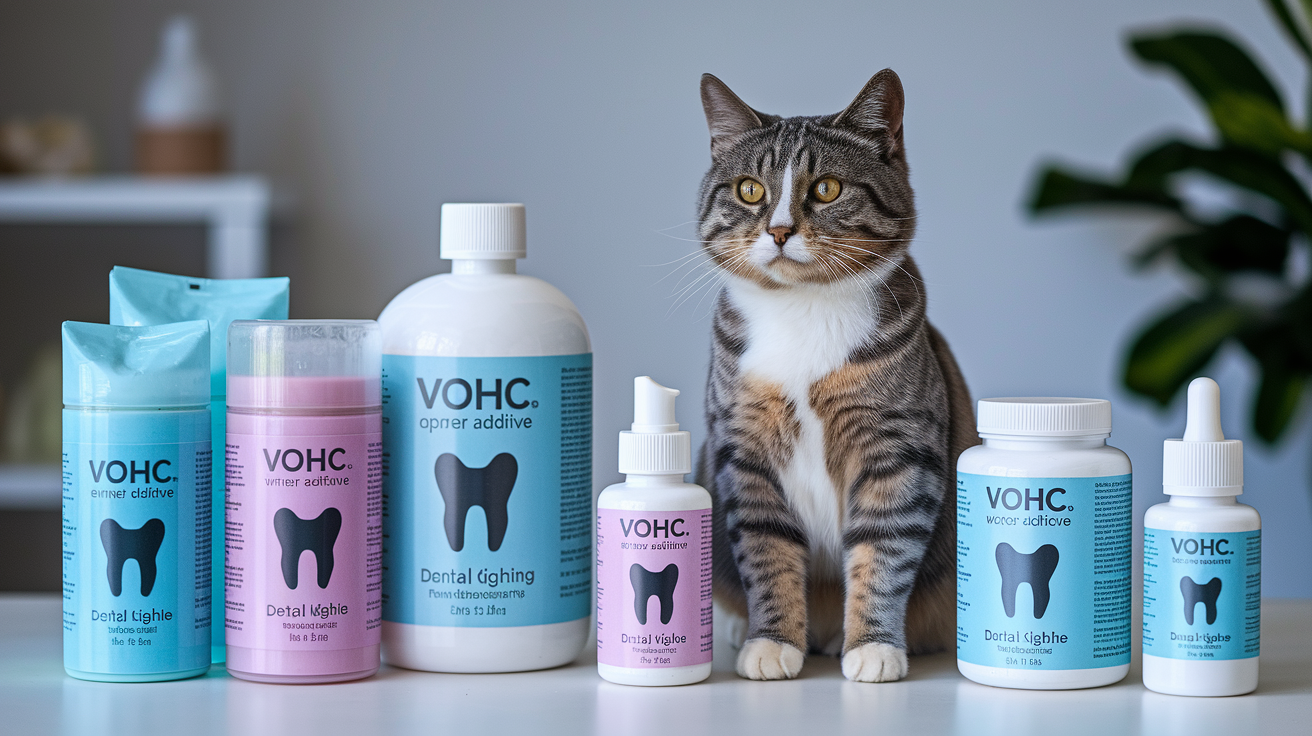
Not every cat will accept a toothbrush, no matter how patient and gradual you are. If you’ve spent weeks on desensitization and your cat still panics or bites, it’s time to look at Plan B options. These alternatives are less effective than daily brushing, but they’re way better than doing nothing. Think of them as backup tools that reduce plaque and tartar accumulation, even if they can’t eliminate it entirely.
- Dental wipes: Pre moistened gauze pads designed to rub across tooth surfaces. You wrap one around your finger and wipe the outside of the teeth along the gumline. Dental wipes cost around $6 to $20 per pack and work well for cats that tolerate mouth touching but hate the brush.
- Enzymatic water additives: Liquid supplements you add to your cat’s drinking water. The enzymes help break down plaque as your cat drinks throughout the day. Typical cost is $8 to $25 per bottle. Effectiveness varies. Some cats drink less if the water tastes different.
- VOHC approved dental treats and chews: Look for products with the Veterinary Oral Health Council seal. These treats are made to scrape plaque as your cat chews. They’re convenient but shouldn’t replace brushing or professional care.
- Dental specific kibble: Some prescription or over the counter dry foods have larger kibble sizes and textures that mechanically clean teeth. Ask your vet if a dental diet fits your cat’s overall health needs.
- Applying toothpaste to dry food or chews: Smear a small amount of enzymatic toothpaste onto a dental treat or a piece of dry food. The paste rubs against teeth as your cat chews, delivering enzymatic action without a brush.
- Dental gels: Gels you apply directly to the gumline with your finger or a small applicator. They work similarly to toothpaste but don’t require scrubbing. Check labels for enzymatic formulas and xylitol free ingredients.
- Chew toys with textured surfaces: Rubber or fabric toys designed to massage gums and scrape plaque. These are more about enrichment than true plaque removal, but they can help a little if your cat actually chews them.
When Cats Need Professional Dental Care
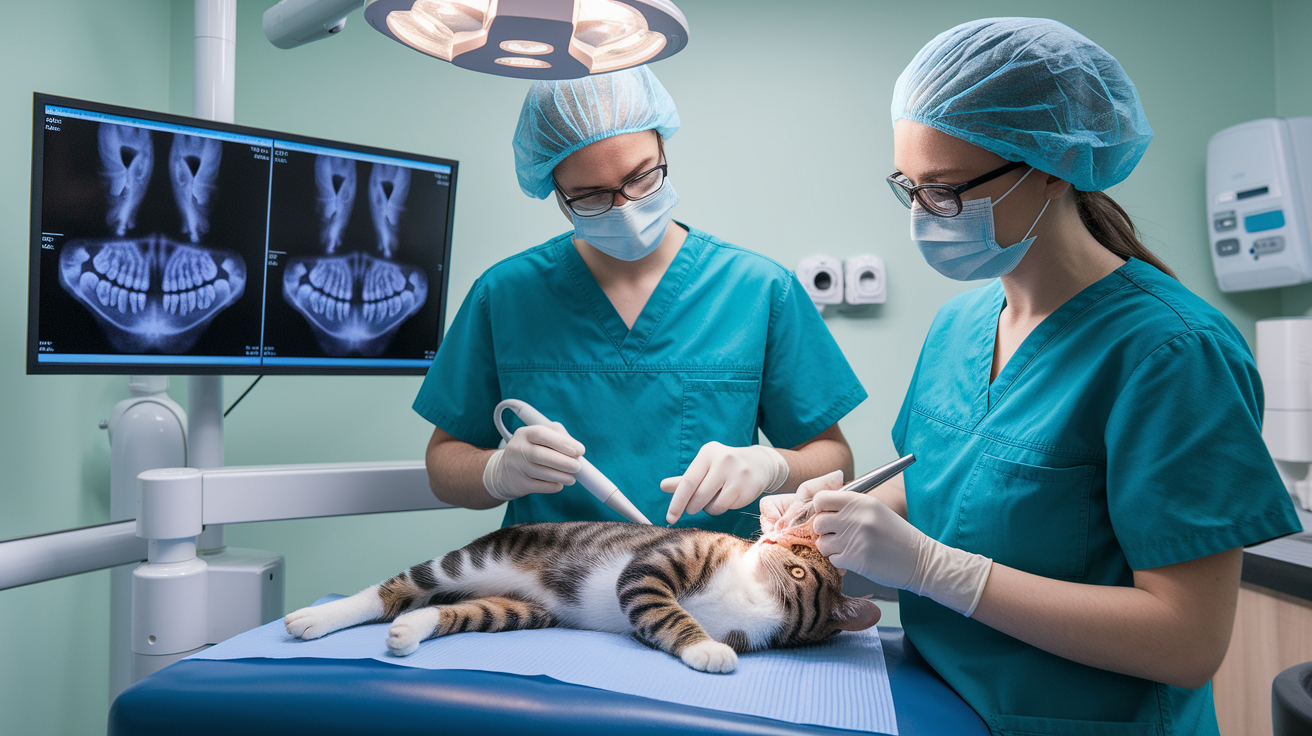
Home brushing prevents new plaque from hardening, but it can’t reverse existing tartar or treat periodontal disease. If your cat already has yellow brown buildup along the gumline, inflamed gums, or persistent bad breath, a veterinary dental cleaning is the necessary first step. After that, daily brushing maintains the clean slate and delays the need for another professional cleaning.
A professional dental cleaning happens under general anesthesia because cats won’t hold still for the procedure and because thorough cleaning requires going below the gumline, an area too sensitive to touch while awake. Cost varies widely depending on your location, the severity of disease, and whether extractions or advanced treatments are needed. Expect a range of roughly $300 to $1,500 or more. Your vet will run pre anesthetic bloodwork to check kidney and liver function, then use specialized instruments to scale tartar, polish enamel, and take dental x rays to assess bone health and hidden problems below the gumline.
Contact your vet right away if you notice any of these red flags: persistent bad breath that doesn’t improve with brushing, drooling or excessive salivation, difficulty eating or sudden refusal of hard food, pawing at the mouth or rubbing the face, loose or fractured teeth, bleeding gums that don’t stop after a few brushing sessions, facial swelling, or sudden weight loss. These can signal advanced periodontal disease, abscesses, oral tumors, or systemic infections that need immediate attention.
What Happens During a Professional Dental Cleaning
Your cat arrives at the clinic in the morning and receives anesthesia after a thorough exam and bloodwork review. Once asleep, the veterinary team takes full mouth x rays to see the roots, bone, and any hidden disease. Next, they use ultrasonic scalers to remove tartar from above and below the gumline, reaching areas a toothbrush can’t touch. After scaling, they polish each tooth to smooth the enamel, which makes it harder for new plaque to stick. If any teeth are loose, fractured, or severely infected, the vet will extract them during the same procedure. Your cat wakes up in recovery, goes home the same day or the next morning, and may need pain medication and soft food for a few days. Wait until the mouth is fully healed, usually 7 to 14 days, before you start brushing again. During that healing window, focus on monitoring eating behavior and keeping your cat comfortable, not on dental hygiene.
Final Words
Gather a soft brush, pet-safe enzymatic toothpaste, and begin with 10–15 second taste-and-touch sessions. Gradually work toward 30–60 second brushes, aiming for gentle 5–10 strokes on the outer tooth surfaces.
Use the step-by-step routine: lift the lip safely, keep sessions calm, and end while your cat is relaxed. If brushing isn’t possible, dental wipes, water additives, or treats can help short term.
Watch for bad breath, drooling, bleeding, or trouble eating and call your vet if those appear. With steady, short practice you can learn how to brush cat teeth and keep your cat comfortable.
FAQ
Q: Are you supposed to brush a cat’s teeth?
A: You are supposed to brush a cat’s teeth. Daily brushing is ideal; at least 2–3 times weekly helps reduce plaque before it hardens into tartar. Call your vet for bad breath, drooling, bleeding, or eating trouble.
Q: How do I brush my cat’s teeth at home? / How to brush cats’ teeth when they won’t let you?
A: To brush your cat’s teeth, use a soft cat brush and pet-safe enzymatic toothpaste. Start with 10–15 second sessions, 5–10 gentle strokes on outer surfaces, reward after. If resistant, desensitize taste, try a towel hold, or use safe alternatives; call your vet for pain or aggression.
Q: What is the 3 3 3 rule for brushing teeth?
A: The 3 3 3 rule for brushing teeth is not a standard cat guideline; instead aim for daily brushing or at least 2–3 times weekly, working up to 30–60 seconds per session. See a vet for persistent gum problems.