

Think your pet is causing your sneezing and itchy eyes?
It may be. But the only way to know is to track what happens day by day.
This quick guide shows how a simple nightly log can turn vague worry into clear patterns in two weeks.
You’ll get a step-by-step way to record exposures, rate symptom severity, and spot the rooms or activities that most often trigger reactions.
Start tonight and you may already have useful data in ten to fourteen days to share with your doctor or allergist and to guide next steps at home.
Quick‑Start Framework for Tracking Pet Allergy Symptoms

Daily symptom tracking turns vague worry into clear patterns. When you write down what happened, where, and what symptoms followed, you’re building a timeline that shows connections you’d otherwise miss. A simple log started today can give you enough data to guide testing, medication decisions, or lifestyle changes in two to four weeks.
Start the same day symptoms show up. Record everything at roughly the same time each evening so you capture the full day. The stuff that matters most: date and time of each symptom episode, what you did near the pet (grooming, sleeping in the same room, petting), which room you were in, the specific symptoms you felt (itchy eyes, sneezing, wheezing), and how bad each one was on a 0–3 scale. Starting right away builds the habit before you lose steam.
You don’t need fancy software. A notebook, phone note, or blank spreadsheet works fine. The goal is daily entries, not perfection. Forget a day? Just pick up the next evening.
Quick‑start plan (five steps to begin today):
- Open a notebook or create a new spreadsheet with columns for date, time, pet interaction, location, symptoms, and severity (0 = none, 1 = mild, 2 = moderate, 3 = severe).
- Before bed tonight, write your first entry covering any symptoms you noticed today and what you did around the pet.
- Set a daily phone reminder for the same time each evening.
- Each day, note one exposure detail (examples: “groomed dog 20 minutes,” “cat slept on pillow last night,” “walked into living room where cat naps”).
- Keep going for at least two weeks. Patterns usually show up around day ten to fourteen.
Identifying Pet‑Related Allergy Symptoms Clearly

Pet allergies happen when your body reacts to proteins in dander (flakes of dead skin), saliva, and urine. These proteins stick to fur and surfaces, then go airborne or transfer when you touch the animal. Your immune system releases histamine and other chemicals, which inflame your nose, eyes, airways, or skin. Symptoms vary day to day depending on how much allergen is in the air, how long you were exposed, and whether you touched your face after handling the pet.
Why do symptoms fluctuate? Because allergen levels shift. A freshly groomed dog releases more dander for hours afterward. A room that hasn’t been vacuumed in days has higher concentrations floating around. Seasonal humidity and indoor heating also affect how much dander becomes airborne, which is why reactions can get worse in winter when windows stay shut.
Key signs pointing to pet allergies:
• Itchy, watery, or red eyes that get worse when the pet is nearby
• Sneezing or runny nose starting within minutes of petting the animal
• Nasal congestion that clears when you leave the house for several hours
• Scratchy throat or persistent cough triggered by time in rooms where the pet sleeps
• Wheezing or shortness of breath during or after close contact
• Hives, red patches, or itchy skin at contact points (hands, arms, face)
• Worsening asthma symptoms (chest tightness, difficulty breathing) around the pet
• Post‑nasal drip or sinus pressure that gets worse overnight if the pet sleeps in the bedroom
Choosing an Effective Symptom Tracking Method

Paper logs work when you want something portable and always available. A small notebook on your nightstand or in your bag means you won’t lose data to a dead phone battery. Handwritten entries let you add quick sketches or arrows linking observations, and some people remember better when they write by hand. Downside? Manual analysis. Spotting trends means flipping back through pages and tallying symptoms yourself.
Digital spreadsheets give you filtering, sorting, and basic charts without needing specialized apps. You can create columns for every variable (date, pet name, room, activity, symptom, severity, weather, medications taken), then use filters to view only days with severe reactions or only entries after grooming. Simple formulas calculate average severity per week or count how many times sneezing appeared after bedroom exposure. Most spreadsheet tools sync across devices, so you can log on your phone and review on a computer. Learning curve is low if you’re comfortable with basic tables.
Mobile apps designed for allergy or health tracking add automation. Many include reminders, photo attachments for skin reactions, and time‑stamped GPS tags noting your location during symptom onset. Export features let you send a formatted PDF to your doctor without reformatting data manually. Some apps pull in weather or pollen data to show correlations you might miss. The trade‑off? App fatigue. If you already juggle multiple health or reminder apps, adding another can feel like too much, and switching apps later might mean losing your history.
Using Templates and Tools for Accurate Logs

Ready‑made templates guide consistent entries by giving you labeled fields for every important detail. Structured fields cut down decision fatigue. You don’t wonder what to write because the template prompts you for symptom severity, exposure type, and duration. Pre‑built columns also make analysis faster. When every entry uses the same format, you can sort, compare, and see patterns without cleaning up messy notes.
Templates work for paper and digital. Print a blank daily log sheet and fill one row each evening, or download a spreadsheet template and enter data in matching cells. Either way, you’re capturing enough context to spot what changed before symptoms appeared.
| Field Name | Purpose |
|---|---|
| Date & Time | Anchor every entry to a specific moment so you can track timing patterns and symptom onset delays. |
| Pet Interaction | Describe what you did (petted, groomed, played, slept near) and for how long to identify high‑risk activities. |
| Environment / Location | Note the room or setting (bedroom, living room, car, outdoor park) to reveal where allergen concentrations are highest. |
| Symptoms Experienced | List each symptom separately (itchy eyes, sneezing, wheezing) rather than bundling them, so you can count frequency later. |
| Severity Score (0–3) | Rate intensity (0 none, 1 mild, 2 moderate, 3 severe) to measure whether reactions are improving or worsening over time. |
| Medications or Actions Taken | Record any antihistamine, nasal spray, or environmental change (opened windows, vacuumed) and the time, to see what helps. |
Correlating Symptoms With Pet Exposure

Analysis starts once you’ve got ten to fourteen days of entries. Look for repeated sequences: symptom type and severity following a specific activity, location, or time of day. Patterns usually pop up when symptoms worsen after direct handling, grooming, sleeping near pets, or entering rooms with built‑up dander. They might also get worse seasonally or with cleaning activities that stir allergens into the air. Finding these links tells you which exposures to cut back on first.
Compare entries where symptoms were bad against entries where they were mild or absent. Note differences in pet interaction duration, room ventilation, recent vacuuming, or whether you washed your hands before touching your face. Small variables can swing symptom intensity big time. A pet that spent the night on your bed might leave enough dander to trigger morning congestion, while brief petting in a well‑ventilated room produces nothing.
Lag windows matter. Some symptoms show up within minutes (sneezing, itchy eyes), while others take hours (nasal congestion, post‑nasal drip, asthma flare). If symptoms spike every evening, check what you did two to four hours earlier. If they peak overnight, review bedroom conditions and whether the pet got on your bedding during the day. Delayed reactions can hide the real trigger if you only look at the hour before symptoms start.
Common correlation patterns to watch for:
• Symptoms show up within thirty minutes of grooming or brushing the pet
• Reactions get worse on days the pet sleeps in your bedroom versus nights it sleeps elsewhere
• Sneezing or eye irritation increases in one room (usually where the pet spends most time) but not others
• Symptoms spike after vacuuming, dusting, or changing bedding (activities that release settled dander into the air)
• Severity goes up during high‑humidity days when dander becomes heavier and stays airborne longer
• Reactions improve after the pet’s been bathed or after you spend several hours away from home
Distinguishing Symptoms From Other Health Conditions
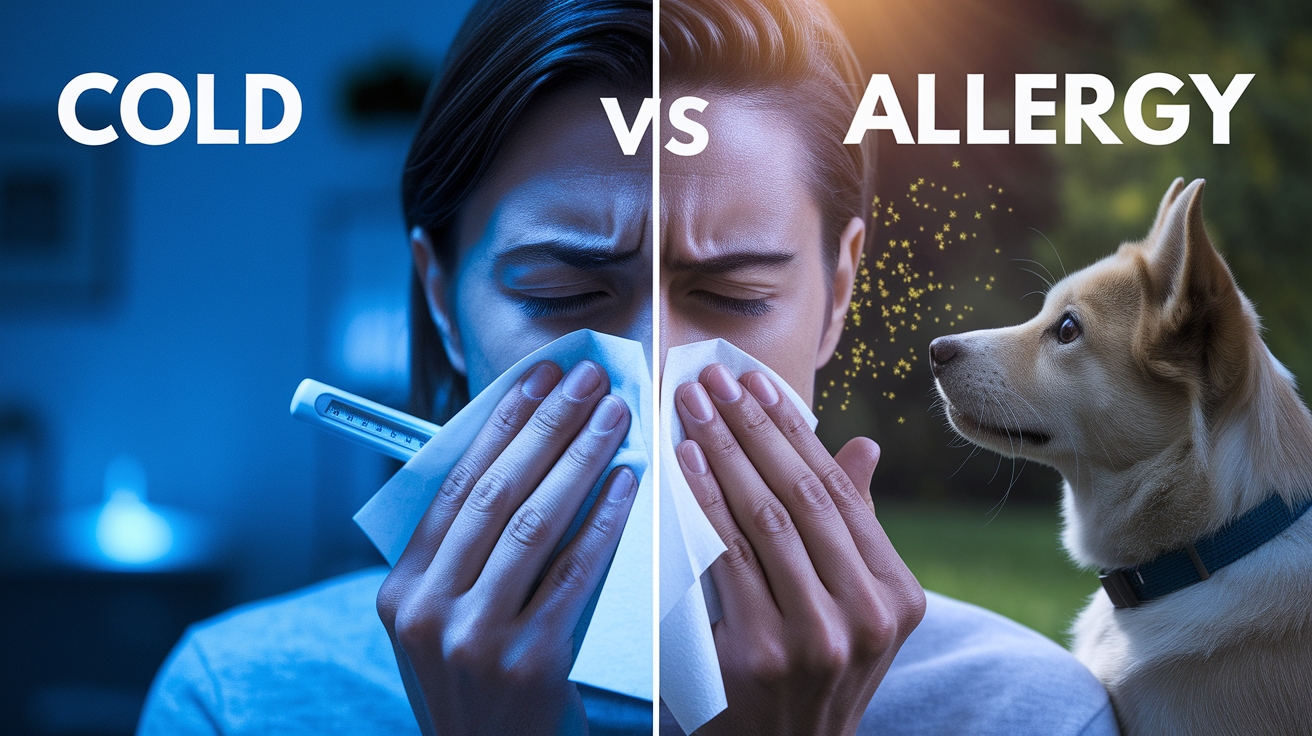
Colds clear up in seven to ten days. Allergies stick around or come back. Allergies rarely cause fever, but infections do. If your temperature goes above 100°F (37.8°C) or you get body aches, suspect a virus instead of an allergic reaction. Allergy symptoms also respond fast to antihistamines, usually within thirty to sixty minutes. Cold symptoms don’t budge with allergy meds.
Timing’s another clue. Allergy symptoms tied to pet exposure appear soon after contact and fade when you leave for several hours. A cold starts gradually, peaks over two to three days, and tapers slowly no matter where you are. Seasonal allergies (pollen, mold) follow outdoor patterns and calendar months, but pet allergies stay present year‑round if the pet lives with you. If your logs show symptom improvement every time you travel away from home for a weekend, that pattern points to environmental allergens, not a passing infection.
Preparing Your Tracking Data for a Healthcare Provider

Organized symptom records save appointment time and guide accurate testing. Doctors use symptom timelines, exposure relationships, and severity trends to decide which tests to run (skin‑prick or IgE blood tests). A well‑prepared summary shows the doctor which allergens to prioritize and whether your reactions are mild (manageable with lifestyle tweaks) or severe enough for prescription meds or immunotherapy.
Print or export your logs before the visit. Highlight entries where symptoms were worst and circle any notes about what made symptoms better or worse. Doctors like concise summaries more than raw data. A one‑page overview of peak symptom days, suspected triggers, and medication responses will get read. Thirty pages of unfiltered entries might not.
What to bring to an allergy appointment:
- Printed or digital symptom log covering at least two to four weeks, with date, symptom type, severity score, and pet‑exposure details for each entry.
- Photos of any visible skin reactions (hives, rashes, red patches) with dates noted, so the provider can check severity even if the rash cleared by appointment day.
- A summary of severity patterns. Note which days had the highest scores, what activities or locations came before them, and whether symptoms improved on days with no pet contact.
- Medication response notes. Record which over‑the‑counter antihistamines or nasal sprays you tried, the dose, when you took them, and whether they cut symptoms within an hour.
- List of possible triggers beyond the pet. Include other animals you encountered, recent changes in cleaning products, new furniture or bedding, and any other exposures that lined up with symptom spikes.
Final Words
Start logging today: note date, time, exposure, symptoms, and severity so you can spot patterns fast.
This post gave a quick-start plan, clear signs to watch for, options for tracking tools and templates, tips on linking symptoms to pet exposure, and how to organize what to bring to your vet.
Use this pet allergy symptom tracking guide as a simple routine, check entries daily for a week, and share clear notes or photos with your vet if problems continue. You’re taking a calm, useful step to help your pet feel more comfortable.
FAQ
Q: How do I start tracking my pet allergy symptoms today?
A: To start tracking pet allergy symptoms today, record date/time, exposure (who, where, activity), environment, exact symptoms and severity, any medications, and a one-line response note. Use a simple checklist daily.
Q: What are common pet allergy symptoms to look for?
A: Common pet allergy symptoms include sneezing, nasal congestion, itchy or watery eyes, coughing, wheezing, skin redness or rash, hives, and worsening asthma or shortness of breath after pet contact.
Q: How can I tell if symptoms are from a pet or something else?
A: You can tell pet-related symptoms by timing—if they appear or worsen within minutes to hours after pet contact, recur with exposure, and there’s no fever; colds usually include fever and clear in 7–10 days.
Q: Which tracking method is best: paper, spreadsheet, or app?
A: The best tracking method depends on you: paper is quick and low-tech, spreadsheets let you sort and filter, and apps add timestamps and reminders—choose the one you’ll use consistently every day.
Q: What should I include in a symptom-tracking template?
A: A good template includes date/time, exposure details (pet, activity), location and environment, specific symptoms, a severity scale, medications given, and a brief note on response or improvement.
Q: How do I find correlations between pet exposure and my symptoms?
A: You find correlations by matching timestamps and exposures—look for repeat worsening after handling, grooming, sleeping near pets, or cleaning that stirs dander, and watch for the same pattern over multiple days.
Q: How long should I track before seeing patterns and when should I contact a vet?
A: You should track daily for 2–4 weeks to see patterns; bring logs, photos, and medication notes to your vet sooner if you notice breathing trouble, severe swelling, repeated vomiting, blood, collapse, or rapid worsening.