

What if you could teach your dog’s immune system to stop the itch instead of just masking it?
Allergy immunotherapy for dogs does exactly that: it trains the immune system to tolerate triggers like pollen, mold, and dust mites.
It’s not a quick fix. It’s a months-long plan that often reduces how much medication your dog needs.
Here I’ll explain how immunotherapy works, compare injections versus sublingual drops, cover costs and likely side effects, and give clear red flags that mean you should call your vet.
What Immunotherapy Does for Dogs With Allergies

Immunotherapy trains your dog’s immune system to stop freaking out over things like pollen or dust mites. It’s not a quick fix. This is a long game, working on the actual cause of atopic dermatitis (that’s allergic skin disease from stuff in the air or things your dog touches) instead of just calming symptoms down for a few hours.
Your dog gets tiny, carefully measured doses of whatever they’re allergic to. Could be ragweed, mold spores, dust mites. The doses increase slowly over months. Eventually, the immune system learns to chill out when it meets these triggers.
Vets usually suggest this for dogs who itch constantly, get ear infections over and over, or have brutal seasonal flare-ups that don’t budge with normal meds. It’s also good for dogs who can’t handle steroids long term or when you’re trying to avoid stuffing your dog with daily pills forever.
It won’t cure allergies. But it can seriously dial down how often and how bad the symptoms get. Some dogs end up needing way less medication, sometimes almost none.
What you get out of it:
- Goes after the immune response itself, not just the itch
- Cuts down or gets rid of the need for steroids or antihistamines you’d otherwise give every day
- Safe to use for years without the nasty side effects that come with long term drugs
- Can make life way more comfortable for dogs dealing with moderate to severe environmental allergies
How Allergen Immunotherapy Works

When your dog’s allergic to something harmless like ragweed pollen, the immune system acts like it’s under attack. It dumps histamine and other chemicals into the body, and that’s what causes the itching, swelling, redness, all of it. Immunotherapy cuts into that cycle by exposing the immune system to the allergen in super controlled, really small amounts. Over time, the body stops treating it like a threat.
Treatment starts with extremely low doses. These get delivered either through injections under the skin or drops you put under your dog’s tongue. Every few days or weeks, the dose goes up a little, following a schedule that’s built to teach tolerance without setting off a big reaction. This part’s called the build-up phase or induction phase. Usually takes a few months.
Once your dog hits the maintenance dose, they keep getting that same amount on a regular schedule. Could be every week, could be once a month, depends on the method. Progress is slow. Most dogs start showing real changes somewhere between three and six months in, though some take longer. The immune system doesn’t just flip. It adjusts gradually, cutting down inflammation and itching bit by bit.
Types of Immunotherapy: Injections vs. Sublingual Drops
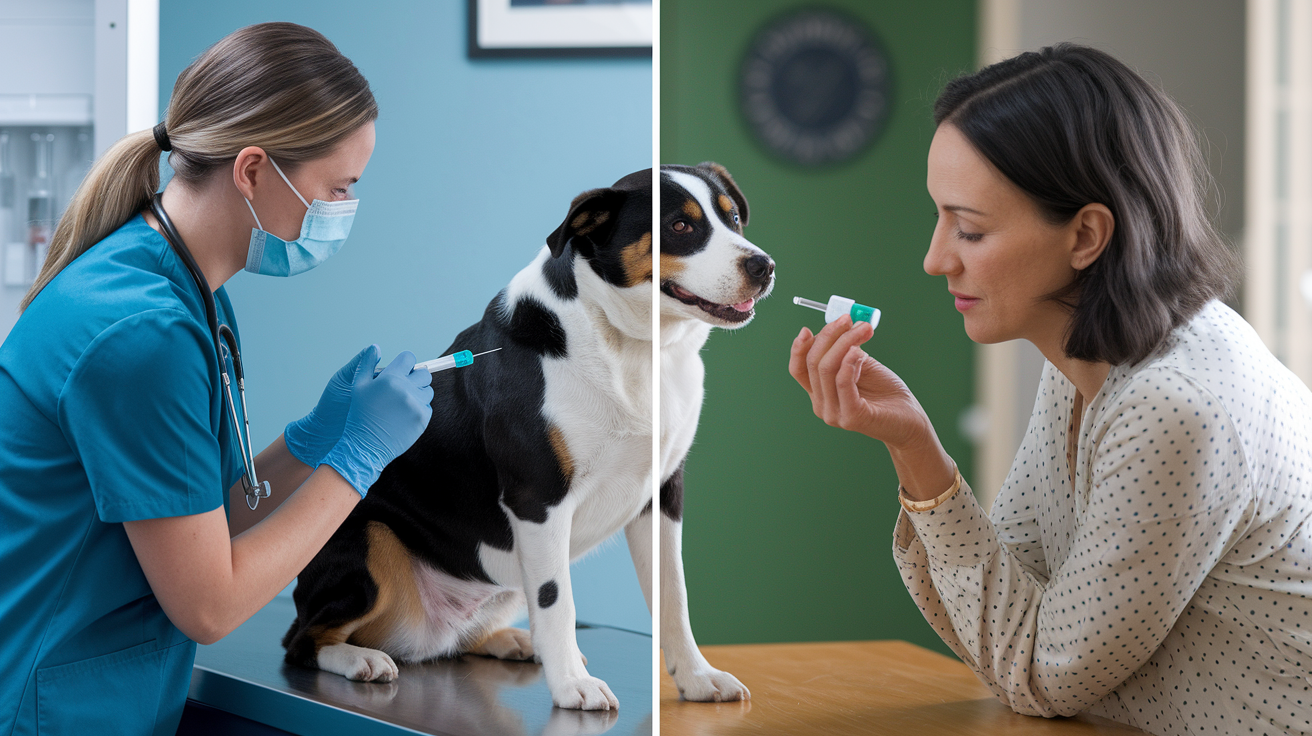
There are two main ways to give immunotherapy. Subcutaneous injections (SCIT) and sublingual drops (SLIT). Both use the same allergen extracts, customized to whatever your dog reacts to, but how you give them and how often is different.
Subcutaneous injections are the old-school method. A vet or a trained owner gives small injections under the dog’s skin, usually between the shoulder blades. During build-up, injections might happen every other day or a few times a week. Once you hit maintenance, it drops to once every one to four weeks. Lots of owners learn to do this at home after watching it done at the clinic a few times. SCIT has the most research backing it up and tends to work better in studies, but you’ve got to be okay with needles.
Sublingual drops go directly into the dog’s mouth, usually under the tongue or along the gums, once or twice a day. The allergens get absorbed through the mucous membranes. SLIT is easier if you’re not comfortable with needles and tends to stress dogs out less. You give it at home without needing a vet visit each time. But the dog’s mouth has to be empty. No food or treats for at least 30 minutes before and after, which can get annoying in a busy house.
Main differences:
- SCIT needs fewer doses per month but involves injections
- SLIT is needle-free but you’re dosing daily and dealing with that empty mouth rule
- SCIT has stronger proof that it works
- SLIT might be safer for dogs who’ve had bad reactions to injections
- Both take months before you see results
| Method | Frequency | Typical Use Case |
|---|---|---|
| Subcutaneous injections | Every 1–4 weeks (maintenance) | Dogs with severe symptoms; owners comfortable with injections |
| Sublingual drops | Once or twice daily | Dogs stressed by injections; owners preferring at-home dosing |
Effectiveness and Success Rates
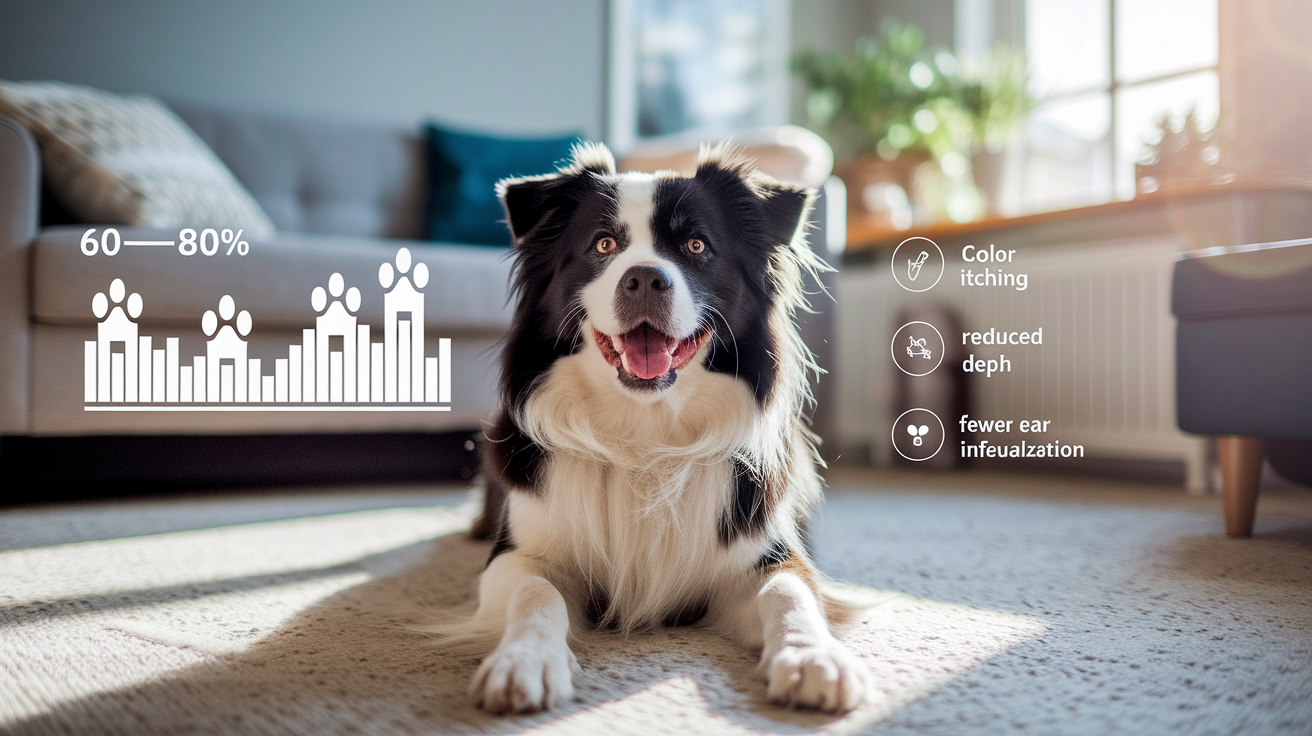
Between 60 and 80 percent of dogs with environmental allergies respond well to immunotherapy, according to clinical studies. “Respond well” means the itching drops, ear infections happen less, redness fades, and your dog’s just more comfortable. Some dogs get to the point where they barely need anything else. Others still need an antihistamine here and there or a topical treatment during peak season, but way less than before.
Full results don’t show up overnight. Most dogs start improving after three to six months of sticking with the therapy, but the biggest changes often come closer to the one year mark. A few dogs respond faster, within a couple months. Others take 12 or even 18 months to really turn a corner. Younger dogs usually respond a little better than older ones, probably because their immune systems are more flexible.
Not every dog responds. About 20 to 40 percent see little to no improvement even after a full year. If that happens, your vet might tweak the allergen mix, adjust the dosing schedule, or look at other options. Immunotherapy only works for environmental triggers like pollen, mold, dust mites, certain insects. If your dog’s itching because of chicken or fleas, this won’t help.
Costs and Long-Term Value

Once you’re in the maintenance phase, immunotherapy usually runs between $300 and $800 per year. That range depends on whether you’re doing injections or drops, how often you need doses, and whether you’re giving them at home or driving to the vet each time. Sublingual drops tend to land somewhere in the middle. Injections can swing either way based on the formula and where you live.
Before treatment kicks off, there’s an upfront cost for allergy testing. Intradermal skin testing, which is the most accurate, usually costs $200 to $400, depending on the clinic and how many allergens they test for. Blood tests (serum IgE tests) are sometimes used instead and cost about the same. Once the specific allergens are nailed down, a custom serum or drop formula gets made for your dog. That first batch is typically included in the first year’s cost.
Over time, immunotherapy can actually save you money if it cuts down or wipes out the need for chronic medications. Apoquel, Cytopoint injections, long term steroids, those can easily run $500 to $1,500 or more per year, especially for bigger dogs. If immunotherapy gets symptoms under control, you might be able to stop those drugs or cut way back.
Typical cost breakdown:
- Initial allergy testing: $200–$400
- First year treatment serum or drops: $400–$600
- Maintenance therapy per year: $300–$800
- Reduced medication expenses over time: potential savings of $500+ annually
Risks and Side Effects
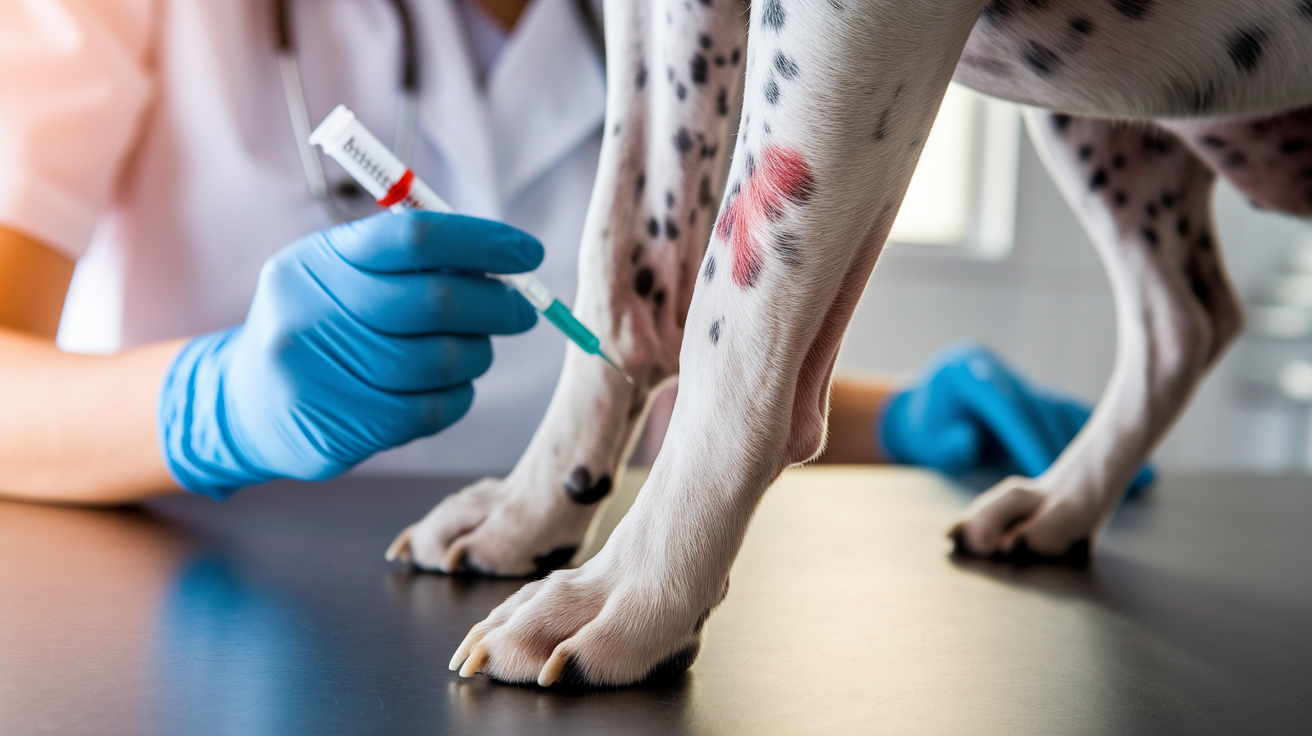
Most dogs handle immunotherapy without any problems. The treatment uses natural allergen extracts in very small, controlled amounts, so serious reactions are rare. The most common side effect with injections is mild redness, swelling, or itching at the injection site. This usually goes away within a few hours and doesn’t need treatment. If it keeps happening, your vet might slow down the dose increases or adjust the formula.
Sublingual drops have even fewer side effects. Some dogs drool a bit more right after dosing, or occasionally show mild mouth irritation, but most don’t react at all. Because the allergens absorb slowly through the mouth instead of getting injected straight into the body, the risk of a sudden, strong reaction is lower.
Systemic reactions, where the whole body responds, are uncommon but possible. Signs include hives, facial swelling, vomiting, trouble breathing, or sudden lethargy. These tend to happen during the build-up phase when doses are increasing. If you see any of this within a few hours of a dose, contact your vet right away. This is why the first few injections usually happen at the clinic, so the team can watch your dog for 20 to 30 minutes afterward. Once your dog’s been stable on a dose for a while, giving it at home becomes safe.
Diagnosing Allergies Before Treatment

You can’t start immunotherapy without knowing exactly what your dog’s allergic to. The treatment gets custom built around the specific allergens triggering symptoms, so accurate testing matters. Two main testing methods are used: intradermal skin testing and serum IgE blood testing.
Intradermal testing is the gold standard. Your dog gets sedated (lightly, just enough to stay calm and still), and tiny amounts of individual allergens get injected into the skin, usually along the side of the chest. Within 15 to 20 minutes, small raised bumps show up at the sites where your dog reacts. The size of each bump shows how sensitive your dog is to that allergen. This test happens at a veterinary dermatology clinic and gives very accurate results. It picks up specific pollens, grasses, molds, dust mites, and insects.
Blood testing measures allergen-specific IgE antibodies in a blood sample. It’s less invasive, doesn’t need sedation, and can be done at your regular vet’s office. But blood tests don’t always match what’s happening on your dog’s skin. A dog can have high IgE levels to an allergen but not show clinical signs, or the opposite. React strongly on the skin but test low in the blood. Most veterinary dermatologists prefer intradermal testing when planning immunotherapy, but blood tests can be useful if sedation isn’t safe or if intradermal results are unclear.
Common testing methods:
- Intradermal skin testing: small allergen injections under sedation; results in 15–20 minutes
- Serum IgE blood test: measures antibodies in a blood sample; no sedation required
- Combined approach: sometimes both tests are used to confirm results
Treatment Duration and What Owners Should Expect
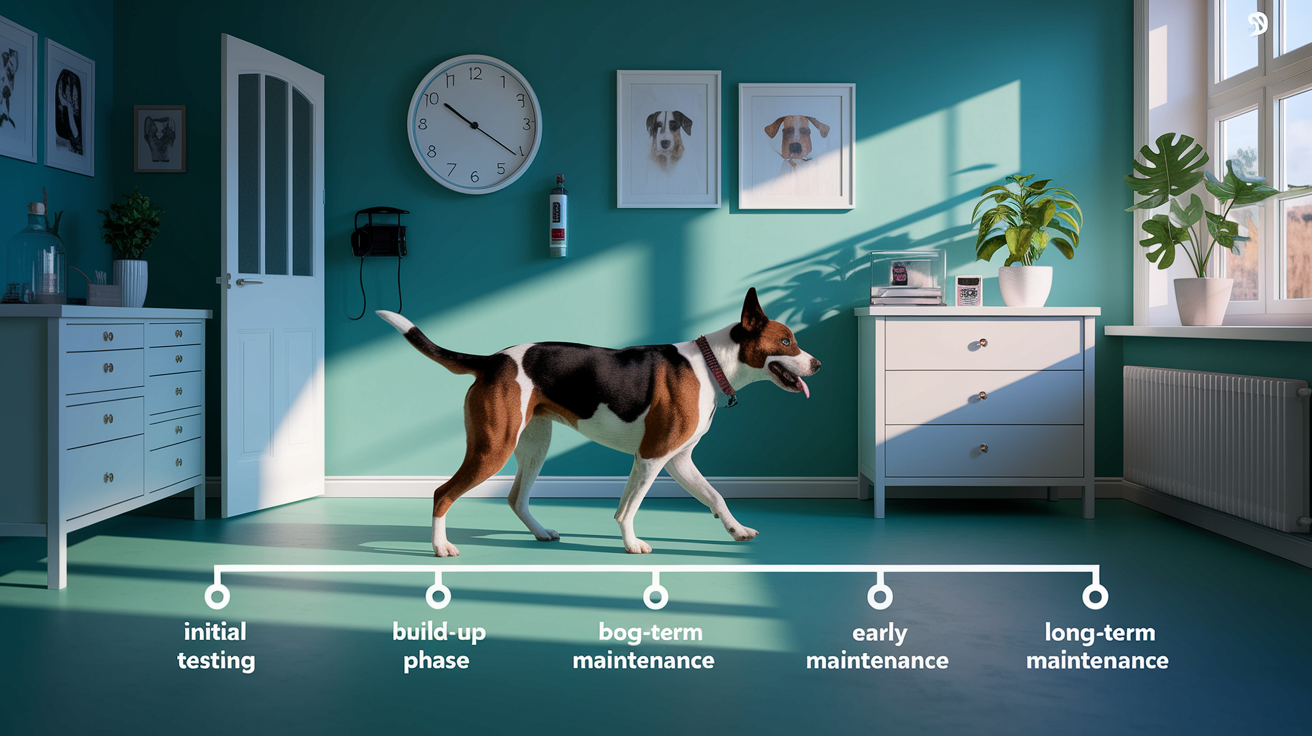
Immunotherapy is a long term commitment. It’s not quick, and it needs consistency. Most dogs stay on maintenance therapy for years, sometimes for life, especially if allergies are severe or year-round. The treatment follows a predictable pattern, but every dog moves through it at a slightly different pace.
Here’s the typical timeline:
-
Initial testing and formulation (Weeks 1–2). Your dog goes through allergy testing, and a custom serum or drop formula gets prepared based on the results.
-
Build-up phase (Months 1–6). Doses start very low and increase gradually, every few days or every week, depending on the protocol. During this phase, your dog may still need other medications to control itching and inflammation.
-
Early maintenance (Months 6–12). Once the target dose gets reached, the frequency of injections or drops adjusts to a regular schedule. You may start noticing real improvement in symptoms during this window.
-
Long term maintenance (1 year and beyond). If the therapy’s working, your dog keeps receiving the maintenance dose, and other medications get slowly reduced or stopped. If there’s no improvement after 12 months, your vet may adjust the formula, try a different method, or consider stopping immunotherapy.
Owners should expect to track symptoms carefully during the first year. Keep notes on itching frequency, ear infections, skin redness, any flare-ups. That information helps your vet fine tune the treatment plan and decide when it’s safe to wean off other medications.
Immunotherapy vs. Antihistamines and Steroids
Antihistamines and steroids work fast. They calm itching, reduce inflammation, and give your dog relief within hours or days. But they don’t change what’s happening underneath. As soon as you stop the medication, the allergic reaction comes roaring back. Immunotherapy takes the opposite approach. It’s slow, it takes months of patience, but it actually changes how the immune system responds to allergens. Over time, the allergic reaction itself gets weaker.
Steroids like prednisone are powerful anti-inflammatory drugs. They’re often used during severe flare-ups or while waiting for immunotherapy to start working. But long term steroid use can lead to weight gain, increased thirst and urination, higher risk of infections, and in some cases, diabetes or liver changes. Immunotherapy avoids those risks because it doesn’t suppress the immune system. It retrains it.
Antihistamines like Benadryl or Zyrtec are safer for long term use but often give only mild relief. They work best for dogs with occasional, mild itching. For moderate to severe allergies, antihistamines alone usually aren’t enough. Many dogs on immunotherapy keep using antihistamines during the first year of treatment, then gradually stop once the immune tolerance builds.
Key comparisons:
- Steroids: fast symptom relief, but risk of side effects with long term use
- Antihistamines: safer long term, but often incomplete relief
- Immunotherapy: slow to work, but modifies the immune response and reduces medication dependence
- Newer drugs (Apoquel, Cytopoint): effective for symptom control but don’t address the root cause
- Cost over time: chronic medications can exceed immunotherapy costs after the first year
- Combination approach: many dogs use medications during the immunotherapy build-up phase, then taper off
Which Dogs Are Good Candidates?

Immunotherapy works best for dogs diagnosed with atopic dermatitis, the medical term for allergic skin disease caused by environmental triggers. If your dog’s allergic to pollen, grass, dust mites, mold, or certain insects, immunotherapy’s a strong option. It’s especially helpful for dogs with year-round symptoms or severe seasonal flare-ups that don’t respond well to basic medications.
Younger dogs tend to respond better than older ones, though age alone isn’t a hard cutoff. If your dog’s been dealing with allergies for years and is now senior, immunotherapy can still work, but the response may be slower or less dramatic. The ideal candidate is a dog with moderate to severe environmental allergies, a confirmed diagnosis through testing, and an owner willing to commit to the treatment schedule for at least a year.
Immunotherapy doesn’t work for food allergies. If your dog’s itching because of chicken, beef, or another dietary protein, the solution is a strict elimination diet and a hypoallergenic food trial, not allergy shots. It’s also not the right choice for flea allergy dermatitis. Flea allergies get managed with year-round flea prevention and environmental control. Contact allergies (reactions to shampoos, fabrics, or cleaning products) also don’t respond to immunotherapy. Before starting treatment, your vet will rule out fleas, food, and other causes to make sure environmental allergens are the real problem.
Final Words
You’ve seen how immunotherapy gently teaches a dog’s immune system to tolerate common triggers, treating the cause instead of only masking symptoms.
We compared injections and sublingual drops, covered testing, expected timelines (about 3 to 12 months), costs, and common side effects so you know what to expect.
If you’re considering allergy immunotherapy for dogs, talk with your vet about testing and realistic goals.
It can reduce long‑term medication needs and give many dogs calmer, happier skin.
FAQ
Q: Does immunotherapy work for dog allergies?
A: Immunotherapy for dog allergies often works; about 60–80% of dogs improve, with meaningful results in 3–6 months and fuller benefit by 6–12 months. Testing is needed and see your vet for severe signs.
Q: Which is safer, Apoquel or Cytopoint, and is immunotherapy better than Apoquel?
A: Between Apoquel and Cytopoint, Cytopoint is generally safer for systemic effects; Apoquel works fast but can affect immune function. Immunotherapy may be better than Apoquel long-term because it treats the cause, though results take months. Talk to your vet.
Q: How much does allergy immunotherapy cost for dogs?
A: Allergy immunotherapy for dogs typically costs $300–$800 per year, plus upfront testing often $150–$300, roughly $25–$70 per month. Costs vary by dosing and can lower long-term medication bills—discuss specifics with your vet.