

Is that pale sliver in your cat’s eye harmless or a hidden warning sign?
The third eyelid normally sits tucked in the inner corner, unseen, but when it stays visible while your cat is alert it can mean anything from drowsiness to eye irritation, dehydration, or a wider illness.
This post explains what the third eyelid does, how to check your cat safely at home, the clear red flags that mean you should call the vet, and what to note before an appointment so you can act calmly and confidently.
Understanding a Cat’s Visible Third Eyelid and What It Means
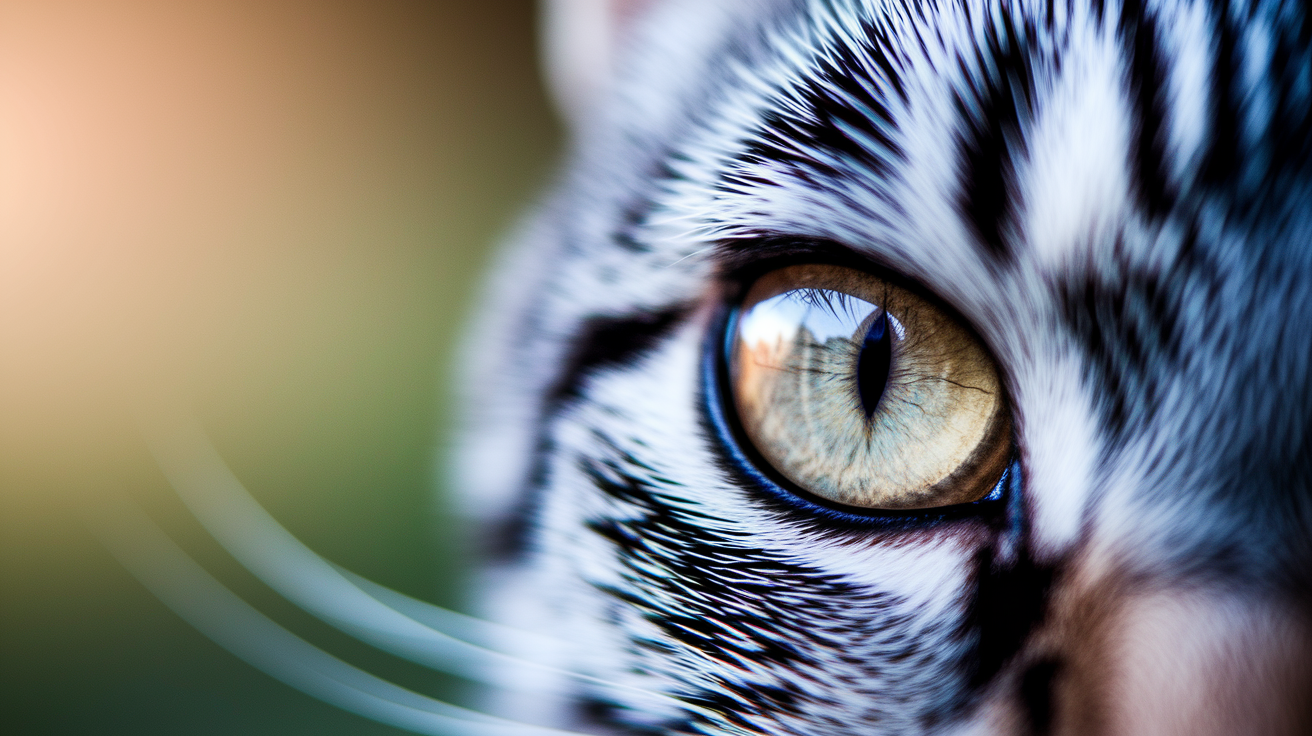
Your cat’s third eyelid is a whitish-pink membrane that normally stays tucked in the inner corner of the eye, right near the nose. You won’t see it most of the time. Cats can’t raise it themselves. It comes up automatically when the eyeball pulls back into the socket, which usually happens when your cat’s deeply relaxed, sleeping, or groggy after anesthesia.
If your cat’s awake and alert and you’re seeing that pale membrane covering part of the eye, something’s causing it to stay visible. A lot of the time, it’s not an emergency. But it is worth investigating. Temporary visibility during a nap or right after waking? Completely normal. Persistent visibility while your cat’s moving around, eating, or playing? That usually points to something that needs attention.
The third eyelid can show for all kinds of reasons. Some are mild, some aren’t:
Benign moments like drowsiness, recent sedation, or that split second after a yawn.
Eye discomfort from irritation, dryness, or a scratch that makes the eyeball retract a bit.
Systemic illness such as fever, nausea, or gastrointestinal upset affecting the whole body.
Dehydration or weight loss where there’s less fat behind the eye, so the eyeball sinks back.
Age-related changes in older or very thin cats who show more third eyelid because of tissue loss around the socket.
Emergency conditions like trauma, severe infection, neurological damage, or sudden pain.
If the membrane stays visible for more than a few hours while your cat’s awake, or if you notice other symptoms like squinting, discharge, appetite changes, or behavior shifts, a vet check is the safest next step. Most causes are treatable when you catch them early.
What the Feline Third Eyelid Actually Is: Anatomy and Function

The third eyelid, also called the nictitating membrane, sits beneath the upper and lower eyelids. It’s a thin fold of pink conjunctiva wrapped around a piece of T-shaped cartilage. Tucked inside that fold is a small gland that produces part of your cat’s tear film.
When your cat blinks or the eyeball shifts position, the third eyelid sweeps across the surface of the eye. Think windshield wiper. It redistributes tears, clears away dust or debris, and adds an extra layer of protection to the delicate cornea. The membrane also contains lymphoid tissue, which plays a role in the eye’s immune defense. Because it’s controlled by the sympathetic nervous system and tiny muscles around the eye socket, any disruption to nerve signals, eye position, or overall health can cause it to stay elevated longer than it should.
Common Causes of a Cat’s Third Eyelid Showing

A visible third eyelid can result from something as simple as a deep nap or as complex as a systemic disease. Breaking down the possibilities into clear categories helps you figure out what might be happening.
Temporary Relaxation and Sleepiness
If your cat just woke up, is dozing off, or recently had anesthesia for a procedure, seeing a sliver of the third eyelid for a few minutes is normal. The eyeball naturally pulls back when the muscles around the socket relax. Once your cat’s fully alert and moving around, the membrane should tuck back into place. If it doesn’t, keep reading.
Haws Syndrome and GI Triggers
Haws syndrome is one of the most common reasons for both third eyelids to show at the same time in an otherwise healthy-looking cat. It’s linked to gastrointestinal upset. Intestinal parasites, a sudden diet change, mild viral or bacterial gut infections, or food intolerance. The membrane stays elevated on both sides, but the cat usually still eats, drinks, and acts fairly normal. Haws often resolves on its own once the gut issue clears, though that can take a few weeks. If your cat also has diarrhea, vomiting, or a recent worming history, this is a top suspect.
Eye Infections, Conjunctivitis, and Injury
Anything that irritates or inflames the eye itself can cause the third eyelid to rise as a protective response. Conjunctivitis from feline herpesvirus or bacteria, a corneal scratch, a speck of dust wedged under the lid, or a poke from another cat’s claw all fall into this category. You’ll often see redness, watery or thick discharge, squinting, and pawing at the face. One eye is usually more affected than the other, though some infections spread to both.
Cherry Eye and Gland Prolapse
Cherry eye happens when the tear gland inside the third eyelid pops out of position and sits on the surface of the eye as a round, pink or red mass. It looks a bit like a small cherry in the corner of the eye. This condition is much more common in certain dog breeds than in cats, but it does occur. If you see a fleshy lump rather than a smooth membrane, that’s the gland. It’ll need veterinary attention. Surgical replacement is the usual fix to preserve tear production long term.
Neurological and Systemic Disorders
Horner’s syndrome is a nerve-related condition that causes one third eyelid to stay elevated alongside other signs: a droopy upper eyelid, a smaller pupil on the same side, and sometimes a warmer, pinker appearance to that side of the face. It happens when the sympathetic nerve pathway to the eye is damaged or disrupted, often by an ear infection, injury, or tumor. Other systemic illnesses, dehydration, fever, or weight loss can also cause the membrane to show by allowing the eyeball to sink back into the socket.
How to Assess a Cat at Home When the Third Eyelid Is Visible
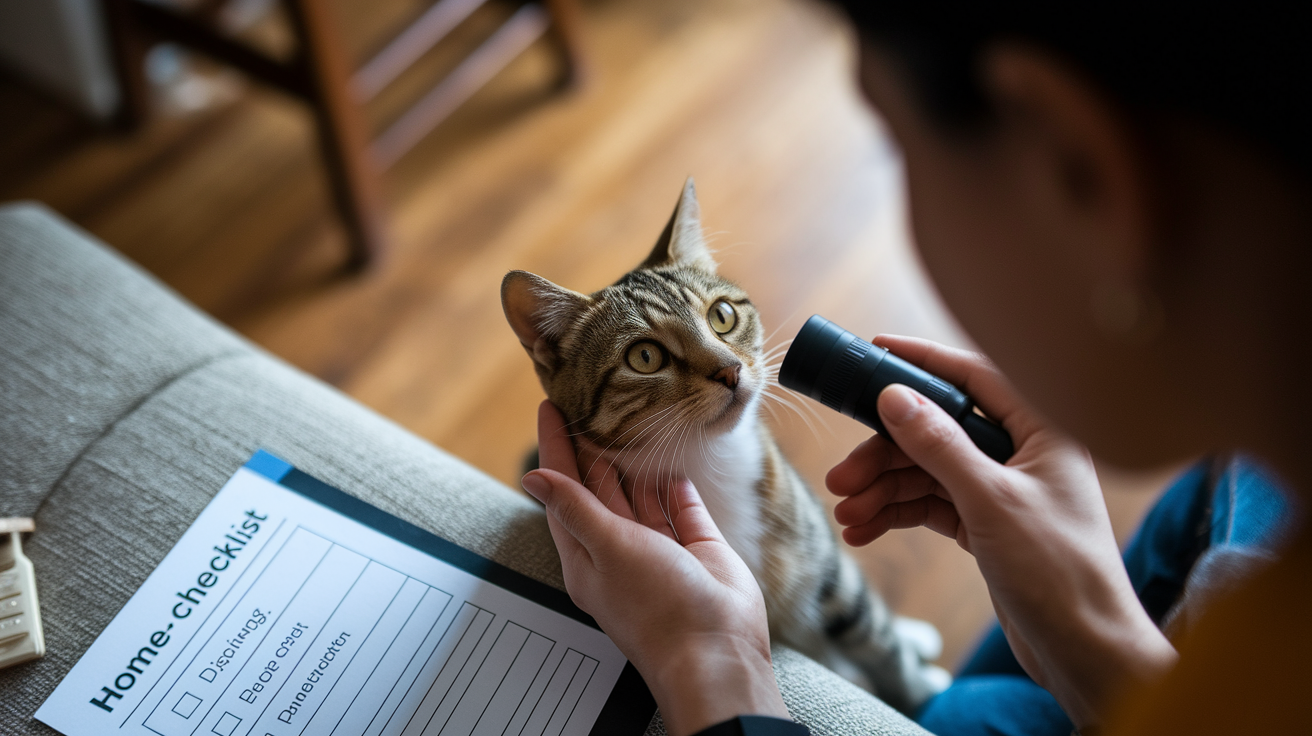
Before you call the vet, a quick home check can help you describe what’s happening and decide how urgent the situation is.
Watch your cat for a few minutes. Is the third eyelid visible only when the cat’s sleepy, or does it stay up even when the cat’s walking around?
Check one eye or both. If only one eye’s affected, you’re more likely dealing with an eye injury or nerve problem. Both eyes usually point to a systemic cause.
Look for discharge. Clear, watery tears can mean irritation. Thick yellow or green discharge often signals infection.
Notice squinting or pawing. If your cat’s holding one eye partly closed or rubbing at the face, that eye’s uncomfortable.
Check the whites of the eyes. Redness or visible blood vessels suggest inflammation.
Ask yourself about recent events. Did your cat just wake up? Have a procedure? Get into a fight? Change food? Have diarrhea?
Feel the gums and skin. Sticky gums or skin that doesn’t snap back when you lift it gently can mean dehydration.
Monitor appetite and energy. A cat that’s still eating, drinking, and acting normal is less urgent than one that’s hiding or refusing food.
Take a photo of the eye with good lighting, note when you first saw the membrane, and write down any other symptoms. That information will be helpful during the vet visit or a telemedicine consultation.
Red Flags: When a Cat’s Third Eyelid Showing Requires Urgent Veterinary Care

Most cases of a visible third eyelid aren’t true emergencies, but certain signs mean you should move quickly.
Thick green, yellow, or blood-tinged discharge from the eye.
Cloudiness or a bluish tint to the surface of the eye.
Obvious pain. Constant squinting, yowling when you touch near the eye, or hiding.
Sudden vision loss or bumping into furniture.
Recent trauma from a fight, fall, or blow to the head.
Swelling or bulging of the eyeball.
Neurological signs like head tilt, stumbling, unequal pupil sizes, facial droop.
If the third eyelid’s been persistently visible for more than 24 hours and your cat’s otherwise acting off, that’s your cue to book a veterinary appointment. Even if the symptoms seem mild, waiting too long can allow a small problem to become a bigger one, especially if there’s a scratch on the cornea or an untreated infection.
Veterinary Diagnosis for a Cat’s Visible Third Eyelid
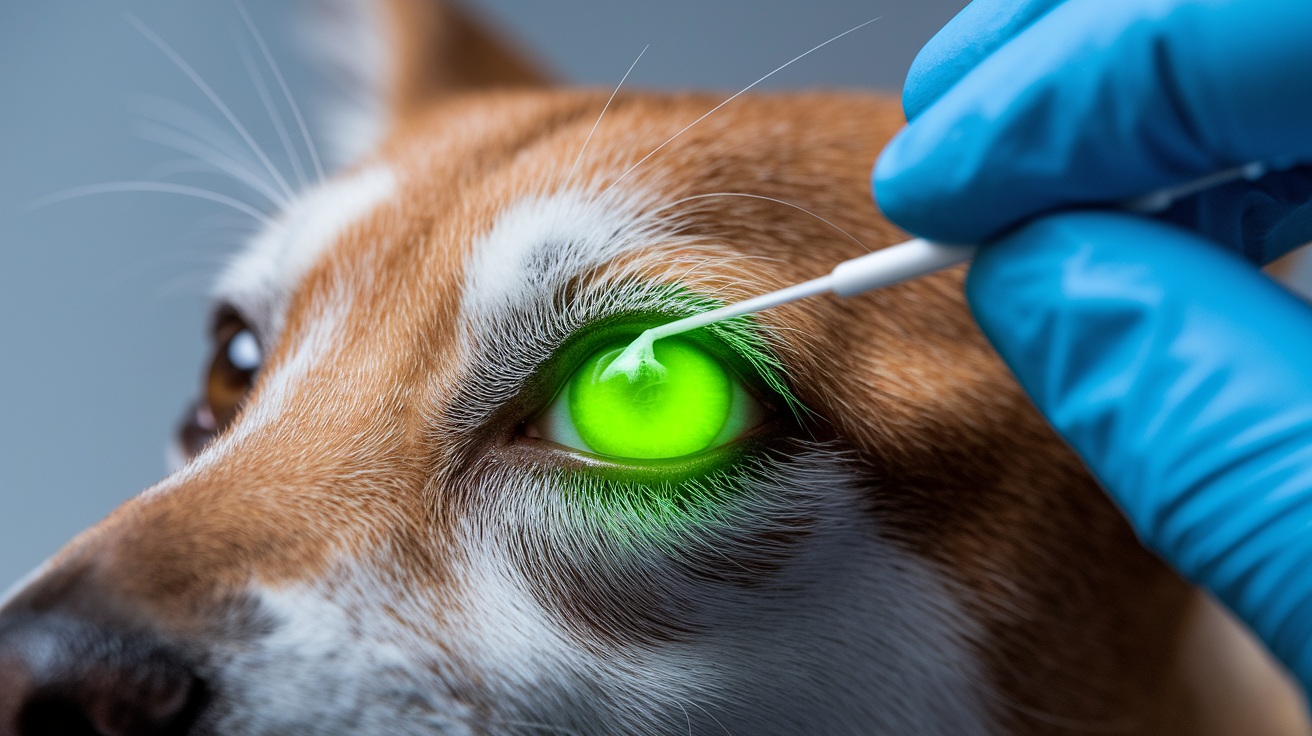
When you bring your cat in, the vet will start with a thorough eye exam under good lighting, often using a bright focal light to check the surface of the eye, the third eyelid itself, and the pupil’s response. From there, specific tests help pinpoint the cause.
A fluorescein stain is a common first step. The vet places a small drop of orange dye on the eye, which glows green under a blue light if there’s a scratch or ulcer on the cornea. The Schirmer tear test uses a small strip of paper tucked under the lower lid to measure tear production over one minute. If discharge is present, the vet may swab it for bacterial or fungal culture.
| Test | What It Identifies |
|---|---|
| Fluorescein stain | Corneal ulcers, scratches, or foreign material embedded in the surface |
| Schirmer tear test | Tear production levels; low values suggest dry eye |
| Phenylephrine drops | Used to test for Haws syndrome; membrane retracts if it’s a benign nerve response |
| Intraocular pressure (tonometry) | Glaucoma or uveitis (inflammation inside the eye) |
| Bloodwork and imaging | Systemic illness, dehydration, infections, or tumors affecting the nerve pathway |
| Neurologic exam | Horner’s syndrome, facial nerve damage, or central nervous system problems |
If Horner’s syndrome is suspected, the vet may use special eye drops that stimulate the pupil to help locate where along the nerve pathway the problem sits. In complex cases, x-rays, CT scans, or MRI may be needed to look for masses, bone changes, or inner ear disease. Referral to a veterinary ophthalmologist is sometimes recommended when the diagnosis is unclear or if surgery’s likely.
Treatment Options When a Cat’s Third Eyelid Is Showing
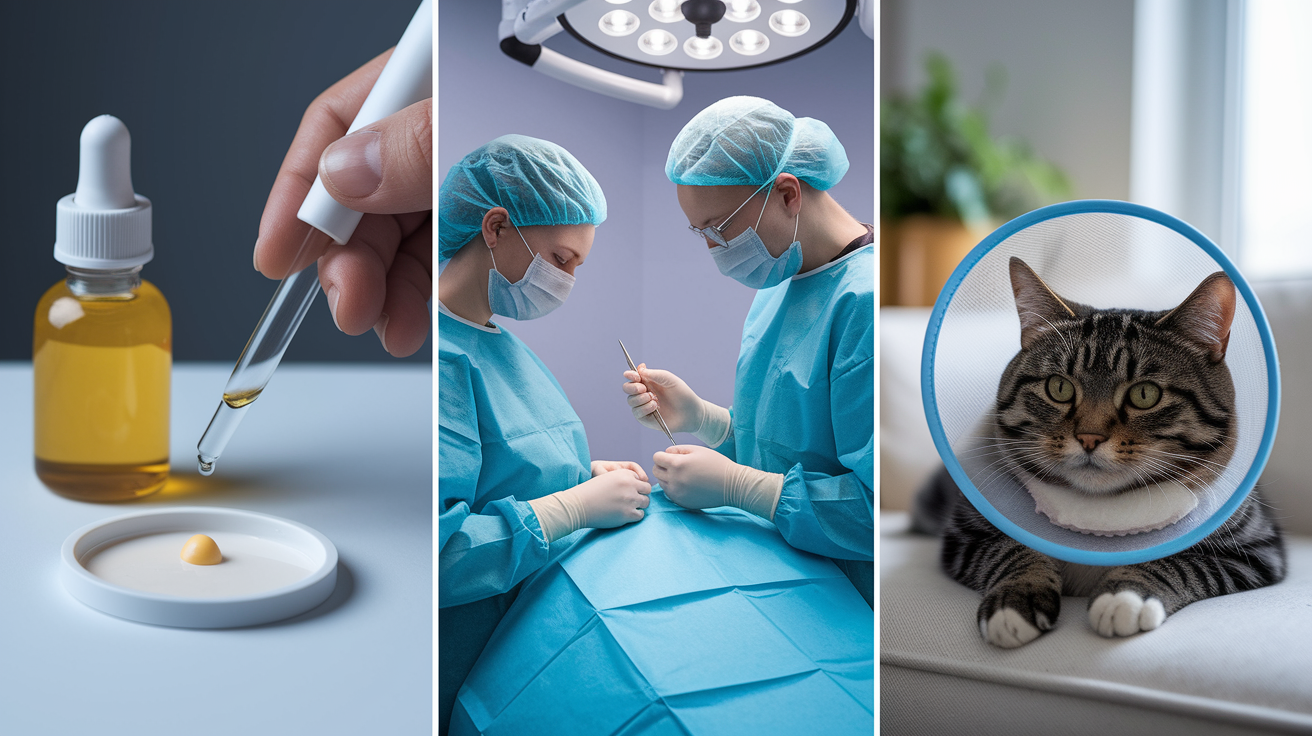
Once the vet identifies the cause, treatment is tailored to the specific problem. Some cases need medication, others require surgery, and a few resolve on their own with time and supportive care.
Medical Management
Topical antibiotic or antiviral drops are the go-to for bacterial conjunctivitis, viral eye infections like feline herpesvirus, or corneal ulcers. Your vet will prescribe drops or ointment to be applied multiple times a day, usually for 7 to 14 days. Anti-inflammatory medications help reduce swelling and discomfort, but steroids are avoided if there’s any suspicion of a corneal ulcer because they can slow healing or worsen the damage.
For systemic causes like Haws syndrome, treatment focuses on the gastrointestinal trigger. Deworming medication, a temporary bland diet, probiotics, or antibiotics for a bacterial gut infection are common approaches. Dehydration’s managed with subcutaneous or intravenous fluids. If Horner’s syndrome is present, the underlying cause is treated. Ear infections get antibiotics, tumors may require imaging and oncology referral, and idiopathic cases are monitored as they often improve over weeks to months.
Surgical Procedures
Cherry eye, the prolapsed tear gland, usually requires surgery to tuck the gland back into place. Vets use a “pocket” or anchoring technique to secure the gland inside the third eyelid rather than removing it. Removing the gland increases the risk of dry eye later in life, so gland-sparing surgery is strongly preferred. The procedure’s typically straightforward, done under general anesthesia, and has a high success rate when performed early. Recurrence is possible, but uncommon with proper technique.
Home Supportive Care
While medical or surgical treatment does the heavy lifting, you can help at home by keeping your cat’s face clean. Gently wipe away discharge with a damp, soft cloth or sterile saline-soaked gauze, using a fresh section for each eye. Don’t let your cat rub or scratch at the eye. A soft cone collar may be needed for a few days. Offer quiet, low-stress space and make sure food and water are easy to reach. Dim lighting can be more comfortable if the eye’s sensitive to brightness.
Recovery, Monitoring, and Long-Term Prognosis for Third Eyelid Problems

Most cats recover well when the cause is identified and treated promptly. Infections and ulcers typically improve within a few days once medication starts, though the third eyelid may take a week or two to fully retract. Haws syndrome often resolves without treatment over two to four weeks, as long as the gastrointestinal issue clears.
For surgical cases like cherry eye, the gland usually stays in place after one procedure, and tear production remains normal. Horner’s syndrome has a variable timeline. Some cases improve in days, others take months, and a small percentage become permanent if the nerve damage is severe or the underlying cause can’t be fixed.
Follow-up appointments are important. Your vet will want to recheck the eye 48 to 72 hours after starting treatment to make sure it’s healing, then again at the end of the medication course. If the third eyelid’s still elevated or symptoms return after treatment stops, additional testing or a different approach may be needed. Long-term monitoring is especially important for cats with recurring Haws syndrome, as repeated episodes can signal chronic gastrointestinal disease or parasite problems that need ongoing management.
Preventing Future Episodes of a Cat’s Third Eyelid Showing
You can’t prevent every cause, but a few proactive steps reduce the likelihood of eye problems and systemic triggers.
Keep your cat’s vaccinations current, especially the FVRCP vaccine, which protects against feline herpesvirus, a common cause of conjunctivitis and third eyelid issues. Regular deworming and parasite control lower the risk of Haws syndrome. Create a safe indoor environment to minimize trauma from fights, falls, or sharp objects.
Avoid irritants. Keep household chemicals, smoke, and strong cleaning products away from your cat’s face.
Monitor weight and hydration. Older or thin cats are more prone to third eyelid visibility due to tissue loss around the eye socket.
Act quickly on minor injuries. If your cat gets scratched near the eye or shows early signs of irritation, a prompt vet check can prevent complications.
Reduce stress. Stress can trigger herpesvirus flare-ups in carrier cats, leading to eye inflammation.
Schedule routine exams. Annual or semi-annual vet visits catch subtle changes early, especially in senior cats.
If your cat’s had one episode of cherry eye, the other eye may be at slightly higher risk. If Haws syndrome has occurred more than once, talk to your vet about a fecal test, food trial, or other steps to identify and manage the underlying gut issue.
FAQs About a Cat’s Third Eyelid Showing

Here are answers to the questions most cat owners ask when they first notice that pale membrane.
How long does it take for the third eyelid to go back to normal?
It depends on the cause. Temporary sleepiness resolves in minutes. Haws syndrome can take two to four weeks. Infections and ulcers usually improve within 7 to 14 days with treatment. Horner’s syndrome may take weeks to months, and some cases are permanent.
Will my cat’s vision be affected?
Not usually, unless the underlying cause is severe, such as an untreated corneal ulcer that scars, or a tumor pressing on the optic nerve. The third eyelid itself doesn’t block vision significantly, but the condition causing it might.
Is it normal to see the third eyelid when my cat is sleeping?
Yes. A relaxed or drowsy cat often shows a bit of the membrane. If it disappears once your cat’s fully awake and alert, there’s no cause for concern.
Can stress cause the third eyelid to show?
Indirectly. Stress can trigger a herpesvirus flare-up in cats that carry the virus, leading to conjunctivitis and a visible third eyelid. Stress can also suppress the immune system or contribute to gastrointestinal upset.
Do I need to see a specialist, or can my regular vet handle this?
Most cases can be diagnosed and treated by your regular veterinarian. Referral to a veterinary ophthalmologist is helpful for complex cases. Persistent ulcers, suspected glaucoma, surgical repair of cherry eye if your vet doesn’t perform it, or difficult-to-diagnose neurological causes.
What should I tell my vet during the appointment?
Share when you first noticed the third eyelid, whether one or both eyes are affected, any discharge or squinting, recent behavior or appetite changes, known injuries or illnesses, and whether your cat’s been dewormed recently. Photos taken at home are also useful.
Final Words
You’ve seen what the third eyelid is, when a brief peek is normal, and when persistent visibility points to something more. The article walked through likely causes, simple home checks, red flags, diagnostic steps, treatment options, recovery tips, and prevention.
If your cat third eyelid showing looks mild and your cat is eating and acting normal, follow the home checks, take photos, and recheck over 24 to 48 hours. Call a vet right away for pain, heavy discharge, cloudiness, vision changes, blood, trauma, or if it’s worse at 24 hours.
With timely attention, many cats do well. You’re doing the right thing by watching closely.
FAQ
Q: Can stress cause a cat’s third eyelid to show?
A: Stress can cause a cat’s third eyelid to show. It may trigger temporary visibility via tiredness or gut-linked reflexes in some cats. Monitor for 24 to 48 hours; contact your vet sooner for discharge, pain, breathing trouble, or appetite loss.