

Could your cat be quietly struggling to breathe without you noticing?
Many owners assume breathing problems are loud or obvious, but cats are masters at hiding discomfort.
In this post you’ll learn the clear, real signs, like rapid shallow breaths, open-mouth panting, noisy inhales, and pale gums, that often show before a crisis.
I’ll help you tell what can wait and what needs immediate care, and give simple first steps to protect your cat right away.
Spotting these signs early can make a big difference.
Key Indicators of Cat Breathing Problems

Healthy cat breathing should be nearly invisible and silent. You shouldn’t see your cat’s chest rising and falling in an exaggerated way, and you shouldn’t hear any sound when they breathe unless you get very close. Abnormal breathing shows up in several clear ways: rapid or shallow breathing, noisy inhales or exhales, open‑mouth breathing or panting, visible effort in the chest or belly, pale or blue‑tinged gums, runny nose, watery eyes, weakness, or sudden collapse. If you notice any of these signs, especially if they appear suddenly or worsen quickly, your cat’s respiratory system is likely struggling.
Normal resting breathing in a cat is quiet and smooth, with the mouth closed and no flaring of the nostrils. You might notice gentle movement in the sides of the chest when you watch carefully, but there should be no visible rise and fall of the belly, no head or neck extension, and no hunched posture. A resting cat typically takes about 15–30 breaths per minute. To count, watch one flank rise and fall, count the cycles for 15 seconds, then multiply by four.
Tracking your cat’s baseline breathing rate at rest gives you a clear reference. Any sustained rate above 40 breaths per minute is abnormal, and a rate over 50 breaths per minute combined with visible distress often signals an emergency. Recognizing these changes early lets you act before breathing difficulty becomes life‑threatening.
Watch for these specific symptoms of breathing problems:
- Rapid breathing, where the chest moves faster than normal even at rest
- Labored breathing with visible effort in the chest or abdomen
- Open‑mouth breathing or panting, which cats almost never do normally
- Wheezing, whistling, or other audible sounds during breathing
- Coughing or gagging
- Pronounced movement in the chest and belly, especially when lying down
- Pale, white, or blue‑tinged gums or tongue
- Collapse, severe lethargy, or loss of consciousness
Differentiating Abnormal Cat Breathing Patterns

Breathing abnormalities in cats show up in two main forms: tachypnea and dyspnea. Tachypnea means breathing faster than normal, while dyspnea means breathing with effort or difficulty. A cat can have tachypnea without dyspnea (rapid but relatively easy breathing) or dyspnea without extreme speed, where each breath takes visible work even if the rate isn’t dramatically high. Many cats in respiratory distress display both at once. The difference matters because each pattern can point toward different underlying problems, and recognizing which one you’re seeing helps you describe the situation clearly when you contact your vet.
Posture and airflow give you additional clues. Cats struggling to breathe often extend their head and neck forward, push their elbows outward away from the body, hunch their back, or sit upright instead of lying down. You may also hear stridor (a high‑pitched sound during inhale), whistling or wheezing during exhale, gurgling, or crackling sounds that suggest fluid or narrowed airways. Flared nostrils and visible abdominal effort, where the belly sinks inward sharply with each breath, are signs that your cat is working hard to move air.
| Pattern | Description |
|---|---|
| Rapid breathing | More than 30–40 breaths per minute at rest; chest moves quickly but effort may be mild or severe depending on the cause |
| Shallow breathing | Small, quick breaths with minimal chest expansion; often a sign the cat is avoiding deep breaths due to pain or airway restriction |
| Open‑mouth breathing | Mouth open, sometimes with tongue visible; almost always a sign of severe respiratory distress or overheating; not normal in cats |
| Labored breathing | Visible effort with each breath; pronounced chest and abdominal movement; head/neck extension; often accompanied by audible sounds |
Major Causes of Cat Breathing Issues
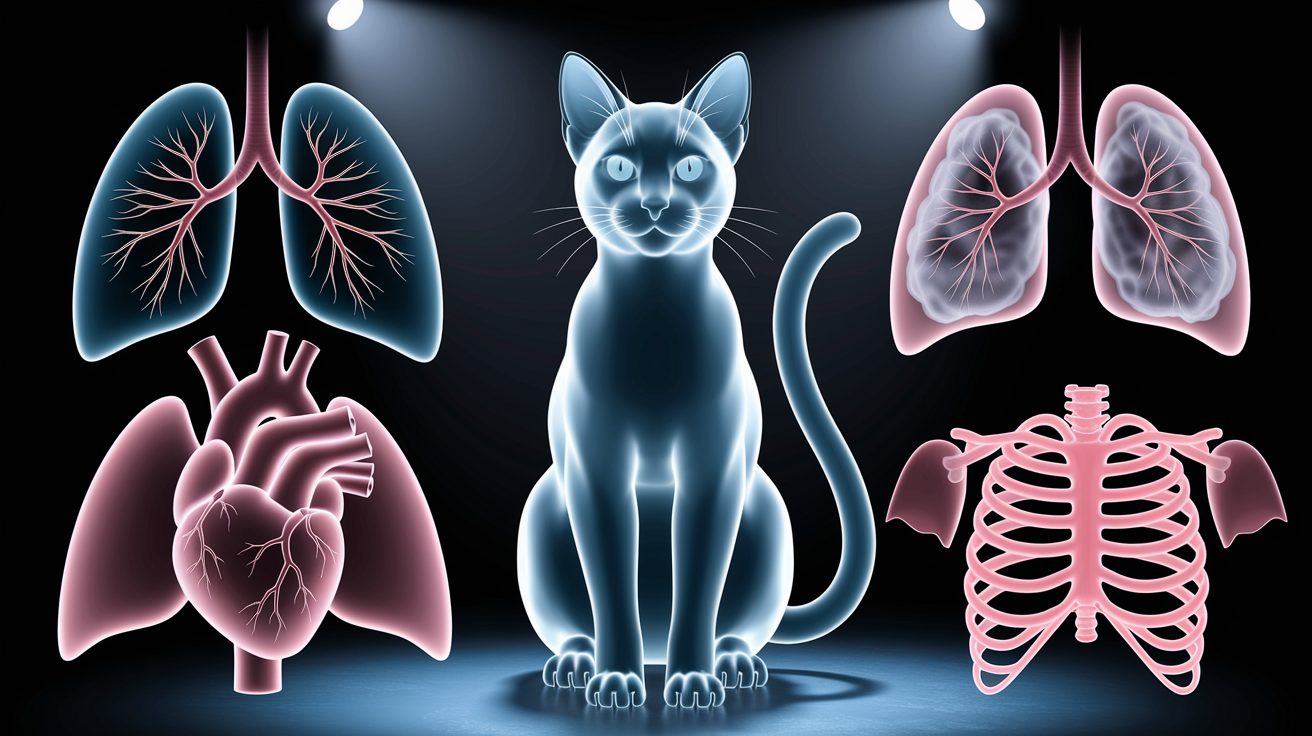
Respiratory system problems are among the most common causes of breathing difficulty in cats. Feline asthma is the leading respiratory cause. It’s severe inflammation and narrowing of the airways triggered by allergens like dust, pollen, smoke, strong perfumes, or scented litter. Cats with asthma often show wheezing, episodic coughing, and sudden labored breathing that may improve between attacks. Pneumonia, caused by bacterial, viral, or fungal infections, leads to coughing, fever, nasal discharge, and rapid, shallow breathing as the lungs fill with inflammatory fluid. Upper respiratory infections, commonly caused by herpesvirus or calicivirus, produce sneezing, watery eyes, nasal congestion, and mild to moderate breathing changes, especially in kittens or unvaccinated cats.
Heart disease is another major contributor, particularly congestive heart failure and hypertrophic cardiomyopathy. When the heart can’t pump efficiently, fluid backs up into the lungs (a condition called pulmonary edema) or accumulates in the chest cavity around the lungs as pleural effusion. Cats with heart‑related breathing problems often get worse when lying flat, may cough or gag, and show rapid, shallow breathing. Pleural effusion from any cause compresses the lungs and makes it hard for them to expand fully, leading to labored breathing with a characteristic shallow, fast pattern.
Other significant causes include chest trauma from accidents or falls, which can cause broken ribs, bruised lungs, or air leaking into the chest cavity (pneumothorax). Airway foreign bodies, something stuck in the throat or windpipe, cause sudden, severe distress with gagging and air‑gasping. Anaphylactic reactions to insect stings, medications, or foods can trigger rapid swelling of the airways and breathing collapse within minutes. Tumors in the lungs or chest can grow slowly and cause gradual worsening of breathing over weeks to months. Heatstroke, especially in flat‑faced breeds, produces open‑mouth panting, weakness, and rapid deterioration.
Common causes by category:
- Asthma and allergic airway disease: wheezing, episodic attacks, environmental triggers
- Respiratory infections: viral or bacterial; sneezing, nasal discharge, fever, coughing
- Pneumonia: lung infection with fever, cough, rapid breathing, lethargy
- Heart disease and congestive heart failure: fluid in lungs or chest; worse when lying down
- Pleural effusion or pneumothorax: fluid or air around lungs; shallow, labored breathing
- Trauma, foreign body, anaphylaxis, tumors: sudden or progressive onset depending on cause
Emergency Signs Linked to Cat Breathing Problems

Certain breathing symptoms indicate your cat is in immediate danger and needs emergency veterinary care right now. Open‑mouth breathing or panting in a cat is never normal and means the respiratory system is failing to deliver enough oxygen through the nose. Blue, purple, gray, or very pale gums or tongue signal that oxygen levels in the blood have dropped dangerously low, a condition called cyanosis. Collapse, fainting, or sudden severe weakness means the body isn’t getting the oxygen it needs to function. These signs can progress to respiratory arrest within minutes, and faster treatment directly improves survival chances.
Rapid escalation of symptoms is equally urgent. If your cat’s breathing worsens over minutes to hours, if they start gasping for air, extending their neck, or making harsh grunting or gurgling sounds with each breath, don’t wait to see if it improves. Cats are skilled at hiding illness, so by the time breathing distress is obvious, the problem is often severe. Any delay in getting help reduces the chance of a full recovery.
Recognize these emergency red flags and contact a vet immediately if you see any of them:
- Open‑mouth breathing, persistent panting, or gasping for air
- Blue, purple, gray, or very pale gums or tongue
- Collapse, loss of consciousness, or severe weakness
- Respiratory rate over 50 breaths per minute combined with visible distress
- Severe coughing with blood‑tinged sputum or foam
- Pronounced neck extension, flared nostrils, and extreme abdominal effort with each breath
- Sudden onset of severe breathing difficulty after known trauma, sting, or suspected poisoning
When to Seek Veterinary Care for Cat Respiratory Symptoms
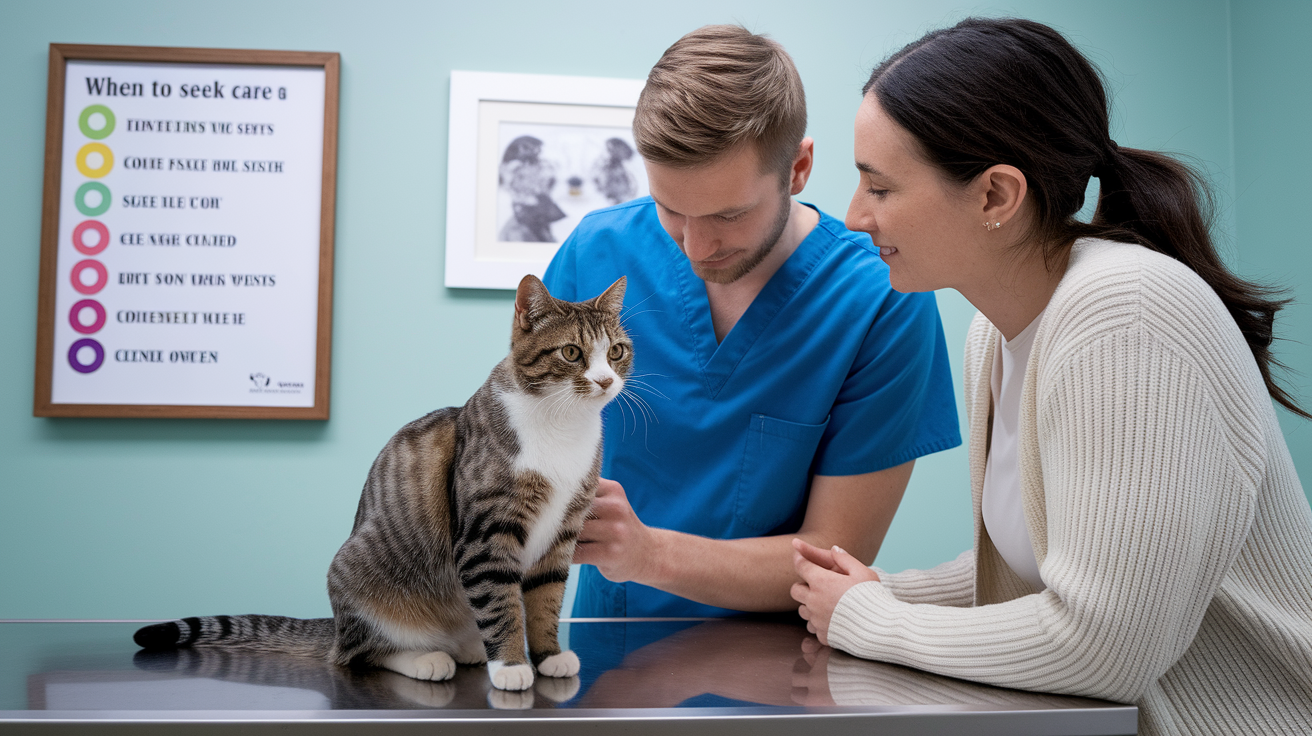
Contact your vet immediately if your cat is struggling to breathe, breathing with an open mouth, has collapsed, or shows blue or very pale gums. These are true emergencies that require oxygen therapy and diagnostics as soon as possible. If your cat has stopped breathing, start CPR if you know how, and get to an emergency vet without delay. On the other hand, if your cat is breathing faster than normal but not in obvious distress (no open mouth, no collapse, normal gum color), schedule a vet appointment the same day or the next morning rather than heading straight to emergency care. Mild signs still need professional assessment, but they allow a bit more time.
When you call the vet, be ready to describe what you’re seeing in detail. Note when the symptoms started, how quickly they’ve changed, your cat’s current breathing rate, gum color, posture, and any other symptoms like coughing, sneezing, lethargy, or loss of appetite. Mention recent events: new litter, exposure to smoke or chemicals, a fall, a fight, or any known illness. Write down these observations before you call so you don’t forget key details under stress. If symptoms worsen while you’re on the phone or waiting for an appointment time, let the clinic know immediately. They can prioritize or redirect you to emergency care.
Transporting a cat with breathing difficulty requires care. Stress makes breathing problems worse, so keep your cat as calm as possible. Use a secure carrier with good ventilation, line it with a soft towel, and avoid pressing on the chest. If your cat is very distressed, dim the lights, speak quietly, and drive smoothly. Don’t attempt to give your cat any medication, inhalers, or home remedies unless your vet has specifically instructed you to do so. Keep the car cool and well‑ventilated, and avoid loud music or sudden stops.
How Vets Diagnose Cat Breathing Problems

When you arrive at the clinic, many cats with severe breathing difficulty will be placed in an oxygen cage or given flow‑by oxygen right away to stabilize them before any diagnostics begin. The vet will perform a quick physical exam, listening to the heart and lungs with a stethoscope, checking gum color, feeling the chest wall for abnormalities, and taking the cat’s temperature and pulse. Pulse oximetry (a small clip placed on the ear, paw, or tongue) measures oxygen saturation in the blood. Normal levels are above 95 percent; anything below 94 percent indicates hypoxemia, and readings under 90 percent are critical.
Once your cat is stable enough, the vet will move to imaging and lab work. Chest X‑rays are often the first step, showing the size and shape of the heart, the appearance of the lungs, any fluid in the chest cavity, and signs of pneumonia, tumors, or trauma. Ultrasound or echocardiography gives a detailed look at heart function and can guide sampling if there’s fluid around the lungs or heart. Blood tests check for anemia, infection, kidney or liver problems, and cardiac biomarkers like NT‑proBNP, which can indicate heart disease. In some cases, the vet will perform thoracocentesis, inserting a small needle into the chest to remove fluid or air for immediate relief and lab analysis. Airway sampling through tracheal wash or bronchoalveolar lavage may be needed to diagnose pneumonia or asthma.
| Diagnostic Test | Purpose |
|---|---|
| Pulse oximetry | Measures blood oxygen saturation to assess how well the lungs are delivering oxygen |
| Chest X‑ray | Shows lung structure, heart size, fluid in chest, tumors, pneumonia, or trauma |
| Ultrasound / Echocardiogram | Detailed view of heart function and chest cavity; guides fluid sampling |
| Blood tests | Checks for infection, anemia, organ function, and cardiac disease markers |
| Airway sampling | Collects cells or fluid from airways to diagnose infection, asthma, or inflammation |
| Thoracocentesis | Removes fluid or air from chest for relief and laboratory analysis |
Treatment Options for Cats With Breathing Problems
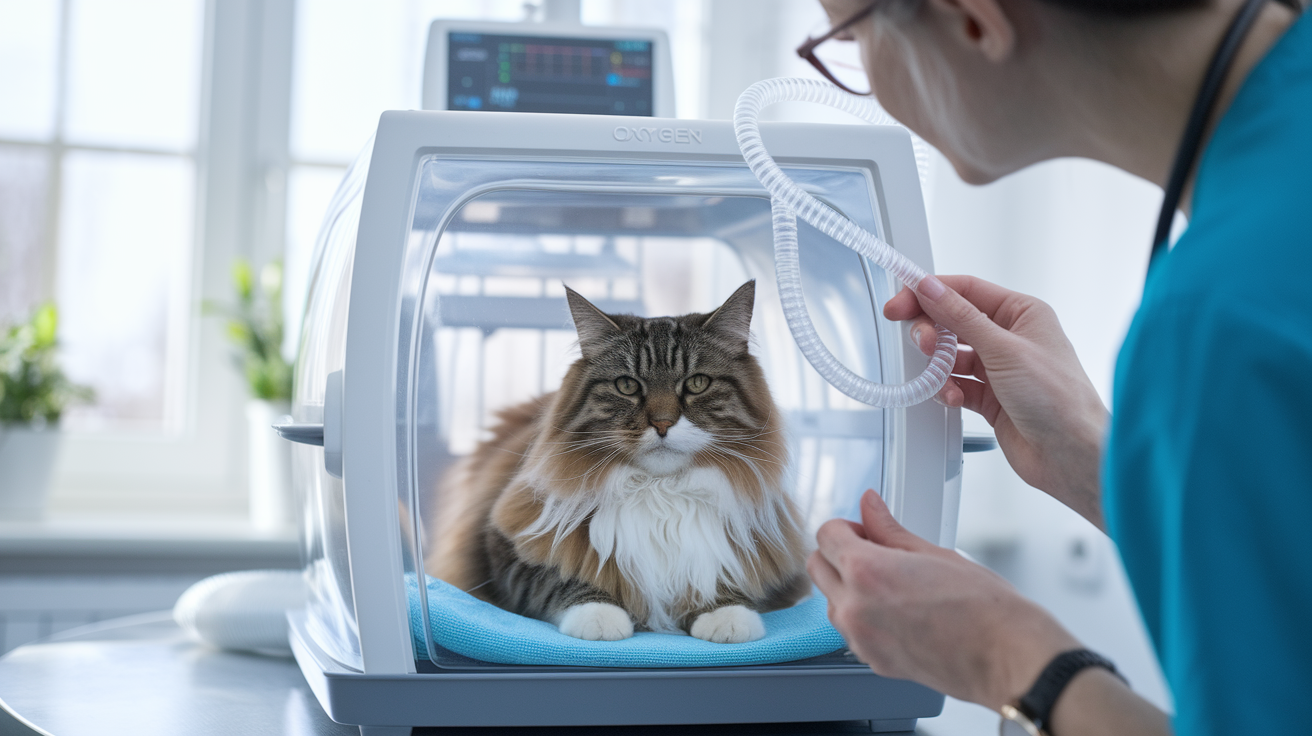
Oxygen therapy is the first line of treatment for almost every cat with breathing difficulty. Cats in distress are placed in an oxygen‑enriched cage or given oxygen through a mask or nasal tube until their blood oxygen levels stabilize. This buys time for diagnostics and lets the body recover from acute oxygen deprivation. Even mild cases may receive supplemental oxygen during exams or procedures to reduce stress on the respiratory system.
Medical treatments depend on the underlying cause. Cats with feline asthma receive bronchodilators to open the airways and corticosteroids to reduce inflammation, often prednisolone by mouth or an injectable steroid for severe attacks. Some cats are prescribed inhaled medications delivered through a special feline inhaler and spacer, such as fluticasone for long‑term control or albuterol as a rescue inhaler during acute episodes. Bacterial pneumonia or respiratory infections are treated with antibiotics chosen based on culture results or the most likely pathogen. Congestive heart failure requires diuretics like furosemide to remove excess fluid from the lungs, along with medications to support heart function and manage blood pressure. Cats with pleural effusion or pneumothorax may need a chest tube placed temporarily to drain fluid or air continuously until the underlying problem is controlled.
Procedures and interventions address mechanical problems. Thoracocentesis provides immediate relief when fluid or air is compressing the lungs. If a foreign body is stuck in the airway, the vet may perform endoscopic removal or emergency surgery. Tumors may require surgical resection, chemotherapy, or radiation depending on type and location. Nebulization with saline or medications can help loosen mucus in cats with pneumonia or severe congestion. In cases of trauma, pain management, rest, and supportive care allow the lungs and chest wall to heal.
Core treatments for breathing problems:
- Oxygen therapy: stabilizes blood oxygen levels; used in nearly all cases of respiratory distress
- Bronchodilators and corticosteroids: open airways and reduce inflammation in asthma or allergic disease
- Antibiotics: treat bacterial pneumonia and respiratory infections
- Diuretics and cardiac medications: remove lung fluid and support heart function in congestive heart failure
- Thoracocentesis or chest tube: drains abnormal fluid or air from the chest cavity
- Surgical or endoscopic intervention: removes foreign bodies, repairs trauma, or removes tumors
- Nebulization and airway clearance: loosens mucus and supports lung function in infectious or inflammatory disease
Monitoring and Home Care for Cats With Breathing Issues

Once your cat is home, daily monitoring helps you catch problems early. Count your cat’s resting respiratory rate at the same time each day, ideally when they’re calm and sleeping. Watch the chest or flank rise and fall, count the cycles for 15 seconds, and multiply by four. Write the number down along with the date and time. A baseline rate of 15–30 breaths per minute is normal; anything consistently above 40 breaths per minute, or any sudden jump toward 50 or higher, means you need to contact your vet right away.
Keep your cat comfortable and reduce stress. Provide a quiet, cool space with good airflow. Avoid strong scents, aerosol sprays, cigarette smoke, dusty litter, and heavy perfumes, all of which can trigger or worsen respiratory symptoms. Follow all medication instructions exactly. Missed doses of steroids, bronchodilators, or heart medications can lead to rapid relapse. If your vet prescribed an inhaler, practice the technique until you can deliver it smoothly with minimal stress to your cat. Keep a log of any coughing episodes, changes in activity, appetite loss, or new symptoms.
Signs of improvement include a return to normal breathing rate, better energy, normal appetite, and disappearance of coughing or wheezing. Signs of worsening include rising respiratory rate, return of open‑mouth breathing, new coughing or gagging, lethargy, refusal to eat, or any collapse or fainting. If you see worsening signs, contact your vet immediately. Don’t wait for a scheduled recheck.
Preventing Cat Breathing Problems Long Term

Reducing environmental triggers is one of the most effective prevention strategies, especially for cats with asthma or allergic airway disease. Switch to low‑dust, unscented cat litter. Avoid smoking indoors or using aerosol cleaners, air fresheners, scented candles, or strong perfumes near your cat. Use a HEPA air filter in rooms where your cat spends time, and vacuum regularly to reduce dust, pollen, and mold. If your cat has known asthma, work with your vet to identify and eliminate specific triggers in your home.
Keep your cat’s vaccinations up to date, particularly for feline herpesvirus and calicivirus, which cause upper respiratory infections. These vaccines don’t prevent infection entirely, but they reduce severity and complications. Maintain regular veterinary checkups, especially for breeds predisposed to heart disease like Maine Coons, Ragdolls, and Persians. Early detection of cardiac issues allows for intervention before congestive heart failure develops. Weight management also matters. Overweight cats are at higher risk for breathing difficulty, heart disease, and reduced lung capacity.
Prevention strategies to protect your cat’s respiratory health:
- Eliminate household allergens and irritants: smoke, aerosols, scented products, dusty litter
- Keep vaccinations current to reduce respiratory infection risk
- Maintain good indoor air quality with ventilation and HEPA filtration
- Monitor weight and body condition to reduce strain on the heart and lungs
- Schedule regular vet exams for early detection of heart disease, asthma, or chronic respiratory conditions
Final Words
You spot rapid, noisy, or open-mouth breathing, and this post named those signs while showing what normal breathing should look and sound like.
We covered common causes, what a vet may do, and safe home steps like counting breaths and keeping your cat calm. If you see open-mouth breathing, blue gums, collapse, or breathing that gets worse fast, contact your vet or an emergency clinic right away.
Keep a short log and share it at the visit. With prompt action and steady monitoring, many cat breathing problem symptoms can be managed and your cat can feel better.
FAQ
Q: Why is my cat suddenly having trouble breathing?
A: A cat suddenly having trouble breathing is often due to asthma, infection, heart disease, fluid in the chest, airway blockage, trauma, or a severe allergic reaction; open‑mouth breathing, blue gums, or more than 40 breaths per minute needs immediate veterinary care.
Q: How to tell if a cat’s breathing is labored?
A: A cat’s breathing is labored when you see heavy chest or belly effort, neck extension, flared nostrils, audible wheeze or crackles, open mouth, or a resting rate above 40 breaths per minute — call a vet right away.
Q: How can I tell when a cat’s body is shutting down or what are the first signs of heart failure in cats?
A: A cat shutting down or in early heart failure often shows very low energy, poor appetite, fainting or coughing, breathing worse when lying down, pale or blue gums, and rapid breathing — seek immediate veterinary care.