

Most dog owners miss early dehydration signs—until it becomes an emergency.
A few subtle clues, like sunken eyes, tacky (sticky) gums, or a dull coat, can show up long before a dog looks really sick.
Read on to learn the quick visual clues, three simple at-home checks you can do in minutes, and when a problem needs veterinary care.
If your dog is vomiting without stopping, can’t stand, or has very pale or brick-red gums, get to an emergency clinic right away.
Immediate Visual Indicators of Dehydration in Dogs
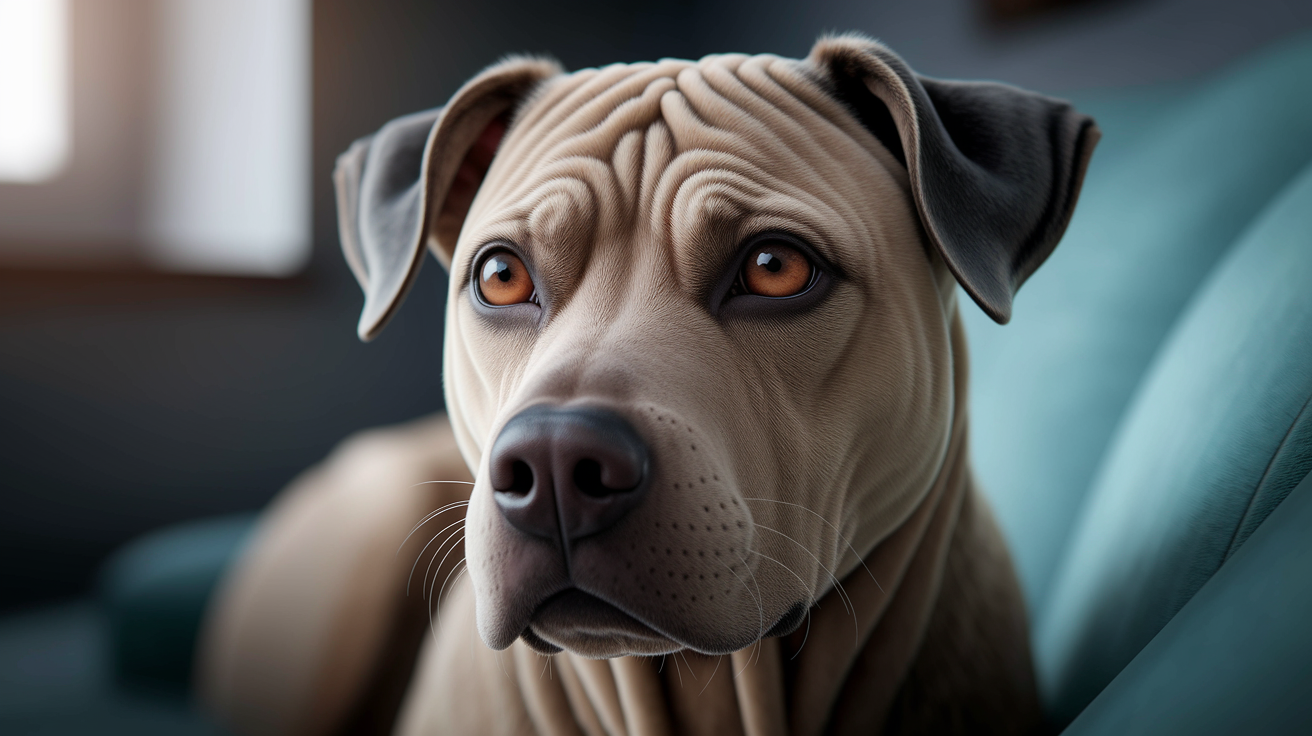
You can usually tell something’s off before you even touch your dog. Just watch how they look and move. The eyes are one of the first giveaways. When the body’s losing too much water, the fat and tissue cushioning the eyeball start to shrink. The eyes look sunken, like they’ve pulled back into the skull. That hollowed out look means fluid loss is already affecting the internal padding.
Dehydration changes how a dog moves too. A dog that’s normally bouncing around might suddenly spend hours in one spot, ignore their favorite toy, and move like they’re stiff or sore when they finally get up. The coat can look flat and dull instead of shiny. Some dogs seem confused, stumbling over stuff they walk past every day or standing in weird corners. These shifts happen because blood volume drops and electrolytes get out of balance, which messes with muscle function and circulation to the brain.
Watch for these visual cues when you think your dog isn’t drinking enough:
- Sunken eyes – The eyes look recessed instead of bright and full. The socket looks hollow or shadowed.
- Lethargy or weakness – Your dog stays lying down most of the day, responds slowly when you call, or shows zero interest in normal activities.
- Excessive panting in cool conditions – Heavy, open mouth breathing even when the room’s comfortable and there’s been no exercise.
- Dull, dry coat – The fur loses its shine and feels rough or brittle instead of smooth.
- Disoriented behavior – Stumbling, confusion, standing in corners, or tripping over things they normally navigate just fine.
Physical Tests and At-Home Hydration Checks for Dogs
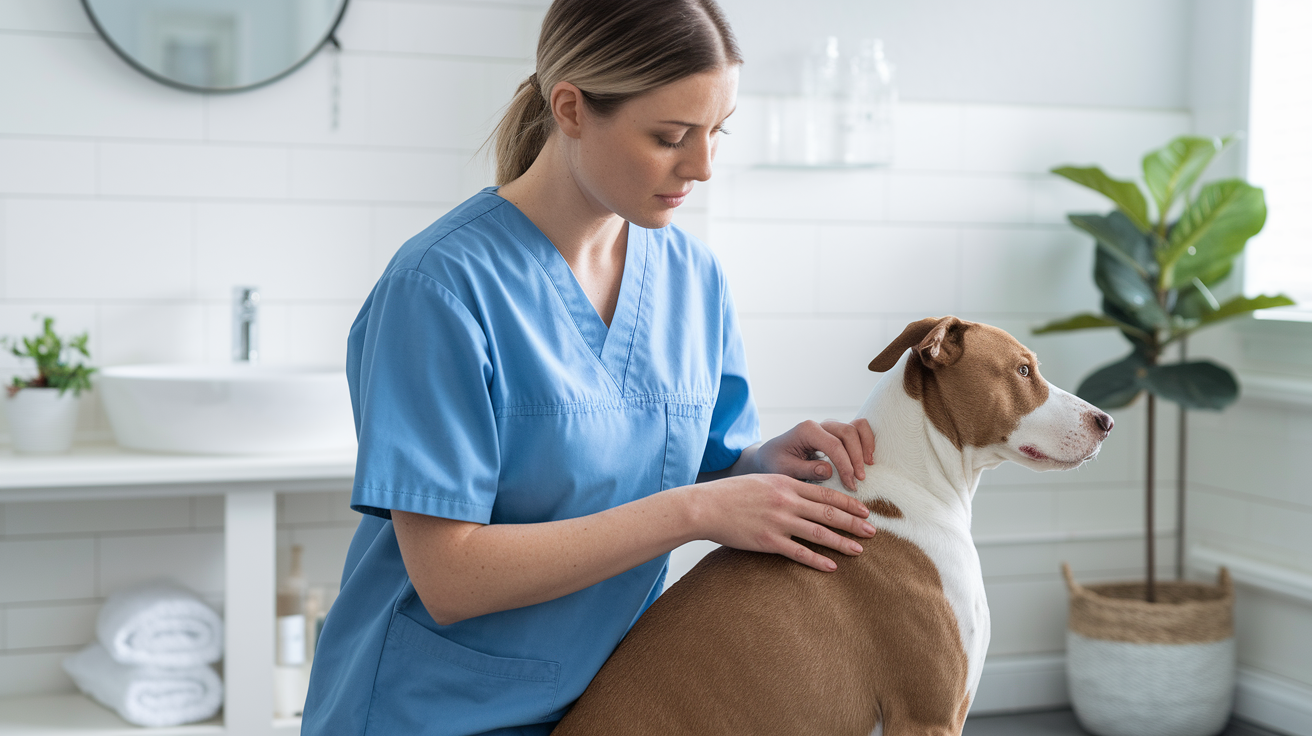
When you need to confirm what you’re seeing, three simple hands on tests give you quick feedback about hydration. You can check skin elasticity, gum moisture, and circulation without any special equipment.
The skin tent test is the fastest. Gently pinch and lift the skin over your dog’s shoulder blades, then let go and watch how fast it snaps back. Well hydrated skin returns instantly. Dehydrated skin stays “tented” and falls slowly back into place. This test’s harder to read in wrinkly breeds like Bulldogs or older dogs with looser skin, but it still gives you a baseline.
Here’s how to do each test safely:
- Skin tent test – Grasp skin over the shoulder blades between your thumb and forefinger, pull up gently about an inch, release, and watch the return speed.
- Gum moisture check – Lift your dog’s lip and press a finger lightly on the gums. They should feel slippery and moist, not sticky or dry.
- Capillary refill check – Press your finger on the gum until it turns white, release, and count how long it takes to return to pink.
- Eye appearance – Look at the eyes from the side to check if they appear sunken or recessed compared to normal.
- Saliva consistency – Gently open the mouth and see if saliva is thin and watery or thick and ropey.
- Hydration timeline – If any test shows a concerning result, note the time and recheck in 30 to 60 minutes after offering water.
| Test | Normal Result | Concerning Result |
|---|---|---|
| Skin tent | Skin snaps back instantly | Skin returns slowly or stays tented |
| Gum moisture | Gums feel slick and wet | Gums feel tacky, sticky, or dry |
| Capillary refill | Pink color returns in less than 2 seconds | Pink color takes more than 2 seconds to return |
Recognizable Physical Dehydration Symptoms in Dogs
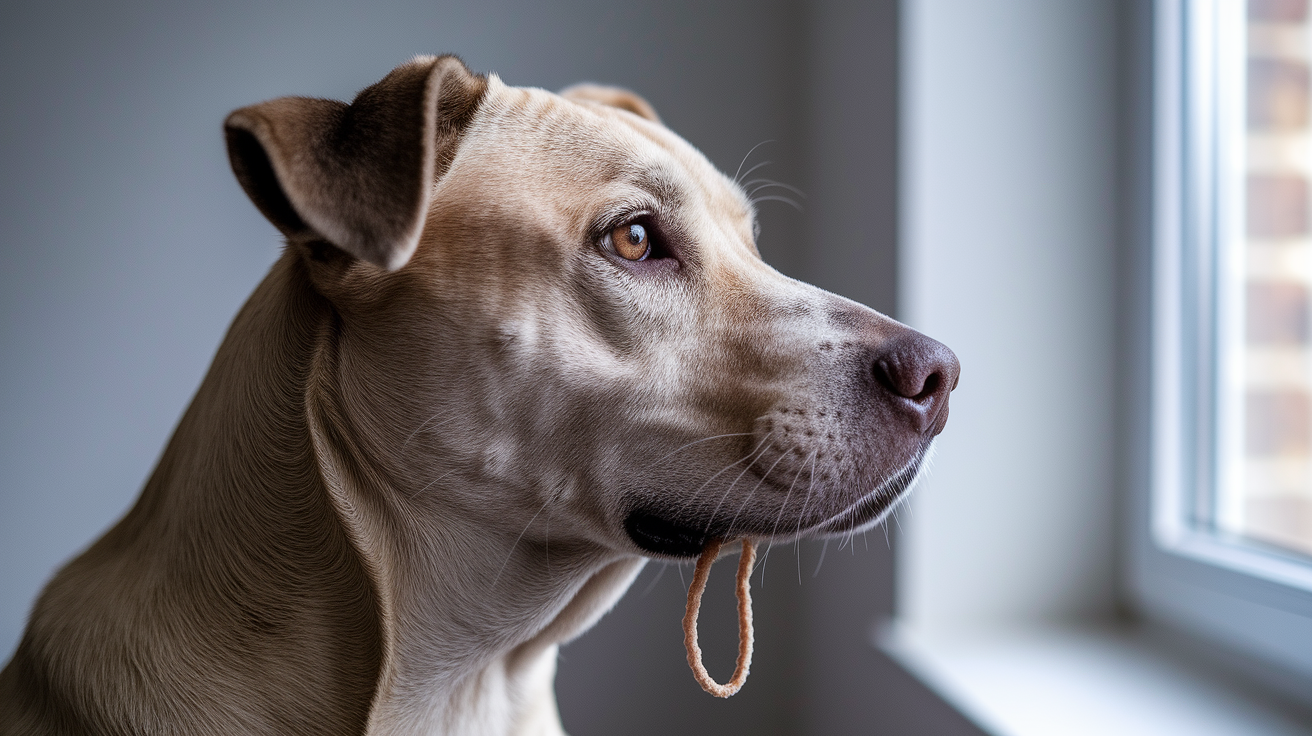
Beyond the tests, certain physical symptoms show up as dehydration gets worse. One of the earliest is thick, stringy saliva that looks ropey instead of clear and watery. You might notice this when your dog yawns or opens their mouth. The saliva clings in sticky strands instead of dripping freely.
A dry nose is another common sign, especially if your dog’s nose is usually cool and moist. Dehydration pulls moisture from mucous membranes, leaving the nose rough and warm to the touch. This symptom alone doesn’t tell the whole story, but combined with other signs it adds up fast.
Urine changes are a big clue if you’re paying attention during bathroom breaks. A dehydrated dog may pee less often than usual or produce very small amounts of dark, concentrated urine that looks amber or deep yellow instead of pale straw. Some dogs stop urinating altogether if dehydration’s severe.
Other physical symptoms to watch for:
- Appetite loss or complete refusal to eat for more than 12 hours
- Gums that look pale pink, white, or unusually dark red instead of healthy medium pink
- Thick, tacky gums where your finger sticks slightly when you press
- Decreased interest in drinking water even when it’s offered
- Weak, unsteady gait or difficulty standing up after lying down
- Body temperature that feels warmer than usual to the touch
Severity Levels of Dehydration in Dogs (Mild, Moderate, Severe)
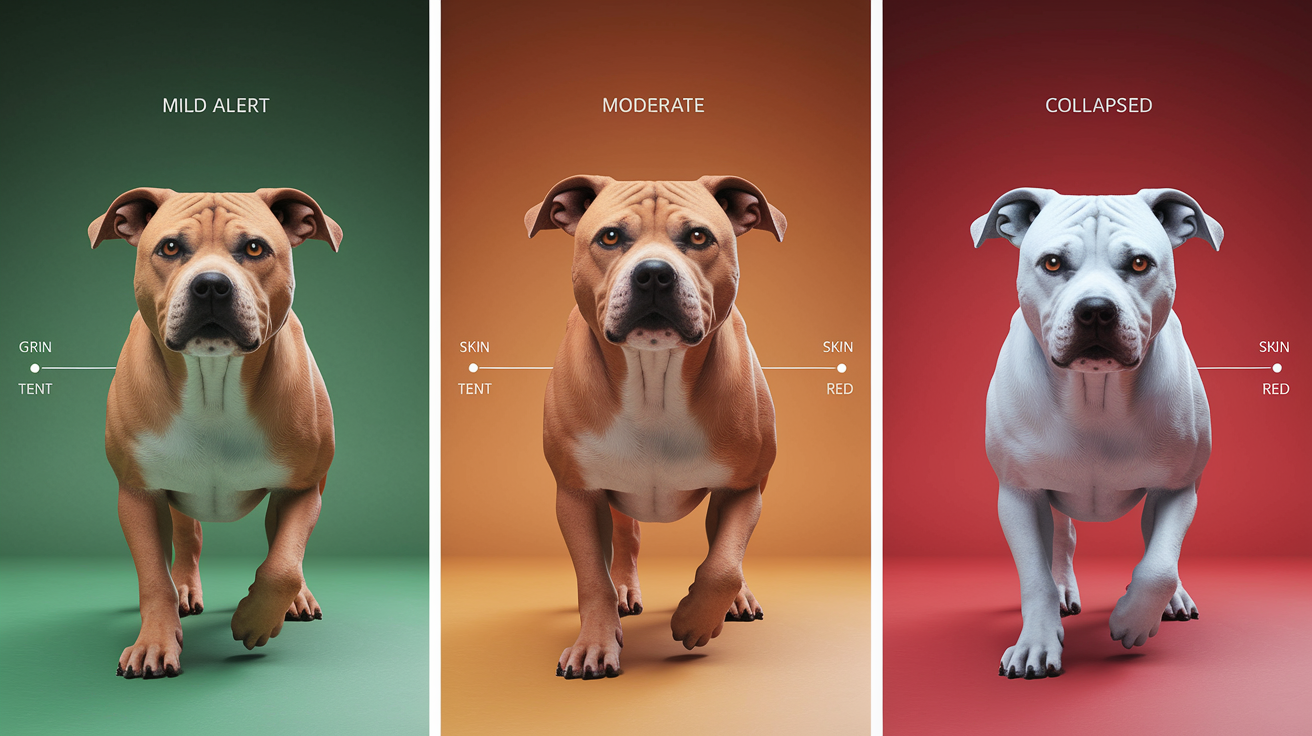
Understanding how dehydration progresses helps you decide whether you can monitor at home or need to call the vet right now. Dehydration moves through three stages, and symptoms stack as fluid loss increases.
Mild Dehydration
Mild dehydration’s the earliest stage, when you might catch the problem before it gets serious. Your dog’s starting to lose more water than they’re taking in, but organs are still functioning and the body’s compensating.
- Gums feel slightly tacky or sticky instead of fully moist
- Dog seems a little less energetic than normal but still responsive
- May pant more than usual, especially after mild activity
- Skin tent test shows a slight delay in return, but skin does snap back within 1 to 2 seconds
Moderate Dehydration
Moderate dehydration means the body’s struggling to maintain normal function. Electrolyte imbalances are starting to affect muscles and circulation, and the dog needs veterinary attention soon.
- Gums feel dry and may look dull instead of glistening
- Loss of appetite or refusal to eat for 12 to 24 hours
- Skin tent test shows clear tenting, skin returns slowly over several seconds
- Dog is noticeably lethargic, lying down most of the time and reluctant to move
- Decreased urination or very dark, concentrated urine
Severe Dehydration (Emergency)
Severe dehydration’s life threatening and requires immediate veterinary care. Circulation’s compromised, organs aren’t getting enough oxygen, and the dog’s at risk of collapse or organ shutdown.
- Vomiting and/or diarrhea that won’t stop, especially if both are happening at once
- Sunken eyes that look hollow or recessed into the skull
- Extremely dry gums that may be very pale, white, or dark brick red
- Panting so hard the sides heave and the tongue hangs limply
- Heart rate above 160 beats per minute (resting normal is roughly 70 to 120 bpm for most dogs)
- Collapse, inability to stand, or signs of shock such as cold legs or weak pulse
Causes of Dehydration in Dogs and Puppies
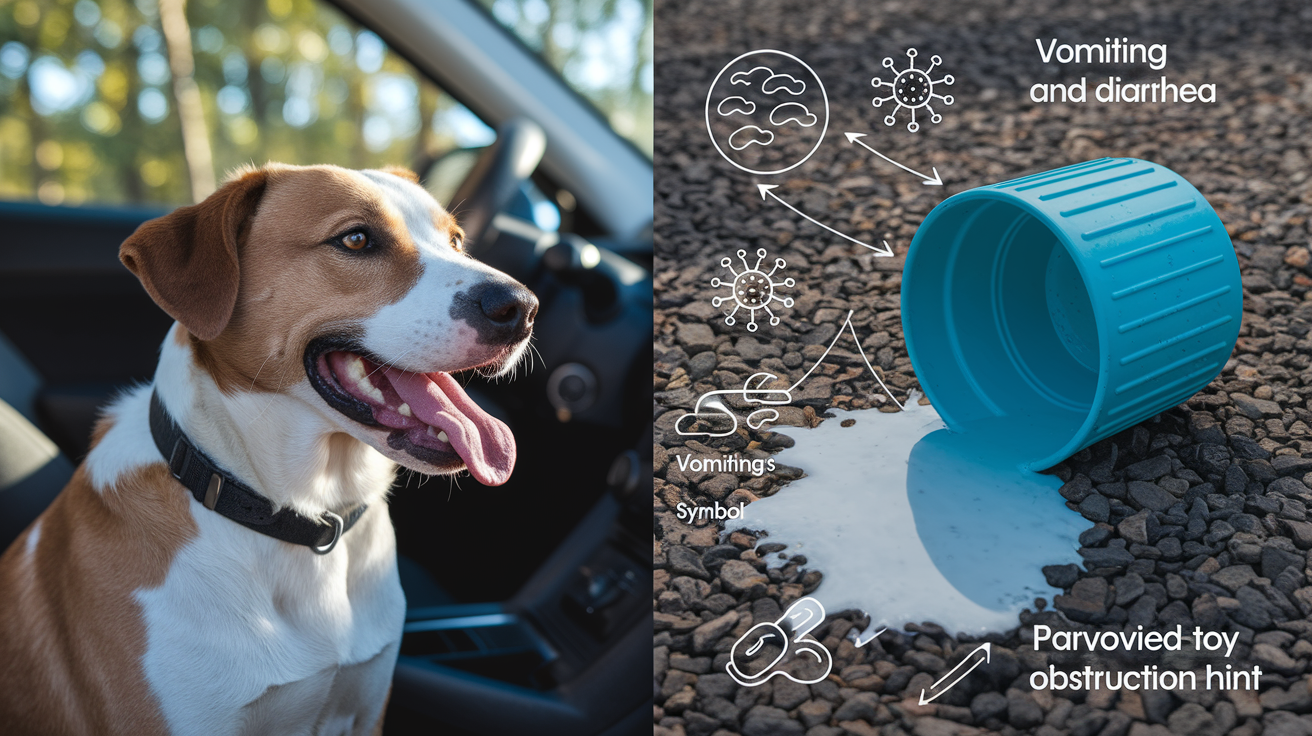
Dehydration happens when water loss outpaces intake, and several common situations push dogs into that deficit fast. Vomiting and diarrhea are the most frequent culprits, especially when both occur together. If your dog has ongoing digestive upset for more than 24 hours, fluid and electrolyte losses can overwhelm their system quickly.
Heatstroke’s another dangerous cause. When a dog’s body temperature climbs above 105.8°F, they can’t cool down efficiently through panting alone. Dogs left in enclosed vehicles are at extreme risk. Heatstroke can develop in just 15 to 20 minutes even when the outside temperature’s only 60°F. Overweight dogs and short muzzled breeds like Bulldogs and Pugs overheat faster and struggle to regulate temperature.
Chronic illnesses quietly increase dehydration risk over time. Dogs with kidney disease, Cushing’s disease, or diabetes may drink more water than usual yet still become dehydrated because their bodies can’t hold onto fluids properly. Nursing mothers also need significantly more water to produce milk, and if they don’t drink enough they’ll deplete their own reserves.
Puppies face unique vulnerabilities. Parvovirus causes severe, bloody vomiting and diarrhea that dehydrates puppies within hours. Intestinal parasites like hookworms, roundworms, whipworms, Giardia, and coccidia drain fluids through persistent diarrhea. Foreign body obstructions, like swallowed toys, rocks, or socks, can trigger repeated vomiting within 30 minutes of eating or drinking, making it impossible for the puppy to rehydrate on their own.
Common dehydration causes:
- No access to water or refusal to drink due to nausea or pain
- Persistent vomiting and diarrhea lasting more than a few hours
- Heatstroke from high temperatures, humidity, or enclosed spaces without airflow
- Chronic diseases that increase urine output or impair fluid retention
- Nursing mothers producing milk without replacing lost fluids
- Puppies with parvovirus, parasites, or intestinal blockages
- Excessive panting during exercise, travel, or stressful events without water breaks
When to Seek Veterinary Care for Dehydration
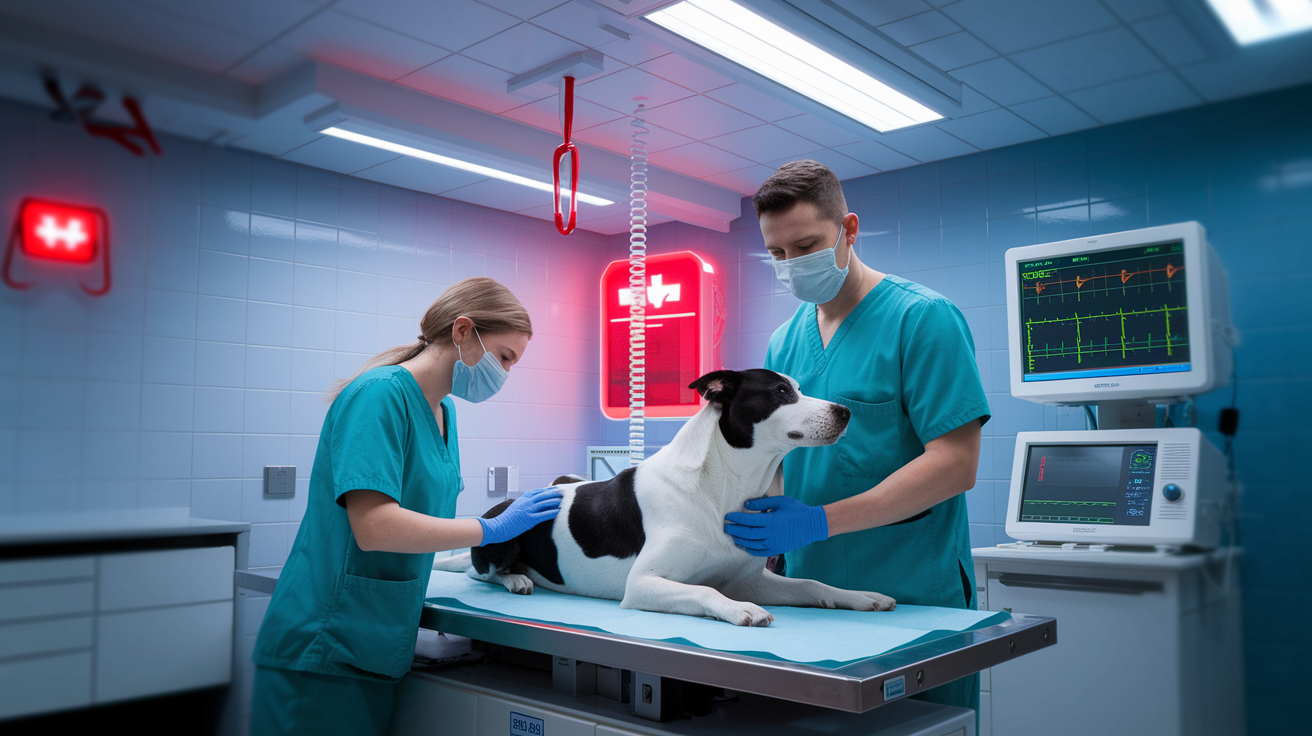
Some dehydration situations need a vet immediately, not tomorrow or later today. If your dog collapses, won’t stand, or shows signs of shock like cold legs and a weak pulse, get to an emergency clinic right now. The same urgency applies if vomiting or diarrhea won’t stop and your dog can’t keep even small sips of water down.
A resting heart rate above 160 beats per minute is another red flag. You can feel your dog’s heartbeat by placing your hand on the left side of their chest just behind the elbow. Normal rates sit around 70 to 120 beats per minute for most dogs. Small breeds run a bit higher. If the heart’s pounding fast and hard, especially combined with pale or dark red gums and sunken eyes, that’s a cardiovascular emergency.
Your vet will run diagnostics to pinpoint the cause and measure severity. Expect a thorough physical exam including body temperature, heart rate, and respiratory rate. Fecal tests check for parasites, abdominal x-rays look for blockages, and bloodwork plus urinalysis reveal electrolyte imbalances and organ function. Treatment usually involves fluid therapy, either subcutaneous fluids given under the skin for moderate cases or intravenous (IV) fluids for severe dehydration. The vet will also treat the underlying cause, whether that’s medication for vomiting, antibiotics for infection, or supportive care for parvovirus.
Call your vet or an emergency clinic if you see any of these signs:
- Ongoing vomiting or diarrhea for more than 12 to 24 hours
- Sunken eyes and extremely dry or discolored gums
- Inability to keep water or food down after repeated attempts
- Heart rate sustained above 160 beats per minute
- Collapse, extreme lethargy, or disoriented behavior
- Dog hasn’t eaten in 24 hours and shows other dehydration symptoms
Safe At-Home Rehydration Steps for Mild Dehydration
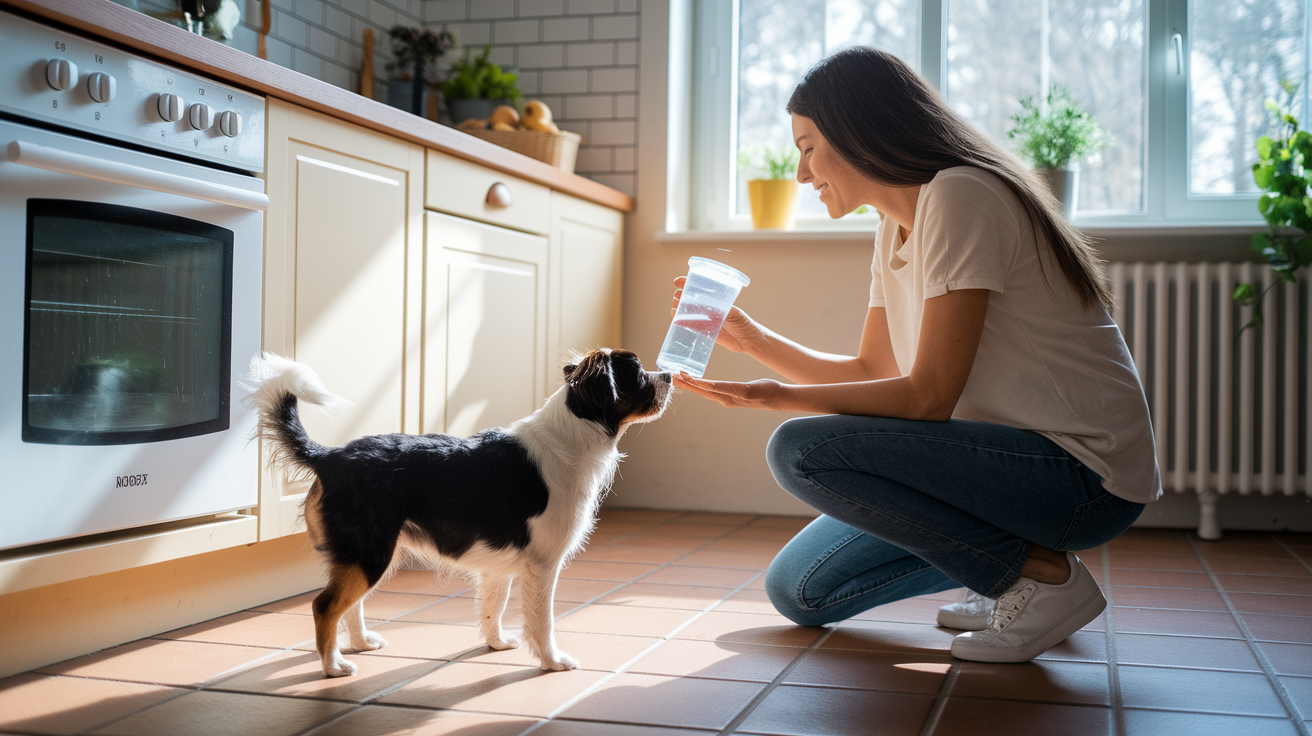
If your dog shows only mild signs—slightly tacky gums, a bit less energy, but still alert and able to stand—you can start rehydration at home while keeping a close watch. The key is offering small amounts of cool, clean water frequently instead of letting your dog gulp a full bowl at once. Large volumes can trigger vomiting, which makes dehydration worse.
For small dogs weighing 10 to 20 pounds, offer about one teaspoon of water every few hours. Medium to large dogs can handle one tablespoon to a quarter cup every few hours. Sit with your dog and encourage them to drink calmly. If they refuse water, try offering ice chips to lick or wetting their gums with a damp cloth.
Follow these steps for safe at home care:
- Offer small, frequent sips – Give water in controlled amounts every 2 to 3 hours rather than free access to a full bowl if vomiting’s a concern.
- Monitor closely for 24 hours – Recheck gums, skin tent, and energy level every few hours. If symptoms worsen or don’t improve, call your vet.
- Encourage rest in a cool, quiet space – Reduce activity and keep your dog comfortable to lower water loss through panting.
- Track water intake and bathroom habits – Note how much they drink and whether urine output and color return to normal.
- Stop home care and call the vet if – Vomiting starts, diarrhea develops, your dog won’t drink at all, or signs progress to moderate or severe levels within a few hours.
Daily Prevention and Long-Term Hydration Habits
Preventing dehydration starts with making sure your dog drinks roughly one ounce of water per pound of body weight each day. That’s a general guideline, not a strict rule, but it gives you a baseline to track. A 25 pound dog should drink around three cups of water daily under normal conditions. In hot weather, after exercise, or for nursing mothers, that amount goes up.
Clean and refill your dog’s water bowl every single day. Stale water, floating food bits, and dust discourage drinking, and bacteria can build up fast in warm weather. Keep bowls in easy to reach spots throughout the house, especially if you have a senior dog with mobility issues or a puppy still learning the layout.
Senior dogs and those with chronic illnesses need extra attention. Schedule routine bloodwork and urinalysis annually for healthy adults, and every six months for seniors or dogs with kidney disease, diabetes, or Cushing’s. These tests catch early signs of dehydration risk before symptoms appear. During summer or travel, bring portable water containers and offer breaks every hour on long walks or car trips.
| Dog Weight | Approx. Daily Water Need |
|---|---|
| 10 pounds | ~1.25 cups (10 ounces) |
| 25 pounds | ~3 cups (25 ounces) |
| 50 pounds | ~6 cups (50 ounces) |
| 75 pounds | ~9 cups (75 ounces) |
Keep fresh water accessible at all times, increase water availability when it’s hot or humid, and never leave your dog unattended in a car without air conditioning. Stay current on vaccines and parasite prevention to reduce the risk of illnesses that cause vomiting and diarrhea. Simple daily habits like clean bowls, easy water access, and attention to changes in drinking or bathroom patterns catch dehydration before it becomes an emergency.
Final Words
in the action, this guide covered visual clues, at-home checks, physical symptoms, severity levels, common causes, when to see a vet, safe first-aid fluids, and long-term prevention.
Look for sunken eyes, a dull coat, and low energy. Try quick tests like the skin tent, gum moisture, and capillary refill.
If signs are mild, give small sips and watch for improvement over 12 to 24 hours. Call the vet for collapse, ongoing vomiting or diarrhea, a very fast heart rate, or no improvement.
Watching for signs of dehydration in dogs helps you act quickly and keep your pet comfortable. You’ve got this.
FAQ
Q: How do you rehydrate a dog?
A: Rehydrating a dog involves offering small amounts of water or a vet‑approved oral electrolyte (like unflavored Pedialyte), e.g., small dogs ~1 teaspoon every few hours, medium/large 1 tablespoon–1/4 cup; call a vet if vomiting or severe signs.
Q: Do dogs act weird when dehydrated?
A: Dogs acting dehydrated often seem off: unusually tired, weak, restless, panting heavily, less interested in food, or confused. Call a vet if changes are sudden, severe, or include collapse or fainting.
Q: How can you tell if a dog is getting dehydrated?
A: You can tell a dog is getting dehydrated by simple signs: tacky or dry gums, sunken eyes, skin tent that returns slowly, capillary refill over 2 seconds, and dark, concentrated urine.
Q: How quickly do dogs recover from dehydration?
A: Recovery speed depends on severity: mild dehydration often improves within 24–48 hours with careful at‑home fluids; moderate to severe cases may need veterinary fluids and can take several days—seek vet care if not improving.