

Could your dog’s cough after a drink be harmless, or a sign of something serious?
That sudden, sputtery cough after a big gulp is often just water going the wrong way and usually settles in seconds.
But repeated coughing with drinking, noisy breathing, low energy, or slow worsening can point to an airway problem or infection.
This post helps you sort those differences fast.
You’ll get simple home steps, exact things to watch for over the next 24 to 48 hours, clear red flags that need a vet, and what to tell the clinic if you go.
Understanding Why Dogs Cough After Drinking: Immediate Answers for Worried Owners
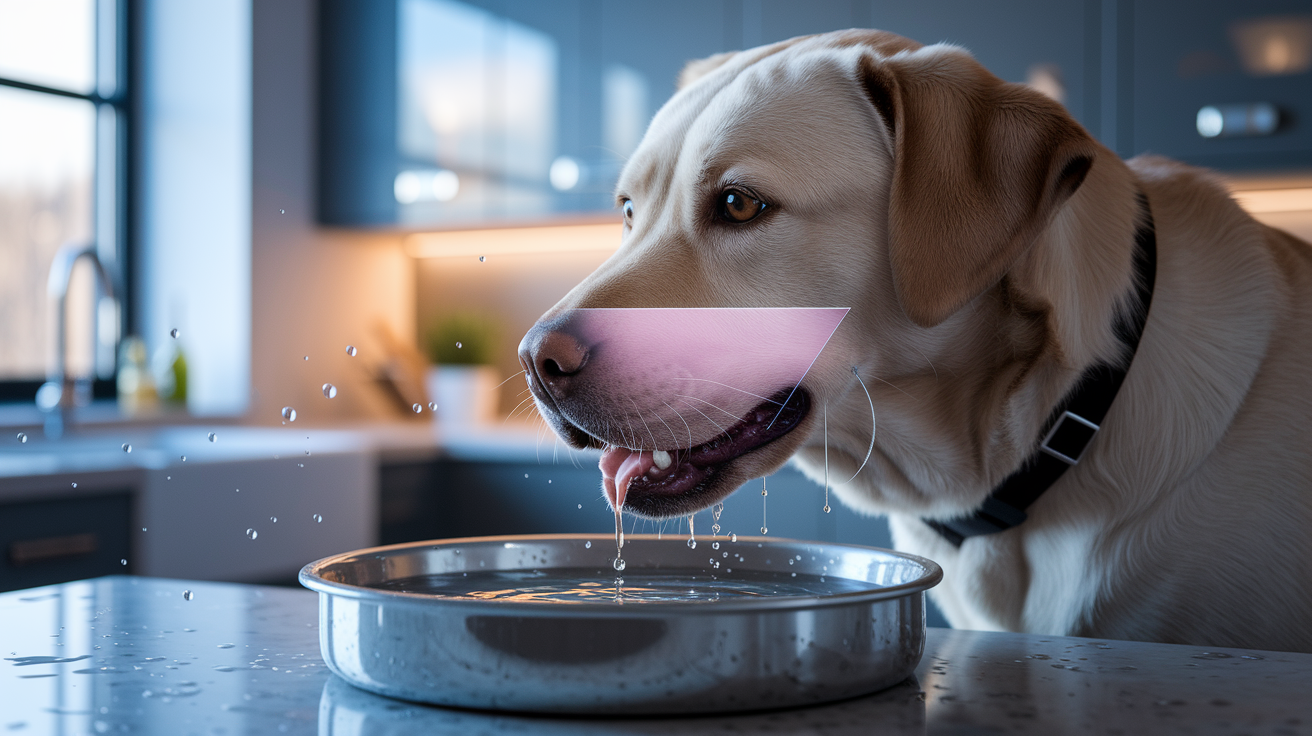
Your dog just finished a big drink and suddenly starts coughing or sputtering. That instant worry is completely normal. Most of the time, coughing after drinking happens because your dog took in water too fast. The epiglottis didn’t close quickly enough, and a few droplets made their way into the trachea instead of the esophagus. The body reacts immediately with a cough to clear it. Sounds alarming, but it’s usually over in seconds. Your dog shakes it off, and everything returns to normal. Think of it like when you accidentally inhale a sip of water yourself.
Repeated coughing after drinking is different. If your dog coughs every time they drink, or if the cough persists for days or gets worse, something else may be going on. Collapsing trachea, laryngeal paralysis, kennel cough, or even aspiration pneumonia can all show up as coughing triggered by water intake. These aren’t always emergencies, but they do need veterinary attention to diagnose and manage.
To help you sort out what’s normal from what needs a call to the vet, watch for these clues:
Frequency. A single cough after gulping water is common. Coughing every time they drink, or multiple times a day, is not.
Timing. Does the cough happen only right after drinking, or does it continue for minutes or return throughout the day?
Energy level. Is your dog acting like themselves, playing and eating normally, or are they tired, withdrawn, or less interested in activity?
Appetite. A dog who coughs once but eats and drinks normally is different from one who avoids water or food because swallowing triggers discomfort.
Breathing effort. Steady, quiet breathing between episodes is reassuring. Panting when resting, noisy breathing, or visible effort to breathe signals a problem.
Change over time. An isolated event that doesn’t repeat is usually fine. A cough that starts mild and becomes more frequent, louder, or harsher over days or weeks needs evaluation.
Pay attention to the overall pattern, not just one moment. A worried owner who tracks symptoms for 24 to 48 hours will have a much clearer picture of whether this is a hiccup or something that needs professional eyes.
Detailed Mechanical Breakdown of Coughing After Drinking
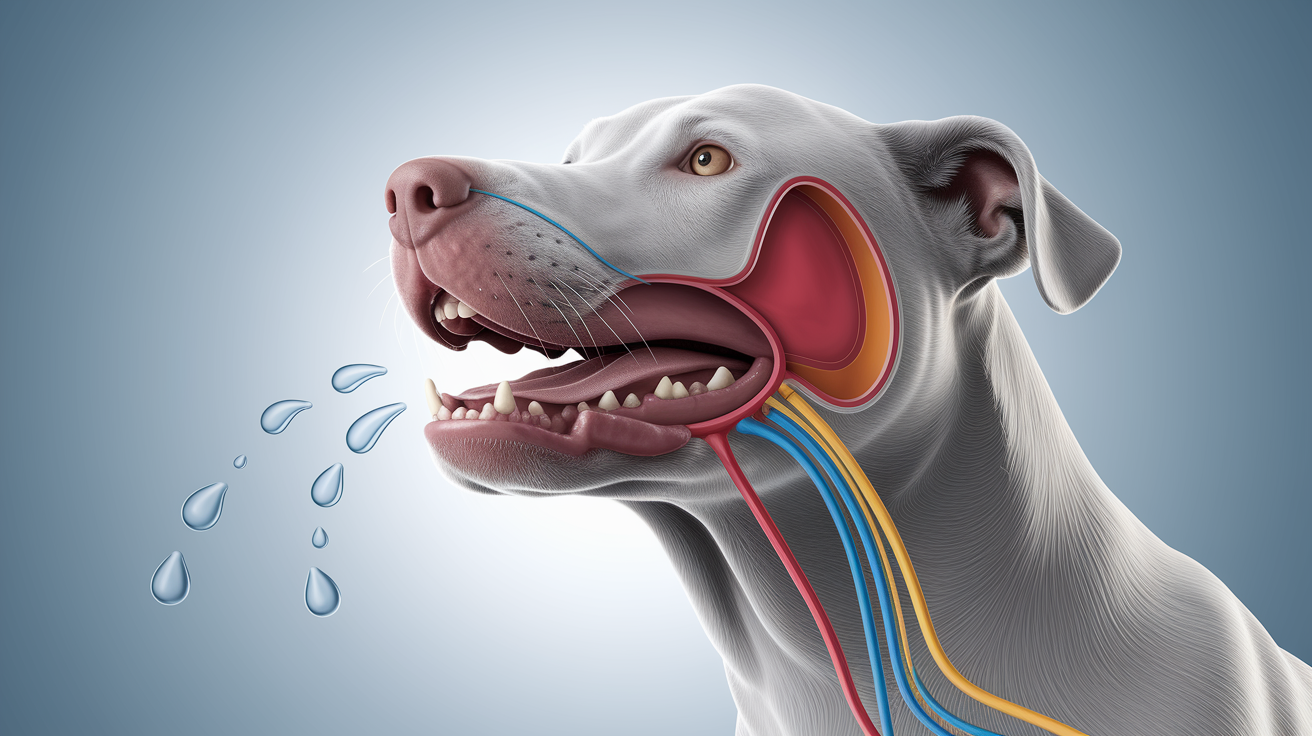
When your dog drinks, water moves from the mouth, over the back of the tongue, past the epiglottis, and down the esophagus to the stomach. The epiglottis is a small flap of cartilage that sits at the entrance to the trachea. Its job is to close the airway the moment swallowing begins, so food and water stay out of the lungs. When your dog gulps water quickly, especially after exercise or play, the epiglottis may not close fast enough. A small amount of water slips into the trachea. That triggers an immediate, reflexive cough to expel it. The system is working exactly as designed. Your dog just drank faster than the reflex could keep up.
Reverse sneezing can also happen if water or a spray of droplets reaches the nasal passages or the back of the throat in a way that irritates soft tissue. This is especially common in brachycephalic breeds like Pugs, Bulldogs, and Boston Terriers, whose shorter nasal passages and soft palate anatomy make them more sensitive. Reverse sneezing sounds like snorting or a rapid inward gasp, and it often looks more dramatic than it is. It’s not the same as a cough. The airflow is pulling inward through the nose rather than expelling air from the lungs, but owners often mistake the two. Usually lasts only a few seconds and stops on its own.
The physics of gulping matters. A dog who rushes to the bowl after a walk, run, or intense play session is panting, breathing heavily, and swallowing large volumes of water in quick succession. That combination makes mistimed swallows more likely. Breed anatomy plays a role, too. Small breeds with narrow tracheas, dogs with flat faces and crowded airways, and older dogs with weakened throat structures are all more vulnerable to drinking mishaps.
You can reduce mechanical coughing with a few simple adjustments at home:
Offer water in smaller amounts and refill the bowl more often, especially right after exercise or during hot weather.
Let your dog rest for a few minutes after activity before offering a full bowl of water. This gives breathing and heart rate time to settle.
Use a wide, shallow bowl instead of a deep one. Shallow water slows intake naturally and reduces the gulping reflex.
Supervise dogs who drink frantically or competitively. If you have multiple pets, separate water stations can reduce the urge to rush.
Tracheal and Airway Conditions That Trigger Coughing After Water Intake
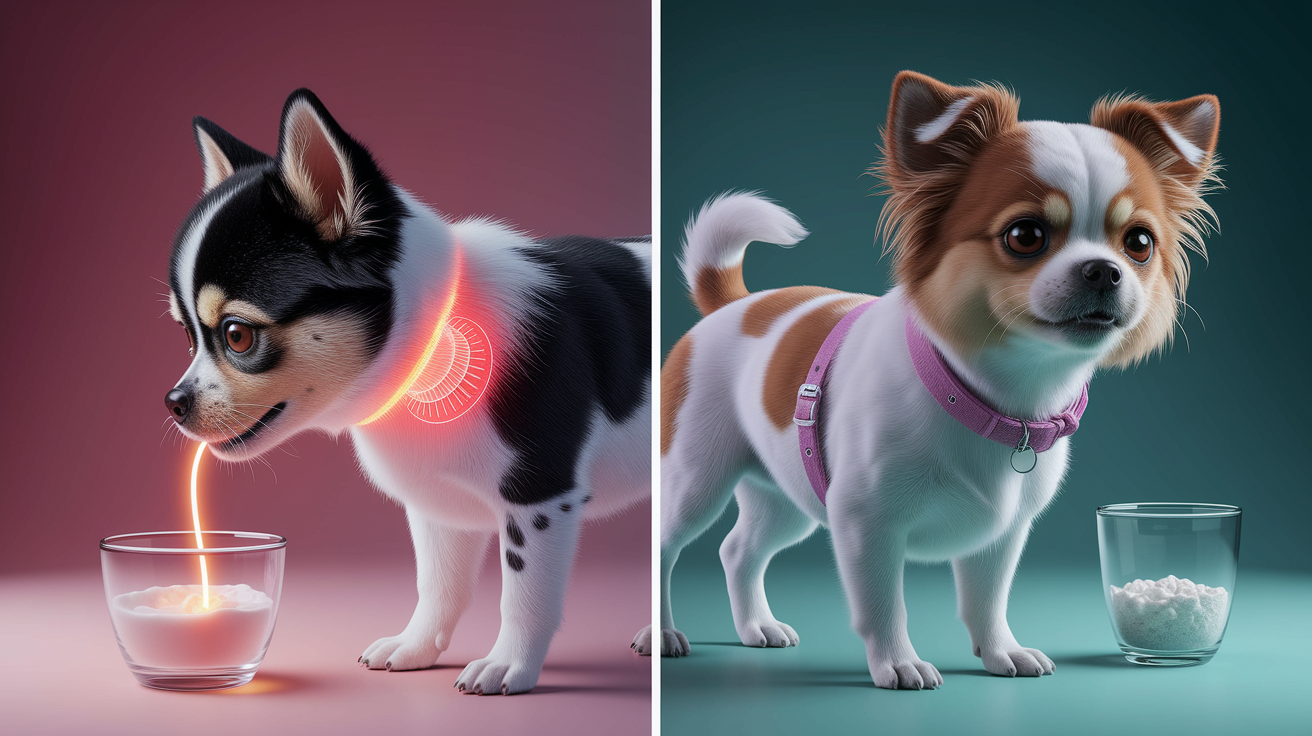
Structural problems in the airway itself, especially the trachea and larynx, can make drinking water a consistent trigger for coughing. These conditions don’t usually appear suddenly. They develop over time, or they’re present from birth and worsen as the dog ages. Either way, water passing near a weakened or malfunctioning airway is more likely to cause irritation, partial obstruction, or aspiration.
Tracheal Collapse and Drinking-Related Coughing
The trachea is a tube made of C-shaped cartilage rings stacked on top of each other, lined with a thin membrane. In a healthy trachea, those rings stay firm and hold the airway open. In collapsing trachea, the cartilage weakens and loses rigidity. The rings flatten, the trachea narrows, and airflow becomes turbulent and noisy. This condition is most common in small and toy breeds. Yorkshire Terriers, Pomeranians, Chihuahuas, Maltese, and Toy Poodles. It typically shows up in middle age, often starting around four to six years old, though it can appear earlier or later.
The hallmark sound is a dry, honking cough that sounds almost like a goose. Drinking water, excitement, pulling on a collar, or even just getting up quickly can all trigger it. The cough happens because the collapse creates turbulence and the sensitive tracheal lining reacts to any stimulus, including the pressure change from swallowing or the proximity of the esophagus expanding as water moves through it. A veterinarian diagnoses collapsing trachea by feeling the throat during an exam. Palpating the trachea often triggers a cough if collapse is present. They’ll also take X-rays of the chest and neck. In some cases, a specialist may use fluoroscopy (moving X-ray) to watch the trachea collapse and expand in real time during breathing.
Laryngeal Paralysis and Aspiration Risk
Laryngeal paralysis is a condition in which the muscles that open the laryngeal folds (the gateway to the trachea) stop working properly. Normally, those folds pull apart when your dog breathes in, widening the airway. In laryngeal paralysis, one or both sides stay partly or fully closed, creating a partial blockage. This condition is most common in older, large-breed dogs. Labrador Retrievers, Golden Retrievers, and Saint Bernards. It usually develops gradually as dogs age, often after seven or eight years.
The first signs are often heavy panting, even at rest, a raspy or hoarse bark, and noisy breathing that sounds like snoring or roaring when the dog inhales. Swallowing becomes less coordinated because the same nerves that control the larynx also affect the muscles of the throat. Water may slip past the partially closed larynx and into the airway, especially if the dog drinks quickly or tilts their head in a certain way. That’s aspiration, and it can lead to coughing, gagging, or even aspiration pneumonia if it happens repeatedly. Diagnosis requires a physical exam, a detailed history of breathing and drinking patterns, and often direct observation of the larynx while the dog is lightly sedated. The veterinarian watches the laryngeal folds to see if they move normally when the dog breathes.
Both collapsing trachea and laryngeal paralysis change the way a dog drinks. Owners often notice their dog hesitates at the bowl, drinks in smaller sips, or coughs immediately after swallowing. Those behaviors are the dog’s way of trying to avoid triggering the cough or managing the discomfort. If you’re seeing that pattern, it’s time for an evaluation.
Infections and Inflammatory Causes of Coughing After Drinking
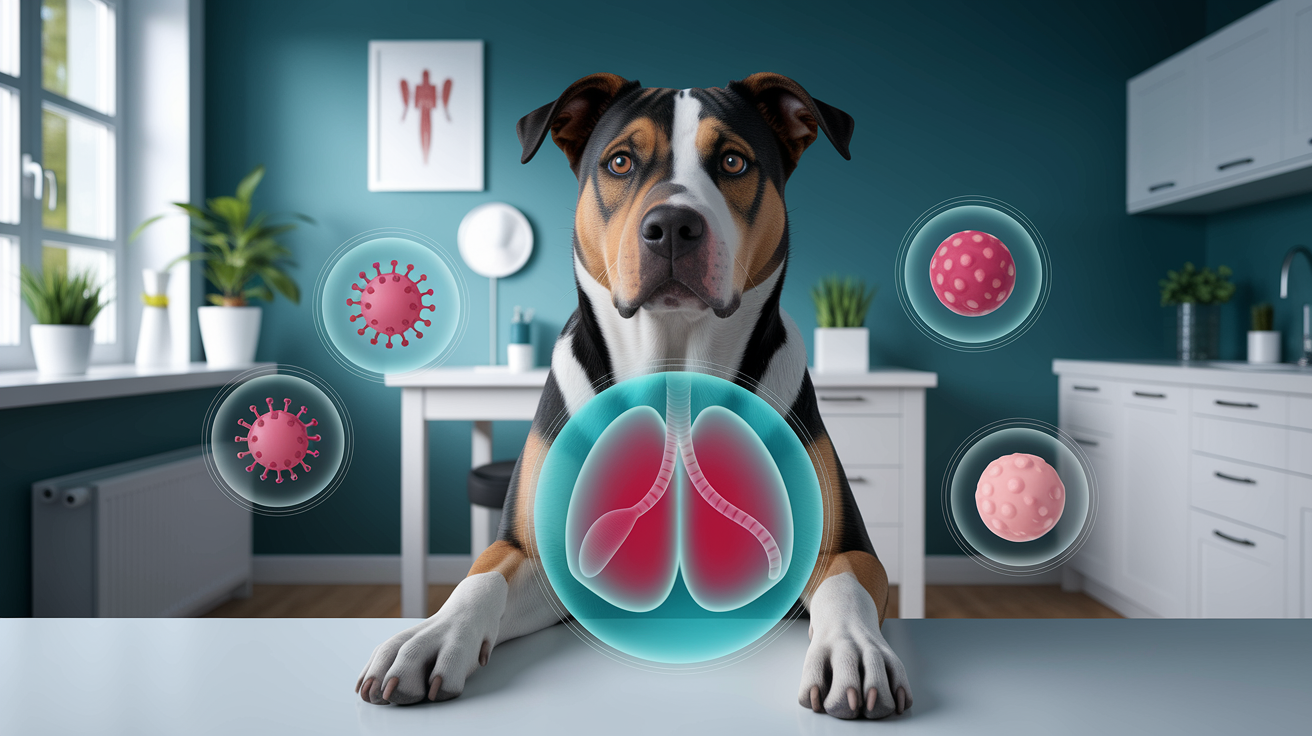
Respiratory infections, especially those that inflame the lining of the trachea and bronchi, make the airway hypersensitive. When tissue is swollen and irritated, even the normal movement of the esophagus expanding as water passes through it can trigger a cough. The esophagus sits right behind the trachea, separated only by a thin layer of tissue. Any pressure or motion in that area, swallowing, coughing, even a deep breath, can set off another round of coughing when the airway is already inflamed.
Kennel cough, formally called infectious canine tracheobronchitis, is the most common infection that causes this pattern. It’s caused by a mix of viruses and bacteria, most often Bordetella bronchiseptica. Spreads easily in places where dogs are close together. Boarding kennels, grooming salons, dog parks, veterinary waiting rooms, and daycare facilities. The cough is harsh, dry, and often described as honking or goose-like. It can sound almost identical to the cough from collapsing trachea, which is why a vet exam and history are so important. Dogs with kennel cough often cough after drinking because the act of swallowing irritates the inflamed trachea. The infection usually runs its course in two to three weeks, but the cough can linger a bit longer even after the dog feels better.
If you suspect kennel cough, especially if your dog was recently around other dogs, isolate them from other pets in your home. Disinfect water bowls, food dishes, and any shared surfaces or bedding with a pet-safe cleaner. Wash your hands after handling the affected dog, and avoid taking them to public dog areas until the cough has been gone for at least 48 hours. Kennel cough isn’t usually dangerous in healthy adult dogs, but it can be more serious in puppies, elderly dogs, or dogs with other health problems. If your dog is lethargic, refusing food, or showing any sign of breathing difficulty, contact your veterinarian right away.
Serious Medical Concerns: Aspiration Pneumonia and Foreign Bodies
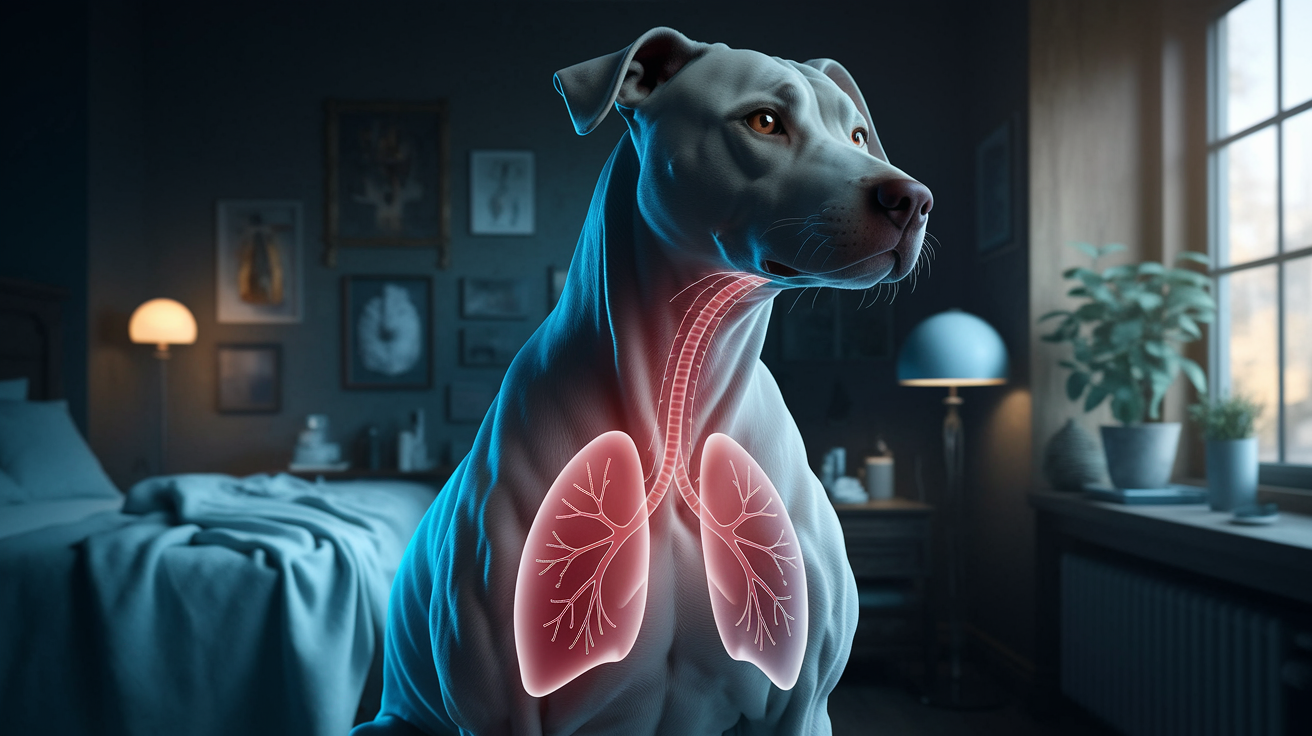
Aspiration pneumonia happens when water, saliva, food, or vomit enters the lower airways and lungs instead of staying in the esophagus and stomach. Once foreign material reaches the lungs, it triggers inflammation and often bacterial infection. This is not the same as a single cough after gulping water too fast. Aspiration pneumonia develops over hours or days and comes with systemic signs. Your dog will look and act sick. Watch for a persistent cough that doesn’t improve, lethargy, loss of appetite, nasal discharge, and fever. Some dogs will also breathe faster or with more effort than usual, even when resting. If you see those signs, especially after an episode where your dog choked, vomited, or inhaled water during swimming, call your veterinarian.
Foreign bodies lodged in the throat or pharynx (the area behind the mouth and above the esophagus) can also cause sudden, severe coughing after drinking. Common culprits include bone fragments, fish hooks, grass blades, sticks, or even sewing thread. These objects irritate the tissue and interfere with normal swallowing. Your dog may gag, drool excessively, paw at their mouth, or repeatedly try to swallow without success. Drinking water worsens the problem because the object shifts or the water can’t pass normally. If you suspect a foreign body, do not try to remove it yourself. Contact your veterinarian or an emergency clinic immediately. Attempting to pull out an object can cause more damage, especially if it’s sharp or lodged deeply.
These five signs mean you need veterinary help right now, not tomorrow:
Blue or pale gums, a sign of poor oxygenation
Collapse or extreme weakness
Severe, unrelenting coughing or gagging that doesn’t stop
Rapid, shallow breathing or visible effort to breathe (flared nostrils, extended neck, open-mouth breathing while at rest)
Repeated aspiration events, choking or inhaling water or food more than once in a short period
How to Tell Normal Coughing From a Problem: Symptom Comparison for Owners
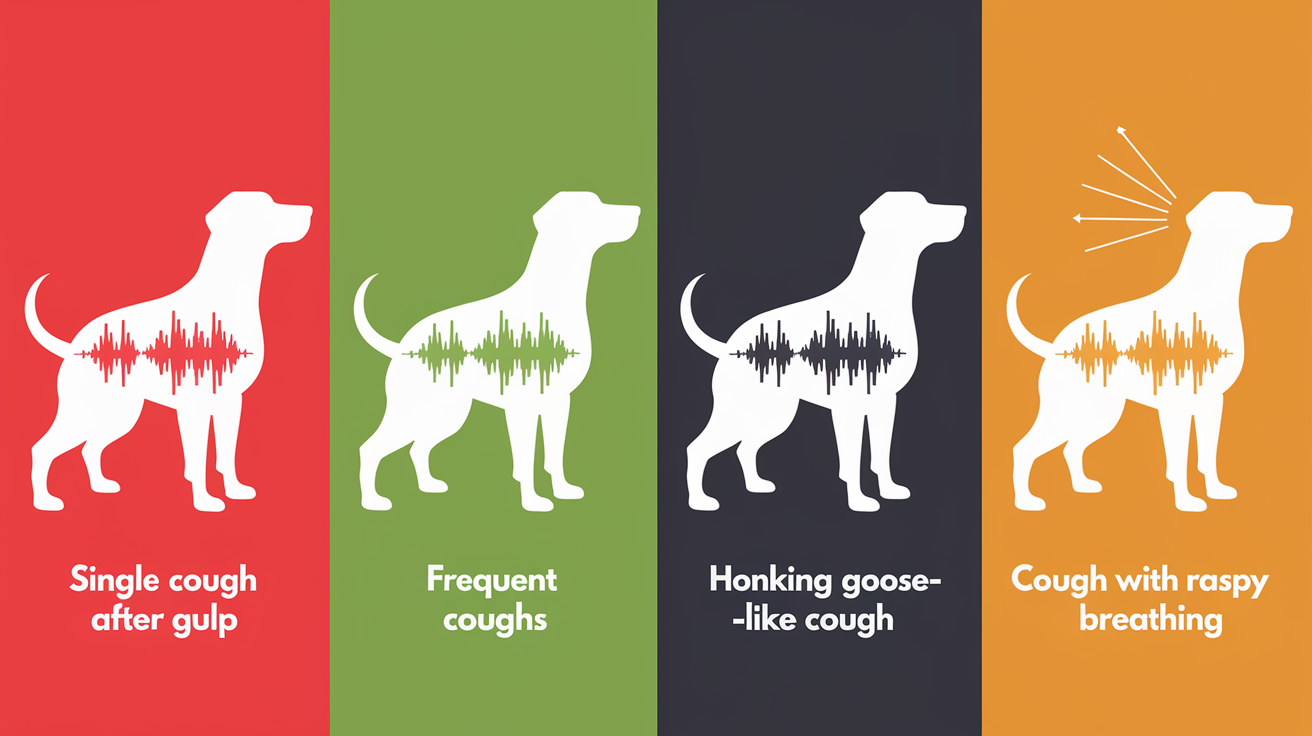
Occasional coughing after fast drinking is common and usually harmless. Persistent, worsening, or odd-sounding coughs indicate something more serious. The key difference is pattern. One cough after your dog gulps half a bowl in three seconds is not the same as a dog who coughs every time they drink, or whose cough has changed from rare to daily over the past two weeks.
| Pattern | Likely Meaning | Recommended Action |
|---|---|---|
| Single cough or sputter right after gulping, dog resumes normal activity immediately | Water entered the trachea briefly, reflex cleared it | Monitor; slow drinking with smaller portions |
| Coughing every time the dog drinks, or multiple times per day | Possible tracheal collapse, laryngeal issue, or infection | Schedule a veterinary exam within a few days |
| Honking or goose-like cough, worse with excitement or collar pulling | Likely collapsing trachea or kennel cough | Veterinary evaluation and diagnostics (X-rays, throat palpation) |
| Cough plus raspy breathing, heavy panting, or abnormal swallowing | Possible laryngeal paralysis or aspiration risk | Prompt veterinary exam, sedated laryngeal assessment may be needed |
Patterns help you separate irritation from illness. A dog who coughs once after a long hike and then plays normally has had a mechanical hiccup. A dog who coughs after every drink, avoids the water bowl, or shows any breathing changes is signaling that something isn’t working right. Trust your gut. If the coughing feels different, more frequent, or just “off,” it’s worth a call to your vet. You’re not overreacting. You’re gathering information and acting on it.
Practical Ways to Reduce or Prevent Coughing After Water Intake
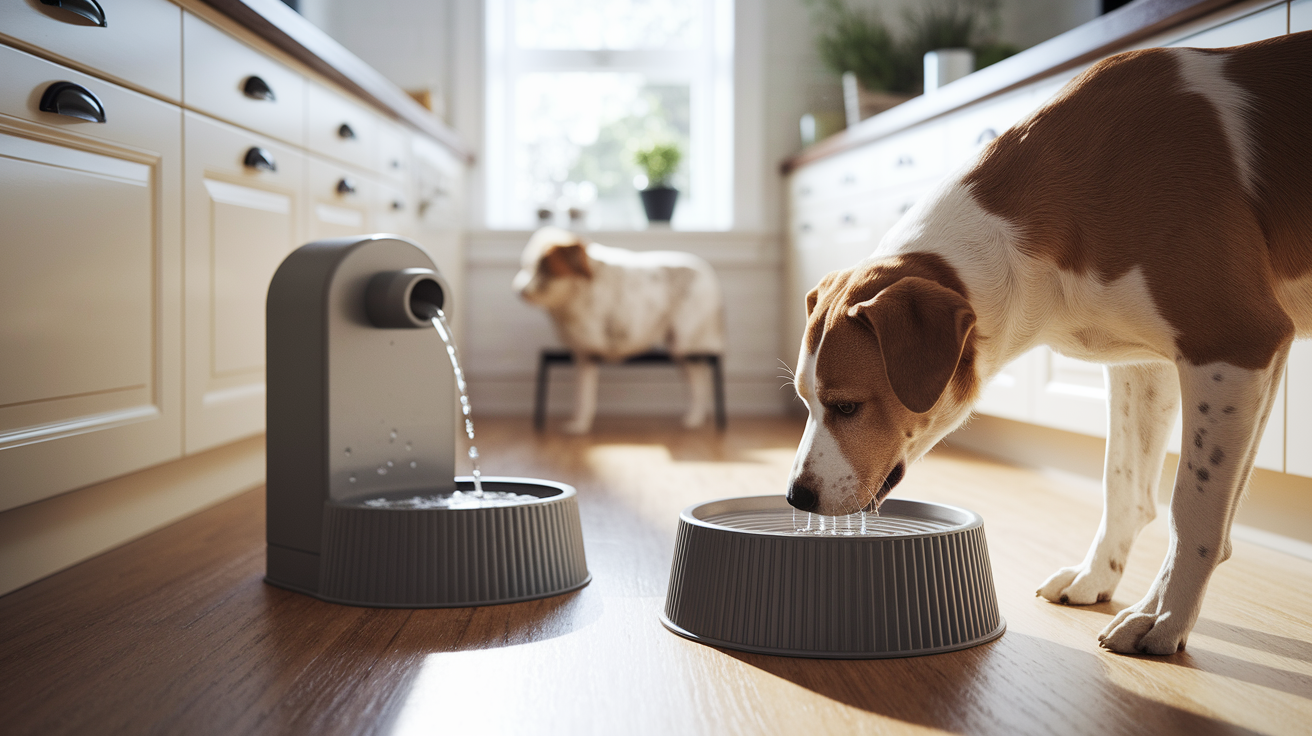
If your dog coughs because they drink too fast, you can slow them down with a few simple tools and habits. Slow-feeder water bowls, designed with raised obstacles or ridges inside, force your dog to lap water around the barriers instead of gulping it in large volumes. These bowls work especially well for dogs who dive into the water bowl like they’ve been stranded in the desert. You can also use a pet water fountain. The moving stream encourages smaller, more frequent sips rather than deep gulps.
Raised water bowls can help dogs with neck or tracheal sensitivity by reducing the need to lower the head sharply, but they’re not right for every dog. Some dogs, especially those prone to bloat or large, deep-chested breeds, may do better with bowls on the ground. If your dog has been diagnosed with collapsing trachea or another airway condition, ask your veterinarian whether bowl height might help before making a change.
If your dog’s drinking behavior is the issue, training can help:
Teach a “wait” or “easy” cue before allowing access to the water bowl, especially right after exercise. Practice having your dog sit calmly for five to ten seconds before drinking. Reward calm behavior with access to water.
Offer water in multiple small sessions rather than one deep bowl that sits out all day. Refill a shallow dish three or four times instead of filling a large bowl once. This naturally paces intake.
For dogs who gulp competitively when other pets are around, separate water stations in different rooms. Reducing competition reduces the urge to rush.
When to See a Veterinarian for Coughing After Drinking Water

Frequent coughing after drinking, coughing that lasts more than a few seconds, or coughing that comes back every time your dog drinks is reason enough to call your veterinarian. You’re not being overly cautious. Persistent coughing can signal tracheal collapse, laryngeal paralysis, infection, or aspiration risk. All of those need professional evaluation and a tailored management plan. Early diagnosis often means better outcomes and more options for treatment.
Breathing changes are an urgent sign. If your dog is panting heavily when they shouldn’t be, breathing noisily (raspy, wheezing, or roaring sounds), or showing any visible effort to breathe (extended neck, flared nostrils, open-mouth breathing while resting), contact your veterinarian the same day. If you see blue or pale gums, collapse, or severe distress, go to an emergency clinic immediately. These are not wait-and-see situations.
Before your appointment, document what you’re seeing. Videos are especially helpful. Record your dog coughing, drinking, and breathing at rest. Your veterinarian can often learn more from a ten-second video than from a verbal description. Also write down:
How often the coughing happens (once a day, every time they drink, random throughout the day)
When it started and whether it’s getting worse, staying the same, or improving
How much water your dog typically drinks in one session
What the cough sounds like (dry, wet, honking, hacking, gagging)
Any other symptoms, changes in energy, appetite, breathing, or behavior
At the appointment, your veterinarian will likely start with a physical exam, listening to the chest and heart, palpating the throat to check for tracheal sensitivity or collapse, and observing your dog’s breathing pattern. Depending on what they find, they may recommend chest and neck X-rays to look at the trachea, lungs, and heart. If laryngeal paralysis is suspected, a sedated exam to watch the laryngeal folds in action may be the next step. In cases of suspected infection, they may take cultures or prescribe antibiotics. The goal is to figure out why the cough is happening so they can treat the cause, not just the symptom.
Final Words
In the action, a quick cough after gulping or a splash is usually a one-off. We covered how fast drinking, swimming, or a stray sip can trigger a harmless clearing cough and simple mechanical fixes.
We also ran through when repeated episodes suggest tracheal or laryngeal problems, infection, aspiration, or a stuck foreign body, plus the red flags that need prompt care.
Watch patterns, try slow-drinking strategies and record a short video. If your dog coughing after drinking water keeps happening, small changes often help and a vet visit can bring relief.
FAQ
Q: Why does my dog start coughing after drinking water? When my dog drinks water, she gags.?
A: Dogs cough or gag after drinking because fast gulping can push water toward the windpipe, triggering a clearing reflex; occasional sputtering is common, but repeated or worsening episodes may mean airway disease or infection—see a vet.
Q: What can I give my dog for coughing and gagging?
A: For coughing and gagging, offer small, calm sips of water, keep your dog upright and resting, use humid air if possible, avoid human medicines, record episodes, and contact a vet for persistent or severe signs.