

Is mucus in your dog’s vomit a harmless hiccup or a sign something serious is hiding?
Sometimes it’s just the stomach making a protective coating after skipping a meal or eating grass.
But it can also point to infection, parasites, or a blockage.
This post breaks down common causes, what different mucus colors and timing usually mean, safe at home steps, and the clear warning signs that should make you call your vet right away.
Read on so you know what to watch for in the next 24 hours.
Primary Reasons Dogs Vomit Mucus

Mucus in your dog’s vomit usually means something’s irritating their digestive tract or airways. The stomach and esophagus pump out protective mucus when they sense upset, inflammation, or too much acid building up. That clear, slimy, or foamy stuff you’re seeing? It’s often the body’s way of coating and soothing those irritated surfaces.
A lot of the time, mucus vomiting is mild and short‑lived. A one‑time response to something minor like skipping a meal or eating too fast. But when it keeps happening or shows up with other worrying signs, you might be looking at infection, parasites, or a chronic condition that needs a vet to figure out.
Color, texture, and how often it happens give you important clues. A dog who vomits clear or white foamy mucus once in the morning and then acts totally normal? Probably just had an empty stomach for too long. A dog who keeps throwing up thick, yellow mucus all day, won’t eat, or seems tired? That could be gastritis, a dietary problem, or even a respiratory infection.
Timing matters. Morning vomiting often links to bile reflux from fasting overnight. Vomiting after meals can suggest food intolerance or eating way too quickly.
Understanding the common triggers helps you decide whether to watch and wait or call your vet right away. Most mucus vomiting falls into predictable patterns. Knowing what’s typical versus what’s urgent can save you stress and help your dog get the right care faster. Here are the core reasons dogs vomit mucus:
- Empty stomach or bile reflux from long gaps between meals, often producing yellow‑tinted foam first thing in the morning.
- Eating grass, spoiled food, or non‑food items that irritate the stomach lining and trigger protective mucus production.
- Acute gastroenteritis from a virus, bacteria, or sudden diet change, usually paired with diarrhea or lethargy.
- Respiratory infections like kennel cough that produce thick phlegm the dog coughs up and may vomit.
- Intestinal parasites such as roundworms or Giardia, more common in puppies or dogs with missed deworming schedules.
- Chronic conditions including inflammatory bowel disease, acid reflux, or pancreatitis that cause recurring mucus vomiting over weeks or months.
Understanding What Different Mucus Colors Mean

The color and consistency of mucus in vomit act like a quick snapshot of what’s happening inside. Clear or slightly white mucus typically comes from saliva or the esophagus, common when a dog’s been retching or coughing hard. White foam mixed with mucus often shows up when the stomach is irritated by acid but empty of food. Think of it as a sudsy layer protecting the stomach wall.
Yellow mucus signals bile, the digestive fluid stored in the gallbladder. Bile backs up into an empty stomach when a dog hasn’t eaten in many hours, producing that mustard‑colored foam. This is really common and usually harmless if it happens just once in a while.
Thicker, gel‑like mucus can mean the stomach or intestinal lining is inflamed and producing extra coating to shield itself from irritation. Green mucus mixed with plant debris usually means your dog ate grass, which many dogs do when their stomach feels off.
Brown or dark red streaks are the serious ones. They can indicate digested blood, which looks like coffee grounds, or fresh blood from an injury, ulcer, or severe irritation. Any hint of blood in vomit means you should contact your vet that day. Here’s a quick reference:
- Clear or white: empty stomach, mild reflux, or excess saliva from nausea.
- Yellow: bile from fasting too long between meals.
- Thick, slimy gel: inflammation of the stomach or esophagus lining.
- Dark brown or red: possible blood, urgent veterinary evaluation needed.
Causes That Require Immediate Veterinary Attention

Some mucus vomiting situations go from “wait and see” to “get help now” based on a handful of specific red flags. If your dog vomits mucus more than twice in a 24‑hour window, that’s your signal to call the vet. Repeated vomiting can dehydrate a dog quickly and often means the underlying cause isn’t resolving on its own.
Blood or dark, grainy material in the vomit is always urgent. Blood can show up as bright red streaks or as brown, coffee‑ground‑looking specks. Both indicate bleeding somewhere in the digestive tract, whether from an ulcer, a foreign object injury, or a serious infection.
Behavioral changes turn mild vomiting into an emergency. If your dog’s also lethargic, won’t eat, has a bloated or painful belly, or shows signs of dehydration like sticky gums, sunken eyes, or skin that doesn’t bounce back when you gently pinch it, don’t wait. Dehydration in dogs escalates fast, especially in small breeds or puppies.
Suspected toxin ingestion is another immediate reason to contact your vet or an emergency clinic, even if vomiting is the only symptom so far. And any sign of a blockage (retching without producing vomit, drooling, restlessness, or a hard, swollen abdomen) requires urgent care because obstructions can become life‑threatening within hours.
Puppies and senior dogs deserve extra caution. Puppies can deteriorate rapidly from dehydration or infection, and unvaccinated puppies are at risk for parvovirus, which causes severe vomiting and diarrhea. Older dogs with existing conditions like kidney disease or diabetes can’t tolerate vomiting as well as healthy adults. Here are the absolute “call the vet now” situations:
- Vomiting mucus more than twice in 24 hours or vomiting that won’t stop.
- Any blood in the vomit, whether bright red or dark and grainy.
- Lethargy, refusal to eat or drink, or signs of abdominal pain like hunching, whining, or guarding the belly.
- Dehydration signs: sticky gums, reduced skin elasticity, sunken eyes, or very little urine output.
- Known or suspected ingestion of toxins, foreign objects, or large amounts of spoiled food.
At‑Home Steps Owners Can Take for Mild Cases

When your dog vomits mucus once and otherwise seems fine (eating, drinking, playing, alert), you can often handle the situation at home with a few careful steps. First, give the stomach a break. Withhold food for about six hours to let any irritation settle. Don’t withhold water unless your dog vomits immediately after drinking. Most dogs need small, frequent sips to stay hydrated.
Offer a few laps of water or a couple of ice chips every 30 minutes if your dog’s thirsty but tends to gulp. If your dog vomits water right back up, stop home care and call your vet. That’s a sign of more serious nausea or obstruction.
After the fasting window, reintroduce food slowly with a bland, low‑fat option. Plain boiled chicken breast with no skin or seasoning mixed with plain white rice is the go‑to. Start with just a few tablespoons. If your dog keeps that down for a couple of hours, offer another small portion. Spread out three or four tiny meals over the next 24 hours instead of one big bowl.
If vomiting doesn’t return and your dog’s energy and appetite look normal, you can gradually mix their regular food back in over the next day or two. Keep a simple log of what you fed, when the vomiting happened, and what the mucus looked like. That information helps your vet if you end up needing an appointment.
Safe at‑home care is about knowing your limits. You’re buying time to see if the stomach settles on its own, not diagnosing or treating a disease. Here’s what works for mild, isolated mucus vomiting:
- Fast for 6 hours, no food but allow small sips of water every 30 minutes.
- Offer bland food in very small portions: a few tablespoons of boiled chicken and rice every few hours.
- Monitor closely for the next 24 hours. Watch energy, appetite, thirst, and whether vomiting repeats.
- Avoid treats, table scraps, or new foods until your dog is back to normal.
- Write down timing, mucus color, and any other symptoms to share with your vet if needed.
When to Monitor vs. When to Seek Vet Care
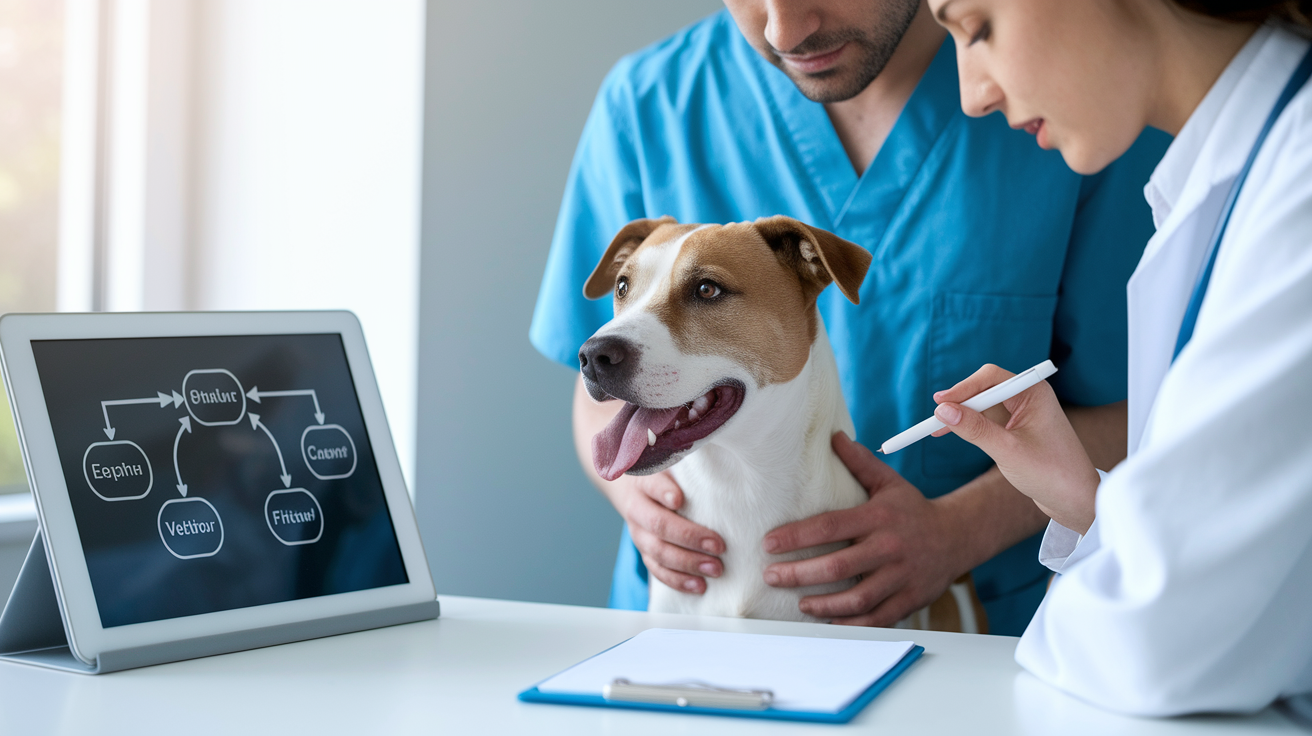
A single episode of mucus vomiting in a dog who’s otherwise acting like themselves (bright eyes, wagging tail, normal appetite an hour later) can usually be monitored at home for 24 hours. Keep an eye on hydration. Make sure your dog is drinking normally and urinating regularly. Watch for any repeat vomiting or new symptoms like diarrhea or lethargy.
If everything stays stable and your dog eats a small bland meal without issue, the problem has likely passed. This kind of one‑off vomiting often comes from an empty stomach, a bit of grass, or a minor dietary hiccup.
But vomiting that repeats within the same day, even if your dog still seems okay between episodes, moves into “call the vet” territory. Recurrence suggests the irritation or underlying cause isn’t resolving. Appetite loss is another key marker. A dog who won’t eat for more than 12 hours after vomiting, or who turns away from food they’d normally love, needs evaluation.
Any vomiting paired with diarrhea, especially if the diarrhea is also mucus‑filled or bloody, can dehydrate a dog quickly and often signals infection or parasites. Timing helps you stay calm but act when needed.
| Situation | Recommended Action |
|---|---|
| Single vomiting episode, dog acting normal, eating and drinking within a few hours | Monitor at home for 24 hours; offer bland diet and watch for repeat vomiting |
| Vomiting happens twice or more in 24 hours, even if dog seems okay between episodes | Contact your veterinarian for guidance; prepare a symptom log and recent diet details |
| Vomiting plus lethargy, loss of appetite, diarrhea, or abdominal discomfort | Schedule a vet visit the same day; bring a stool sample if diarrhea is present |
| Blood in vomit, dehydration signs, or suspected toxin/foreign object ingestion | Seek emergency veterinary care immediately; do not wait |
Long‑Term Prevention and Reducing Future Episodes
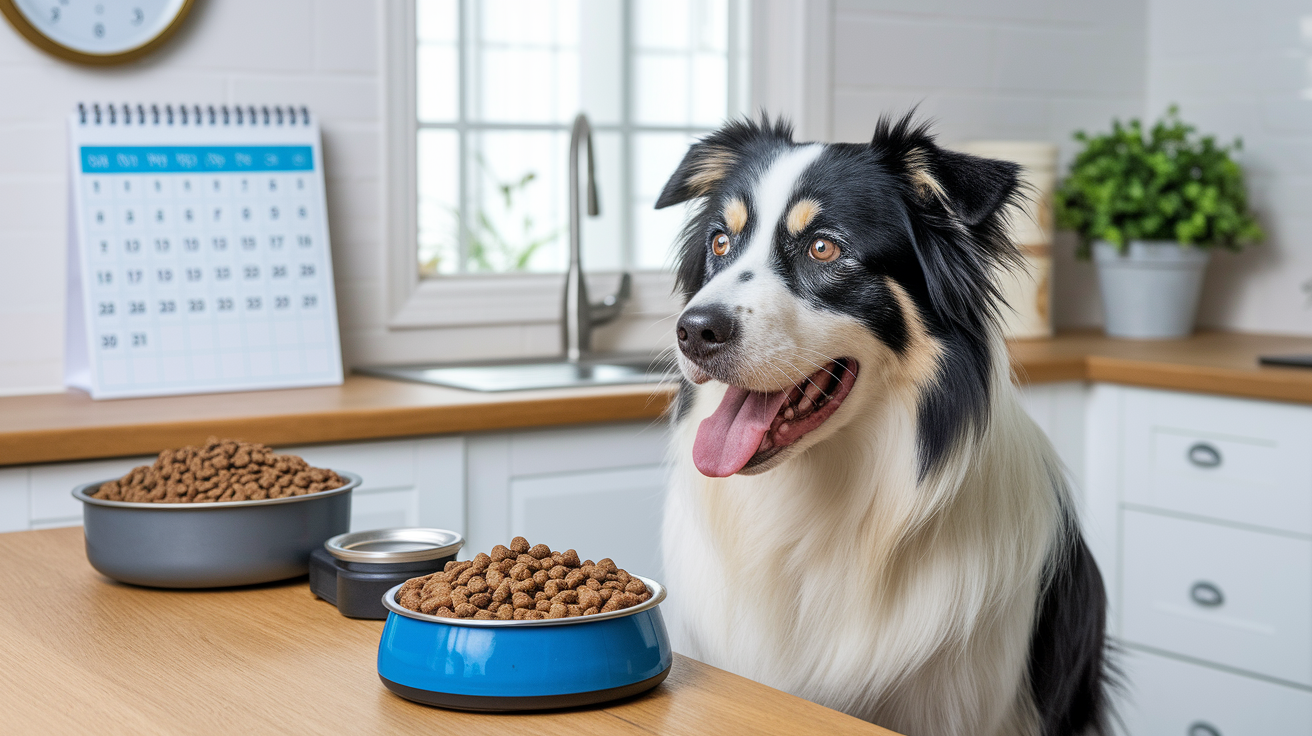
Preventing mucus vomiting over the long run comes down to steady routines and smart feeding habits. Dogs who go too many hours without food are more likely to vomit bile and mucus in the morning, so splitting their daily portion into two or three smaller meals can make a big difference. A small snack before bed, just a few pieces of kibble or a plain biscuit, keeps the stomach from sitting empty all night.
Consistency matters. Feed at roughly the same times each day so your dog’s digestive system knows what to expect. Sudden schedule changes or skipped meals can trigger that yellow, foamy vomit you’re trying to avoid.
Diet quality plays a bigger role than many owners realize. Low‑quality foods with lots of fillers, artificial colors, or hard‑to‑digest ingredients can irritate sensitive stomachs and lead to chronic mucus production. If your dog has recurring vomiting, consider a higher‑quality food with simpler, whole‑food ingredients or talk to your vet about a limited‑ingredient or prescription diet designed for sensitive digestion.
When you do switch foods, always transition gradually over five to seven days, mixing a little more of the new food into the old each day. Abrupt changes are one of the most common triggers for vomiting and diarrhea.
Environmental management helps too. Keep your dog from scavenging outdoors. Standing water, spoiled food, and random trash can all introduce bacteria or parasites. Use a slow‑feeder bowl if your dog inhales their food in seconds. Gulping air along with kibble often leads to vomiting shortly after meals.
Stay current on parasite prevention and deworming, especially if your dog spends time around other dogs, in parks, or in areas where wildlife is common. Small, proactive steps (scheduled meals, gradual diet changes, clean water, and parasite control) add up to a calmer, healthier digestive system and far fewer middle‑of‑the‑night cleanup sessions.
Final Words
In the action, we covered the most common causes of mucus in vomit, what different colors can mean, which signs need urgent care, safe at‑home steps for mild cases, and simple prevention tips.
Watch your dog closely for 24 hours—note how often it vomits, the mucus color, appetite, and energy level.
If vomiting repeats, you see blood, your dog becomes weak, or you suspect a toxin, call your vet right away.
With attentive tracking and a calm plan, most episodes are manageable and you’ll be ready if dog vomiting mucus needs vet care.
FAQ
Q: Why is my dog throwing up clear mucus?
A: Your dog is throwing up clear mucus because it’s usually saliva or mucus from esophageal or stomach irritation, reflux, or mild gastritis. Watch for repeats, blood, severe lethargy, or ongoing vomiting, and call the vet promptly.
Q: What does “slimy vomit” mean?
A: Slimy vomit means the vomit contains mucus, often from stomach or esophageal inflammation, reflux, or respiratory drainage. If slimy vomiting repeats, includes blood, or your dog seems unwell, contact your vet right away.