

Think chicken and rice fixes every upset stomach? Not always.
If your dog just vomited, a short bland diet often soothes the stomach and helps you spot if things are getting better or worse.
This post gives a simple, safe plan: what foods to try, exact portions by size, easy cooking steps, how long to feed bland meals, and what to watch while you’re monitoring.
It also names the clear red flags that mean stop home care and call your vet right away.
Immediate Steps to Start a Safe Bland Diet After Your Dog Vomits
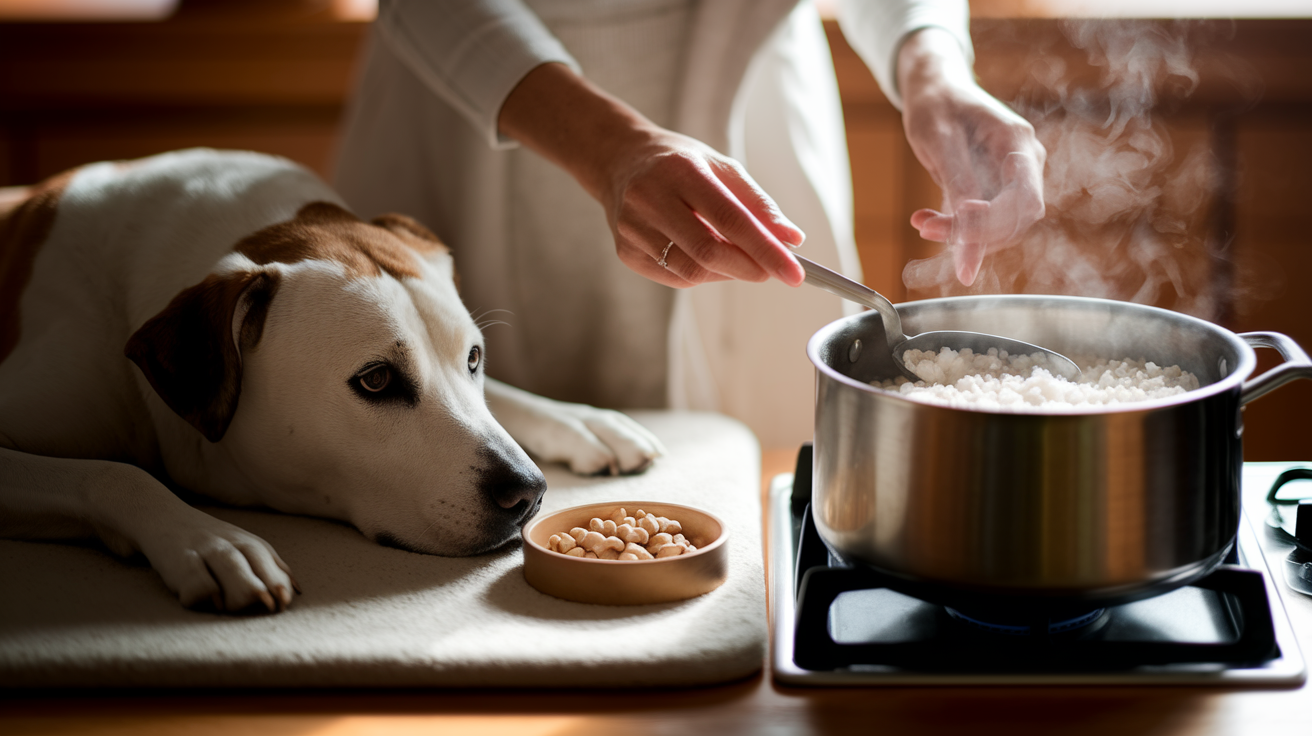
If your dog just threw up, take a breath. Don’t panic, but do hit pause on feeding for a bit to let the stomach settle. For healthy adult dogs who can keep water down, skipping food for 12 to 24 hours is pretty standard. This short break gives the GI tract time to rest.
But that doesn’t work for everyone. Puppies, toy breeds or really small dogs (under 10 pounds), seniors, and any dog dealing with something like diabetes or liver disease shouldn’t be fasted without talking to your vet first. They’re at serious risk for dangerous blood sugar drops and dehydration.
Once you’re past the fasting window, or if your dog shouldn’t fast at all, start bringing food back in tiny amounts. We’re talking 1 to 2 tablespoons for little dogs, maybe a few spoonfuls for bigger ones, every 2 to 3 hours. You’re just checking to see if the stomach can handle it without triggering another round of vomiting. Water should come in small sips throughout the day. Not big gulps that overfill the stomach. If your dog can’t keep any water down, call your vet. That’s a red flag for dehydration and might mean IV fluids are needed.
Watch for signs things are moving in the right direction or getting worse. Normal energy, some interest in food, no repeat vomiting in the first few hours? Good. If vomiting keeps happening, you see blood, or your dog goes limp and won’t drink, stop everything and call the vet.
First 24 Hours of Care for a Vomiting Dog:
- Skip food for 12 to 24 hours if your dog’s an adult and drinking water okay (don’t fast puppies, small breeds, seniors, or sick dogs).
- Give water in small sips every 30 minutes to an hour, not a full bowl sitting out.
- After fasting, offer a tiny bit of bland food (1 to 2 tablespoons for small dogs, up to 1/4 cup for medium ones) and wait 2 to 3 hours.
- No vomiting? Repeat those small feedings every 2 to 3 hours all day.
- Keep notes on each vomiting episode, water intake, and what the stool looks like so you can share with your vet if things don’t improve.
Core Bland Diet Ingredients for Dogs With Vomiting (Chicken, Rice, and Alternatives)

The whole idea here is simple. One protein that’s easy to digest, one plain carb, cooked with zero seasoning, fat, or oils. The classic combo is boiled chicken breast and plain white rice, but you’ve got options if chicken doesn’t sit well or you need to mix it up. For protein, stick to lean stuff your dog already knows. Boiled or baked chicken breast (no skin, no bones) is the standard, but plain turkey breast works too. So does very lean ground beef, boiled and drained of every drop of grease. Or white fish like cod or tilapia. Strip away all visible fat, skin, and bones before serving. Fat’s one of the main things that can set off more vomiting and upset.
Carbs help bulk up the stool and go easy on the stomach. Plain white rice is the go-to because it’s low in fiber and gentle to digest. You can also try baked or boiled sweet potato (nothing added), plain cooked oatmeal, boiled potato, or even plain noodles if you’re in a pinch. The usual ratio is about 1 part protein to 2 parts carb by volume, though some vets flip that depending on what’s going on with your dog. If you’re adding a little plain canned pumpkin (not the pie filling stuff) for fiber, just use a spoonful. It can firm up loose stool, but too much does the opposite.
Six Safe Bland Meal Combinations:
- Boiled chicken breast and plain white rice
- Boiled turkey breast and mashed sweet potato
- Lean ground beef (boiled, totally drained) and white rice
- Boiled white fish (cod or tilapia) and plain cooked tapioca or rice
- Scrambled egg (cooked dry, no oil) and plain oatmeal (careful, eggs have more fat)
- Low-fat cottage cheese, white rice, and 1 tablespoon plain pumpkin
Step‑By‑Step Cooking Instructions for a Vomiting Dog’s Bland Diet
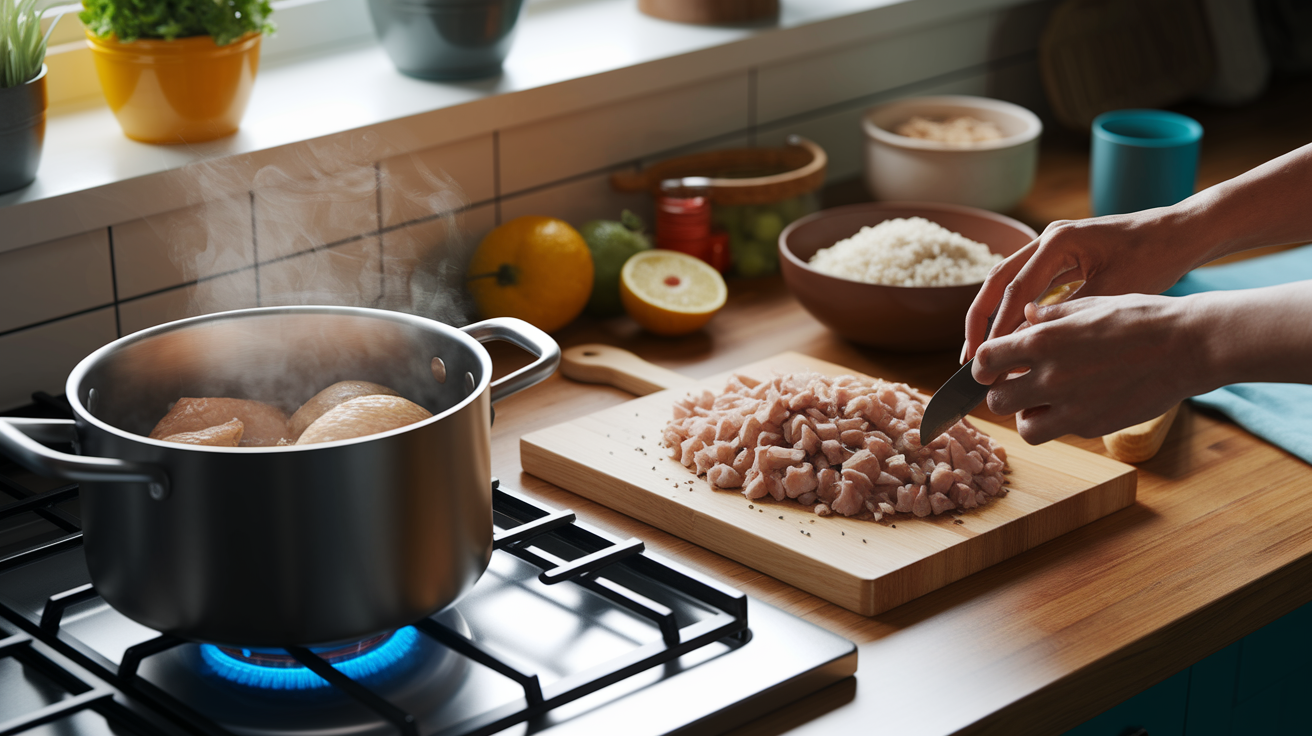
Making a basic bland meal takes maybe 20 minutes. No special skills needed. Just plain cooking with no shortcuts. Start with boneless, skinless chicken breast or whatever protein you picked. Toss it in a pot, cover with water, bring it to a simmer. Cook until it’s totally done, no pink inside. Usually 15 to 20 minutes depending on how thick it is. Pull the chicken out, let it cool a bit, then shred it with a fork or chop it into really small, soft pieces. Don’t add salt, pepper, garlic, onion powder, any of that. While the chicken’s cooling, cook plain white rice the normal way. Just water.
Once both are ready, mix them together in whatever ratio you’re using. A typical starting point is 1 cup of shredded chicken to 2 cups of cooked rice. Let the whole thing cool to lukewarm. Never serve it hot. Hot food can irritate a stomach that’s already upset. If the mix seems too dry, you can add a tablespoon or two of the plain water you cooked the chicken in to moisten it. But skip that if your vet told you to keep things low-moisture. Store any extra in the fridge for up to 3 days, or freeze individual servings in small containers so they’re ready to go.
Cooking Steps for Chicken and Rice Bland Diet:
- Put boneless, skinless chicken breast in a pot and cover it with plain water.
- Simmer 15 to 20 minutes until it’s fully cooked, no pink.
- Take the chicken out, let it cool, shred it fine, and toss any visible fat.
- Cook plain white rice in a separate pot. Just water, nothing else.
- Mix 1 part shredded chicken with 2 parts cooked rice (or whatever ratio your vet suggests).
- Cool to lukewarm, portion into meal-sized servings, refrigerate extras up to 3 days or freeze.
How Much Bland Diet to Feed a Vomiting Dog (Portions by Weight + Feeding Frequency)
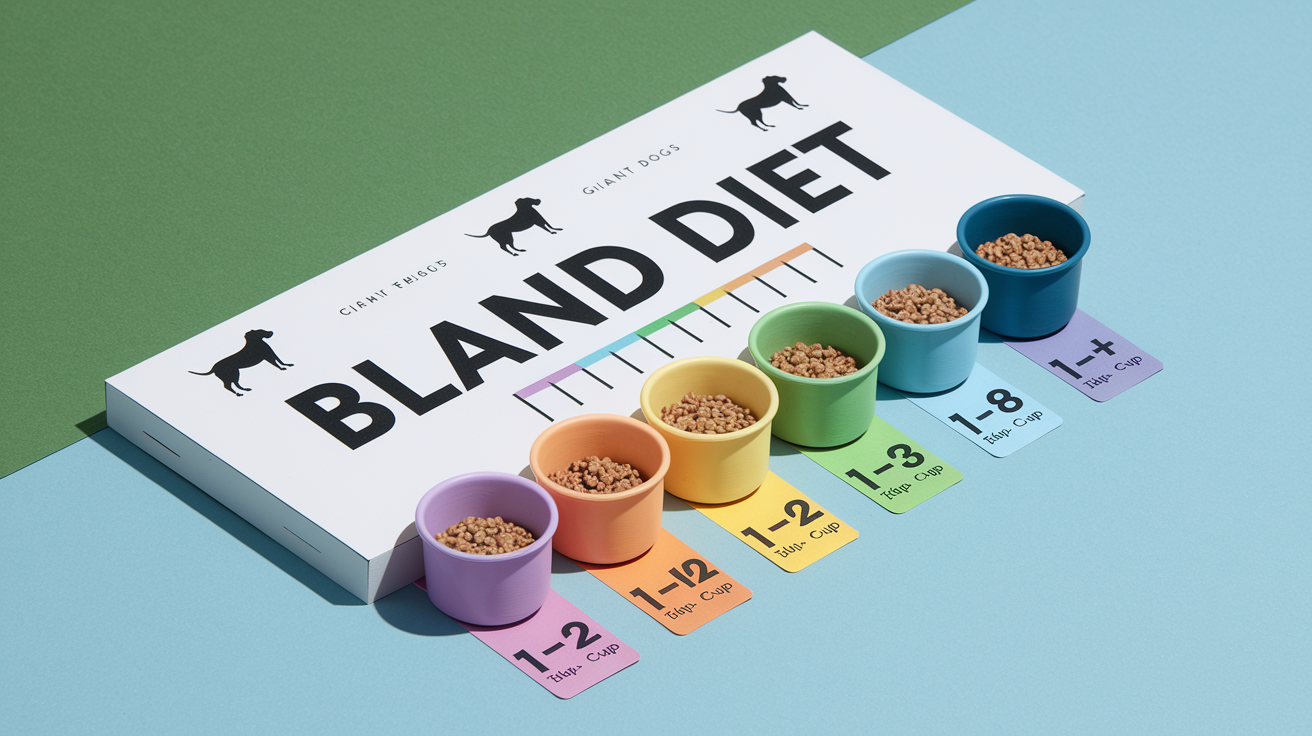
How much you feed depends on your dog’s size, but here’s the rule that matters most: smaller, more frequent meals beat big ones when the stomach’s recovering. For the first 24 hours after you bring food back, aim to feed every 2 to 3 hours while your dog’s awake. A tiny dog under 10 pounds might only get 1 to 2 tablespoons per feeding. A small dog (10 to 20 pounds) can handle around 1/4 cup. Medium dogs (20 to 50 pounds) usually start with 1/2 to 1 cup per feeding, while large dogs (50 to 90 pounds) might take 1 to 2 cups. Giant breeds over 90 pounds could need 2 cups or more, but always start small and work up slowly as your dog tolerates it.
After the first day or two, if your dog’s keeping food down and acting normal, you can cut back to 3 or 4 feedings a day and bump up portion sizes a little. Puppies and seniors might need gentler schedules. Puppies can’t go long without food and may need even more frequent, smaller meals. Always check with your vet for portions that fit your dog’s age, weight, activity level, and how bad the vomiting was. If your dog won’t eat or vomits after a small portion, stop feeding, offer water, and call your vet.
| Dog Weight | Portion per Feeding (First 24 Hours) | Feeding Frequency |
|---|---|---|
| Under 10 lbs (Toy/Small) | 1 to 2 tablespoons | Every 2 to 3 hours |
| 10 to 20 lbs (Small) | Around 1/4 cup | Every 3 to 4 hours |
| 20 to 50 lbs (Medium) | 1/2 to 1 cup | Every 3 to 4 hours |
| 50 to 90 lbs (Large) | 1 to 2 cups | 3 to 4 times daily |
| Over 90 lbs (Giant) | 2+ cups | 3 times daily |
| Puppies (any weight) | Adjusted by vet, never fasted | Every 2 to 3 hours minimum |
How Long to Keep a Dog on a Bland Diet After Vomiting
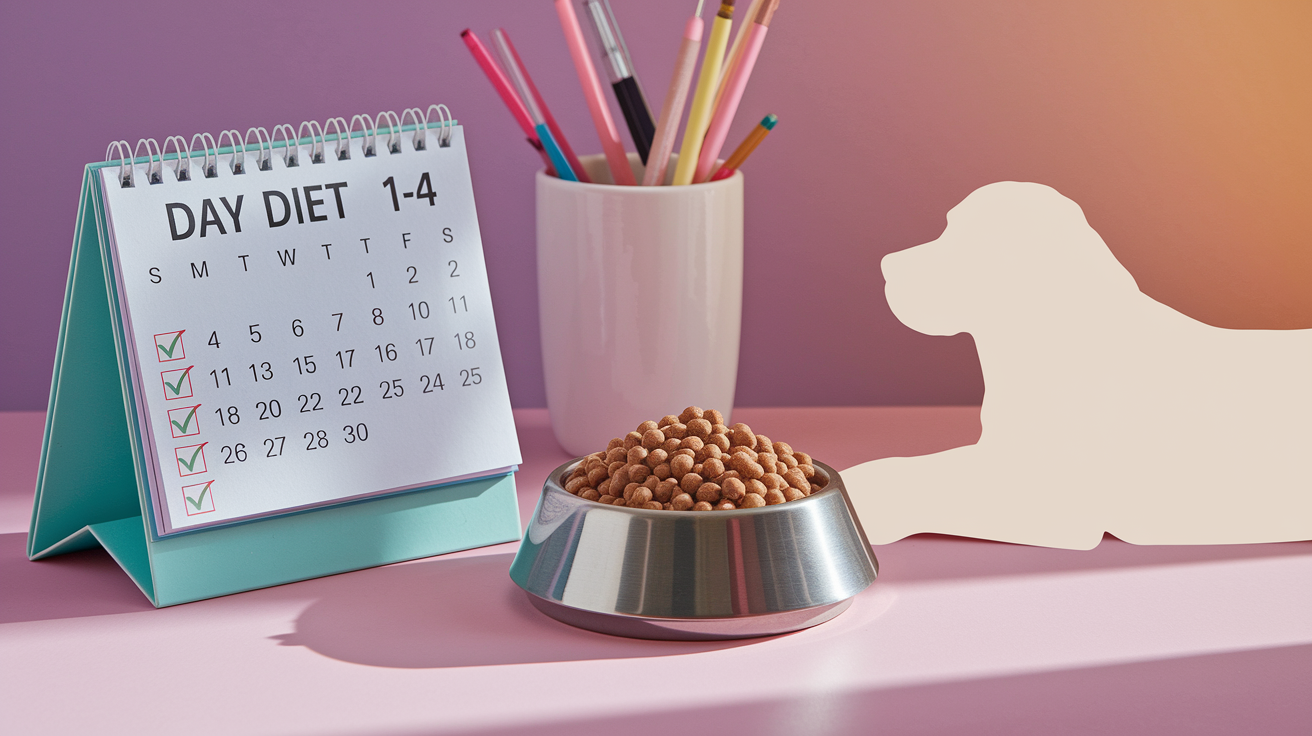
A bland diet’s a short-term fix, not something you do forever. Most dogs bounce back from simple stuff like eating something they shouldn’t have or mild gastroenteritis within 3 to 5 days. Once your dog’s gone 24 to 48 hours with normal stool, normal energy, and no vomiting, you can start switching back to their regular food. If symptoms hang around longer than 48 hours without getting better, or if vomiting comes back after a brief pause, call your vet. That might mean something more serious is going on and your dog needs diagnostics, medication, or a prescription diet.
Feeding plain chicken and rice long-term can lead to nutritional gaps, especially in puppies or dogs with ongoing health stuff. Homemade bland meals don’t have the full range of vitamins, minerals, and nutrients dogs need. If your vet says to keep going with a bland or therapeutic diet beyond a week, ask about switching to a nutritionally complete prescription GI formula or working with a veterinary nutritionist to put together a balanced homemade plan.
Four Steps to Transition Back to Regular Food:
- Day 1 of the switch: mix 75% bland diet with 25% regular food.
- Day 2: shift to 50% bland diet and 50% regular food.
- Day 3: offer 25% bland diet and 75% regular food.
- By day 4: return to 100% regular food if there’s no vomiting or diarrhea. If symptoms come back, stop and call your vet.
Safe Hydration and Electrolyte Support During Vomiting Recovery
Water’s just as important as food. Maybe more, because dehydration can happen fast when a dog’s vomiting. Offer small sips of fresh, clean water every 30 minutes to an hour instead of leaving a full bowl out. Big gulps can stretch the stomach and trigger another round of vomiting. If your dog laps up water eagerly and keeps it down, that’s a good sign. If they refuse water, seem uninterested, or vomit right after drinking, contact your vet. They might need subcutaneous or IV fluids.
For mild cases where your vet says it’s okay, you can give a small amount of unflavored oral electrolyte solution made for dogs or kids (like Pedialyte, unflavored and xylitol-free). Just a teaspoon to a tablespoon at a time, mixed with water or offered alone, depending on your dog’s size. Don’t use sports drinks made for humans. They often have too much sugar, artificial sweeteners, or salt. Always double-check with your vet before using any electrolyte product, especially if your dog has underlying stuff like kidney disease or heart issues.
Five Dehydration Signs to Monitor at Home:
- Dry, sticky, or tacky gums instead of moist and slippery.
- Skin that stays tented when you gently pinch it (normal skin snaps back fast).
- Sunken eyes or a dull, listless look.
- Less peeing or really dark, concentrated urine.
- Lethargy, weakness, or not wanting to stand or move.
Additional Gentle Add‑Ins That Support Digestive Recovery
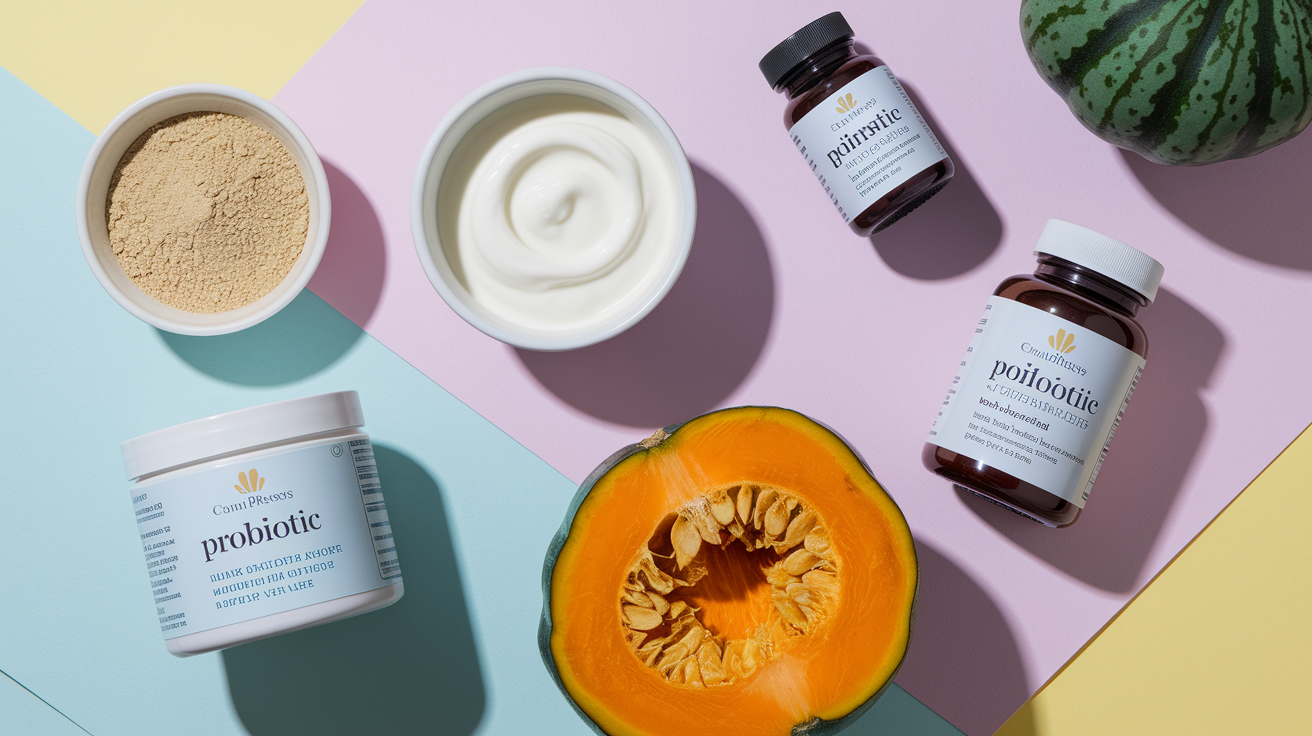
Once your dog’s handling the basic bland diet and keeping it down for 24 hours, you can think about a few gentle add-ins that support gut health and stool consistency. But only with your vet’s okay. Probiotics are one of the most helpful. These are live beneficial bacteria that help repopulate the gut after vomiting or diarrhea messes up the normal microbiome. You can use a veterinary probiotic powder or chew, or sometimes a small spoonful of plain, unsweetened yogurt (about 1 teaspoon for small dogs, 1 tablespoon for larger ones). Skip yogurt if your dog’s lactose-intolerant or if it causes soft stool.
Plain canned pumpkin (not pumpkin pie filling) is another safe bet. It gives soluble fiber that can help firm up loose stool and soothe the digestive tract. Use about 1 teaspoon per 10 pounds of body weight, mixed into the bland meal. Check labels carefully. Pumpkin pie filling has sugar, spices, and sometimes xylitol, which is toxic to dogs. A pinch of prebiotic fiber or a vet-recommended digestive supplement might help too, but introduce one thing at a time and watch for any new symptoms.
Four Safe Supportive Add-Ins (Vet Approval Recommended):
- Veterinary probiotic powder or chews to restore gut bacteria.
- 1 to 2 teaspoons plain canned pumpkin (not pie filling) for fiber and stool support.
- 1 teaspoon to 1 tablespoon plain, unsweetened yogurt (if tolerated and lactose isn’t an issue).
- Low-sodium, plain bone broth in very small amounts to add moisture and flavor (check with vet first).
Foods and Ingredients to Avoid When Using a Bland Diet for Vomiting Dogs
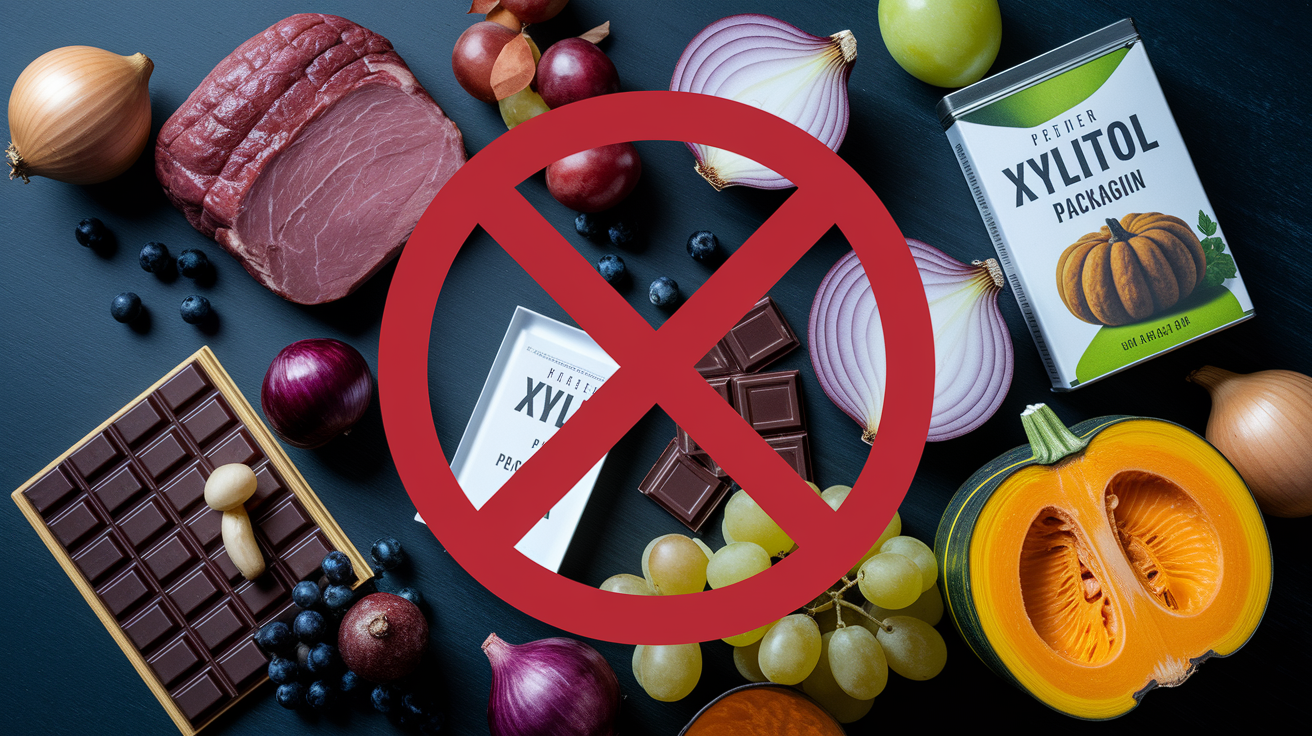
Even if your dog seems to be getting better, certain foods and ingredients can undo everything you’ve done and set off a new wave of vomiting or diarrhea. The number one rule: no fat, no seasoning, no shortcuts. That means absolutely no butter, oils, salt, pepper, garlic, onion powder, or any other flavorings. Fat’s especially bad because it’s hard to digest and can irritate an already sensitive stomach or even trigger pancreatitis in dogs who are prone to it. Remove all visible fat from meat and drain every drop of grease if you’re using ground beef.
Eight Foods and Ingredients to Avoid:
- Fatty or fried foods, including skin, bacon, sausage, and greasy meats.
- All seasonings, salt, butter, oils, and sauces.
- Bones (cooked or raw), which can splinter and cause blockages or perforation.
- Raw foods, including raw eggs, which carry bacterial risks.
- Toxic foods: onions, garlic, chocolate, grapes, raisins, xylitol (artificial sweetener), alcohol, and caffeinated drinks.
- Dairy products (except small amounts of plain yogurt if vet-approved), which can upset sensitive stomachs.
- Pumpkin pie filling or any canned pumpkin product with added sugar, spices, or xylitol.
- Treats, table scraps, chews, or any food outside the bland diet, even if your dog begs.
When Bland Diets Aren’t Enough: Signs to Contact a Veterinarian
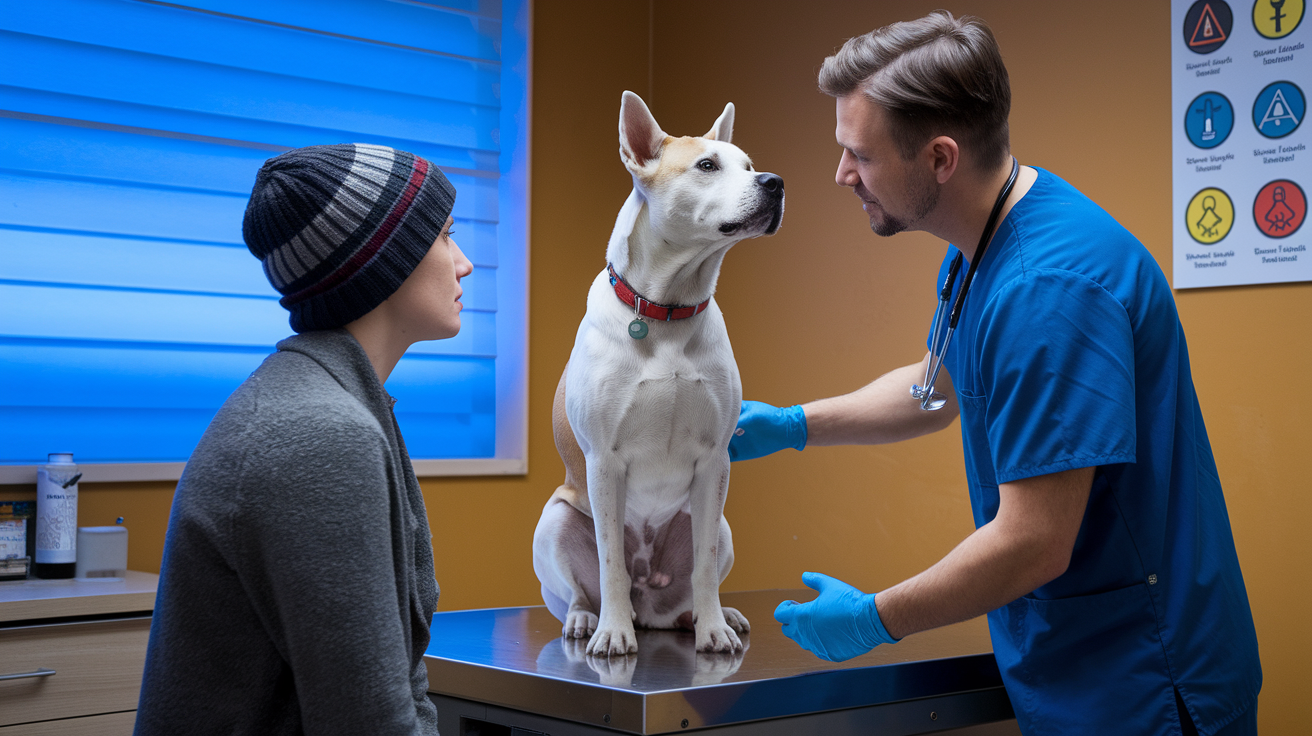
Bland diets work great for mild, short-term stomach upset, but they’re not a cure for serious illness. If your dog’s vomiting keeps going beyond 24 hours despite skipping food and bringing back bland meals, it’s time to call the vet. Same if vomiting happens more than 2 to 3 times in 24 hours, or if your dog can’t keep down even tiny sips of water. These are signs the stomach and GI tract need more than rest and gentle food. They might need medication, diagnostics like bloodwork or imaging, or hospitalization with IV fluids and anti-nausea drugs.
Other red flags include blood in the vomit (which might look bright red or dark and coffee-ground-like), blood in the stool, severe belly pain (your dog might stretch out in a “prayer” position or won’t let you touch their belly), bloating or distension, fever, collapse, or extreme lethargy. Puppies, very small breeds, senior dogs, and dogs with pre-existing stuff like diabetes, kidney disease, or a history of pancreatitis should be seen by a vet way sooner. Even one episode of vomiting in these groups can go downhill fast.
Six Critical Warning Signs That Require Immediate Veterinary Attention:
- Vomiting lasting more than 24 hours or happening more than 2 to 3 times in 24 hours.
- Can’t keep water down or refusing to drink.
- Blood in vomit (bright red or dark brown) or blood in stool.
- Severe belly pain, bloating, distension, or a hard, swollen belly.
- Signs of dehydration: dry gums, skin tenting, sunken eyes, weakness, or collapse.
- Puppies, small-breed dogs, seniors, or dogs with chronic illness vomiting at all. Contact your vet right away.
Prescription Bland Diet Options for Dogs Recovering From Vomiting

If your dog needs more than a few days of bland feeding, or if they’ve got a history of chronic GI issues, prescription diets are often a better choice than homemade meals. Unlike plain chicken and rice, veterinary therapeutic diets are nutritionally complete and balanced for long-term use. They’re made to be highly digestible, low in fat, and gentle on the stomach and intestines, with added prebiotics, specific fiber blends, and controlled protein sources to support healing and prevent flare-ups.
Common examples include Hill’s Prescription Diet i/d Digestive Care (comes in several types like i/d Low Fat, i/d Stress, and i/d Sensitive), Royal Canin Gastrointestinal formulas (including Low Fat, Moderate Calorie, and High Fiber options), and Purina Pro Plan Veterinary Diets EN Gastroenteric (which comes in standard, Low Fat, and Fiber Balance versions). Some of these diets are for short-term recovery, while others are meant for long-term management of things like inflammatory bowel disease, chronic pancreatitis, or protein-losing enteropathy. Your vet will help you pick the right formula based on your dog’s diagnosis, weight, age, and specific nutritional needs.
Four Common Prescription Bland Diet Categories:
- Highly digestible, moderate-fat formulas for general gastroenteritis and recovery (like Hill’s i/d, Royal Canin Gastrointestinal).
- Low-fat formulas for dogs with pancreatitis or fat-sensitive digestive issues (like i/d Low Fat, Royal Canin Gastrointestinal Low Fat).
- High-fiber formulas for dogs with diarrhea, anal gland issues, or inflammatory bowel disease (like Royal Canin Gastrointestinal High Fiber).
- Hypoallergenic or novel-protein diets for suspected food allergies or sensitivities (like Hill’s d/d, Royal Canin Selective Protein, hydrolyzed formulas).
Understanding Why Dogs Vomit and When Bland Diets Are Appropriate
Dogs throw up for tons of reasons, from harmless (ate too fast, ate grass) to life-threatening (obstruction, poisoning, organ failure). The most common reason for occasional vomiting is dietary indiscretion. Your dog ate something they shouldn’t have, like garbage, spoiled food, a new treat, or table scraps. Other common causes include acute gastroenteritis (inflammation of the stomach and intestines), viral infections like parvovirus (especially in puppies), bacterial overgrowth, parasites like roundworms, hookworms, giardia, or coccidia, stress-related upset, acid reflux, or mild food intolerance. Bland diets work well for these cases because they reduce the workload on the digestive system and give inflamed tissues time to heal.
But bland diets aren’t right for every type of vomiting. If your dog has an intestinal blockage (from a toy, bone, or fabric), a severe systemic infection, pancreatitis that needs hospitalization, kidney or liver failure, bloat (gastric dilatation-volvulus), toxin ingestion, or any condition causing severe, projectile, or bloody vomiting, a bland diet won’t help and might delay critical treatment. Bland feeding is a supportive tool for mild, self-limiting GI upset, not a cure for serious disease.
Four Situations When a Bland Diet Is Suitable vs. When It Is Not:
- Suitable: Single episode of vomiting after eating something unusual, with normal energy and appetite coming back within 12 to 24 hours.
- Suitable: Mild gastroenteritis with soft stool and occasional vomiting, dog’s still drinking and alert, symptoms get better within 48 hours.
- Not suitable: Repeated vomiting (more than 2 to 3 times in 24 hours), can’t keep down water, blood in vomit, severe lethargy, or belly pain.
- Not suitable: Vomiting in puppies, very small dogs, seniors, or dogs with chronic illness without immediate veterinary guidance.
Practical Tips for Managing Bland Diet Feeding at Home
Feeding a sick dog takes a little extra planning and patience, but a few simple tricks can make it smoother and less stressful for both of you. First, keep a food and symptom journal. Write down what you fed, how much, what time, and whether your dog vomited, had diarrhea, or showed any other symptoms. This log is super helpful when you talk to your vet. It gives them a clear timeline and helps spot patterns you might miss. Note water intake, energy level, and stool consistency too.
Feed in a quiet, calm spot away from other pets, distractions, or noise. A stressed dog might eat too fast or refuse food altogether. Serve meals lukewarm, never hot or straight from the fridge. If you’re batch-cooking, portion meals into small containers and freeze half, then thaw and gently warm individual servings as needed. Raising your dog’s food bowl a little (especially for large or deep-chested breeds) can sometimes cut down on the chance of regurgitation, though that varies by dog. Ask your vet if it’s recommended for your pet’s condition.
Five Practical At-Home Feeding Tips:
- Keep a daily log of meals, portions, vomiting episodes, stool consistency, and water intake to share with your vet.
- Feed in a quiet, calm spot away from other pets to reduce stress and prevent rushed eating.
- Serve food lukewarm, not hot or cold, to avoid stomach irritation.
- Batch-cook bland meals and freeze individual portions in small containers for quick, easy reheating.
- Skip all treats, chews, and table scraps until your dog’s fully back to normal and your vet gives the okay.
Final Words
When your dog vomits, start with short fasting for adults, small sips of water, then tiny, frequent bland meals like boiled chicken and rice.
The post covered safe ingredients, simple cooking, portion sizes, hydration tips, and timing to transition back.
Watch hydration, vomiting frequency, and red flags like blood or severe lethargy. Call your vet right away if any appear. If things improve, use the bland diet for vomiting dog steps, transition back slowly, and take comfort that careful care often helps.
FAQ
Q: What is a bland diet for a dog that throws up?
A: A bland diet for a dog that throws up is small, highly digestible, low‑fat foods like plain boiled chicken, white rice, or canned pumpkin, given in tiny, frequent portions; call a vet if vomiting continues.
Q: What is the 90/10 rule dog?
A: The 90/10 rule for dogs refers to a raw‑feeding guideline of about 90% muscle meat and 10% edible bone; it’s not a bland‑diet approach and should be used with vet guidance, especially for sick dogs.
Q: What settles a dog’s stomach when throwing up?
A: What settles a dog’s stomach when throwing up is brief fasting for adults (12–24 hours), small sips of water, then tiny bland meals like boiled chicken and rice; seek vet care for persistent vomiting.
Q: What foods help stop a dog from vomiting?
A: Foods that help stop a dog from vomiting include plain boiled chicken, white rice, canned pumpkin, plain cooked sweet potato, or a vet‑recommended gastrointestinal formula; feed tiny amounts and monitor closely.