

When your dog vomits yellow foam, should you worry or wait and watch?
That foamy yellow stuff is often bile from an empty stomach, especially in the morning.
But it can also point to reflux, stomach irritation, a blockage, or other problems that need vet care.
This post will help you tell a mild episode from an emergency, give safe home steps to try today, and name clear red flags that mean call the vet right away.
You’ll leave knowing what to watch and what to do next.
Understanding Why Dogs Vomit Yellow Foam
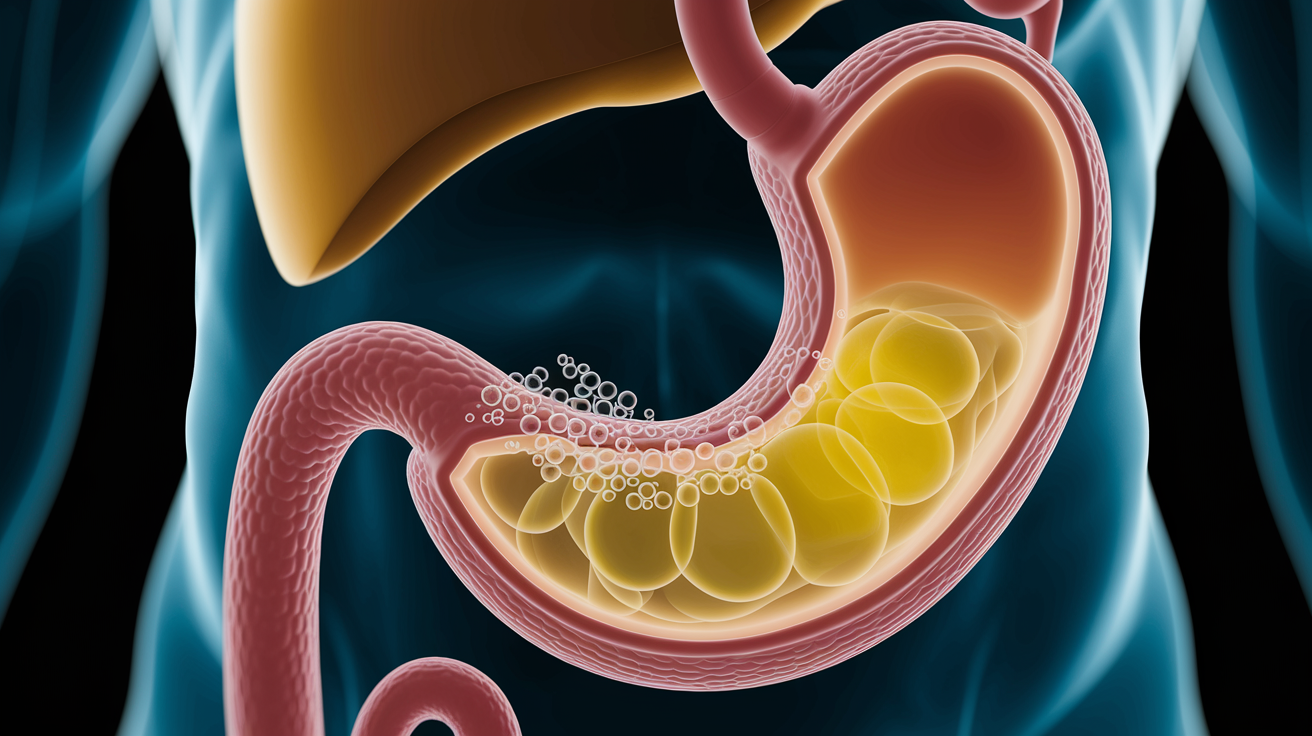
That yellow foam in your dog’s vomit? It’s bile. Your dog’s liver makes this digestive fluid and stores it in the gallbladder. Bile naturally looks yellow to greenish-yellow and helps break down fats once food hits the small intestine. When your dog’s stomach sits empty or gets irritated, bile can flow backward into the stomach and mix with stomach acid and air. That’s what creates the foamy, yellow puddle you find on the floor.
Most owners see this first thing in the morning. After a long overnight fast (sometimes 10 to 12 hours without food), bile irritates an empty stomach lining and triggers vomiting. A late-evening snack before bedtime can cut down on these early morning bile episodes for dogs who are prone to empty-stomach vomiting.
A single episode of yellow foam with no other symptoms is often mild. Your dog probably went too long without eating, and their stomach got irritated. But if vomiting happens more than once in a day, keeps coming back over several days, or if your dog acts tired, won’t eat, or shows other signs of illness, that’s when you’re looking at a deeper gastrointestinal problem that needs veterinary attention.
Causes of Yellow Foam Vomiting in Dogs
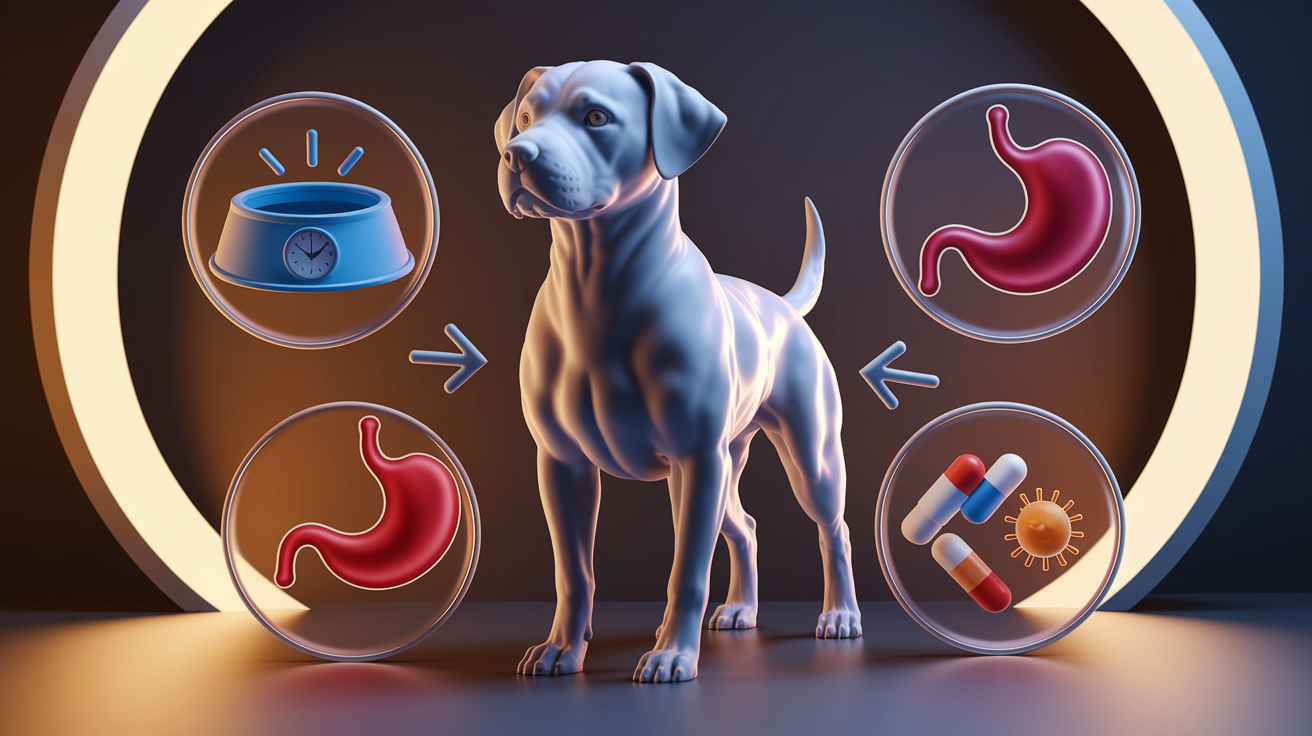
Yellow foam vomiting can stem from simple hunger or signal something more complicated going on with digestion or systemic health. Understanding which cause fits your dog’s pattern helps you decide whether to monitor at home or head straight to the vet.
Empty Stomach Syndrome
When your dog goes too long between meals, digestive fluids build up in an empty stomach. Bile from the small intestine flows backward into the stomach, irritates the lining, and triggers vomiting. This usually happens early in the morning after an overnight fast, which is why many owners find yellow foam on the floor before breakfast.
Splitting your dog’s daily food into smaller, more frequent meals or offering a small snack before bed (a few kibbles or a tablespoon of plain canned pumpkin) keeps the stomach from staying empty too long. That often stops these episodes.
Acid Reflux
Acid reflux happens when stomach acid and sometimes bile move up into the esophagus. You might notice burping, retching sounds without much coming up, or small amounts of yellow foam. Overweight dogs face higher risk because extra abdominal fat puts pressure on the stomach and pushes acid upward.
Dogs with acid reflux may also lick their lips frequently, drool, or show discomfort after lying down. Weight management, raised food bowls, and feeding smaller meals can reduce reflux episodes.
Gastritis and GI Irritation
Gastritis means inflammation of the stomach lining. It often starts suddenly. Your dog vomits yellow foam, refuses breakfast, and seems uncomfortable. Common triggers include spoiled food from the trash, scavenging outdoors, eating kitty litter (which irritates the stomach), swallowing pieces of toys or clothing, or ingesting toxic substances like certain plants or household chemicals. Even a sudden diet change can inflame a sensitive stomach.
Gastritis usually improves within 24 to 48 hours with rest and bland food. But repeated vomiting or signs of poisoning require immediate veterinary care.
Other GI and Systemic Conditions
Several less common causes also produce yellow foam vomiting. Intestinal blockages from swallowed objects cause progressive obstruction and repeated bile vomiting within hours to a day after ingestion. Bacterial infections (such as Salmonella or Campylobacter) inflame the GI tract. Certain cancers, especially in older dogs, irritate the stomach or intestines.
Addison’s disease (a hormone deficiency) causes recurrent vomiting, increased thirst, and episodes triggered by mild stress. Food allergies to ingredients like beef, dairy, wheat, eggs, or chicken can spark bile vomiting and GI upset. Parasitic infections (roundworms, hookworms, giardia) also irritate the intestines and sometimes cause bile vomit, especially in puppies or dogs with heavy parasite loads.
When Dog Vomiting Yellow Foam Signals an Emergency
Most single yellow foam episodes stay mild. But certain patterns and accompanying symptoms mean you need veterinary help right away. Knowing the difference between “monitor at home” and “go to the vet now” protects your dog from serious complications.
If your dog vomits once, stays alert, drinks water normally, and wants to play or walk, you can usually watch them closely at home for the next few hours. But if vomiting happens a second time within 24 hours, if your dog also has diarrhea or becomes unusually tired, or if they refuse water and food for more than a few hours, that combination signals a problem beyond simple bile reflux.
Watch for these emergency signs:
- Vomiting more than once in 24 hours
- Severe lethargy (won’t lift their head, can’t stand easily, eyes look dull)
- Abdominal pain or distension (hunched posture, tight belly, yelps when you touch the stomach)
- Bright red blood or dark, coffee ground material in the vomit (indicates GI bleeding)
- Repeated retching or signs of bloat (distended abdomen, drooling, restlessness, unproductive retching)
- Suspected ingestion of toxins, foreign objects, or large amounts of garbage
Bloat (gastric dilatation volvulus) is a surgical emergency that can look like yellow or white foamy vomit at first, then progress to non-stop retching with nothing coming up, a hard, swollen belly, and collapse within hours. Bright red blood means active bleeding from ulcers or severe irritation in the upper GI tract. Dark, coffee ground vomit suggests lower GI bleeding or possible cancer. Any of these signs require immediate veterinary assessment, even outside normal clinic hours.
Home Care Steps After Your Dog Vomits Yellow Foam

For a single, mild episode with no emergency signs, a simple home care routine gives the stomach time to settle and helps you decide whether veterinary care is needed.
- Pause food for 3 to 4 hours after vomiting to let the stomach rest.
- Offer small sips of water (a few tablespoons every 30 minutes) after the fasting period. Watch for repeated vomiting after drinking.
- Introduce a bland diet if no further vomiting occurs. Boiled chicken (skin and fat removed) mixed with plain white rice in a 1:2 ratio works well.
- Feed small, frequent meals (four to six small portions throughout the day) instead of one or two large meals.
- Avoid high fat foods, table scraps, and treats until the stomach is fully settled (usually 24 to 48 hours).
- Monitor hydration by checking gum moisture (sticky gums suggest dehydration) and energy level (normal play behavior is a good sign).
- Contact your veterinarian if vomiting recurs, if your dog refuses water, or if you see new symptoms like diarrhea or lethargy.
Hydration is the most important home care priority. Vomiting can dehydrate a dog quickly, especially smaller dogs or puppies. If your dog keeps down small sips of water and stays alert, you can cautiously increase water access over the next few hours. If they vomit again after drinking or refuse water altogether, stop home care and call your vet.
Veterinary Diagnosis for Dogs Vomiting Yellow Foam
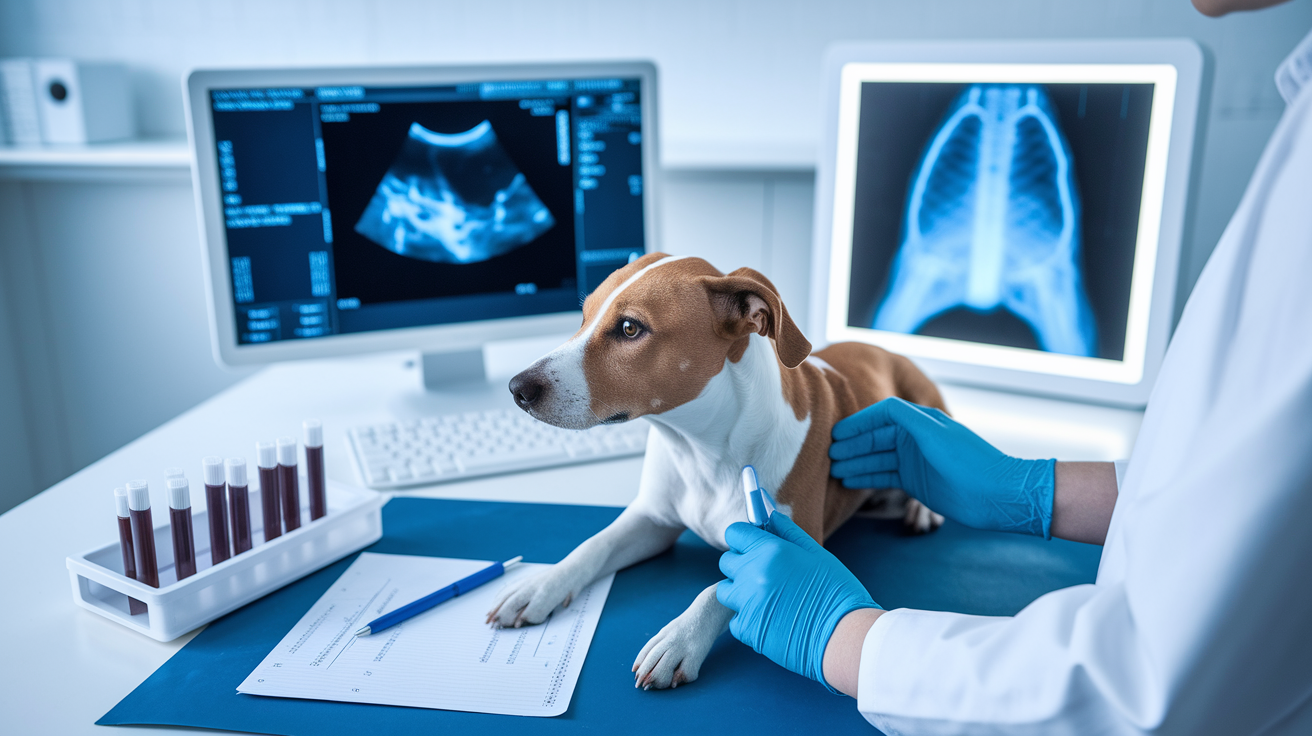
When you bring your dog in for repeated or worrying vomiting, your veterinarian will use several diagnostic tools to find the underlying cause. A physical exam checks hydration status, abdominal pain, and overall condition. From there, testing narrows down whether the issue is metabolic, inflammatory, or obstructive.
Blood work screens for dehydration, electrolyte imbalances, kidney or liver disease, pancreatitis markers, and signs of Addison’s disease. X-rays show foreign objects, intestinal gas patterns that suggest blockage, and bone or metal fragments. Abdominal ultrasound gives a detailed view of the stomach lining, intestinal walls, liver, pancreas, and lymph nodes, and can detect masses, thickened intestinal segments, or fluid accumulation.
| Test | What It Detects |
|---|---|
| Blood work | Dehydration, organ function, pancreatitis, Addison’s disease, infection markers |
| X-ray | Foreign objects, intestinal blockage patterns, bone fragments, abnormal gas |
| Ultrasound | Stomach/intestinal wall thickness, masses, liver or pancreas changes, fluid buildup |
If a foreign object is suspected but not clearly visible on X-ray, your veterinarian may recommend endoscopy (a camera passed into the stomach) or exploratory surgery. Endoscopy allows direct visualization and sometimes removal of objects without full surgery. These tools help your vet move quickly from diagnosis to the right treatment plan.
Treatment Options for Dogs Vomiting Yellow Foam
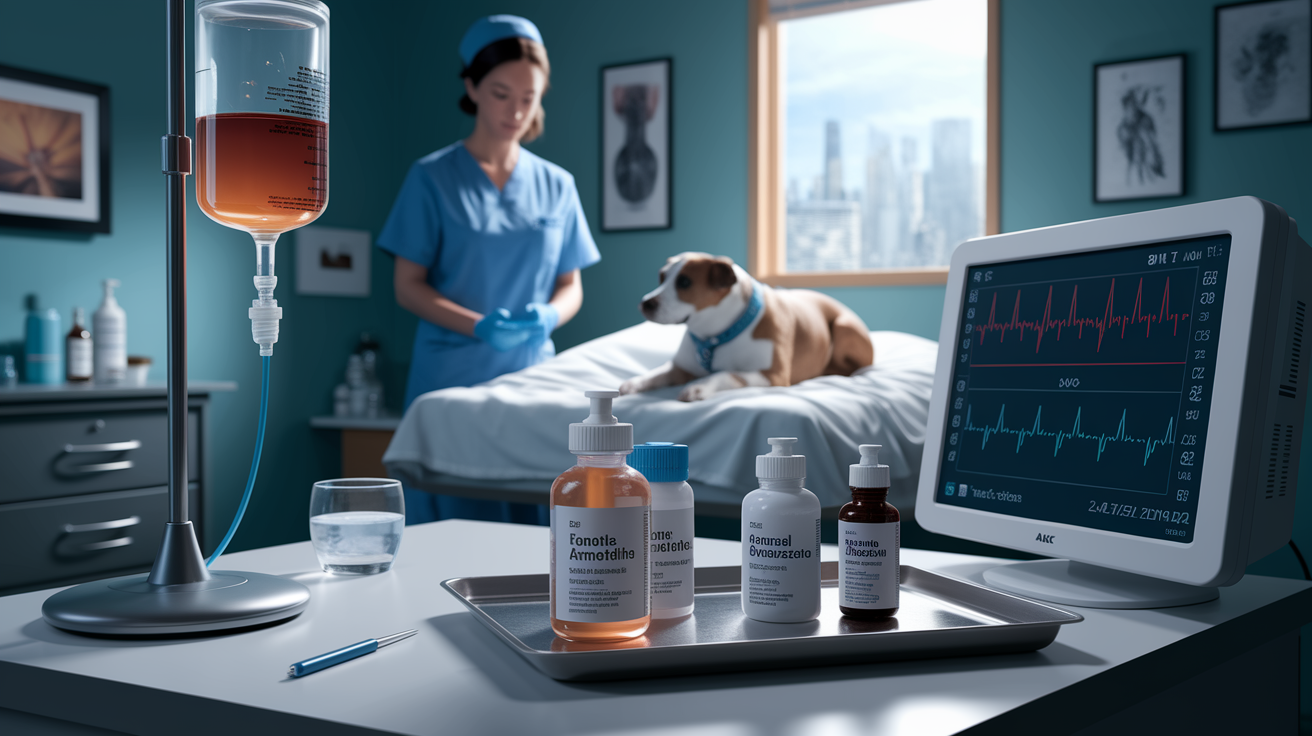
Treatment depends on the diagnosed cause, ranging from simple at-home medication to hospitalization and surgery. Only veterinarians can prescribe these treatments. Home remedies can’t replace professional care for anything beyond a single mild episode.
Anti-nausea medications are common first-line treatments. Maropitant (Cerenia) blocks vomiting signals in the brain and is often given as an injection or tablet. Ondansetron is another option for nausea control. Stomach protectants like famotidine or omeprazole reduce acid production and protect irritated stomach linings. If dehydration is present, your vet will administer subcutaneous or intravenous fluids to restore hydration and electrolyte balance.
For more serious conditions, treatment intensifies. IV fluids and hospitalization for severe dehydration, pancreatitis, or poisoning, with round the clock monitoring and supportive care. Specialized treatments for underlying diseases, such as hormone replacement for Addison’s disease or antibiotics for bacterial infections. Foreign object removal via endoscopy or surgery when blockages are confirmed.
Pancreatitis often requires several days of hospitalization with IV fluids, pain control, anti-nausea medication, and gradual reintroduction of a low fat diet. Bloat requires immediate emergency surgery to untwist the stomach and stabilize the dog. Your veterinarian will tailor the treatment plan to your dog’s specific diagnosis and severity.
Preventing Yellow Foam Vomiting in Dogs
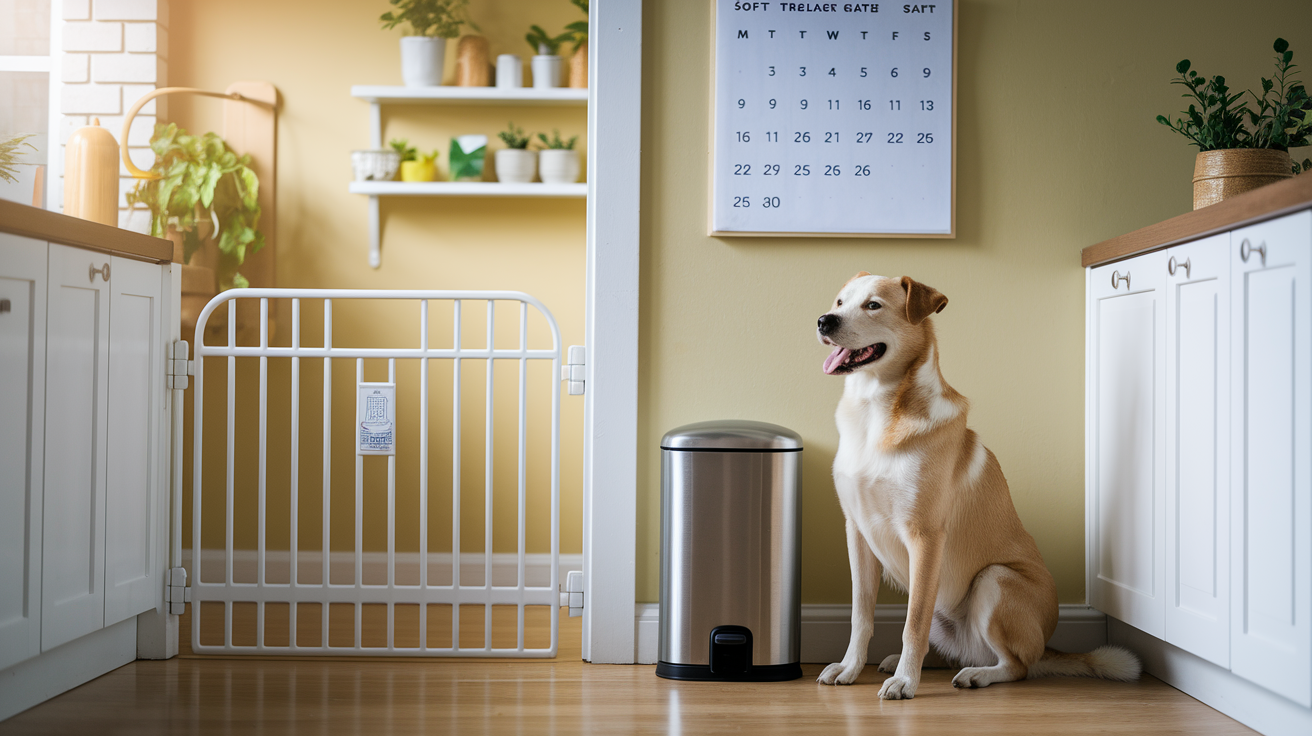
Prevention focuses on managing feeding schedules, reducing scavenging opportunities, and catching chronic problems early through routine care.
Feed smaller, more frequent meals (two to four meals daily) to keep the stomach from staying empty too long and reduce bile reflux overnight. Reduce dietary fat by choosing a moderate fat dog food and avoiding greasy table scraps, which trigger pancreatitis and acid reflux. Guard garbage cans, compost bins, and litter boxes to prevent scavenging spoiled food, toxins, or foreign objects.
Restrict access to dangerous objects like toys with small parts, socks, bones that splinter, and household chemicals. Schedule routine wellness checkups (at least annually, more often for senior dogs) so blood work and exams catch early signs of liver disease, Addison’s disease, or GI issues before vomiting becomes severe.
These steps reduce the chance of emergency episodes and help you notice patterns early. A dog who vomits yellow foam every Monday morning may simply need a late night snack on Sunday. A dog who vomits sporadically but always after raiding the trash needs better household management. Prevention is easier and less stressful than repeated vet visits, and it keeps your dog comfortable and healthy over the long term.
Final Words
If your dog is vomiting yellow foam, check for emergency signs: repeated vomiting, blood, severe lethargy, belly pain, or can’t keep water down. If any appear, call your vet right away.
This article explained that yellow foam is often bile from an empty stomach, reviewed causes from gastritis to blockages, and gave safe home steps like a short fast, small sips of water, and bland meals, plus what vets may test or treat.
Watch for 24 hours and note timing and energy. If you spot dog vomiting yellow foam again, call the vet. Most dogs recover with simple care and timely vet help.
FAQ
Q: What does yellow frothy vomit mean in dogs?
A: The yellow frothy vomit in dogs usually means bile (a yellow‑green digestive fluid) has refluxed into an empty or irritated stomach. One episode can be mild; repeat vomiting, blood, severe lethargy, or pain needs a vet.
Q: What home remedy can I give my dog for vomiting yellow?
A: A safe home remedy for a dog vomiting yellow is pausing food 3 to 4 hours, offering small sips of water, then small bland meals like boiled chicken and rice. Call your vet if vomiting returns or blood appears.