

Think home remedies for dog vomiting are useless?
They’re not all nonsense.
When your dog throws up, a few careful steps at home can often calm the stomach and buy time without making things worse.
This guide shows safe, low-risk remedies many owners use: what to do in the first hour, easy bland meals, hydration tips, and gentle add-ons like plain pumpkin or probiotics.
I’ll also point out clear red flags and exactly when you should stop home care and call the vet.
Immediate At‑Home Steps to Calm Vomiting in Dogs

When your dog throws up, you need to figure out if this is a one-off thing or something worse. Look at your dog right now. Are they acting normal? Standing steady, wagging, curious about what’s happening around them? Or are they hunched over, drooling, panting hard, refusing to move? That quick check tells you whether you can handle this at home or need to call the vet today.
If your dog seems alert and this is the first or second vomit, you can start a simple settle-the-stomach plan. Dogs naturally stop eating for a day or two when their gut feels off. A short fast at home gives things time to calm down. The goal is rest without making it worse.
Check your dog’s gums by gently lifting the lip. They should feel slick and wet, like the inside of your own cheek. If they’re dry, sticky, or tacky, that’s early dehydration and you need to watch hydration closely or call your vet.
Here’s what to do in the first hour:
- Remove all food, treats, and chews. Leave fresh water out at all times.
- Watch to see if your dog can keep small sips of room-temperature water down over the next 30 to 60 minutes.
- If water comes back up or your dog won’t drink, stop home care and contact your vet.
- If water stays down, keep it available and wait at least six hours before offering any food.
- Note the time of the vomit, what it looked like, and whether anything weird happened beforehand (new food, stress, something they ate outside).
Common Causes Related to At‑Home Vomiting Episodes in Dogs

Most single vomiting episodes at home trace back to something your dog ate or experienced in the last few hours to two days. Table scraps, a piece of trash from the yard, too much rich food at once, or even a sudden kibble switch can all trigger what vets call “garbage gut.” Contaminated food is another one. Raw meat or spoiled leftovers can carry bacteria like Salmonella, E. coli, or Listeria that upset a dog’s stomach fast.
Stress and anxiety can make a dog vomit too, especially around loud events, travel, or big changes at home. Motion sickness is common in younger dogs and anxious travelers. Other everyday causes? Eating too fast, gulping air with meals, heatstroke on a hot day, food sensitivities or allergies, intestinal parasites like roundworms or giardia, mild viral or bacterial bugs that resolve on their own. Sometimes a dog vomits because they swallowed something they shouldn’t have. A toy piece, a rock, fabric, anything non-food that irritates the stomach lining or gets stuck.
Common triggers you might see at home:
- Eating rich, fatty table scraps or holiday leftovers
- Scavenging spoiled food, compost, or garbage
- Sudden diet change without gradual transition
- Car rides or other motion exposure
- Stress from fireworks, visitors, or schedule disruptions
- Gulping meals too quickly or overeating
Safe Bland Diet Options That Support Home Recovery
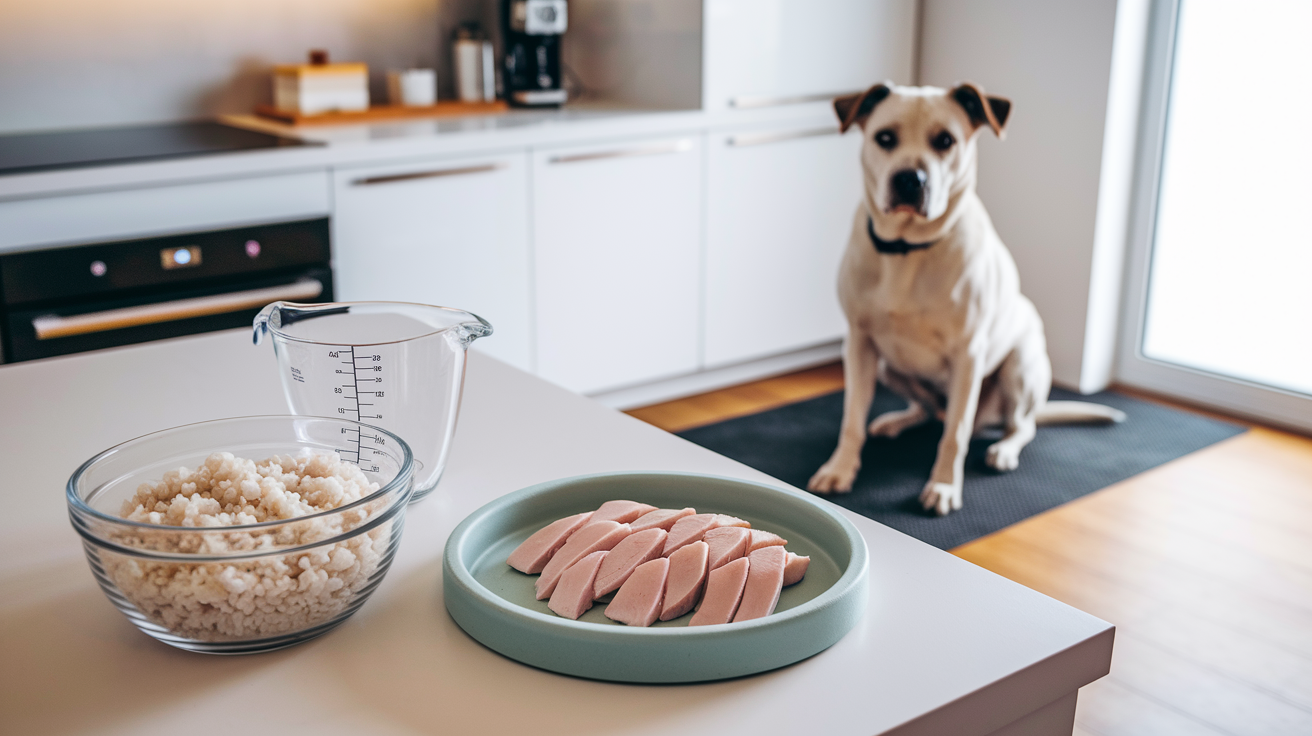
Once your dog keeps water down for a few hours without vomiting again, you can offer a very small amount of bland food. Start with roughly one quarter of their usual meal size. The goal is gentle, easy to digest fuel that won’t reactivate nausea. A classic bland diet recipe is plain boiled chicken (no skin, no seasoning) mixed with plain cooked white rice. Cook the chicken until it’s fully done, let it cool, and shred or chop it into small bites. Cook the rice soft, using a bit more water than usual so it’s easy on the stomach.
If your dog tolerates that first small portion without vomiting for the next few hours, you can feed another small bland meal a few hours later. Keep portions small and frequent for the first 24 hours, then slowly increase the amount over three to five days. During this time, skip all treats, chews, and regular kibble. When your dog is eating the bland diet comfortably and their stool is firming up, start mixing in their normal food little by little, about 25 percent more each day, over another three to five days. If vomiting or diarrhea comes back during reintroduction, stop and call your vet.
You can swap ingredients based on what you have at home or what your dog tolerates best. Just stick to one simple carbohydrate and one lean protein at a time.
| Carbohydrate Option | Protein Option | Notes |
|---|---|---|
| Plain white rice (boiled soft) | Boiled chicken breast (no skin) | Most common and well tolerated by most dogs |
| Boiled sweet potato (plain, mashed) | Boiled lean ground beef (drained of all fat) | Sweet potato adds fiber; drain beef very well to avoid fat |
| Plain boiled spaghetti or pasta | Scrambled or boiled egg whites (no yolk) | Egg whites are gentle; use only if your dog isn’t sensitive to eggs |
| Instant or minute rice (plain) | Low-fat cottage cheese (small amount) | Cottage cheese can upset some dogs; test in tiny amounts first |
Gentle Natural Add‑Ons That May Help Reduce Nausea

Once your dog is holding down small bland meals and water, you can try adding a few natural ingredients known for calming an upset stomach. These aren’t cures. They’re gentle supports that may help soothe nausea, coat irritated stomach lining, or restore healthy gut bacteria. Always introduce one new thing at a time and watch for any reaction. If your dog’s vomiting worsens or new symptoms appear, stop the add-on and check with your vet.
Pumpkin and Other Soothing Foods
Plain canned pumpkin (not pumpkin pie filling) is one of the safest, easiest stomach soothers you can offer. It’s high in fiber and moisture, which helps firm up loose stools and calm inflammation in the digestive tract. Start with one teaspoon for small dogs or one tablespoon for larger dogs, mixed into a bland meal. You can also try mashed banana in very small amounts. It’s gentle and naturally sweet. Plain cooked oatmeal and boiled sweet potato work similarly. Soft, mild, and easy to digest.
Ginger and Mild Herbal Support
Fresh ginger has natural anti-nausea properties and has been used for motion sickness and mild stomach upset in dogs. You can brew a very weak ginger tea (let it cool completely) and offer a teaspoon or two, or grate a tiny pinch of fresh ginger into food. Other mild herbs that may help include fennel, chamomile, and peppermint. Chamomile tea, cooled and given in small amounts (a tablespoon or two), can have a calming, anti-inflammatory effect. Peppermint works as an antispasmodic, but use it sparingly. Too much can irritate. For car sickness nausea, some owners place a drop of lavender essential oil on a cotton ball near (but not touching) the dog so they can smell it during travel.
Probiotics and Fermented Options
Probiotics help restore the balance of good bacteria in your dog’s gut, especially after vomiting or diarrhea. Plain kefir, a fermented milk product, is a natural probiotic source you can offer in very small amounts if your dog tolerates dairy. Start with a teaspoon and watch for any signs of upset. Probiotic powders or supplements made specifically for dogs are another option and are often easier on sensitive stomachs. Look for products with multiple live strains and follow the label dosing. Digestive enzyme supplements may also support recovery if your dog’s regular diet lacks natural enzymes. Before giving any supplement or herb regularly, confirm the correct dose with your vet. The wrong amount can make things worse instead of better.
Hydration Techniques for Dogs Recovering from Vomiting

After the first few hours of keeping down small sips, you’ll want to actively support your dog’s hydration over the next 24 to 48 hours. Dehydration is the biggest risk when a dog is vomiting, especially if diarrhea is also present. You can add a small amount of unflavored electrolyte solution to your dog’s water bowl. Use a product made for pets or dilute a pediatric electrolyte drink at a ratio of about one part electrolyte to two parts water. Offer fresh water or the diluted solution every hour or two in small amounts. Don’t let your dog gulp a full bowl at once. That can trigger more vomiting.
If your dog is alert but reluctant to drink, you can use a clean syringe (no needle) to gently give fluids by mouth. Aim for roughly 100 milliliters per 10 pounds of body weight per day, which works out to about half a cup per 10 pounds spread across the day. Give it slowly, a little at a time, letting your dog swallow between squirts. Never force-feed fluids to a lethargic, unresponsive, or seizing dog. That requires emergency veterinary care, not home syringing.
Key hydration steps and mistakes to avoid:
- Offer water or diluted electrolyte solution every one to two hours in small portions.
- Use room-temperature fluids. Cold water can shock a sensitive stomach.
- Avoid letting your dog drink large amounts quickly, even if they seem very thirsty.
- Do not use human sports drinks with artificial sweeteners, caffeine, or high sugar. Pediatric unflavored options or plain water are safest.
- Watch gum moisture, skin tent test (pinch skin at the back of the neck and see if it snaps back quickly), and energy level throughout the day. If dehydration signs worsen or your dog stops drinking entirely, contact your vet right away.
Foods and Ingredients to Avoid During Vomiting Episodes
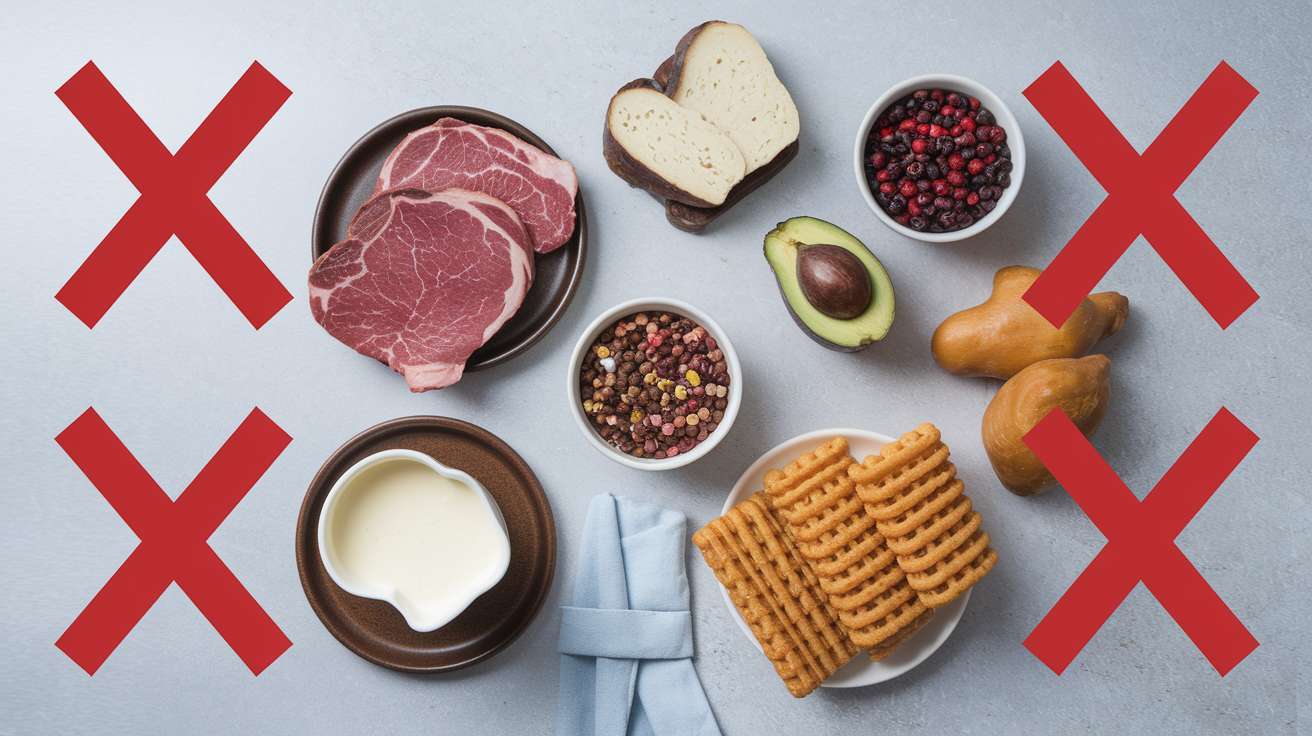
While your dog’s stomach is recovering, certain foods and ingredients can make nausea worse or trigger another round of vomiting. Anything fatty is off the table. Fatty meats, gravy, butter, cheese, or fried foods can overload a sensitive digestive system and even lead to pancreatitis in some dogs. Table scraps and human meals are risky during this time because they often contain spices, salt, onions, garlic, or other ingredients that irritate or harm dogs.
Most dogs don’t tolerate regular dairy well, even when healthy. Milk, cream, and full-fat cheese can cause diarrhea and stomach cramping. If you want to try a dairy-based option like cottage cheese or kefir, use only small amounts and choose low-fat or fat-free versions. Do not force your dog to eat or drink. If they refuse food after a few offerings, let the stomach rest longer and try again in a few hours.
Items to skip entirely until your dog is fully recovered:
- Fatty meats, skin, drippings, or greasy leftovers
- Spicy, seasoned, or heavily salted human foods
- Regular kibble, treats, chews, and bones during the first 24 to 48 hours
- Full-fat dairy products or large amounts of any dairy
- Over-the-counter human anti-nausea or anti-diarrhea medications unless your vet has given you a specific dose and product name
When Home Remedies Are Not Enough: Vomiting Red Flags
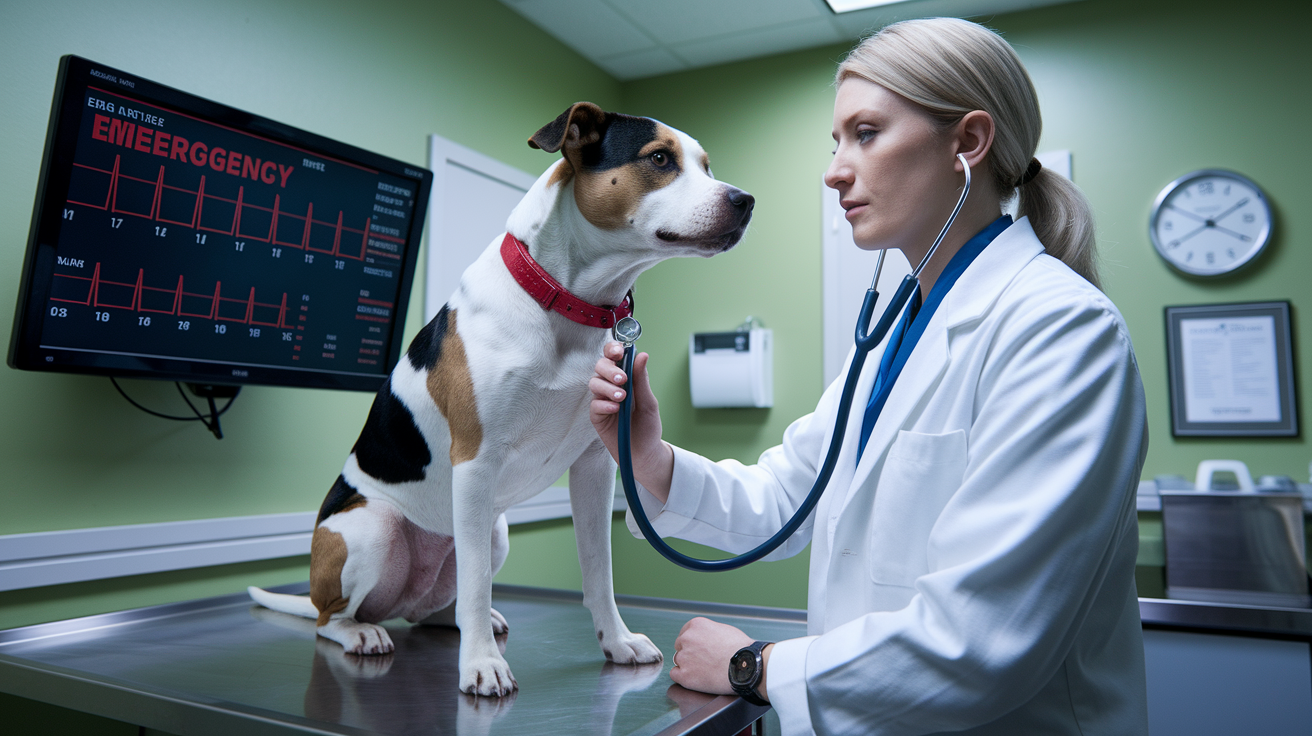
Home care works well for mild, isolated stomach upset, but some situations need a vet’s evaluation and treatment right away. If your dog vomits more than a couple of times in a few hours, or if vomiting continues beyond 48 hours even with fasting and bland diet, that’s a sign something more serious may be happening. Same goes if your dog can’t keep water down. Repeated vomiting after drinking means dehydration will set in fast and may require IV fluids at a clinic.
Watch the vomit itself. Yellow or clear bile usually just means an empty stomach, but vomit that looks like coffee grounds, contains bright red blood, or appears dark and tarry can signal bleeding in the stomach or intestines. Diarrhea combined with vomiting increases dehydration risk quickly. If your dog also has a fever (hot ears, warm belly, shivering), visible abdominal bloating or a hard, distended belly, severe lethargy, or signs of pain when you touch their stomach, stop home care and contact your vet.
Certain emergencies require immediate attention, within hours, not days. Deep-chested breeds like Great Danes, German Shepherds, Standard Poodles, and Dachshunds are at higher risk for bloat (gastric dilatation-volvulus), a life-threatening condition where the stomach twists. Bloat signs include unproductive retching (trying to vomit but nothing comes up), a swollen, tight belly, restlessness, drooling, and rapid breathing. If you suspect bloat, go to an emergency vet right away.
Call your vet or an emergency clinic if you see any of these red flags:
- Vomiting persists for more than 48 hours or worsens over time
- Your dog can’t keep down water or refuses to drink
- Vomit contains blood (bright red or coffee-ground appearance) or looks unusual
- Diarrhea is also present, especially if it’s bloody, very watery, or has a “raspberry jam” look
- Signs of severe dehydration: dry, tacky gums, sunken eyes, skin that doesn’t snap back when pinched, extreme lethargy
- Abdominal pain, bloating, or a hard, distended belly
- Unproductive retching, drooling, pacing, or other bloat warning signs
Special Considerations for Puppies, Seniors, and High‑Risk Breeds
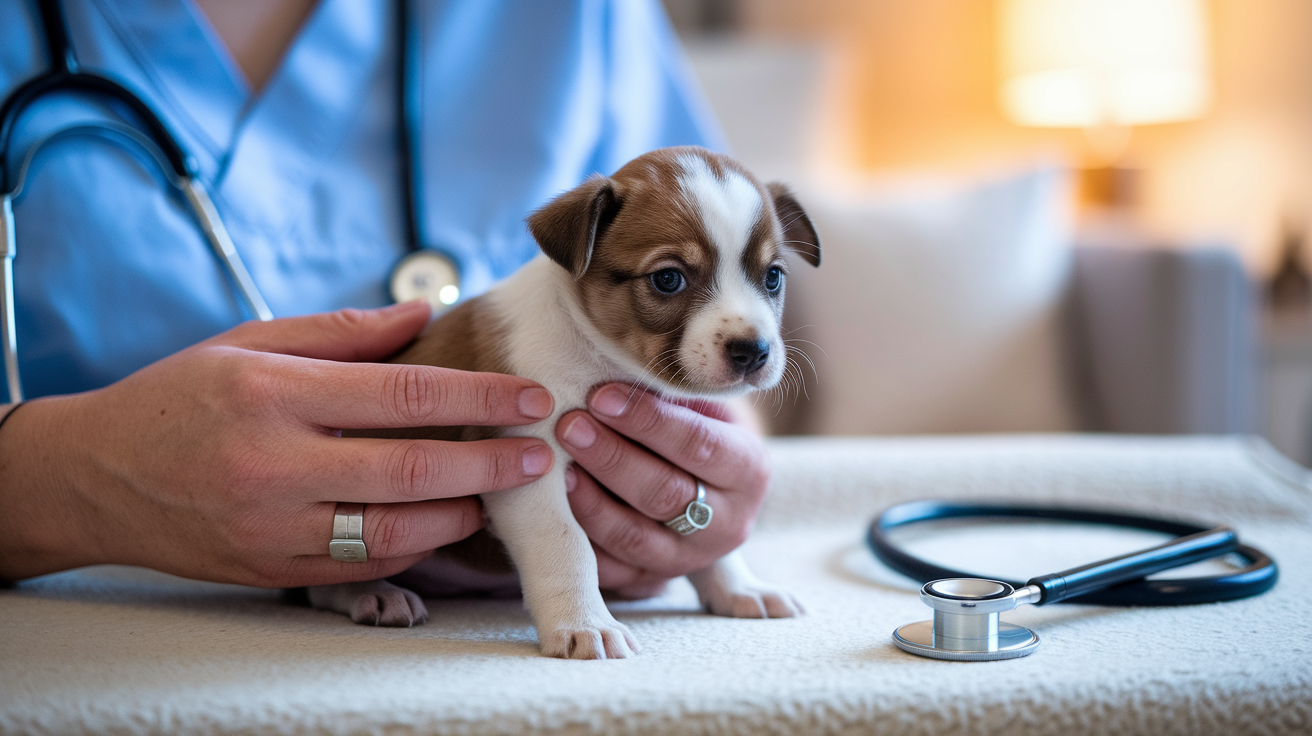
Not all dogs can safely follow the standard fasting and home-remedy protocol. Puppies, especially those under six months, and toy or miniature breeds shouldn’t go without food for long periods. Their smaller bodies and faster metabolisms mean they can develop dangerously low blood sugar (hypoglycemia) within just a few hours of fasting. If a puppy vomits, contact your vet before withholding food. They may recommend very frequent small bland meals instead of fasting.
Senior dogs and dogs with underlying health problems (diabetes, kidney disease, liver disease, Addison’s disease, or other chronic conditions) are at higher risk when vomiting. Dehydration can hit them harder and faster, and skipping meals or medications can destabilize their condition. If your older dog or a dog with a known illness vomits, check with your vet before trying home care. Deep-chested breeds are more prone to bloat, so any vomiting combined with retching, belly swelling, or distress should be treated as urgent.
Special population cautions to keep in mind:
- Puppies and small breeds: do not fast without veterinary guidance; offer tiny, frequent bland meals and monitor blood sugar closely.
- Senior dogs: watch hydration and energy very carefully; they may need veterinary fluids sooner than younger, healthy dogs.
- Dogs with chronic illness: vomiting can interfere with medications and worsen underlying disease; consult your vet before adjusting feeding or medication schedules.
- Deep-chested and large breeds: higher bloat risk; if vomiting is paired with retching, abdominal swelling, or distress, seek emergency care immediately.
Monitoring Your Dog’s Recovery After Using Home Remedies
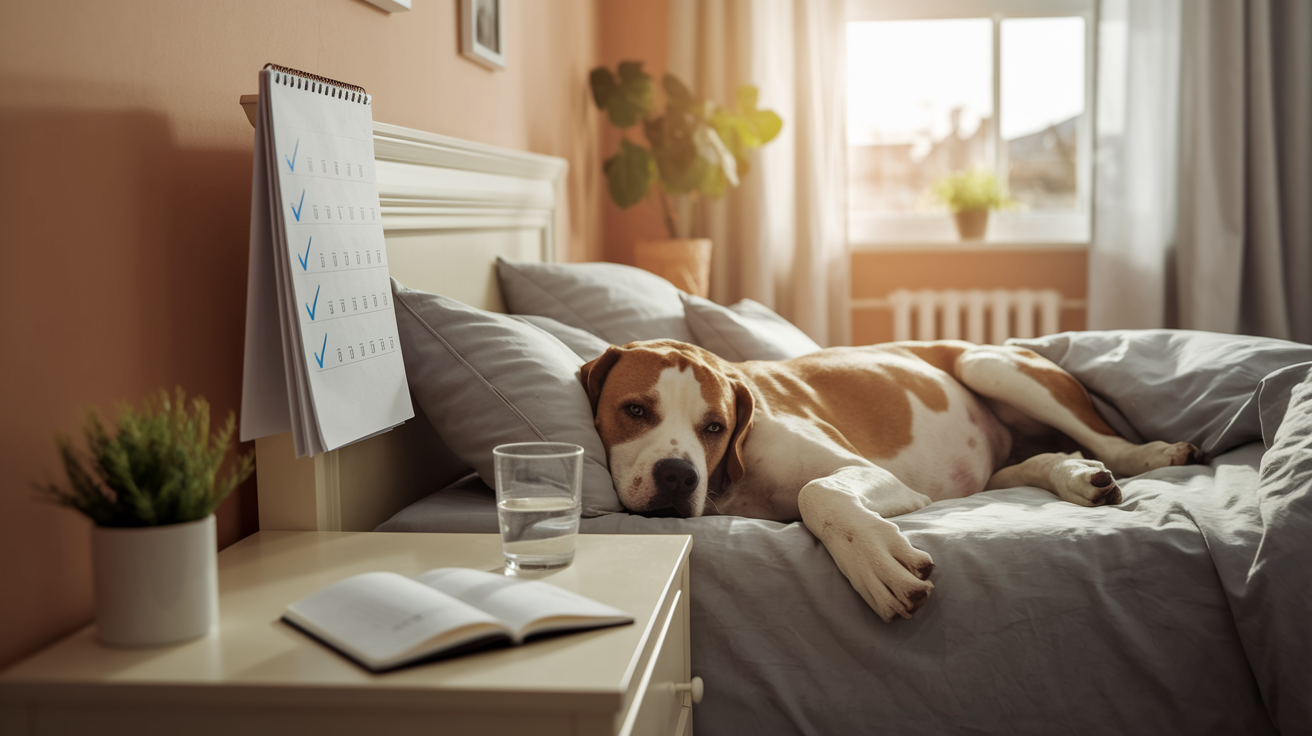
Once your dog stops vomiting and starts holding down water and small bland meals, the next few days are all about slow, steady recovery. Keep feeding small portions of bland diet four to six times a day for the first 24 hours, then slowly increase portion size while reducing meal frequency over the next three to five days. Watch your dog’s stool. It should start to firm up within a day or two. Loose or watery stool that continues beyond 48 hours, or any blood in the stool, means you need veterinary help.
Energy level and appetite are your best recovery markers. A dog on the mend will start to perk up, show interest in food, wag their tail, and move around normally within 24 to 48 hours. If your dog stays lethargic, refuses food, or seems uncomfortable after two days of home care, that’s a sign the problem isn’t resolving on its own. Keep a simple log of vomiting episodes, what time they happened, what the vomit looked like, how much water and food your dog took in, and any changes in behavior or stool. That information is very helpful if you do end up calling your vet.
Track these five recovery milestones to know you’re on the right path:
- No vomiting for at least 12 to 24 hours after starting home care.
- Your dog is drinking water willingly and keeping it down without issue.
- Small bland meals stay down and your dog shows interest in eating.
- Stool is forming and becoming more normal in color and consistency (less watery, less frequent).
- Energy, alertness, and normal behavior return. Your dog is wagging, playing lightly, and acting like themselves again.
Final Words
Act now: start with a short fast, offer very small sips of water, and check gum moisture. Stop fluids if vomiting gets worse.
Next, think about likely triggers, try a bland diet like boiled chicken and rice, and consider gentle helpers such as plain pumpkin or probiotics. Avoid fatty foods and human meds.
Use these home remedies for dog vomiting as first steps. Track vomiting, appetite, and water intake for 24–48 hours, and call your vet for blood, repeated vomiting, or severe lethargy. You’ve got a clear plan — small steps matter.
FAQ
Q: How do you settle a dog’s stomach after throwing up?
A: Settling a dog’s stomach after throwing up means withholding food for 6–24 hours, offering very small sips of room‑temperature water, checking gum moisture, then starting a bland meal like boiled chicken and rice once water stays down.
Q: How do I stop my dog from vomiting and what’s the immediate remedy to stop vomiting?
A: To stop your dog from vomiting, pause food for 6–24 hours, offer tiny amounts of water frequently, keep them calm and upright, avoid human medicines, and call the vet if vomiting keeps up or they can’t keep water.
Q: Can I give Pepto Bismol to my dog for vomiting?
A: Giving Pepto Bismol to your dog should only be done after talking with your vet; it contains salicylates that can be harmful and may hide serious signs, so don’t give it without professional approval.