

Is your dog really “just getting old,” or are those small changes actually pain?
Lots of owners shrug off a limp, stiffness after sleep, or sudden grumpiness as aging.
Wait, those clues can point to arthritis.
This post shows the everyday signs pet owners notice, what they often mean, and simple first steps you can try at home.
It also tells you what to track and when to call the vet so your dog gets help before things get worse.
Key Observable Signs That Indicate a Dog May Have Arthritis
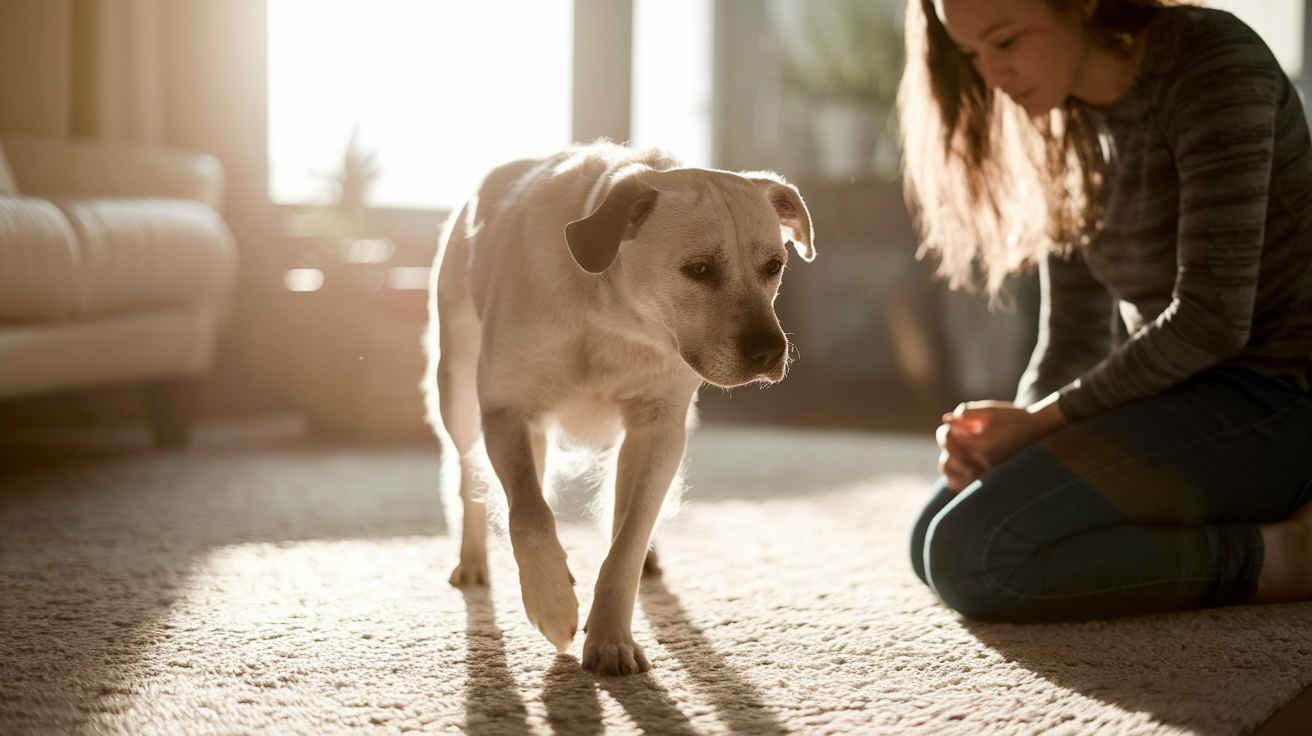
- Limping or favoring one leg — often worse after exercise or after resting; may be subtle and only appear post-activity
- Stiffness and reduced mobility — trouble getting up after lying down, slower movement, difficulty jumping or climbing
- Reluctance to exercise — reduced interest in walks, fetch, running; marked decrease in activity levels
- Behavioral changes — increased grumpiness, restlessness, withdrawal, sensitivity or aggression when touched around joints
- Difficulty climbing stairs or getting up — avoidance or struggle with stairs, jumping into vehicles, or onto furniture
- Swelling and heat around joints — visible enlargement or warmth to the touch indicating inflammation
- Licking, biting, or chewing at joints — persistent grooming of a joint area, risk of sores or irritations
- Weight gain or difficulty maintaining weight — reduced activity can cause weight gain, which increases joint strain and worsens symptoms
Canine arthritis usually hits the hips, knees, elbows, and shoulders hardest. That’s where cartilage wears down first and bones start rubbing together. Catching these signs early can slow things down and keep your dog comfortable longer. The sooner you notice changes, the sooner you can build a care plan around pain relief, weight control, and gentler activity.
Mobility changes and behavioral shifts tend to show up together. A dog who used to pull you out the door for morning walks might suddenly hesitate. Another might snap when you touch a tender spot, even though they’ve never done that before. These aren’t just quirks or “getting old.” They’re your dog telling you something hurts.
Watch how often each sign appears and how long it sticks around. One limp after a long hike is different from stiffness every morning. Tracking gait patterns, like a shorter stride on one side or uneven weight distribution, helps you understand what’s going on and gives your vet better detail when you schedule a visit.
Understanding Canine Arthritis and How It Develops
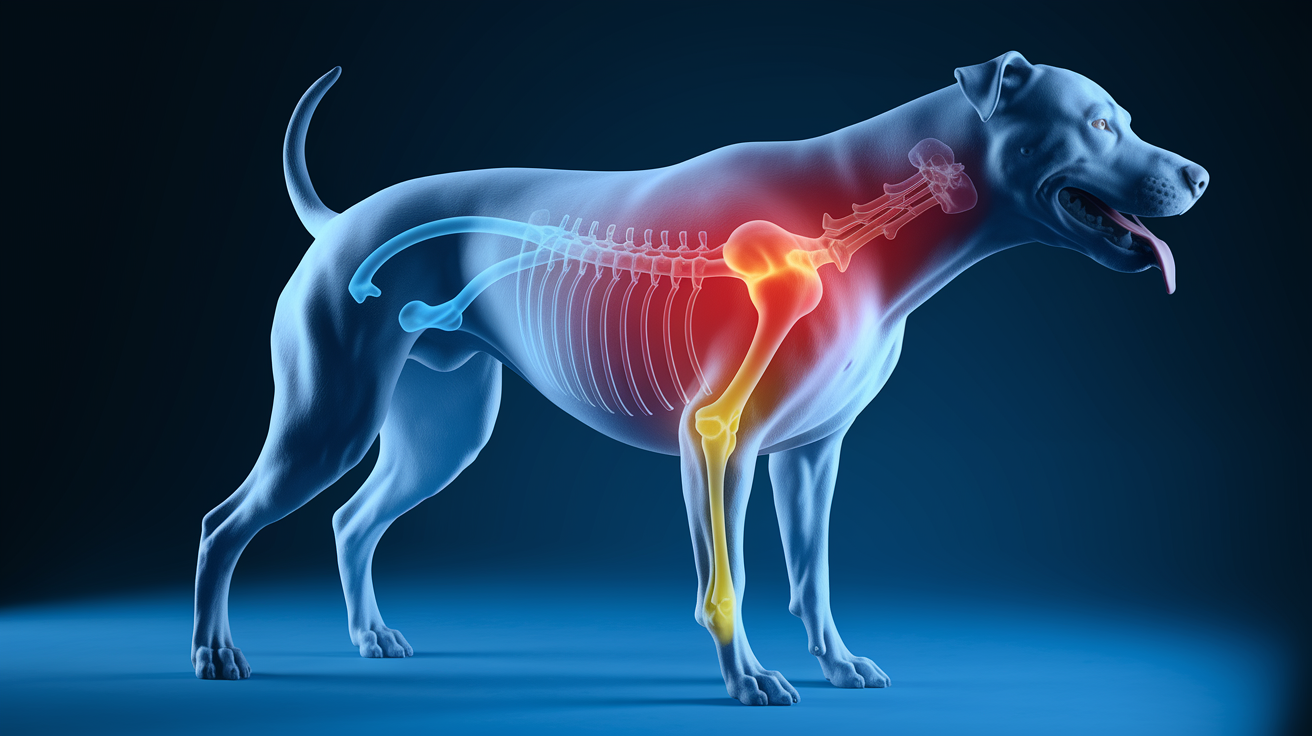
Arthritis happens when cartilage inside a joint breaks down. Cartilage cushions the space between bones so they can move smoothly. When that cushion thins out or disappears, bones grind against each other. That causes inflammation, pain, and stiffness. The process can creep up slowly over months or years, especially in joints that carry a lot of weight.
A few things raise the risk. Age is the biggest factor. Natural wear adds up over time. Genetics matter too. Some breeds inherit joint problems like hip dysplasia that speed up degeneration. Past injuries, torn ligaments, fractures, repeated trauma, can trigger arthritis in younger dogs. Obesity puts extra pressure on every joint, wearing down cartilage faster. Even normal activity in a dog with slightly off-kilter joints can cause uneven wear that turns into arthritis down the line.
Early Signs of Arthritis in Dogs to Watch For
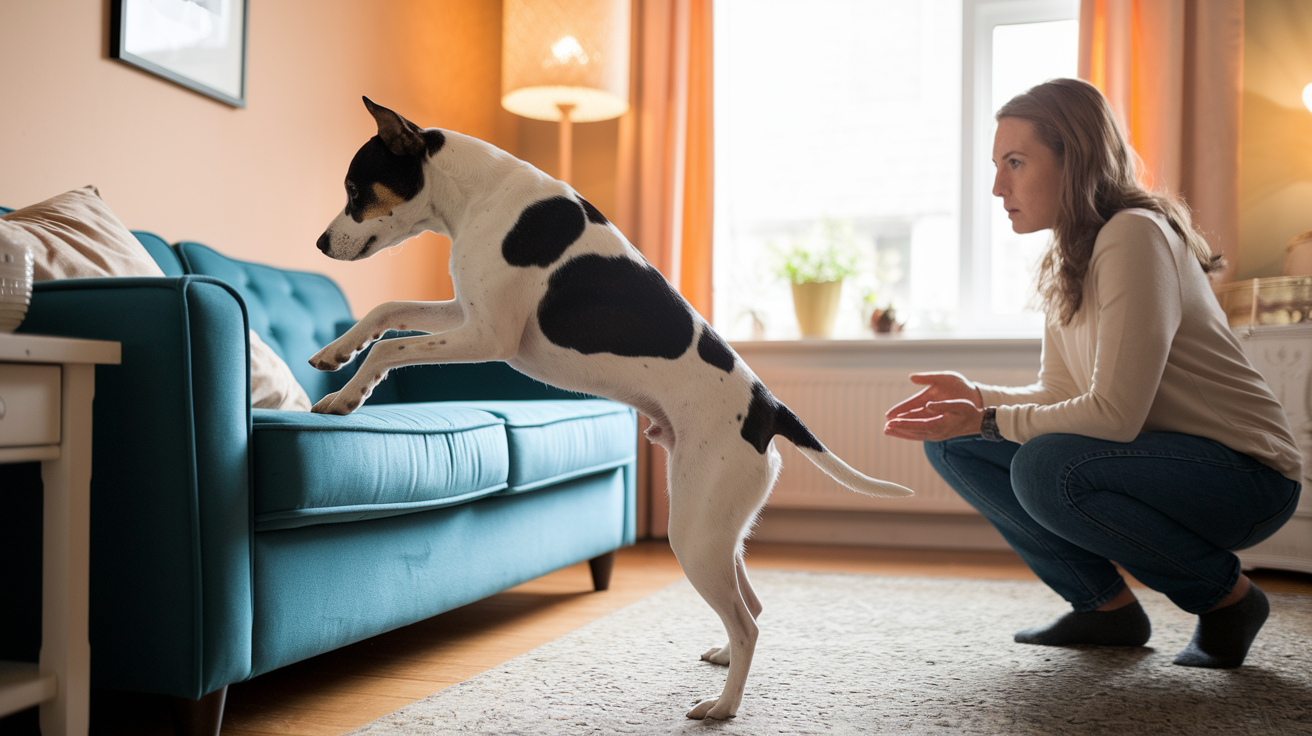
Early arthritis symptoms are easy to miss because they look a lot like normal aging. Your dog might seem a little slower getting up in the morning, or they skip a jump onto the couch one day and nail it the next. A lot of owners think, “They’re just slowing down,” without realizing joint pain is starting. But these small changes are actually the first clues that cartilage is thinning and inflammation is kicking in.
Posture and movement shifts can be really subtle at first. Your dog may sit down more often on walks, or take an extra second to stand after a nap. You might notice they’re sleeping more during the day or skipping rough play with other pets. Mild reluctance to be touched around a joint, like pulling away when you pet their hip, is another early warning.
- Mild limp that shows up after exercise or play
- Hesitancy to jump onto furniture or into the car
- Stiffness when waking up or after lying down for a while
- Less interest in fetch, running, or roughhousing
- Slight favoring of one leg, shifting weight when standing
- More sleeping or resting during the day
Advanced or Worsening Arthritis Symptoms in Dogs
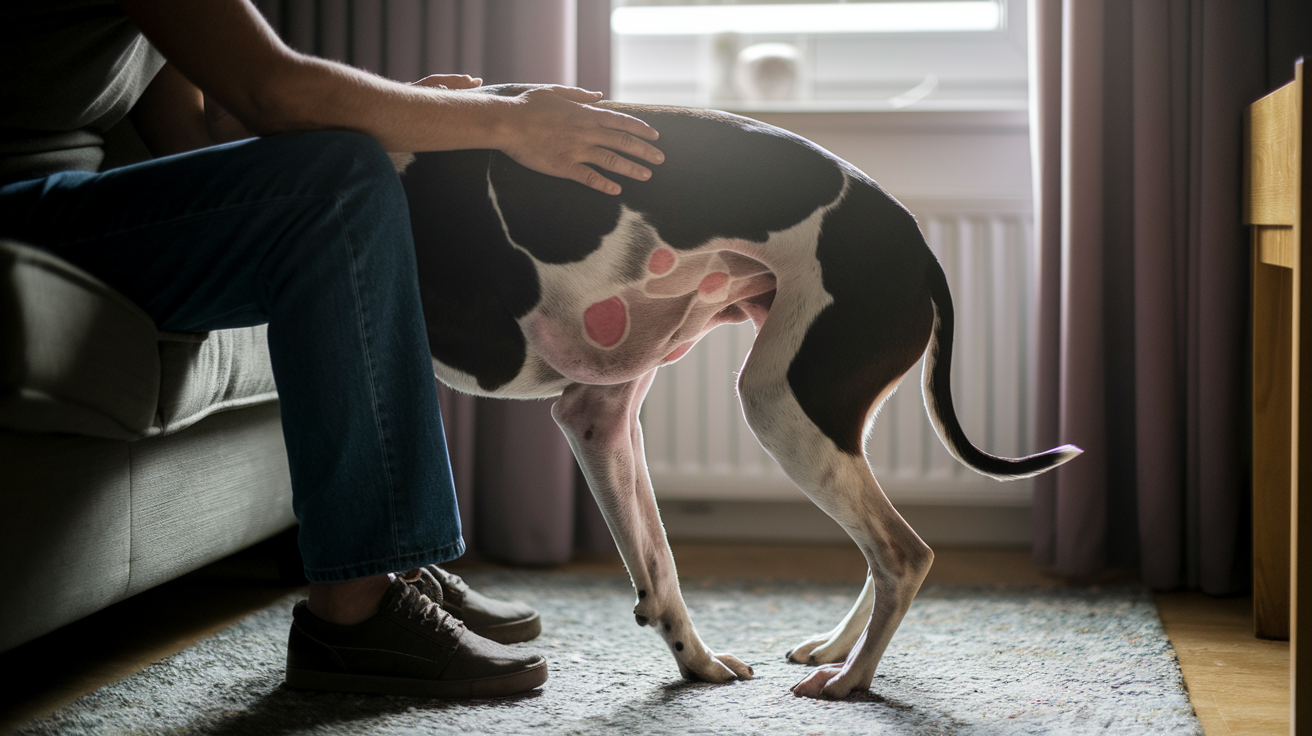
As arthritis gets worse, pain becomes harder to ignore and mobility loss becomes obvious. Dogs with moderate to advanced disease show clear, consistent symptoms that mess with daily life. Pain behaviors get stronger. Your dog may get irritable, pull back from family time, or struggle to settle at night because they can’t find a comfortable position. Some dogs pant more, pace, or whine softly when they move.
Mobility declines in noticeable ways. A dog who used to fly up stairs now takes them one slow step at a time, or refuses completely. Jumping into the car or onto the bed may become impossible. Gait changes get pronounced. You’ll see a visible limp on one or both legs, a hunched back, or a head held lower than normal to shift weight off painful hind legs. Your dog might start “bunny hopping” with both back legs moving together instead of striding smoothly.
Visible structural changes appear over time. Muscle wasting, where the leg looks thinner than the opposite side, tells you your dog has been avoiding that limb for weeks or months. Swelling around a joint may be visible or easy to feel when you gently touch the area. Heat coming from the joint means there’s active inflammation. Repetitive licking or chewing at a joint can cause red, irritated skin, hair loss, or open sores. All signs the discomfort is chronic and localized.
- Persistent limping or lameness that doesn’t get better with rest
- Visible muscle wasting in one or more legs from long-term disuse
- Swelling, heat, or enlarged appearance around affected joints
- Chronic licking, biting, or chewing causing skin damage over the joint
Breeds and Ages Most Likely to Show Arthritis Symptoms
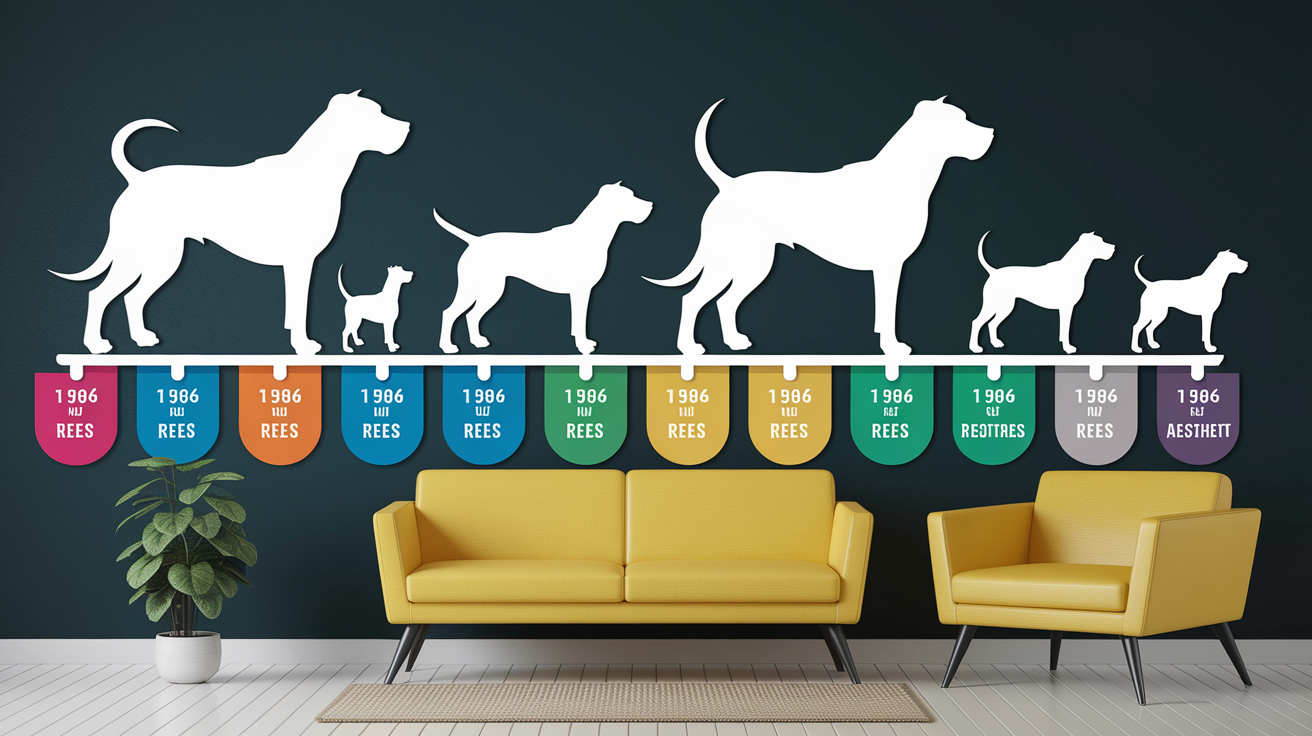
Most dogs start showing arthritis signs around seven to eight years old. But large and giant breeds may develop symptoms earlier because their joints carry more weight throughout life. Smaller dogs can get arthritis too, though it often shows up a bit later. Genetics and breed structure matter. Dogs with short legs, long backs, or heavy builds face higher risk.
Certain inherited conditions set the stage for early arthritis. Hip dysplasia, elbow dysplasia, and patellar luxation (where the kneecap slips out of place) all create abnormal joint wear that leads to degeneration over time. Juvenile arthritis can appear in dogs under a year old, usually tied to developmental joint issues or immune conditions. Secondary arthritis follows injuries like torn cruciate ligaments or fractures, and it can happen at any age.
- Age brackets: Early signs typically start at 7–8 years; large breeds may show symptoms at 5–6 years; small breeds often later, around 9–10 years
- Breed size categories: Large and giant breeds (labs, retrievers, German shepherds, mastiffs) are at higher risk; small breeds with genetic joint issues (dachshunds, corgis) also vulnerable
- Genetic and structural risk factors: Hip dysplasia, elbow dysplasia, patellar luxation, osteochondritis, previous joint injuries, obesity
How Veterinarians Diagnose Arthritis in Dogs
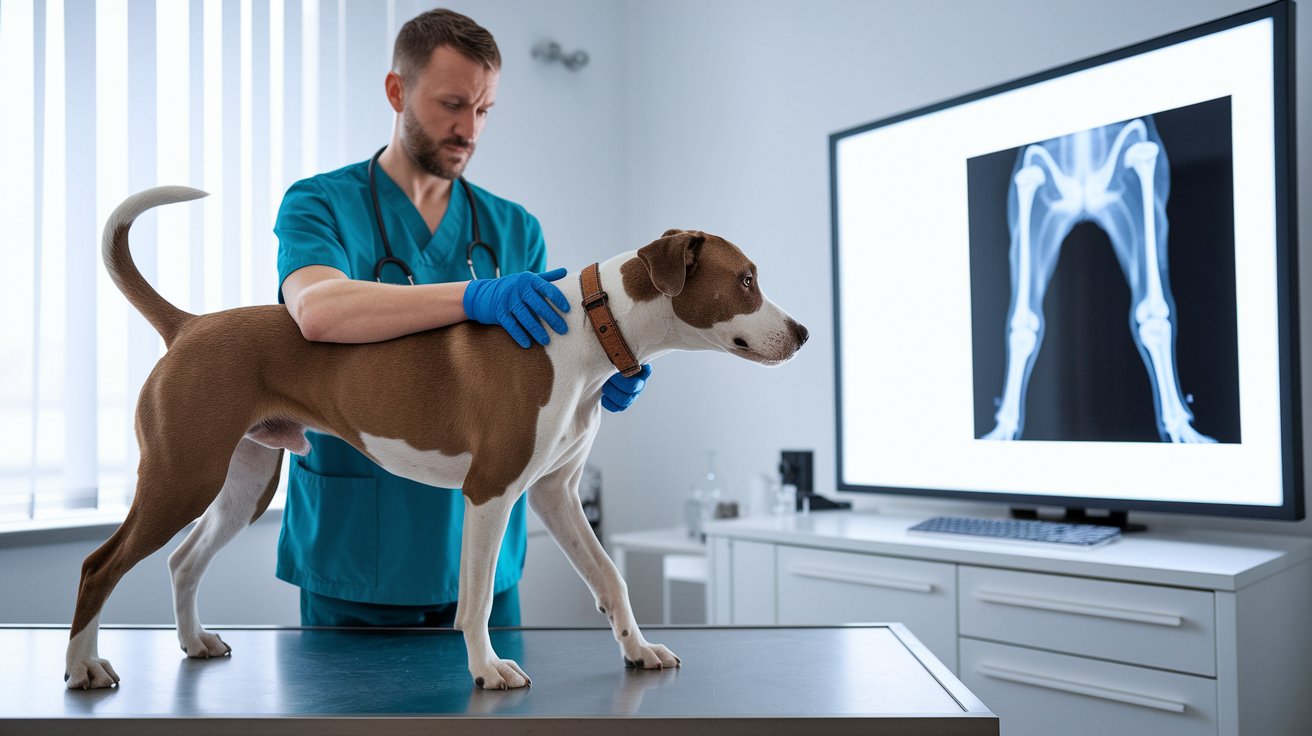
Physical & Orthopedic Exam
Your vet will start by watching your dog walk and move. Gait evaluation shows which leg is affected, how bad the limp is, and whether your dog shifts weight to avoid pain. Palpation means gently feeling each joint for heat, swelling, thickening, or a painful response. Range-of-motion checks test how far a joint can bend and extend. Stiff or limited movement suggests inflammation or structural damage inside the joint.
Imaging (X-rays/Radiographs)
X-rays are the main tool for confirming arthritis. Radiographs show joint space narrowing, where the gap between bones shrinks as cartilage wears away. Bone remodeling, like new bone growth along joint edges or rough, uneven surfaces, appears clearly on film. X-rays also rule out fractures, tumors, or other causes of limping. About 90% of cats over 12 show arthritis on x-rays. The same imaging approach works for dogs.
Additional Tests
Sometimes your vet will order blood tests to rule out other conditions that cause joint pain, like Lyme disease, immune disorders, or infections. Joint fluid analysis, where a small sample is drawn from the affected joint, can identify inflammatory arthritis, infection, or crystal deposits. These tests are less common but helpful when symptoms don’t match typical osteoarthritis patterns or when a younger dog shows severe joint pain.
| Method | What It Detects |
|---|---|
| Orthopedic Exam | Gait abnormalities, joint swelling, pain on palpation, reduced range of motion |
| X-rays (Radiographs) | Joint space narrowing, bone spurs, remodeling, fractures, tumors |
| Blood Tests & Joint Fluid Analysis | Infection, immune-mediated disease, Lyme disease, crystals, inflammatory markers |
Treatment Options for Canine Arthritis Symptoms

Pain control and inflammation reduction are the foundation of arthritis care. Prescription NSAIDs (non-steroidal anti-inflammatory drugs) are what vets use most to reduce joint inflammation and relieve discomfort. These should only be given under veterinary guidance. Never use human pain relievers. They can be toxic to dogs. Your vet may also recommend joint supplements with glucosamine, chondroitin, and omega-3 fatty acids. These support cartilage health and reduce inflammation over time.
Weight management and physical therapy make a real difference in how your dog moves and feels. Keeping your dog at a healthy body condition reduces the load on every joint, slowing cartilage breakdown and easing pain. Low-impact exercise, like short, gentle walks or swimming, maintains muscle strength and joint flexibility without high-impact stress. Physical therapy programs, including controlled exercises, massage, and hydrotherapy, help dogs stay mobile, reduce stiffness, and build supporting muscle around damaged joints.
Home modifications improve comfort day to day. Orthopedic beds with thick, supportive foam relieve pressure on sore joints while your dog rests. Ramps or pet steps let your dog access furniture, beds, and vehicles without painful jumping. Raised food and water bowls reduce neck and shoulder strain. Non-slip mats on smooth floors prevent slipping and give your dog confidence when moving around the house.
- Prescription NSAIDs for pain and inflammation
- Joint supplements with glucosamine, chondroitin, and omega-3 fatty acids
- Low-impact physical therapy, hydrotherapy, massage, and laser therapy
- Weight management to reduce joint load and slow progression
- Orthopedic bedding to relieve pressure during rest
- Ramps, steps, and assistive devices to reduce strain on joints
Home Monitoring and Daily Tracking of Arthritis Signs

Tracking symptoms at home helps you catch changes early and gives your vet useful information when you check in. Pick a time each day, like morning or evening, to observe how your dog moves and behaves. Write down what you see. Even small shifts matter. Note how long stiffness lasts after your dog wakes up, whether they hesitate before climbing stairs, or if they lick a joint more than usual. Patterns become clear over weeks, and you’ll know when to adjust care or call the vet.
Consistent monitoring also shows you whether treatments are working. If you start a new supplement or adjust exercise, you can compare notes from before and after. Some days will be better than others. That’s normal. But if bad days outnumber good ones, it’s time to talk to your vet about next steps.
- Mobility check — Watch how easily your dog stands, walks, and climbs stairs; note any limping or shorter stride
- Swelling and heat — Gently feel each joint for warmth, puffiness, or tenderness
- Licking or chewing — Check for wet fur, red skin, or hair loss over joints
- Activity level — Track interest in walks, play, and normal routines; compare to last week
- Stair and furniture use — Note hesitations, refusals, or struggles when jumping or climbing
When Dog Arthritis Signs Require Veterinary Attention

Severe limping that doesn’t improve after a day or two, sudden swelling in a joint, or a dog who can’t stand or walk without obvious pain are all reasons to call your vet right away. If your dog suddenly refuses to put weight on a leg, cries out when touched, or becomes unusually aggressive when you try to handle them, something more than gradual arthritis may be going on. A torn ligament, fracture, or joint infection all need immediate attention. Behavior changes like restlessness, panting at night, or withdrawing from the family signal significant pain that’s affecting quality of life.
Even when symptoms aren’t sudden, worsening mobility over a few weeks warrants a vet visit. If your dog used to manage stairs but now avoids them completely, or if they’re sleeping most of the day and skipping meals, their pain level has likely increased. Prescription pain control and anti-inflammatory medications are the safest, most effective way to manage arthritis discomfort. They require professional assessment and monitoring to use correctly.
Final Words
Spotting a limp, stiffness after rest, or less interest in walks? Those are the clues we covered. We went through the eight core signs, why joints break down, who’s at higher risk, and how early and advanced symptoms differ.
Next steps. Start a simple twice-daily log for 7-14 days—note gait, rising difficulty, licking or swelling—and share it with your vet so they can suggest pain control, weight plans, or therapy.
Catching early signs of arthritis in dogs helps you keep your pet more comfortable and active.
FAQ
Q: What is the best thing for dogs with arthritis?
A: The best thing for dogs with arthritis is a multimodal plan: weight control, vet-prescribed NSAIDs (anti-inflammatory medications), tailored exercise or rehab, joint supplements, and home changes like ramps—start with your vet.
Q: What are the first signs of arthritis in dogs?
A: The first signs of arthritis in dogs are a mild limp after exercise, stiffness after waking, reluctance to jump or climb, decreased play, favoring a limb, subtle posture shifts, more sleeping, and mild touch sensitivity. Call your vet if a limp lasts over 48 hours or worsens.
Q: Does gabapentin help with arthritis in dogs?
A: Gabapentin can help with arthritis in dogs by reducing nerve-related pain and improving comfort as an add-on to other treatments. Gabapentin (nerve-pain medicine) needs a vet prescription and may cause drowsiness.
Q: How long can a dog with arthritis live?
A: A dog with arthritis can live many years; lifespan depends on severity, age, weight, and treatment. Good management often preserves quality and lifespan. Call your vet for sudden decline or uncontrolled pain.