

What if the itch that won’t quit is coming from your dog’s bowl, not fleas?
Food sensitivities are a common reason dogs lick, scratch, and get chronic ear infections.
They often build up slowly after months or years on the same protein, so switching to an allergen-free option can stop the cycle.
Here I give clear, practical steps: which proteins to try, how to switch safely, what to watch for, and when to call your vet.
Understanding How Diet Can Affect Your Dog’s Itching
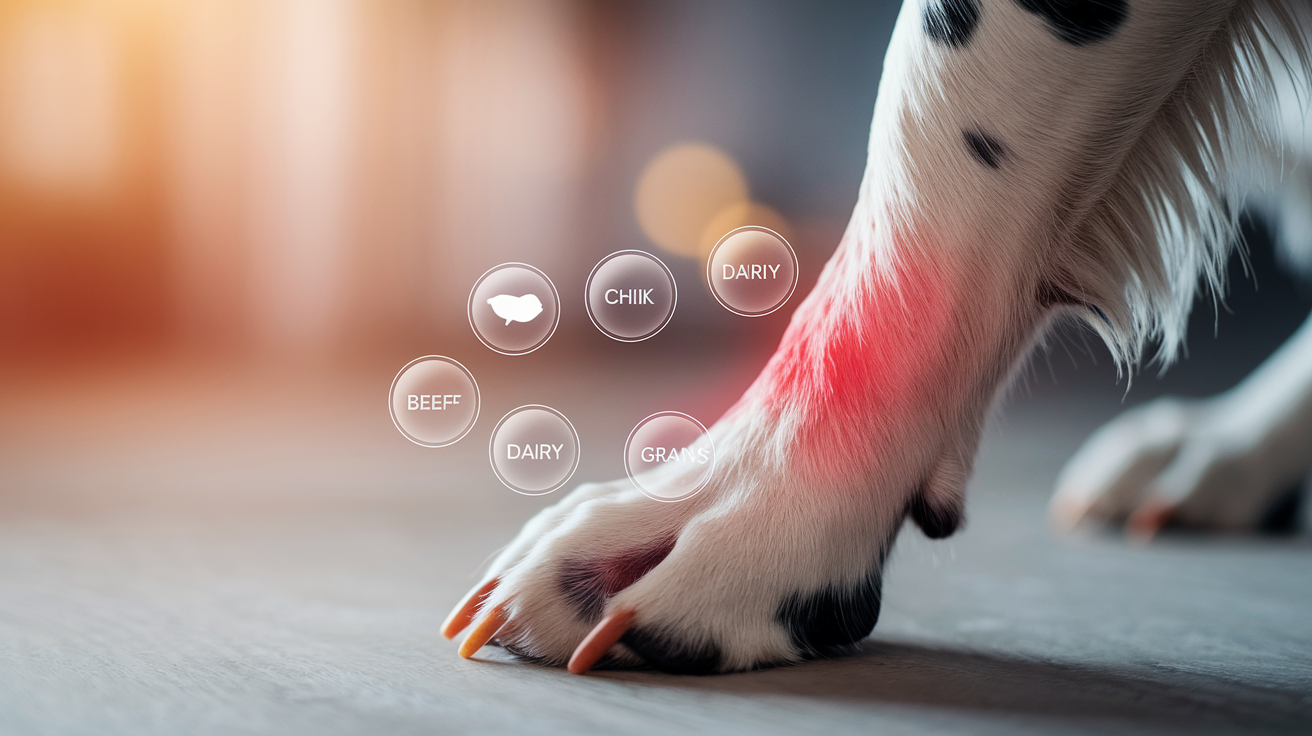
When your dog won’t stop scratching, licking their paws, or shaking their head, food might be quietly fueling the problem. Food allergies are among the top causes of chronic itching in dogs. They don’t happen overnight. Most dogs develop sensitivity after months or years of eating the same protein or ingredient, and the immune system starts responding as if that food is a threat.
Itching from food allergies typically shows up in specific places: paws, ears, belly, face, and around the tail. You might notice your dog constantly licking between their toes, scratching their ears until they’re red and raw, or rubbing their face against furniture. Chronic ear infections, often yeasty-smelling and never fully clearing up, are a big clue that food may be involved. Unlike a quick reaction to a bug bite or seasonal pollen, food-related itching tends to be year-round. It doesn’t improve with flea treatments or antihistamines.
Before assuming food is the cause, it helps to rule out the more common triggers. Fleas remain the number one reason for itching in dogs, and flea allergy dermatitis can keep a dog miserable for up to two weeks after a single bite. Environmental allergens like pollen, dust mites, and mold are the second most common cause. If you’ve already treated for fleas and your dog itches through every season, food deserves a closer look.
Key signs that point toward a food-related problem include:
- Itching that doesn’t improve with flea prevention or seasonal changes
- Chronic ear infections that come back even after treatment
- Constant paw licking, especially between the toes or on the underside
- Red, inflamed skin on the belly, face, or groin that doesn’t heal
Common Food Ingredients That Trigger Itching
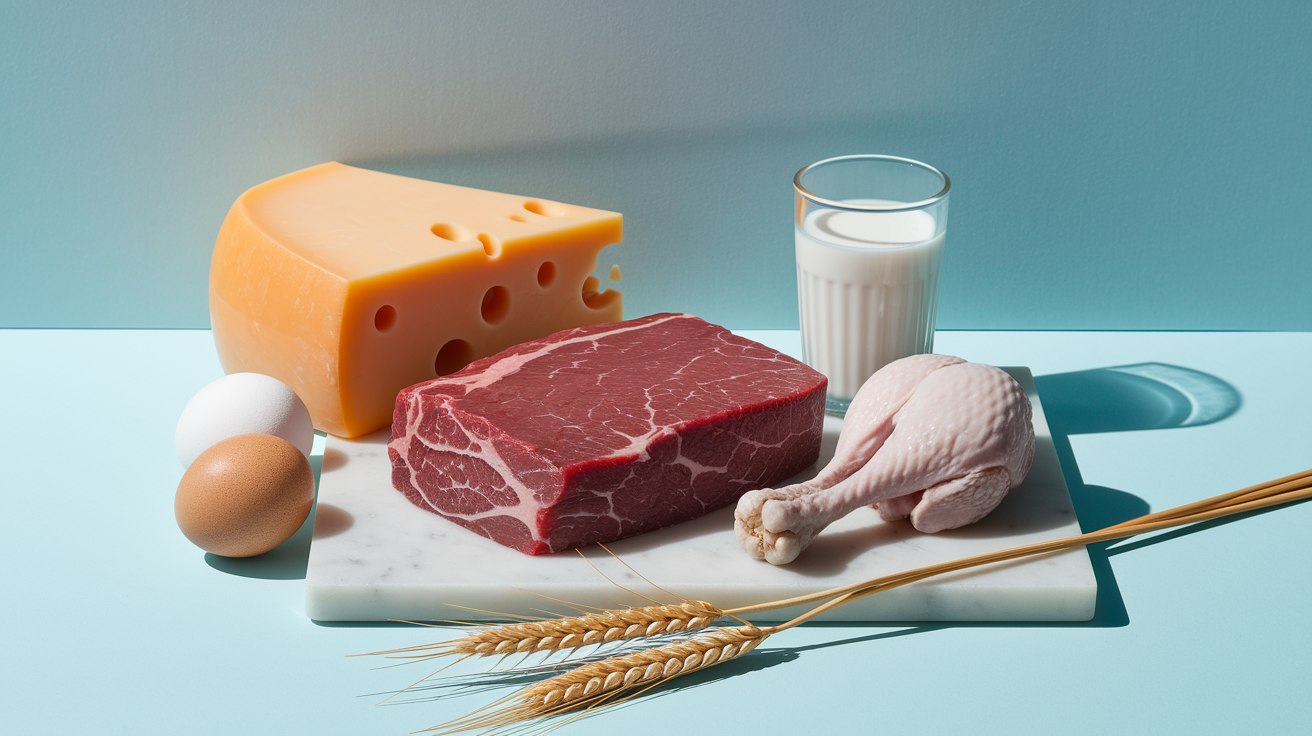
Most food allergies in dogs are caused by proteins, not grains or fillers. The immune system learns to recognize a protein as foreign after repeated exposure, and then launches an inflammatory response every time that ingredient appears in the bowl. Here are the proteins and other ingredients most often responsible for itching:
Beef: One of the most common allergens, especially in kibble and canned food where beef meal or beef by-products appear frequently.
Chicken: The most widely used protein in dog food, and a frequent trigger because of how often dogs are exposed to it over their lifetime.
Dairy: Includes milk, cheese, and whey. Many dogs lose the ability to digest lactose after weaning, and dairy proteins can also provoke true allergic reactions.
Wheat and other grains: While grains are less likely to cause allergies than meat proteins, wheat, corn, and soy can still trigger itching in some dogs.
Eggs: Both the yolk and white contain proteins that may cause reactions. Eggs appear in many commercial treats and training snacks.
Additives and preservatives: Artificial colors, flavors, and chemical preservatives can irritate sensitive dogs, though true immune-mediated allergies to these are rare.
Animal proteins dominate the allergen list because they’re large, complex molecules that the immune system can “learn” to attack. Dogs eating the same protein for months or years are more likely to develop sensitivity than dogs rotated through different foods, though rotation alone won’t prevent allergies if a dog is predisposed.
How to Tell if Your Dog Has a Food Sensitivity
Food sensitivities often look identical to environmental allergies at first glance, so tracking patterns over time helps narrow it down. A dog with pollen allergies will itch more in spring and fall, while a food-sensitive dog itches year-round with no seasonal breaks. Digestive symptoms, vomiting, soft stools, or diarrhea can accompany the itching, though many food-allergic dogs only show skin problems.
Chronic ear trouble is one of the most reliable food sensitivity clues. If your dog’s ears stay inflamed, produce a yeasty or musty smell, and flare up again within weeks of finishing antibiotics or ear drops, food is a strong suspect. The same goes for paw licking that’s relentless and focused. Your dog might lick until the fur is stained rust-brown from saliva, and the skin between the toes stays pink and irritated.
Here are five diagnostic clues to watch for:
- Year-round itching with no seasonal pattern. Flares don’t match pollen counts or weather changes.
- Itching that started or worsened after a diet change. Switching foods or adding new treats can reveal a hidden sensitivity.
- Chronic ear infections. Infections that clear with medication but return within a month or two.
- Digestive changes alongside skin issues. Loose stools, gas, or occasional vomiting that happen at the same time as itching.
- No improvement from flea control or antihistamines. Standard itch treatments don’t make a dent.
The only reliable way to confirm a food allergy is an elimination diet, where you remove all suspected ingredients and feed a completely new protein and carbohydrate for eight to twelve weeks. If the itching stops during that trial and comes back when you reintroduce the old food, you’ve found your answer.
Recommended Food Types for Dogs With Itching
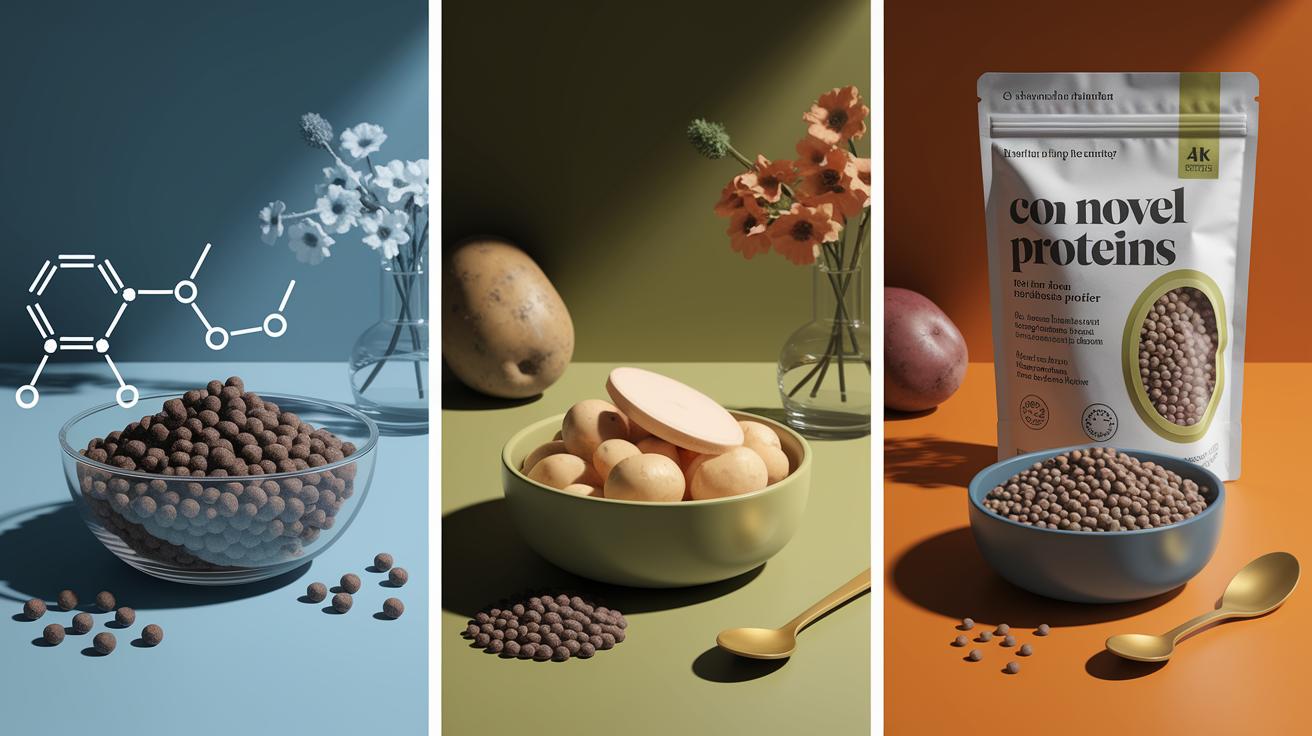
Three main diet categories can help you troubleshoot and manage food-related itching. Each works in a slightly different way, and the right choice depends on your dog’s history, your budget, and how strict the elimination trial needs to be.
Hypoallergenic Dog Food
Hypoallergenic or hydrolyzed protein diets break proteins down into such tiny fragments that the immune system can’t recognize them as a threat. These diets are processed to the molecular level, where whole chicken or beef becomes individual amino acids, the building blocks of protein. Because the immune system never “sees” the intact protein, it doesn’t trigger an allergic response. Hydrolyzed diets are typically available only through veterinarians and are often recommended when a dog has multiple food sensitivities or when cross-contamination in manufacturing is a concern. They’re highly processed, often expensive, and not the most palatable option. But for dogs who react to trace amounts of protein, they can be the cleanest path to relief.
Limited Ingredient Diets
Limited ingredient diets (LID) contain a single protein source and a single carbohydrate, with no fillers, by-products, or long ingredient lists. The goal is to reduce the number of potential allergens your dog is exposed to at one time. For example, a LID might use only duck and sweet potato, or venison and peas. Over-the-counter LID foods work well for many dogs, but some brands are manufactured on shared equipment with other proteins, which can leave trace contamination. Veterinarian-prescribed LID formulas are produced under stricter conditions to minimize that risk. During an elimination diet, you’ll want to choose a protein and carbohydrate your dog has never eaten before. So if your dog has been on chicken and rice for years, duck and potato would be a true novel combination.
Novel Protein Diets
Novel protein diets focus on using a meat or fish your dog has never been exposed to. Common novel proteins include venison, duck, rabbit, kangaroo, bison, and certain fish like pollock or whitefish. The idea is simple. If your dog’s immune system has never encountered the protein before, it can’t have developed an allergy to it. Novel proteins can be fed as part of a limited ingredient kibble, canned food, freeze-dried, or raw diet. Raw diets provide active enzymes, natural probiotics, and essential fatty acids that support skin health, but they require strict food safety handling and are generally more expensive. If raw feeding isn’t practical, grain-free or limited ingredient kibble and canned foods using a novel protein are solid alternatives. Just make sure treats, chews, and any table scraps also match the novel protein, or the trial won’t be clean.
How to Safely Switch Your Dog’s Food
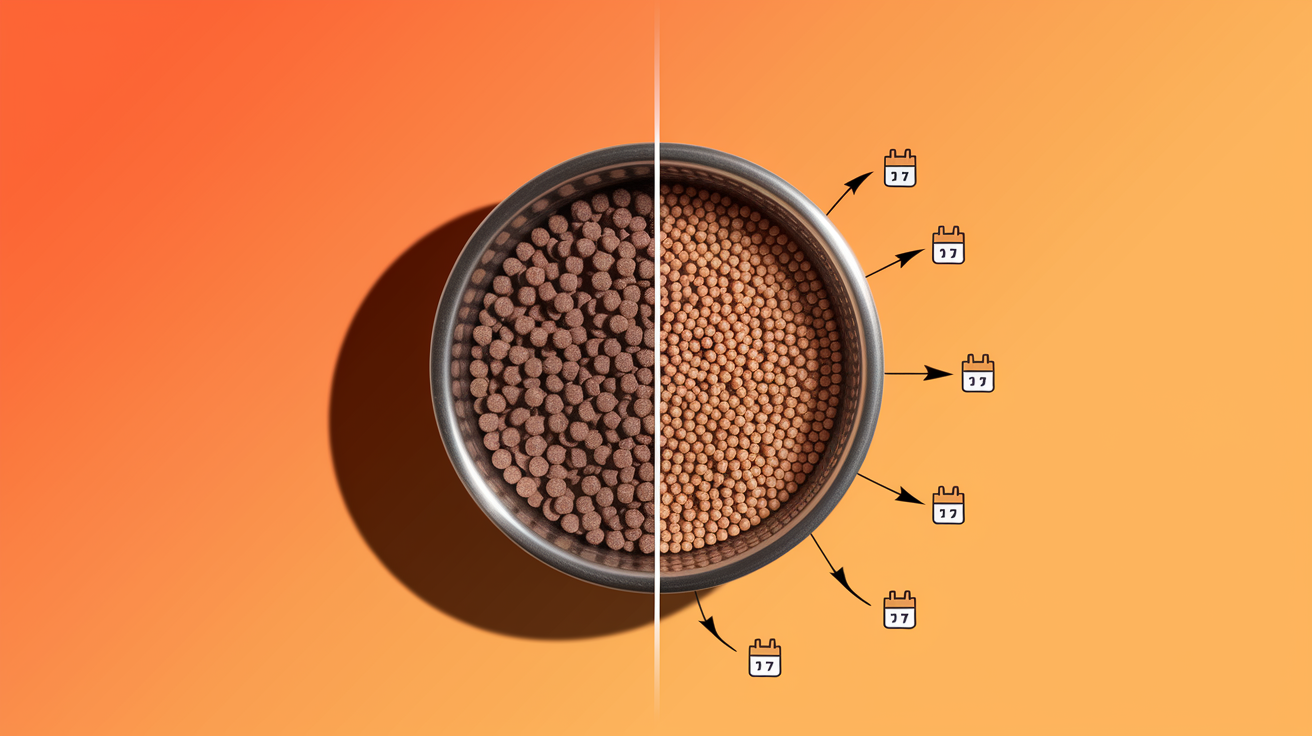
Changing your dog’s food all at once is a fast track to vomiting and diarrhea. A gradual transition over seven to ten days gives your dog’s digestive system time to adjust to the new protein, fat content, and fiber levels. Even if you’re switching to a hypoallergenic or novel protein food, slow and steady prevents stomach upset that can cloud the elimination trial results.
Here’s a simple transition schedule that works for most dogs:
- Days 1 to 2: Mix 25 percent new food with 75 percent old food. Watch for any immediate digestive reactions like loose stools or gas.
- Days 3 to 4: Increase to 50 percent new food and 50 percent old food. Monitor energy, appetite, and stool consistency.
- Days 5 to 6: Move up to 75 percent new food and 25 percent old food. By now, most dogs are tolerating the switch well.
- Day 7: Feed 100 percent new food. If your dog has shown any digestive upset during the earlier steps, slow the transition by an extra day or two at each phase.
- Throughout the transition: Keep treats and chews minimal, and make sure they match the new food’s protein. Avoid giving any flavored medications, dental chews, or table scraps that could introduce hidden allergens.
A slow switch protects the gut bacteria and enzymes that help digest food. Sudden changes can throw off that balance, causing diarrhea, gas, or temporary loss of appetite. If your dog has a sensitive stomach or a history of digestive trouble, you can stretch the transition to ten or even fourteen days, moving in smaller percentage increments.
How Long It Takes to See Improvement
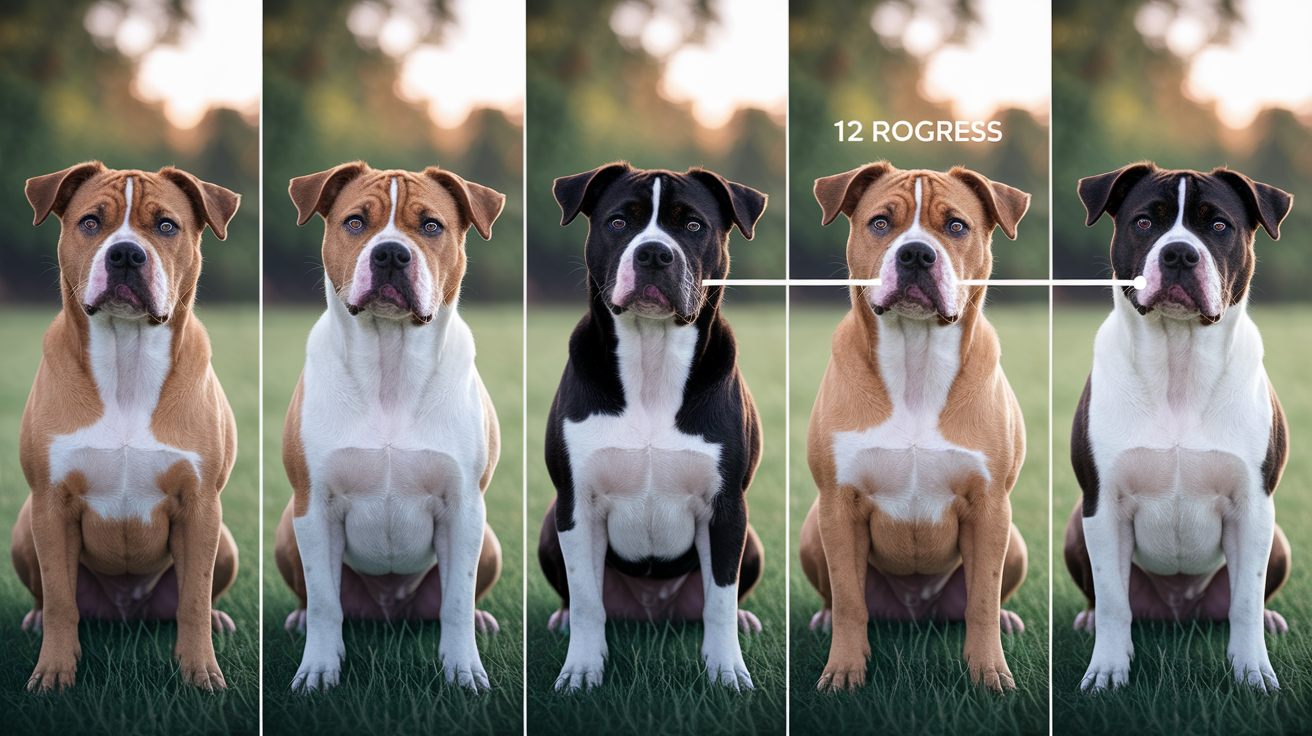
Most dogs show some improvement within a few weeks of switching to an allergen-free diet, but complete relief can take up to twelve weeks. Skin healing lags behind the removal of the allergen because inflamed, damaged skin needs time to repair and regenerate. During the first month, you might notice your dog scratching a little less often, or their ears looking less red, but the itching won’t disappear overnight.
The eight to twelve week window is the gold standard for elimination diets. If food is the cause, you should see steady progress during that period: less paw licking, fewer ear flares, calmer skin, and a general drop in scratching frequency. Some dogs plateau around week four and then improve again closer to week eight, so patience is key. If you see zero change after twelve weeks on a strict novel protein or hydrolyzed diet, food allergies are less likely, and environmental triggers, parasites, or skin infections move higher on the suspect list.
Signs of gradual improvement to watch for include:
- Reduced scratching and head shaking, especially at night
- Ears that stay cleaner and less inflamed between cleanings
- Paws that look less red and irritated, with less constant licking
When to Consult a Veterinarian
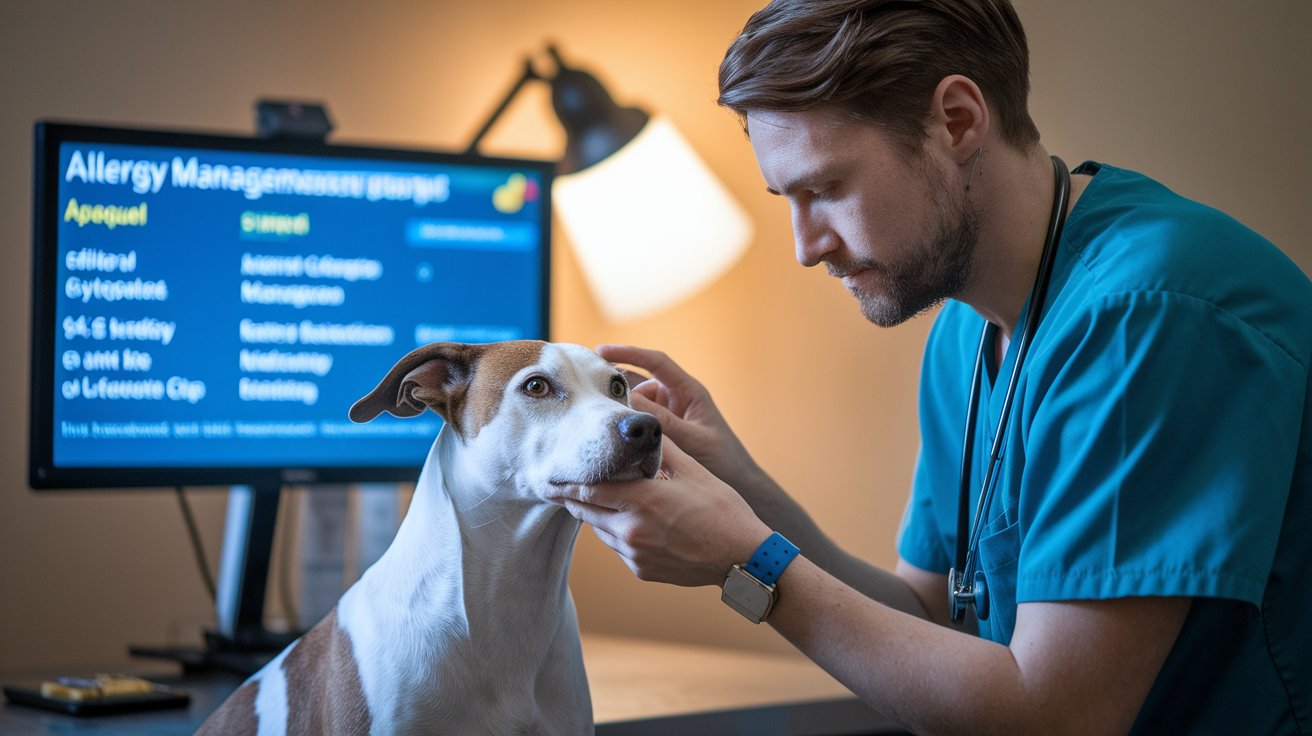
If you’ve completed a strict elimination diet for eight to twelve weeks and your dog is still itching, it’s time to involve your veterinarian. Persistent itching despite diet changes usually points to environmental allergens, external parasites like mites, bacterial or yeast skin infections, or an underlying medical issue. Your vet can perform skin scrapings, fungal cultures, or allergy testing to identify non-food causes, and may recommend prescription medications like Apoquel or injectable therapies like Cytopoint to manage inflammation while you investigate further.
Even during the elimination trial, certain red flags require immediate veterinary attention. Severe reactions, difficulty breathing, facial swelling, or sudden collapse after eating a new food can signal anaphylaxis, a life-threatening allergic emergency. Chronic skin infections that aren’t healing, open sores from constant scratching, or signs of pain when you touch your dog’s ears or skin also warrant a same-day call to your vet.
Contact your veterinarian if you notice:
- No improvement in itching after twelve weeks on a novel protein or hydrolyzed diet
- Skin infections, hot spots, or oozing sores that develop or worsen during the food trial
- Severe digestive upset, vomiting, bloody diarrhea, or refusal to eat the new food
- Sudden, severe reactions like facial swelling, hives, difficulty breathing, or extreme lethargy after a meal
Final Words
in the action we walked through how diet can cause chronic itching, common food triggers, signs that point to a food sensitivity, diet choices that help, safe steps to switch food, and when to see the vet.
Start small: try a limited-ingredient or novel-protein diet and follow a 7–10 day transition, then watch skin and ear changes over 4–12 weeks. Note less paw licking, fewer ear infections, or calmer skin.
If you’re thinking about switching dog food stop itching, go slow and check with your vet. There’s reason to hope.
FAQ
Q: How long after switching food will my dog stop itching?
A: After switching food, itching often improves within 4 to 8 weeks, with full improvement sometimes taking up to 12 weeks. If severe itching, open sores, or worsening occurs, call your vet.
Q: What food will help dogs stop itching?
A: Foods that can help dogs stop itching include hypoallergenic (hydrolyzed), limited-ingredient, or novel-protein diets like venison or duck; try them under vet guidance and expect results in 4 to 8 weeks.
Q: What happens if I switch my dog’s food too quickly?
A: If you switch your dog’s food too quickly, you may trigger vomiting, diarrhea, appetite loss, or mask skin improvement; transition slowly over 7 to 10 days and call your vet if digestive signs persist.
Q: How to stop extreme itching in dogs?
A: To stop extreme itching in dogs, start by removing clear irritants, bathe with a gentle vet-approved shampoo, and contact your veterinarian immediately for urgent evaluation and safe medication options.