

Could allergy shots be the real fix for your dog, or just another long, costly promise?
Allergy shots, called immunotherapy, teach the immune system to stop overreacting to things like pollen, dust mites, and mold.
They help about six to eight out of ten dogs, but they take time, testing, and steady dosing, usually a year or more before you can judge success.
This post explains how immunotherapy works, the common success rates, the main delivery options, and the owner commitment so you can talk to your vet with confidence.
Understanding Canine Immunotherapy as an Allergy Treatment Option
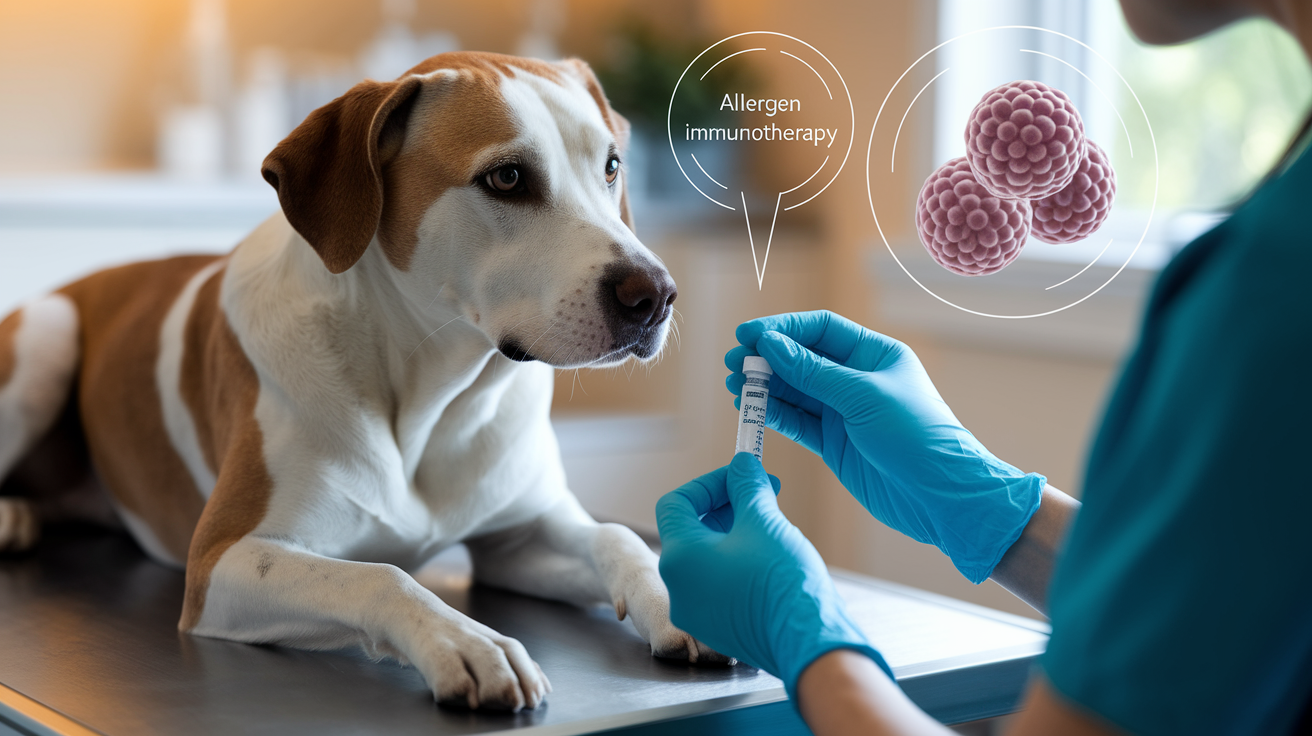
Allergy shots for dogs (the formal name is allergen-specific immunotherapy) are custom treatments that gradually teach your dog’s immune system to stop overreacting to environmental allergens. They’re different from regular allergy meds, which just cover up symptoms. Immunotherapy actually targets the root cause by exposing your dog to tiny, controlled doses of whatever’s triggering the reaction.
About 10 to 20% of dogs deal with environmental allergies, and immunotherapy only gets recommended after you’ve ruled out fleas and food as the culprits. Treatment starts with very small allergen amounts and slowly ramps up over weeks or months, building tolerance step by step.
This therapy usually comes up for dogs with severe, year-round allergies that don’t respond well to antihistamines, or when owners want to avoid long-term steroid use. Between 60 and 80% of dogs with environmental allergies improve significantly with allergy shots. But it takes patience. You’re looking at at least a year before you can really judge if it’s working. Younger dogs tend to respond better than older ones, and once you start, the therapy often continues for life. Costs vary a lot depending on where you live, which allergens your dog needs in the mix, and how you give it. Budget for initial testing fees plus ongoing serum refills and regular vet visits.
Here’s what matters before you decide:
- Common allergen targets: tree pollen, grass pollen, weed pollen, mold spores, house dust mites, human dander
- Goal: build immune tolerance so your dog stops reacting, not just suppress flares
- Timeline: most dogs need 3 to 6 months to see early improvement, 12 months for full assessment
- Success likelihood: roughly 6 to 8 out of every 10 dogs respond very well
- Cost range: expect hundreds to a few thousand dollars per year depending on serum formulation, testing, and monitoring visits
- Owner commitment: you’ll give regular injections or daily drops at home, refrigerate vials, monitor for reactions, and stay consistent for at least a year
Diagnostic Testing Required Before Starting Dog Allergy Shots

Before any allergy shot can be made, your dog needs allergy testing to figure out exactly which environmental allergens set off the immune reaction. Skin testing (also called intradermal testing) is the gold standard. Your vet does it under light sedation by injecting tiny amounts of common allergens just under the top layer of skin, usually on a shaved patch along your dog’s side. Within 15 to 20 minutes, small raised bumps show up where your dog’s allergic. The size and intensity of each reaction guide the dermatologist in building an individualized serum.
Blood testing is also available. It measures allergen-specific IgE antibodies in a serum sample. It’s easier to do and doesn’t need sedation, but blood test results don’t always match what’s happening on the skin. For dogs with severe skin disease or those already on certain meds that can’t be safely stopped, blood testing might be the only option. The allergen profile from either test becomes the recipe for your dog’s custom immunotherapy formula, so accuracy really matters.
| Test Type | How It Works | Pros | Limitations |
|---|---|---|---|
| Intradermal skin test | Allergens injected under skin; vet observes raised reactions in 15–20 minutes under sedation | Gold standard; highly accurate; immediate visual results; detects skin-relevant allergens | Requires sedation; certain meds must be stopped weeks before testing; may need shaved area |
| Serum (blood) IgE test | Blood sample analyzed for antibodies against specific allergens | No sedation; can test while on most meds; easier for anxious or aggressive dogs | May not match actual skin reactions; less reliable for formulating serum |
| Combined approach | Some dermatologists use both tests to cross-check allergens and refine the mix | Higher confidence in allergen selection; useful in complex cases | Higher up-front cost; not always necessary |
How Allergy Immunotherapy for Dogs Works (SCIT, SLIT, IL Options)
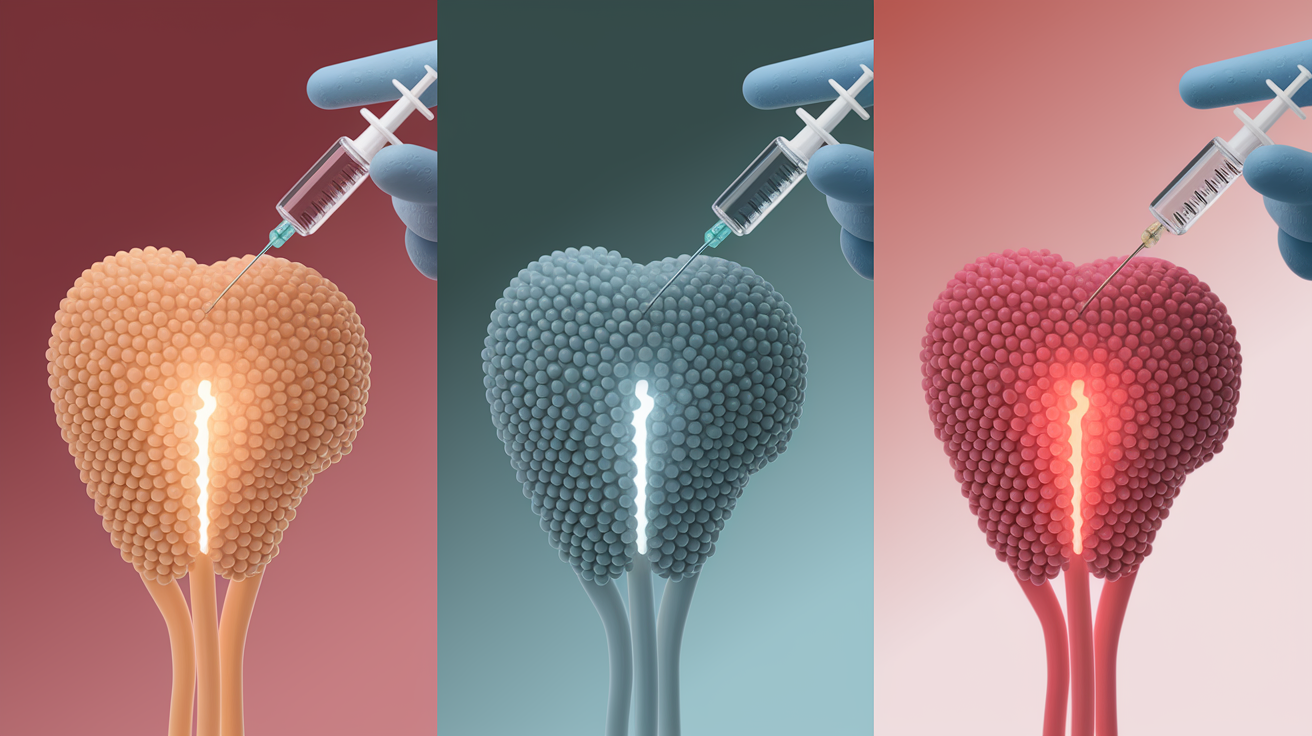
Immunotherapy comes in three main delivery methods. Each has different dosing schedules and practical demands. The most common is subcutaneous immunotherapy (SCIT), which means regular injections of allergen extract under the skin. The second is sublingual immunotherapy (SLIT), which uses liquid drops placed under the tongue or inside the cheek. The third, less common option is intralymphatic immunotherapy (IL), which delivers very small doses directly into a lymph node.
Subcutaneous Immunotherapy (SCIT)
SCIT is the traditional method and the one with the longest track record. Treatment starts with diluted serum given frequently, often every other day, to slowly ramp up your dog’s tolerance. Once the “build-up” phase finishes, maintenance injections drop to a schedule of every 14 days, though some dogs eventually stretch to once or twice weekly. Most families give the injections at home after a quick training session with the vet. Rush induction protocols are available at some clinics. Your dog gets rapid escalation doses over a single day in the hospital, so you can skip weeks of frequent at-home injections and jump straight to the maintenance schedule.
Sublingual Immunotherapy (SLIT)
SLIT means placing a few drops of allergen extract under your dog’s tongue or inside the cheek, usually twice daily. No needles, no pain, and many owners find it easier. The trade-off is consistency. It’s easy to forget a dose or have your dog spit it out, which can reduce effectiveness. Some dogs tolerate SLIT well and show similar results to injections. Others respond better to the more controlled dosing of shots.
Intralymphatic Immunotherapy (IL)
IL immunotherapy is a newer approach that uses a very small needle to inject allergen directly into a lymph node, usually once a month for 6 to 8 months. Because the allergen goes straight to immune tissue, the theory is that tolerance builds faster with fewer doses. After the initial 6 to 8 month cycle, your vet will reassess your dog. They might switch to standard subcutaneous injections every 2 to 4 weeks, continue IL at a lower frequency, or transition to sublingual drops for easier long-term maintenance.
Here’s a quick look at what each method asks of you:
- SCIT injections: refrigerate vials, learn injection technique, give shots every few days then weekly or biweekly, observe dog for an hour after each injection
- SLIT drops: refrigerate bottle, give drops twice daily at consistent times, make sure dog doesn’t spit them out, no observation period required
- IL injections: done in-clinic monthly, no at-home dosing during treatment phase, fewer total doses but needs regular vet visits
- Rush SCIT: one full day at the vet clinic for rapid induction, then home maintenance injections on standard schedule
- Time and needle comfort: SCIT and IL need comfort with needles or vet visits; SLIT is needle-free but demands daily discipline
Treatment Phases and Timelines for Canine Allergy Shots
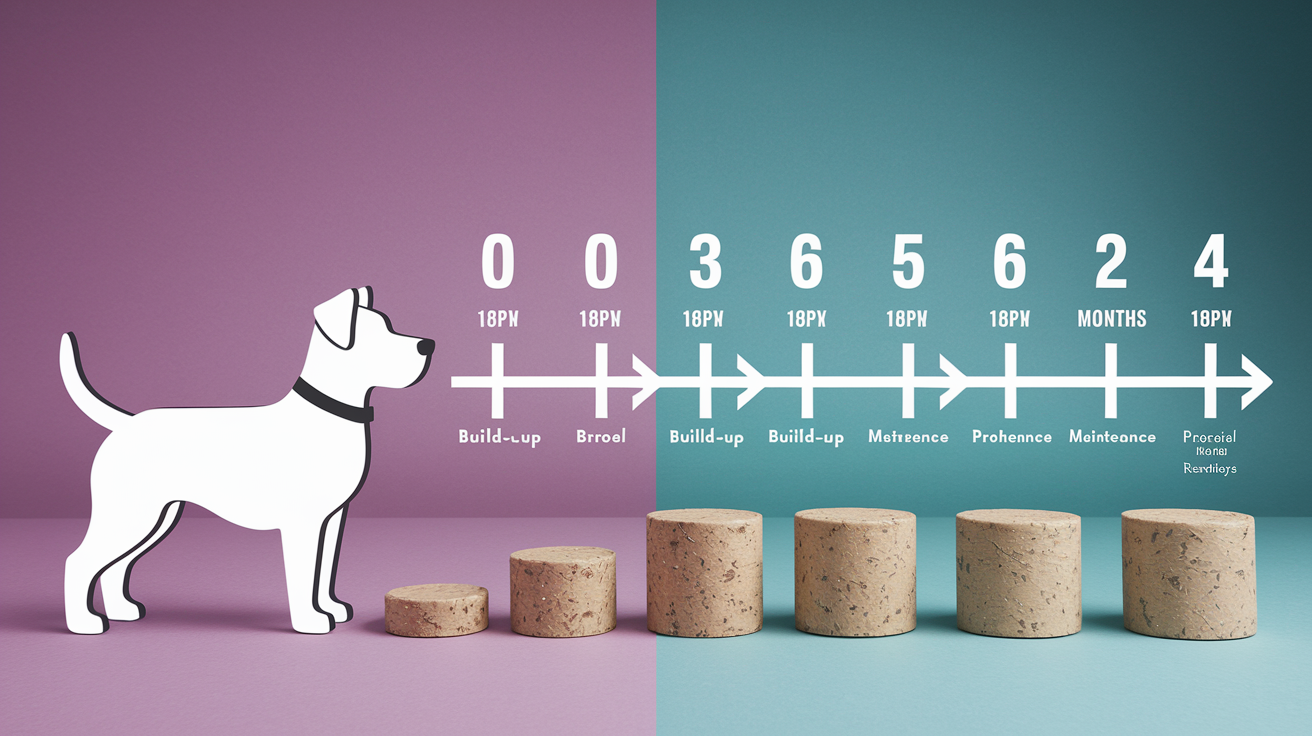
Immunotherapy unfolds in two main stages: build-up and maintenance. The build-up phase starts with very diluted allergen serum and increases the concentration over several weeks. During this period, injections are frequent. Sometimes every other day or a few times per week, depending on the protocol. The goal is to bring your dog’s immune system up to a therapeutic dose without triggering severe reactions. Most build-up schedules last 4 to 8 weeks, though rush protocols compress this into a single day under close veterinary supervision.
Once your dog reaches the maintenance dose, the injection frequency drops to roughly every 14 days, and the concentration stays consistent. This is when real immune tolerance starts to develop. Early improvements can show up around the 3-month mark, but full results often take 6 to 12 months. During the first year, most dogs stay on their usual allergy meds (steroids, antihistamines, or Apoquel) to control symptoms while the shots do their work. If immunotherapy’s effective, you’ll gradually reduce or stop those meds under your vet’s guidance.
Month-by-month breakdown:
- Months 0 to 3: Build-up phase if using traditional SCIT; frequent injections at home or in-clinic; dog still on symptom-control meds; some dogs show slight improvement, most don’t yet
- Months 3 to 6: Maintenance dosing begins; injections settle into a biweekly or weekly routine; noticeable symptom reduction starts in many dogs; meds may be reduced if signs improve
- Months 6 to 12: Continued maintenance; clearer picture of how well immunotherapy’s working; if effective, flare-ups become less severe or less frequent; meds often reduced further
- Beyond 12 months: Full evaluation complete; if successful, immunotherapy continues long-term or for life; if no improvement, vet may adjust the serum, change delivery method, or discontinue and explore other therapies
Younger dogs generally respond better and faster than older dogs, though age alone doesn’t predict failure. The key is consistency. Skipped doses or irregular schedules can set back progress and delay results.
Effectiveness of Dog Allergy Shots and Success Rates

Allergy shots are one of the most effective long-term treatments for environmental allergies in dogs. Success rates range from 60% to 80% depending on the study and how “success” gets defined. In real terms, that means roughly 6 to 8 out of every 10 dogs will see significant symptom improvement, often enough to reduce or eliminate the need for daily meds. Some dogs get complete relief. Others see partial improvement: fewer flare-ups, less intense itching, or longer stretches between bad episodes. Immunotherapy controls symptoms but doesn’t cure the allergy, so most dogs stay on a maintenance schedule indefinitely once the treatment proves effective.
Not every dog responds. The reasons vary. Some failures happen because of incomplete allergen identification. If the testing missed a major trigger or if your dog has both environmental and food allergies that weren’t addressed, the serum won’t cover all bases. Other dogs simply don’t build tolerance despite accurate testing and consistent dosing, possibly because of severe immune dysregulation or concurrent conditions like bacterial or yeast infections that keep inflammation high. Younger dogs and those treated earlier in their allergy history tend to respond better than older dogs with years of chronic inflammation.
Common reasons some dogs don’t improve:
- Incorrect or incomplete allergen selection during testing, missing key triggers
- Inconsistent dosing or missed injections that prevent steady immune tolerance
- Severe underlying disease like advanced skin infections or immune conditions that overwhelm the benefits of immunotherapy
- Untreated flea allergy or food allergy layered on top of environmental allergies, causing ongoing symptoms unrelated to the allergens in the serum
- Concurrent conditions like hypothyroidism or secondary bacterial/yeast infections that need separate treatment before immunotherapy can show results
Potential Risks, Side Effects, and Safety Monitoring in Immunotherapy

Immunotherapy is generally safe for long-term use. Serious adverse reactions are extremely rare. The most feared complication (anaphylaxis) occurs in a very small percentage of dogs and almost always within 30 to 60 minutes of an injection. Signs of anaphylaxis include sudden vomiting, diarrhea, generalized hives, a swollen face, difficulty breathing, and weakness or collapse. Because of this narrow window, you should always observe your dog for at least 1 hour after every injection and keep a phone nearby to contact your vet immediately if any of these signs show up.
Mild local reactions are far more common, especially during the early build-up phase. Your dog might show mild itching or a small raised bump at the injection site for a few minutes, similar to a mosquito bite. Some dogs get a temporary increase in whole-body itching for one to two days after early injections as their immune system adjusts. These reactions usually fade as treatment continues and the body adapts to the allergen exposure.
Safety steps for every injection:
- Refrigerate the serum and check the expiration date before each dose
- Use each syringe and needle only once, then place it immediately into a labeled sharps container for safe disposal
- Rotate injection sites over the neck, shoulders, or back to prevent soreness or irritation in one spot
- Watch your dog closely for 1 hour after the shot; stay home and avoid walks or car trips during this window
If you notice swelling, hives, or breathing changes within that hour, contact your vet right away. If mild itching or a small lump at the site lasts beyond a day or two, mention it at your next check-in so your vet can adjust the dose or schedule if needed.
Comparing Allergy Shots With Other Allergy Treatments for Dogs

Immunotherapy works differently than the meds most owners try first. Steroids, antihistamines, Apoquel (oclacitinib), and Cytopoint (lokivetmab) all suppress the immune response or block itch signals. They give fast symptom relief but do nothing to change the underlying allergy. Immunotherapy, by contrast, retrains the immune system over months to stop overreacting in the first place. That’s why many dogs stay on meds during the first year of shots. They need symptom control while tolerance builds.
Steroids like prednisone work quickly and inexpensively, but long-term use brings side effects: increased thirst and urination, weight gain, panting, and higher risk of diabetes or infections. Antihistamines are safer for chronic use but only help about 30% of dogs and often provide mild relief at best. Apoquel targets specific itch pathways and works within hours, though it requires daily pills and long-term cost can add up. Cytopoint is a monthly injection that blocks a key itch protein and lasts 4 to 8 weeks, offering convenience but also ongoing expense. None of these options modify the allergy itself.
Immunotherapy’s main advantage is that it can reduce or eliminate the need for daily meds once it takes effect, lowering long-term costs and side-effect risks. The trade-off is time, patience, and the commitment to regular injections or drops for months before you know if it’s working.
| Treatment | How It Works | Duration | Pros | Cons |
|---|---|---|---|---|
| Steroids (prednisone) | Suppress immune response and inflammation | Short-term for flares; long-term use risky | Fast relief; inexpensive; very effective for severe flares | Side effects with chronic use: weight gain, thirst, infections, diabetes risk |
| Antihistamines | Block histamine release to reduce itch | Daily; safe long-term | Safe; low cost; can combine with other treatments | Only helps ~30% of dogs; mild relief; requires trial and error to find effective type |
| Oclacitinib (Apoquel) | Block JAK enzymes that trigger itch and inflammation | Daily pills; long-term use common | Fast relief (hours); effective for many dogs; fewer side effects than steroids | Ongoing cost; requires daily dosing; some dogs experience vomiting or diarrhea |
| Lokivetmab (Cytopoint) | Monoclonal antibody that neutralizes IL-31 itch protein | Injection every 4–8 weeks | Long-lasting; no daily pills; minimal side effects | Ongoing cost per injection; doesn’t work for every dog; requires vet visits |
Practical Guidance for Owners Giving Dog Allergy Shots at Home
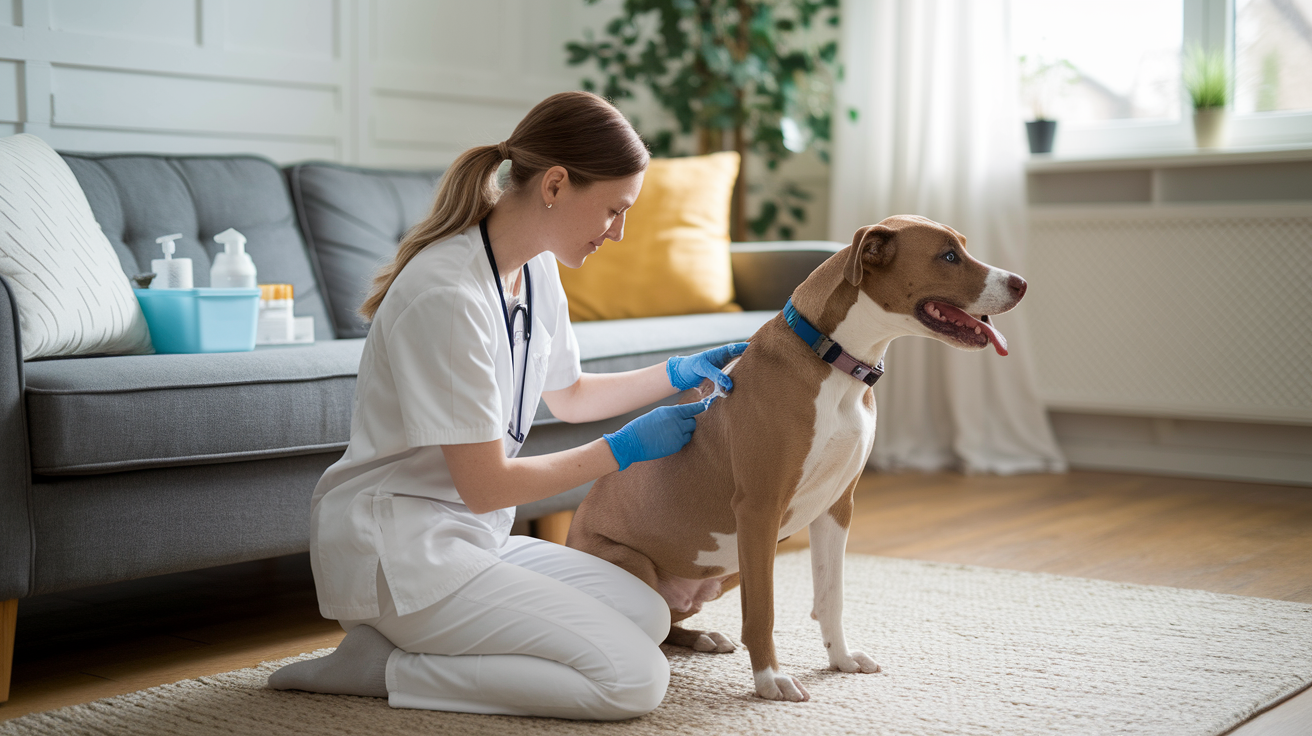
Giving injections at home sounds intimidating, but most owners get comfortable after one or two practice sessions with their vet or vet tech. Your clinic will show you how to draw up the correct dose, how to pinch the skin to create a “tent,” and how to insert the needle at the right angle for a subcutaneous (under the skin) injection. Once you’ve done it a few times, the whole process takes less than a minute.
Storage and handling are straightforward. Keep your immunotherapy vials refrigerated at all times. Don’t freeze them and don’t leave them out at room temperature for more than a few minutes. Before each injection, check the expiration date on the vial and make sure the liquid looks clear, not cloudy or discolored. If anything looks off, contact your vet before giving the dose.
Step-by-step best practices for safe, effective at-home injections:
- Wash your hands and gather supplies: vial from the fridge, a new disposable syringe and needle, alcohol wipe, and a labeled sharps container.
- Draw up the prescribed dose carefully, matching the volume your vet specified; gently tap out any air bubbles.
- Choose an injection site over your dog’s neck, shoulders, or back. Rotate the spot each time to avoid soreness.
- Pinch the skin to lift it away from muscle, creating a small tent.
- Insert the needle at a shallow angle (about 45 degrees) into the space under the skin, not into muscle.
- Push the plunger slowly to inject the serum, then withdraw the needle and release the skin.
- Immediately place the used syringe and needle into the sharps container. Never recap the needle or throw it in regular trash.
After the injection, keep your dog calm and observe closely for the next hour. Most dogs show no reaction at all. If you notice any swelling, hives, vomiting, or difficulty breathing, contact your vet right away.
Your vet will schedule follow-up visits every 4 to 6 weeks during the first few months, then less frequently once you’re on a stable maintenance schedule. These check-ins let your vet assess progress, adjust the dose if needed, and answer questions as they come up. Keep a simple log of injection dates, any reactions, and symptom changes. It helps your vet fine-tune the treatment plan over time.
Costs, Owner Commitment, and Long-Term Management Expectations

Immunotherapy requires a significant financial and time commitment. Understanding both up front helps you decide if it’s the right path for your dog. Initial costs include allergy testing. Intradermal skin testing or blood panels typically range from a few hundred to over a thousand dollars depending on your region and clinic. Once allergens are identified, the first batch of custom serum can cost several hundred dollars and usually lasts several months. Refills are needed indefinitely if the treatment works, adding ongoing expense, though the per-dose cost often decreases once you’re in maintenance mode.
Beyond money, immunotherapy asks for consistency. You’ll give injections every few days during build-up, then weekly or biweekly for life. Sublingual drops require twice-daily dosing without fail. Missing doses can delay progress or reduce effectiveness, so family schedules, travel plans, and daily routines all need to accommodate the regimen. Most dogs also continue their usual allergy meds during the first year, so you’re layering immunotherapy costs on top of existing treatment expenses until the shots prove effective enough to reduce or stop other meds.
Environmental control measures (frequent bathing, HEPA filters, regular bedding washes) improve outcomes and may reduce the medication load over time, but they add another layer of effort and expense. Long-term, immunotherapy’s often more cost-effective than years of daily Apoquel or monthly Cytopoint injections, but the payoff requires patience and faith in a process that won’t show full results for months.
Hidden commitments to consider:
- Time for injections or drops: plan for 5 to 10 minutes per dose, plus 1-hour observation windows after shots
- Monitoring and record-keeping: track injection dates, symptoms, and any reactions to help your vet adjust the plan
- Regular follow-up visits: expect clinic appointments every 4 to 6 weeks early on, then every few months once stable
- Lifestyle adjustments: coordinate travel, boarding, or pet-sitter training so doses aren’t missed; maintain consistent routines that support environmental allergen control
Environmental Allergy Management Alongside Immunotherapy
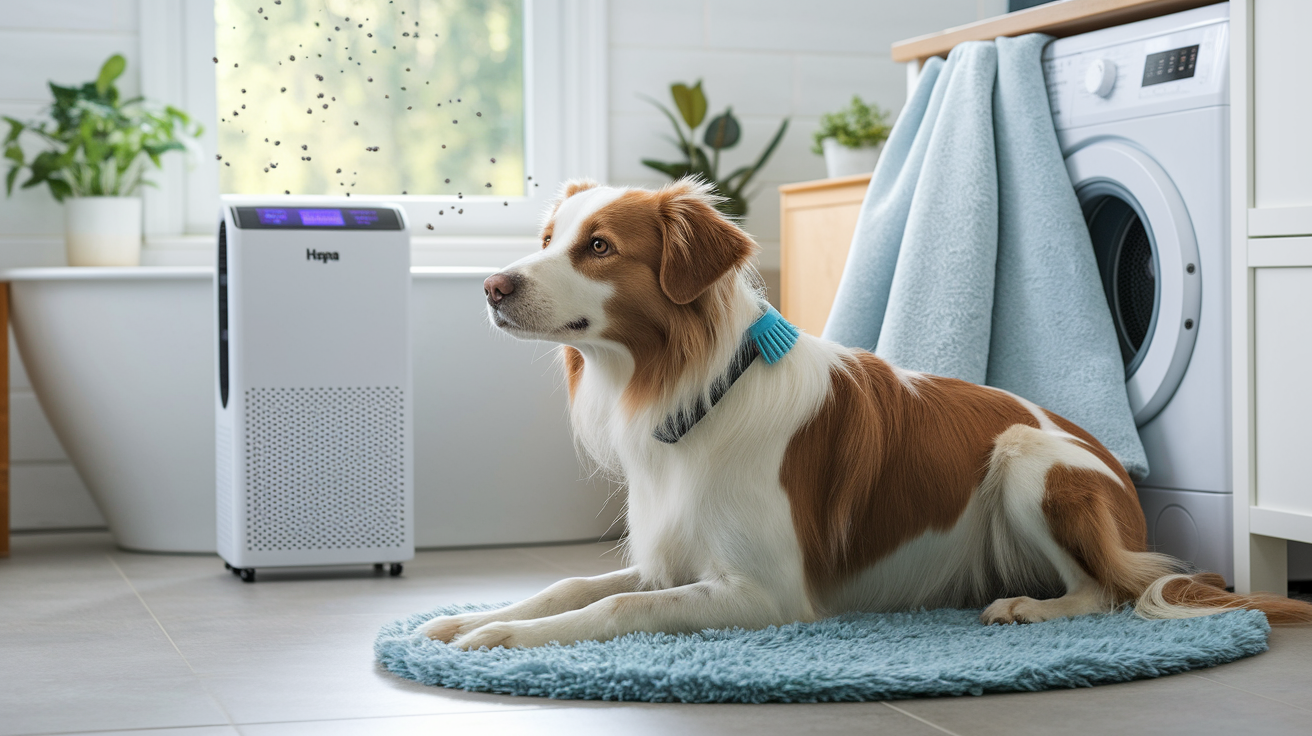
Immunotherapy works best when paired with steps to reduce your dog’s exposure to environmental allergens. Even as the shots build tolerance, lowering the total allergen load in your home and on your dog’s skin can speed improvement and reduce flare-ups. The most common environmental triggers include tree, grass, and weed pollens, mold spores, house dust mites, and human dander. Each allergen has seasonal peaks or indoor hotspots, so small changes in your cleaning and grooming routine can make a noticeable difference.
Frequent bathing is one of the simplest and most effective measures. A weekly bath with a gentle, hypoallergenic or medicated shampoo rinses pollen, dust, and other particles off your dog’s coat and skin before they can trigger itching. Wiping paws and face with a damp cloth after outdoor walks removes allergens picked up during the day. Indoors, washing your dog’s bedding in hot water every week and vacuuming floors and furniture regularly cuts down on dust mites and dander. HEPA air filters in rooms where your dog spends the most time can capture airborne pollen and mold spores, especially during high-pollen seasons.
Quick environmental steps to support immunotherapy:
- Bathe weekly with a vet-recommended shampoo to remove surface allergens and soothe irritated skin
- Wipe paws and face with a damp cloth or pet-safe wipes after outdoor time, especially during pollen season
- Wash bedding in hot water at least once a week to kill dust mites and remove dander
- Use HEPA filters in your home, particularly in the rooms where your dog sleeps or spends the most time
- Adjust outdoor routines seasonally: walk early morning or late evening during peak pollen times; avoid freshly mowed grass or windy days when pollen counts spike
Final Words
Treating your dog’s environmental allergies usually starts with testing, then a tailored immunotherapy plan, regular doses, and basic home and household changes. This post walked through what allergy shots do, testing and delivery options, timelines and success rates, safety tips, costs, and at-home injection care.
Immunotherapy takes time and commitment, but many dogs see real relief when it’s done properly and monitored.
If you’re weighing options, allergy shots for dogs immunotherapy can be a steady, hopeful path to fewer itchy days.
FAQ
Q: What are dog allergy shots?
A: Dog allergy shots are immunotherapy that expose dogs to controlled amounts of identified environmental allergens to build tolerance over time, usually after fleas and food allergies have been ruled out.
Q: How do dog allergy shots work?
A: Dog allergy shots work by gradually exposing the immune system to small amounts of specific allergens found on testing, helping reduce allergic reactions and itching over several months.
Q: How effective are allergy shots for dogs?
A: Allergy shots for dogs are effective in about 60–80% of pets, often cutting symptoms significantly but not guaranteeing a cure; responses vary by dog and allergen mix.
Q: How long does immunotherapy last?
A: Immunotherapy for dogs typically continues at least one year for a proper evaluation, and many dogs remain on treatment long term or lifelong depending on response.
Q: What testing is required before starting allergy shots?
A: Testing before allergy shots usually means intradermal skin testing (the gold standard, often done under sedation); blood tests exist but may not match skin results for allergen selection.
Q: What are common side effects and safety measures?
A: Common side effects are mild injection‑site itch or swelling; anaphylaxis is rare within 30–60 minutes, so observe pets for one hour and call a vet for breathing trouble, collapse, or severe vomiting.
Q: Can I give allergy shots at home?
A: Giving allergy shots at home is possible after vet training: refrigerate the extract, use single‑use syringes, rotate sites, keep a dose log, observe for one hour, and use a sharps container.
Q: How do allergy shots compare to medications like oclacitinib or Cytopoint?
A: Allergy shots aim to change the immune response long term; oclacitinib and Cytopoint control symptoms quickly, and vets often use them alongside immunotherapy during the first year.
Q: How much do dog allergy shots cost?
A: The cost of dog allergy shots varies widely by region, required testing, and formulation; ask your clinic for a full estimate including tests, extract preparation, and follow‑up visits.
Q: What should I expect during the first months of treatment?
A: During the first months expect gradual change: some improvement by three months, clearer benefit by six months, and a full assessment at 12 months, with symptom meds often continued early on.
Q: Why might immunotherapy fail for some dogs?
A: Immunotherapy can fail if the wrong allergens were chosen, dosing was inconsistent, fleas or other conditions remain untreated, or the allergic disease is very severe.
Q: How should I manage the environment alongside allergy shots?
A: Managing the environment alongside shots means washing bedding, using HEPA filters, vacuuming often, bathing to remove allergens from the coat, and making seasonal adjustments to reduce exposure.